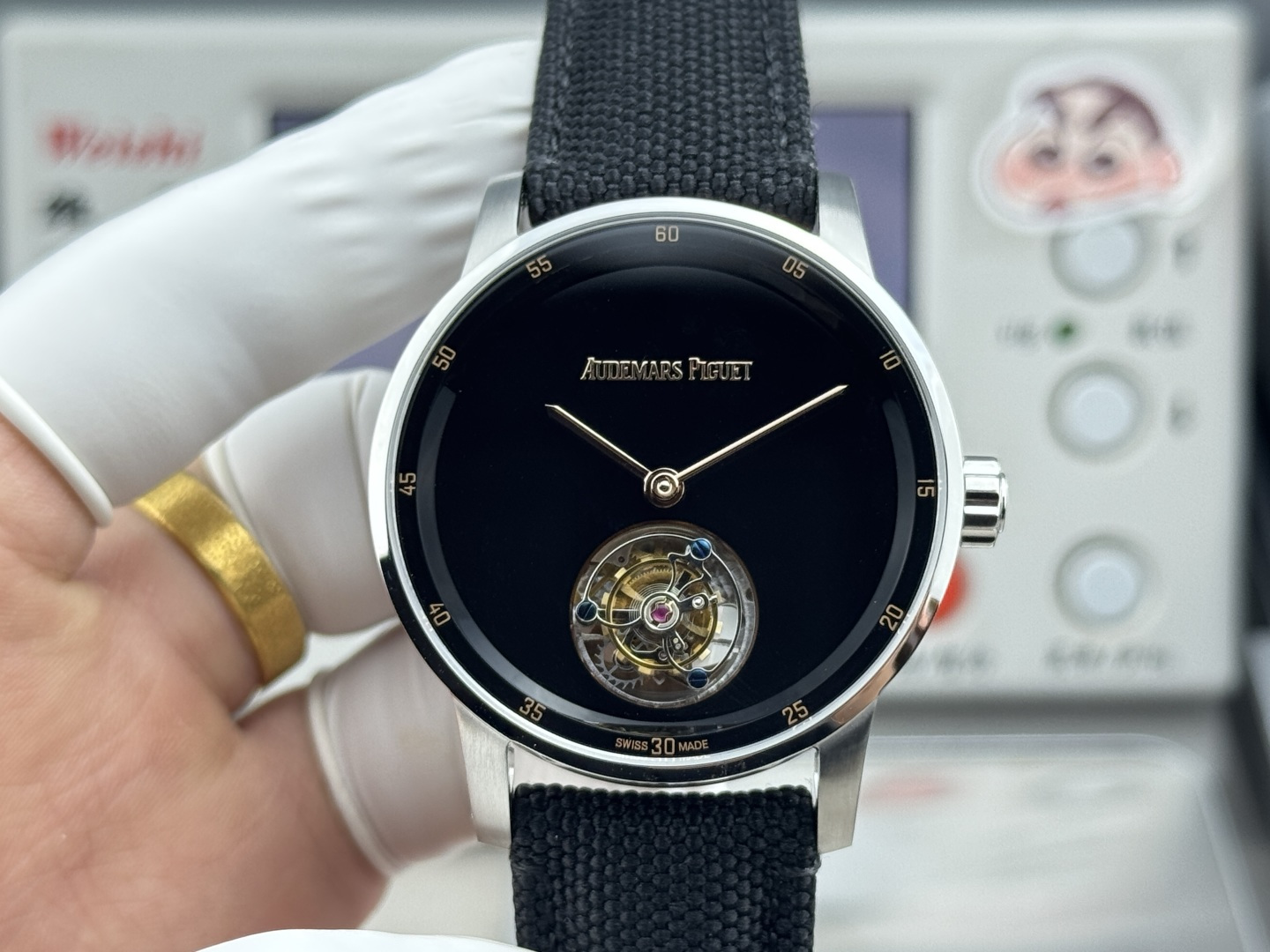
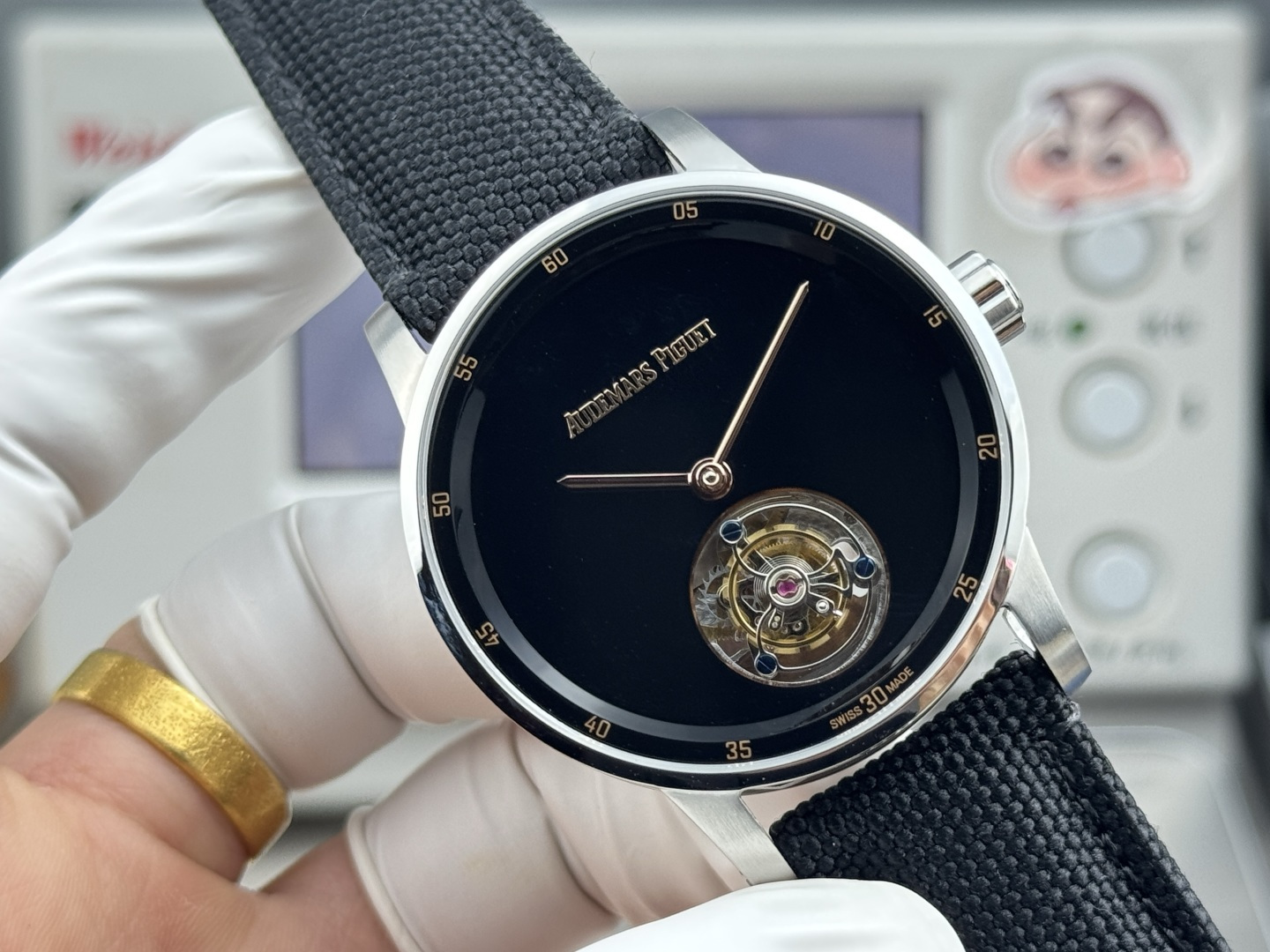
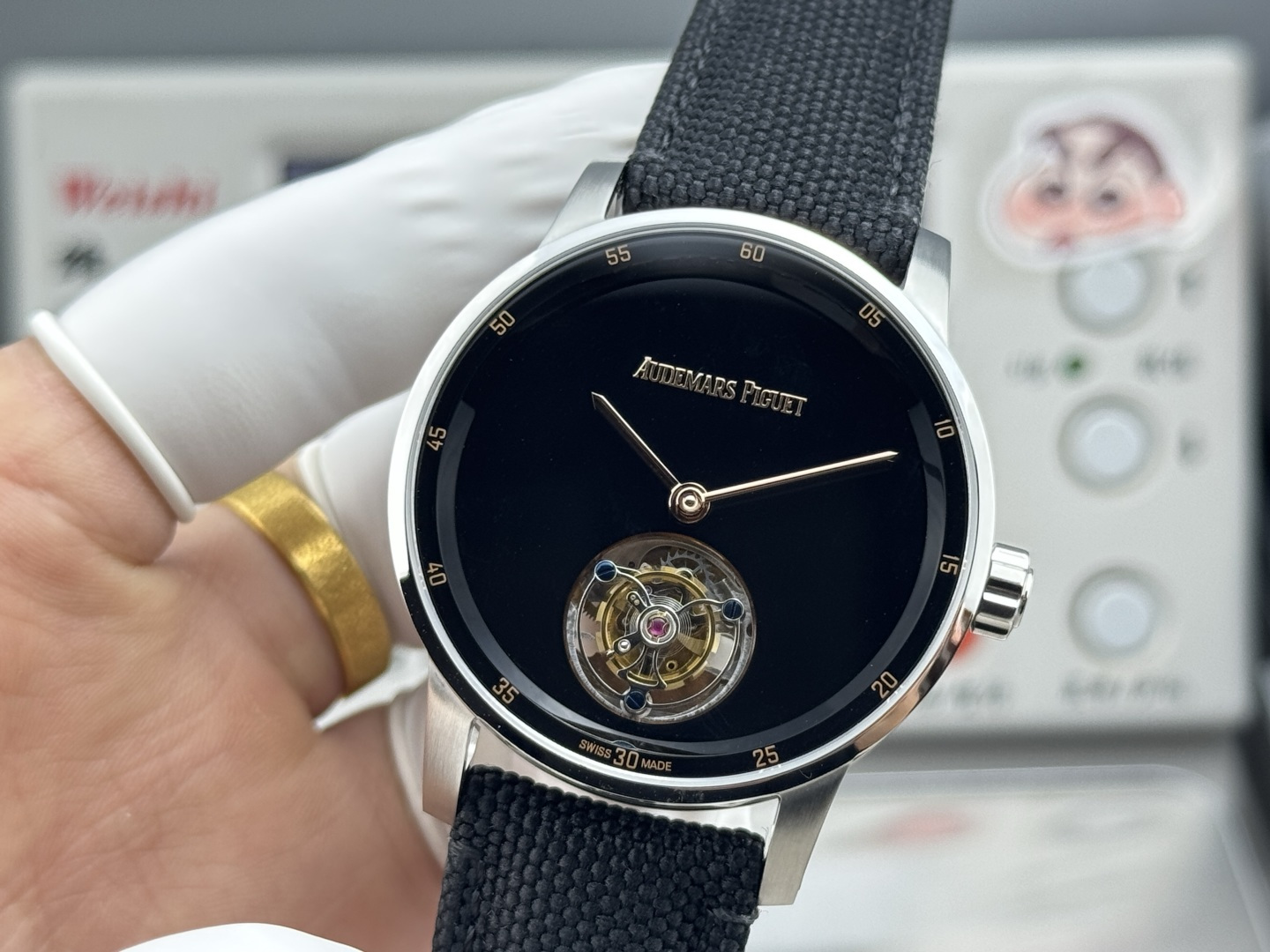
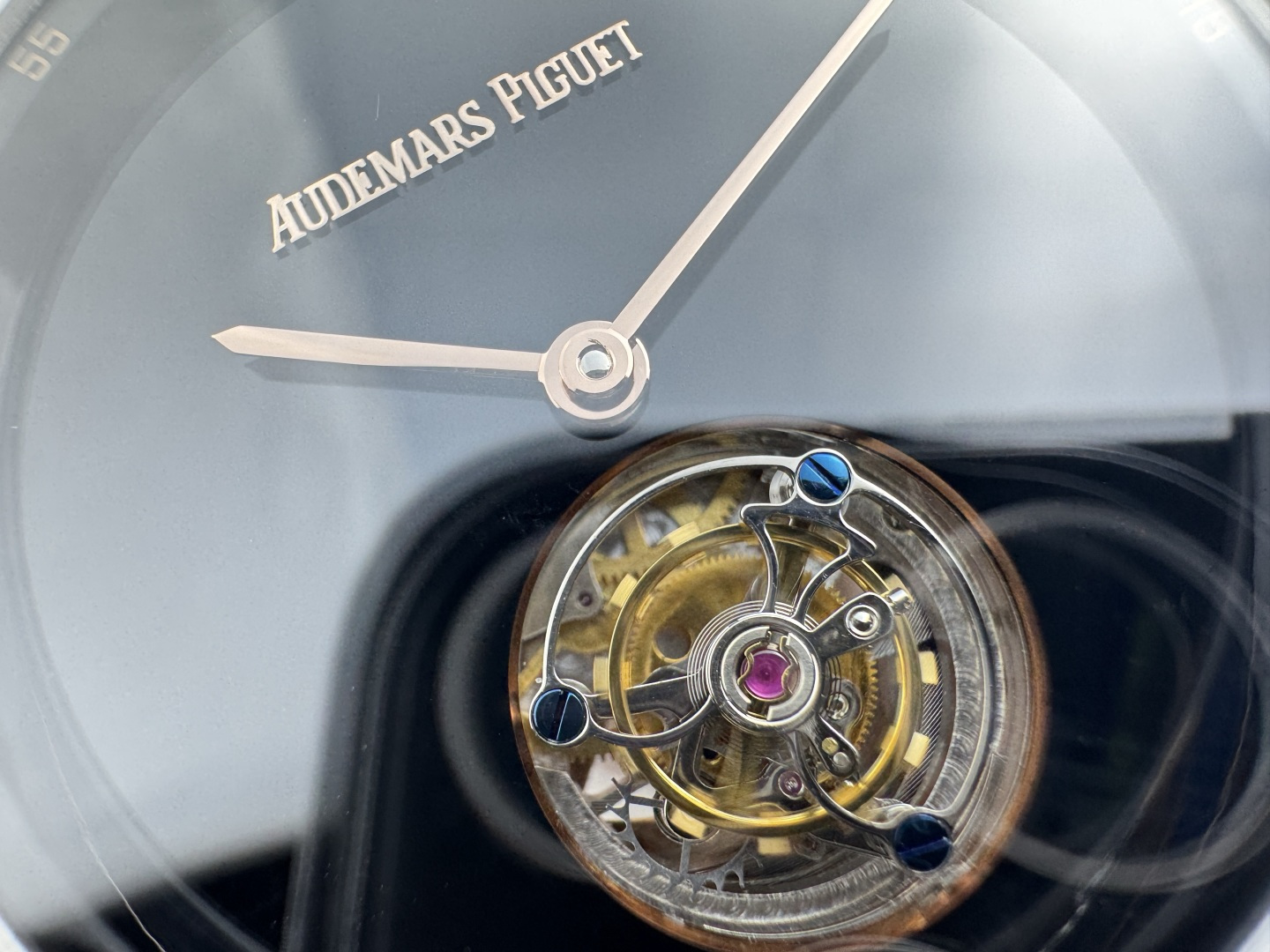
博客

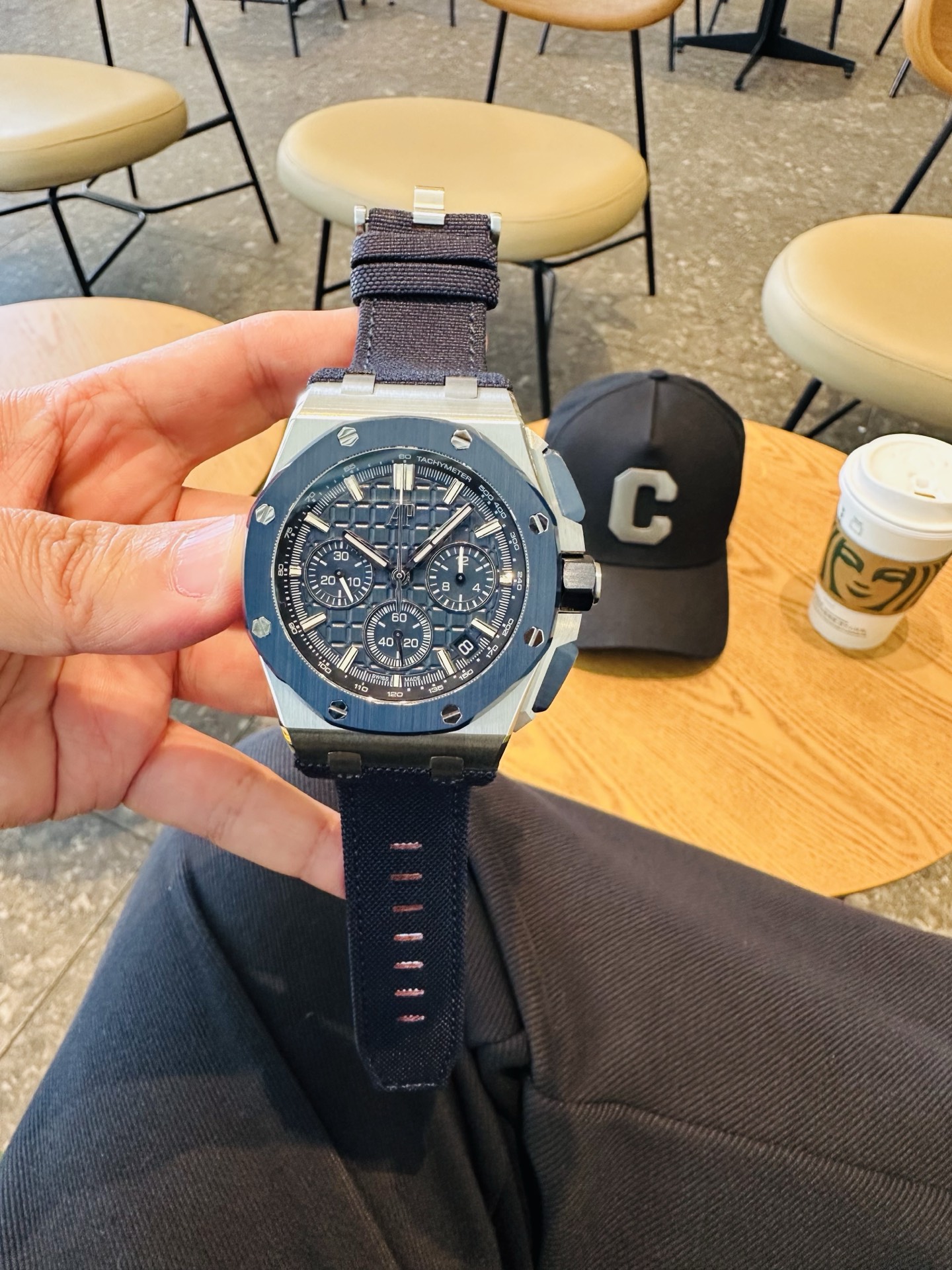
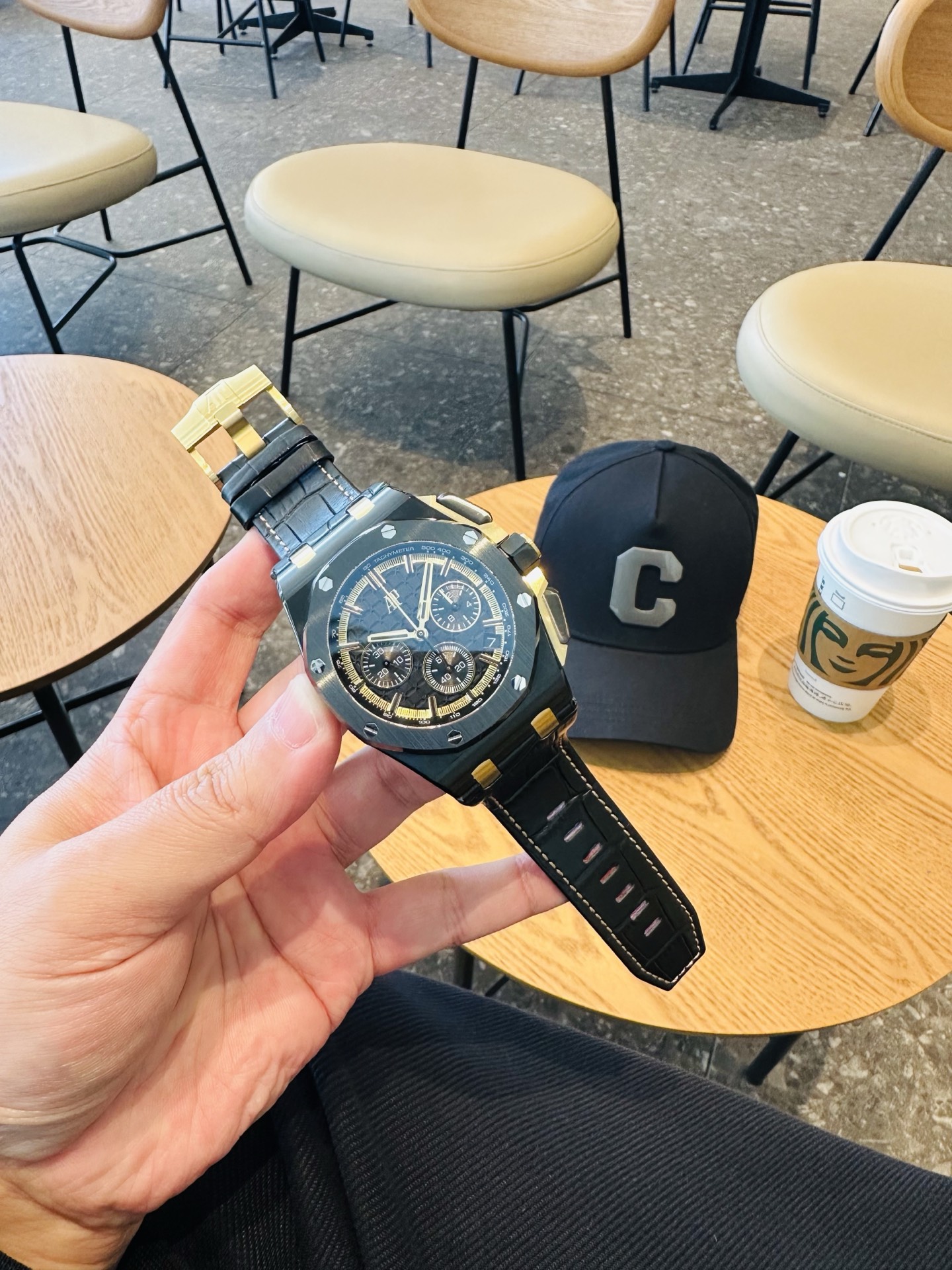
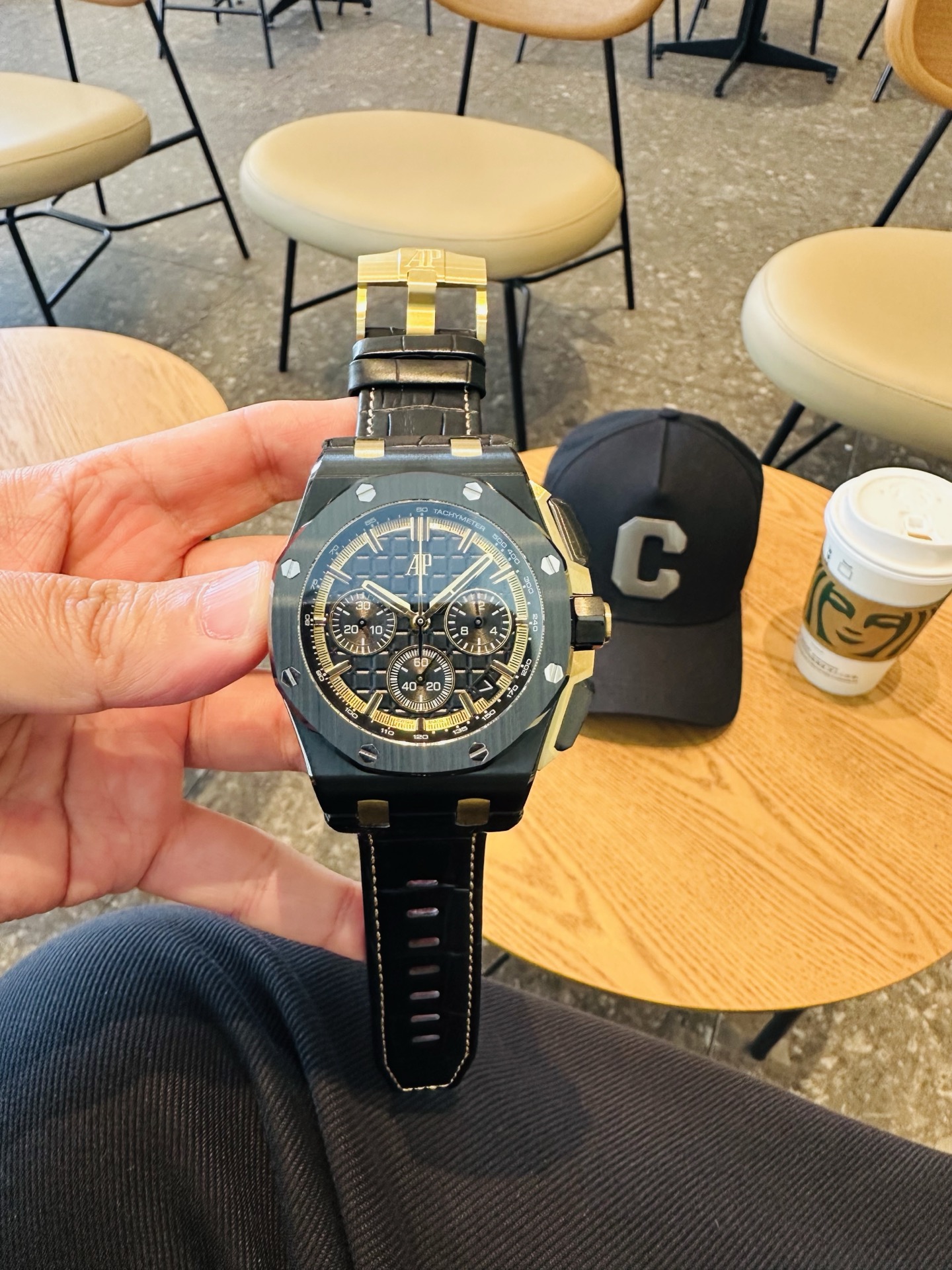
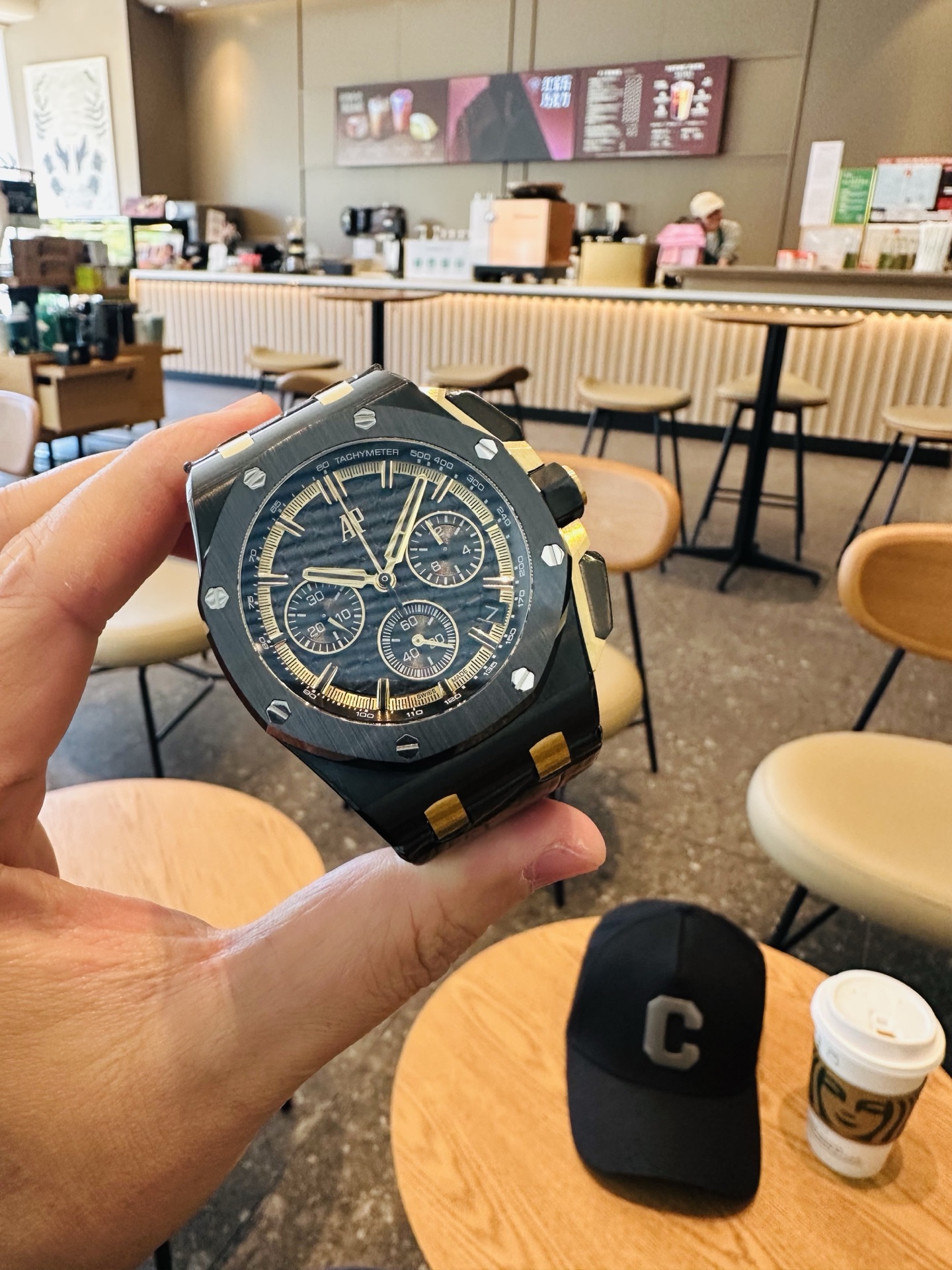
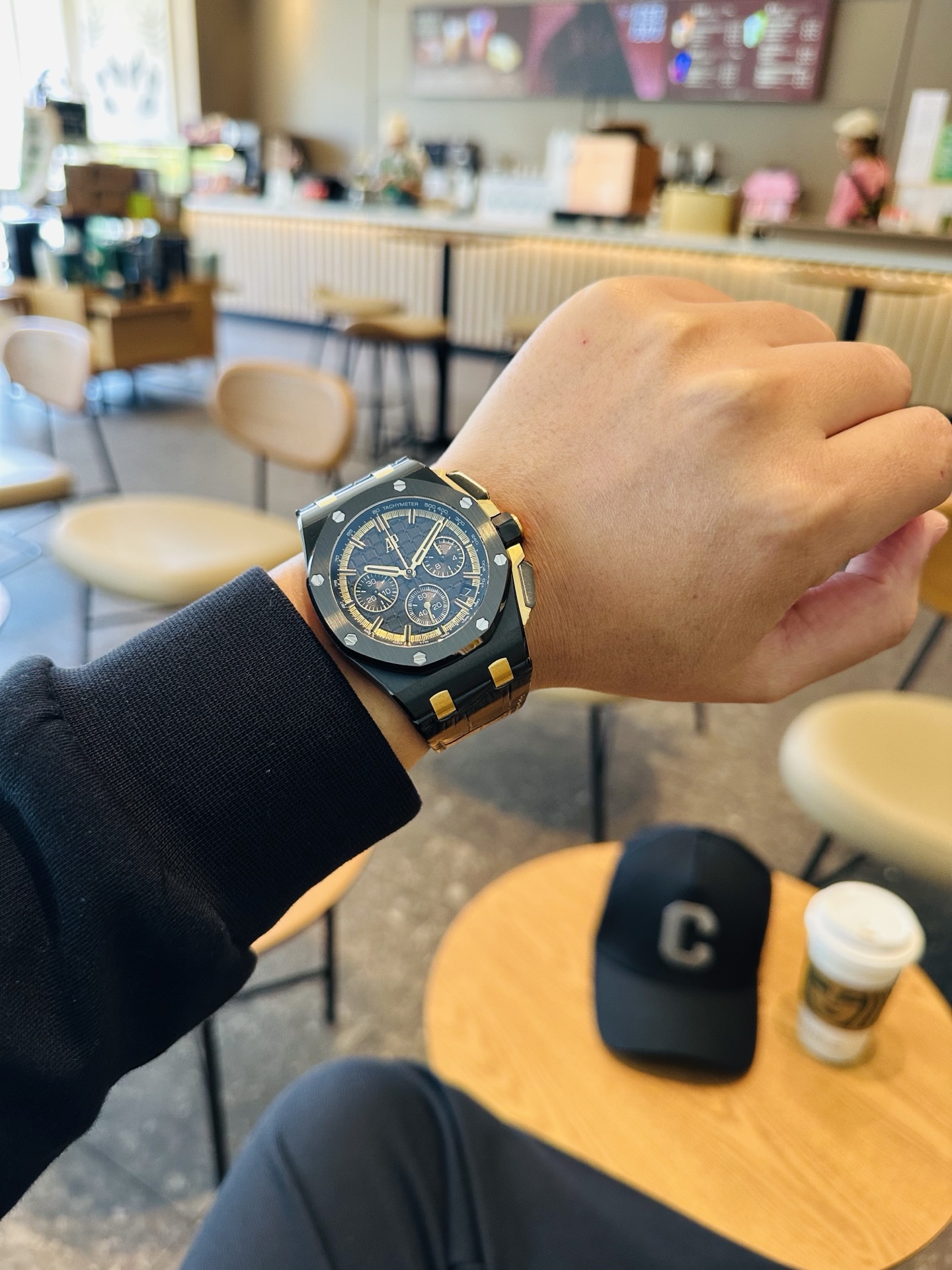
  • LS Factory’s Royal Oak Offshore 26420: The Clone That Actually Did Its Homework

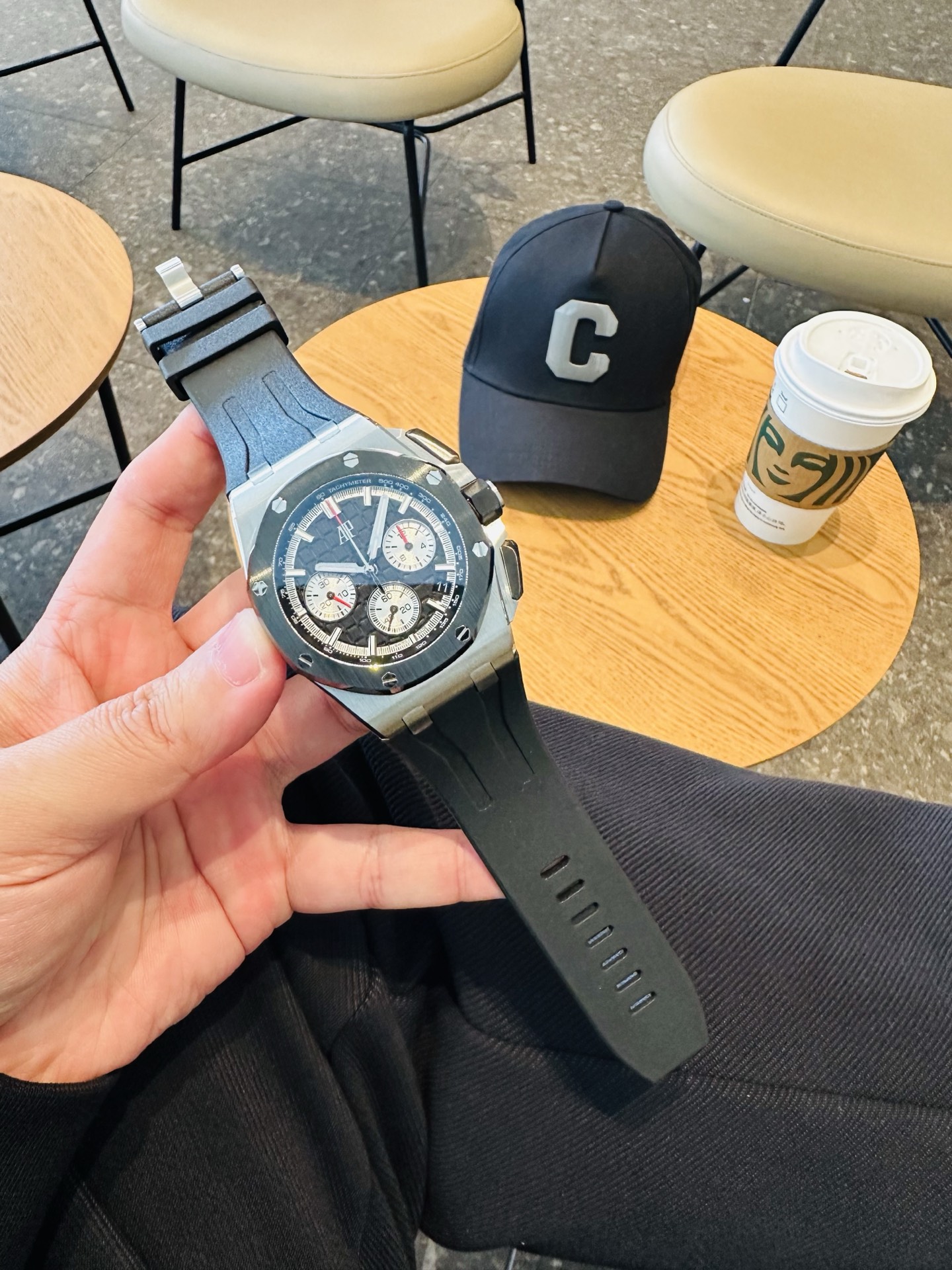
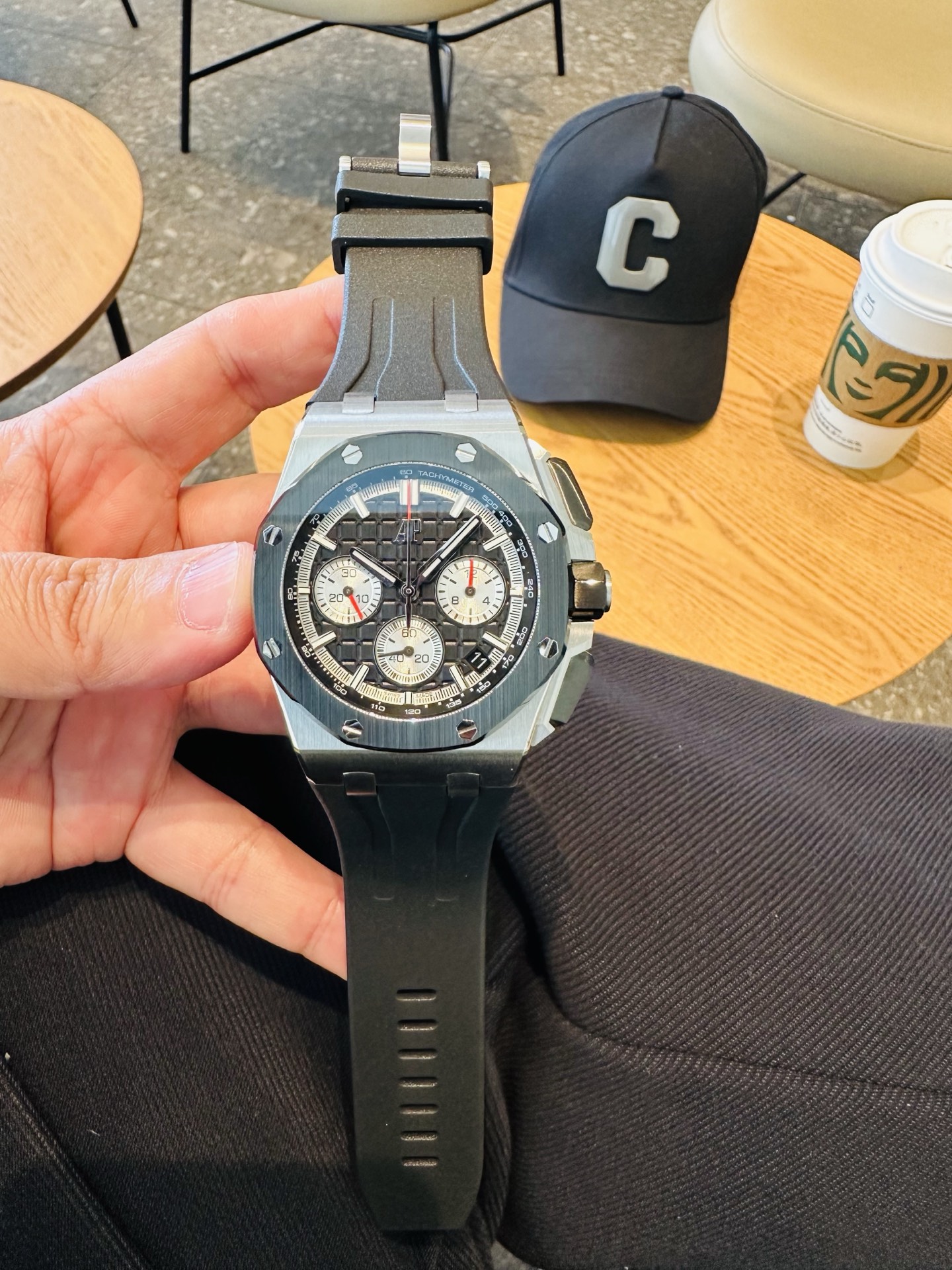
    Most grey-market replicas of the Royal Oak Offshore exist in a comfortable lie. They pull the same tired 44mm shell from the old 26400 tooling, slap a fresh dial on top, and ship it to buyers who either don’t know the difference or have quietly accepted that this is as good as it gets. The LS Factory 26420 is a direct, calculated rejection of that compromise — and it’s worth sitting down with a loupe and a strong opinion to figure out exactly how far that rejection actually goes.

    Confronting the Clone: Why the 26420 Reference Matters

    The Audemars Piguet Royal Oak Offshore 26420 is not a minor refresh. When AP launched it, they restructured the case geometry, trimmed the size back to 43mm from the bloated 44mm of the 26400 era, introduced a large date complication that bleeds to the dial’s edge, and revised the movement architecture with the in-house Calibre 4401. It was a statement piece — a course correction after years of critics arguing that the Offshore had drifted too far from the refined brutalism Gerald Genta originally intended. The horological press noticed. Collectors noticed. And, critically, the grey market noticed — because almost every factory producing this reference was still shipping the old 26400 case with updated cosmetics. A 44mm Offshore masquerading as a 43mm 26420 is not a clone. It’s a different watch wearing a costume.

    LS Factory, at least on paper, commissioned new tooling. That’s the headline claim and the most important one to interrogate.

    The Dial Execution: Where Replicas Live and Die

    The 26420 dial is one of the more technically demanding surfaces in the modern Offshore lineup, and the LS Factory version reportedly addresses it with CNC-machined tapisserie texture rather than hydraulic pressing. This distinction is not cosmetic vanity — it is the entire conversation.

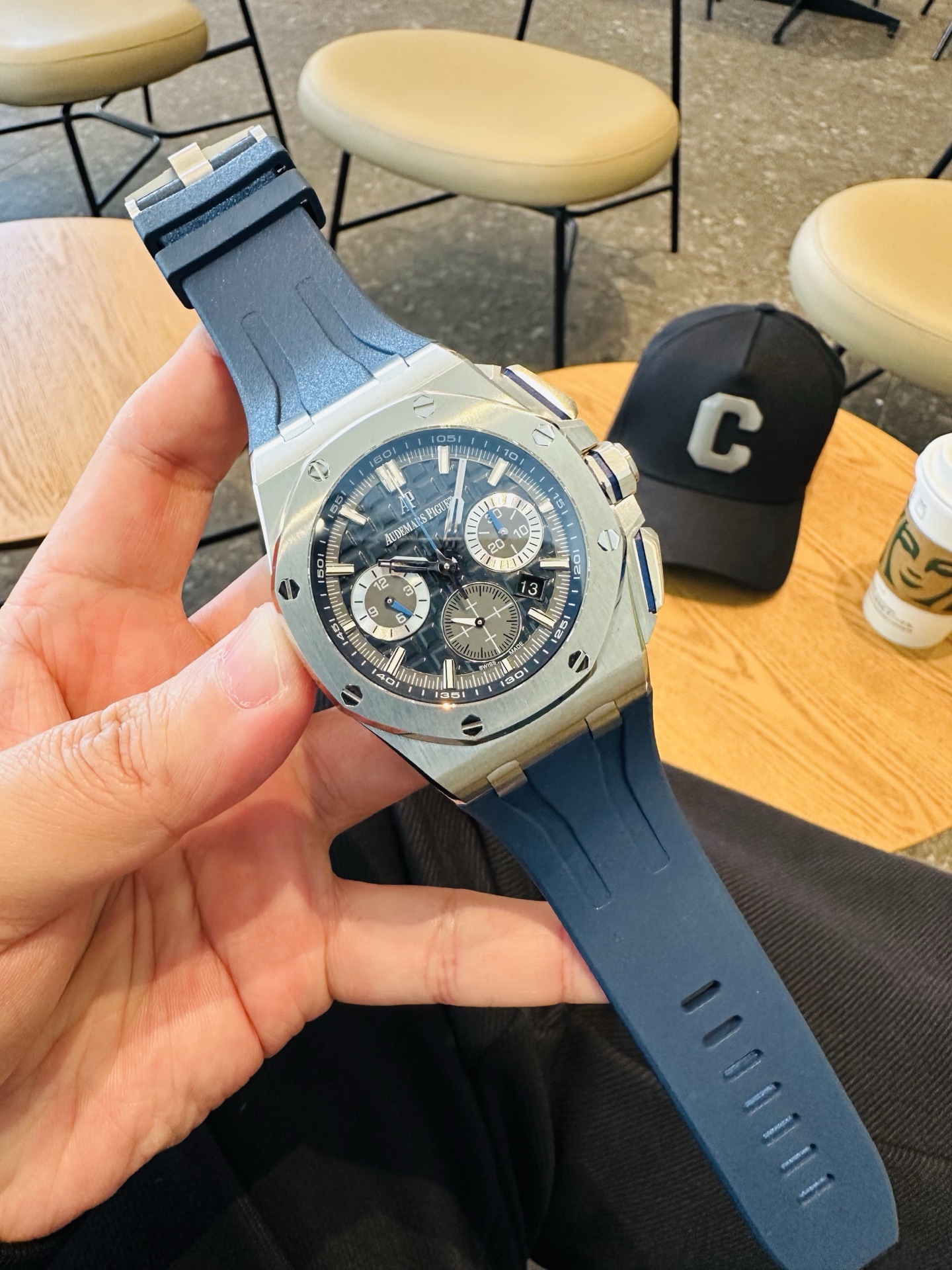
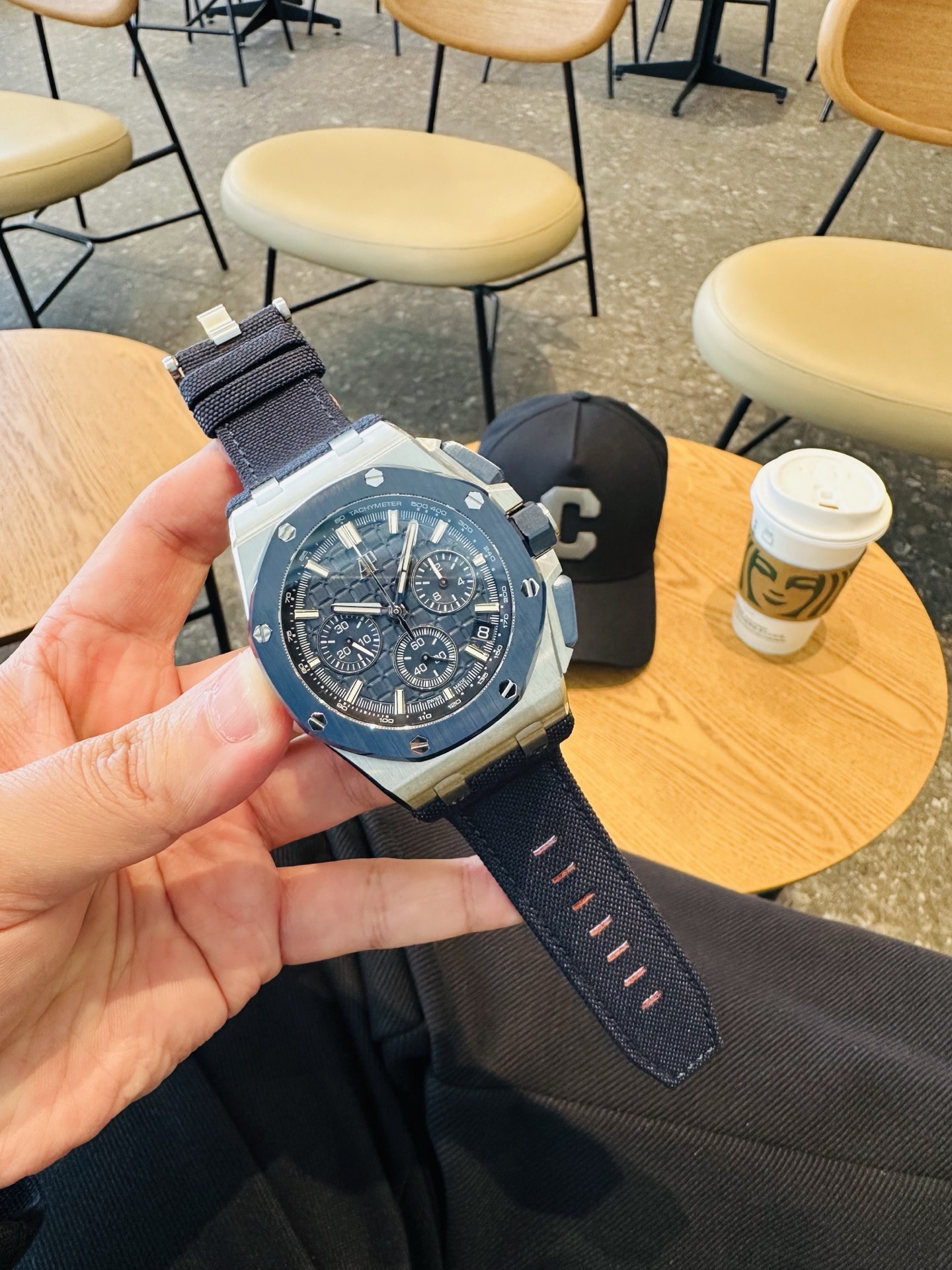
    Hydraulic pressing produces the Royal Oak’s signature small tapisserie squares through a stamping process that, under a 10x loupe, shows micro-compression artifacts at the edges of each square. The relief lacks sharpness; the grid lines between squares tend to be slightly rounded, slightly soft. CNC slow-milling, by contrast, cuts each channel individually. The result — when executed properly — gives you crisp, right-angled intersections between the squares, and the iconic cross-connecting grid structure reads the way it should: as a deliberate, geometric lattice, not a pressed pattern. The factory spec explicitly notes that the squares are now connected via cross-links, which mirrors the genuine 26420’s updated tapisserie geometry. Whether the execution holds up under actual loupe inspection is the operative question, but the intent is architecturally correct.

    The large date complication placement is the other critical dial element. On the genuine 26420, the date aperture is pushed aggressively toward the dial perimeter, which creates an unusual visual tension — it crowds the 3 o’clock index and forces a specific hand-stack clearance calculation to avoid fouling on the date disc at extreme positions. Getting this wrong produces a replica that looks immediately off to anyone who has spent time with the real reference. LS Factory’s spec claims the date position mirrors the original, achieved through actual movement modification rather than cosmetic repositioning. That’s either an impressive engineering commitment or marketing language. The movement section will tell us more.

    Typography kerning on the Offshore sub-brand text and the AP logo is where 90% of factories quietly fail. The genuine 26420 uses a very specific weight and spacing on the “ROYAL OAK OFFSHORE” text at 6 o’clock. If the pad-printing is even half a hair too heavy, the letters fill in slightly and the whole dial reads as a photocopy of a photocopy. I have not physically examined this piece under loupe, but the CNC dial claim gives me cautious optimism about dimensional accuracy elsewhere on the surface.

    The hands reportedly received minor modifications to suit the new dial architecture. Lume application on the applied indices and hands is not detailed in the spec sheet — a frustrating omission, because lume plot consistency and the colour match between hands and indices under UV is one of the fastest tells on any Offshore clone.

    Wearability, Case Architecture & SEL Flushness

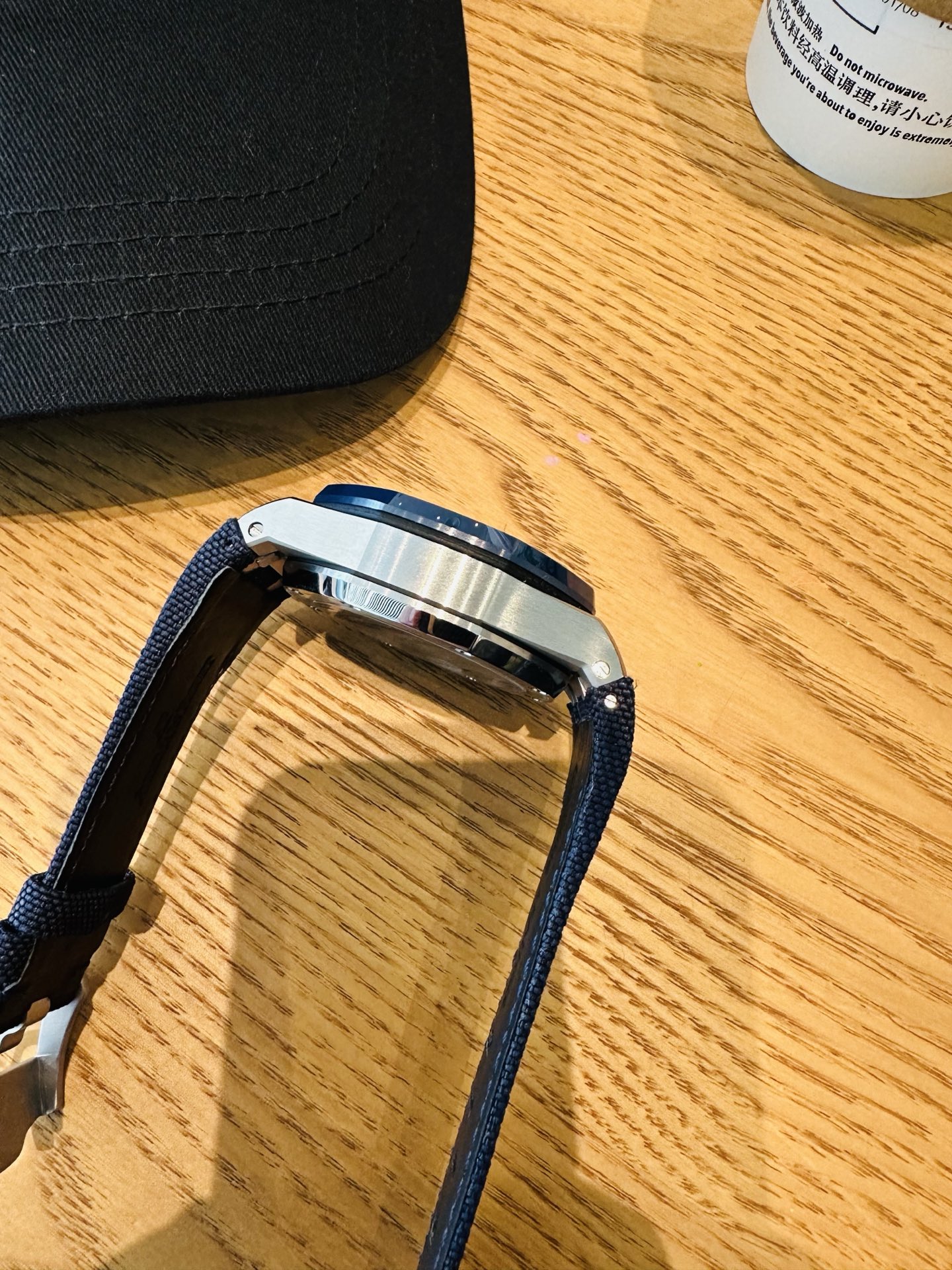
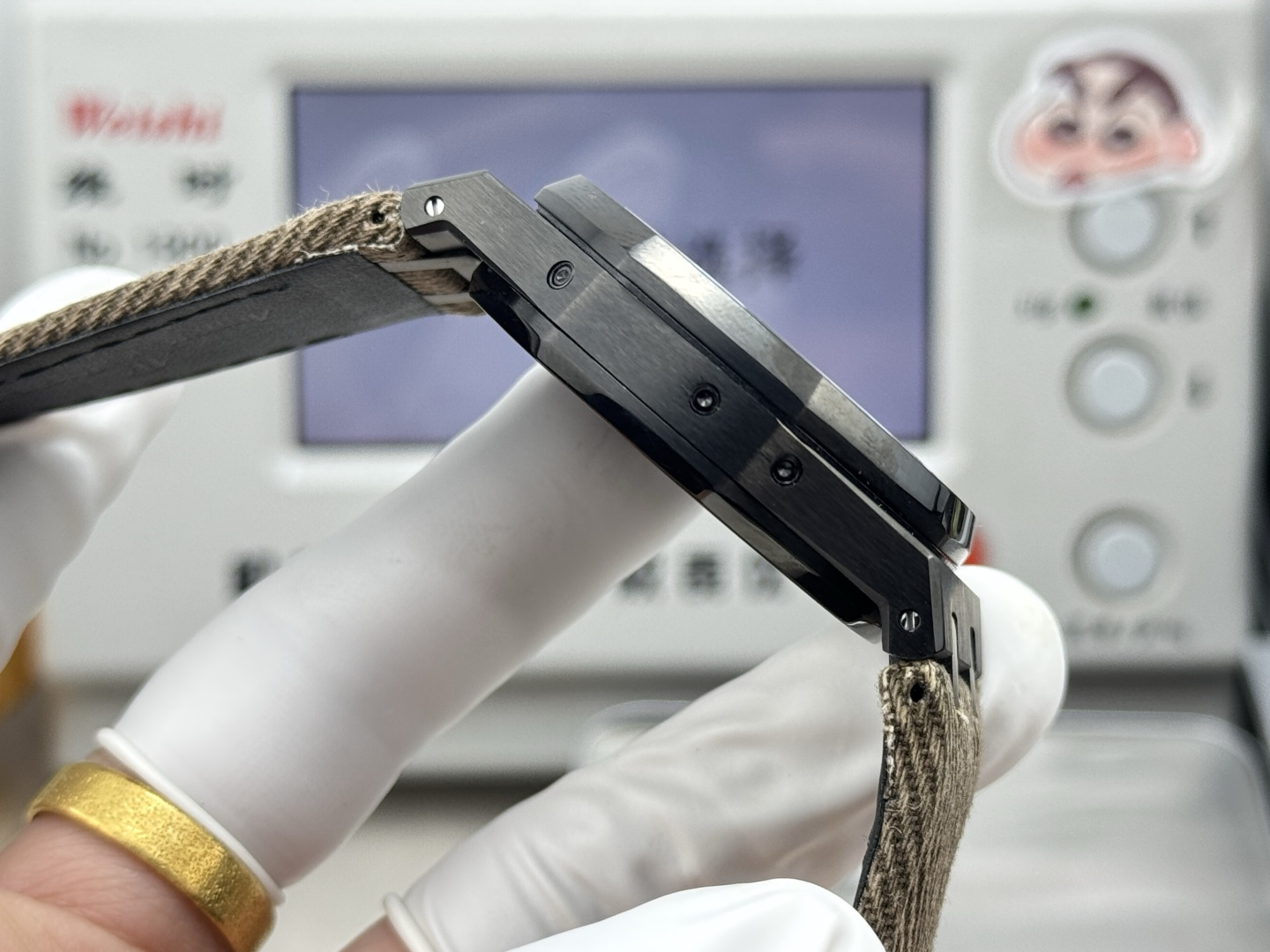
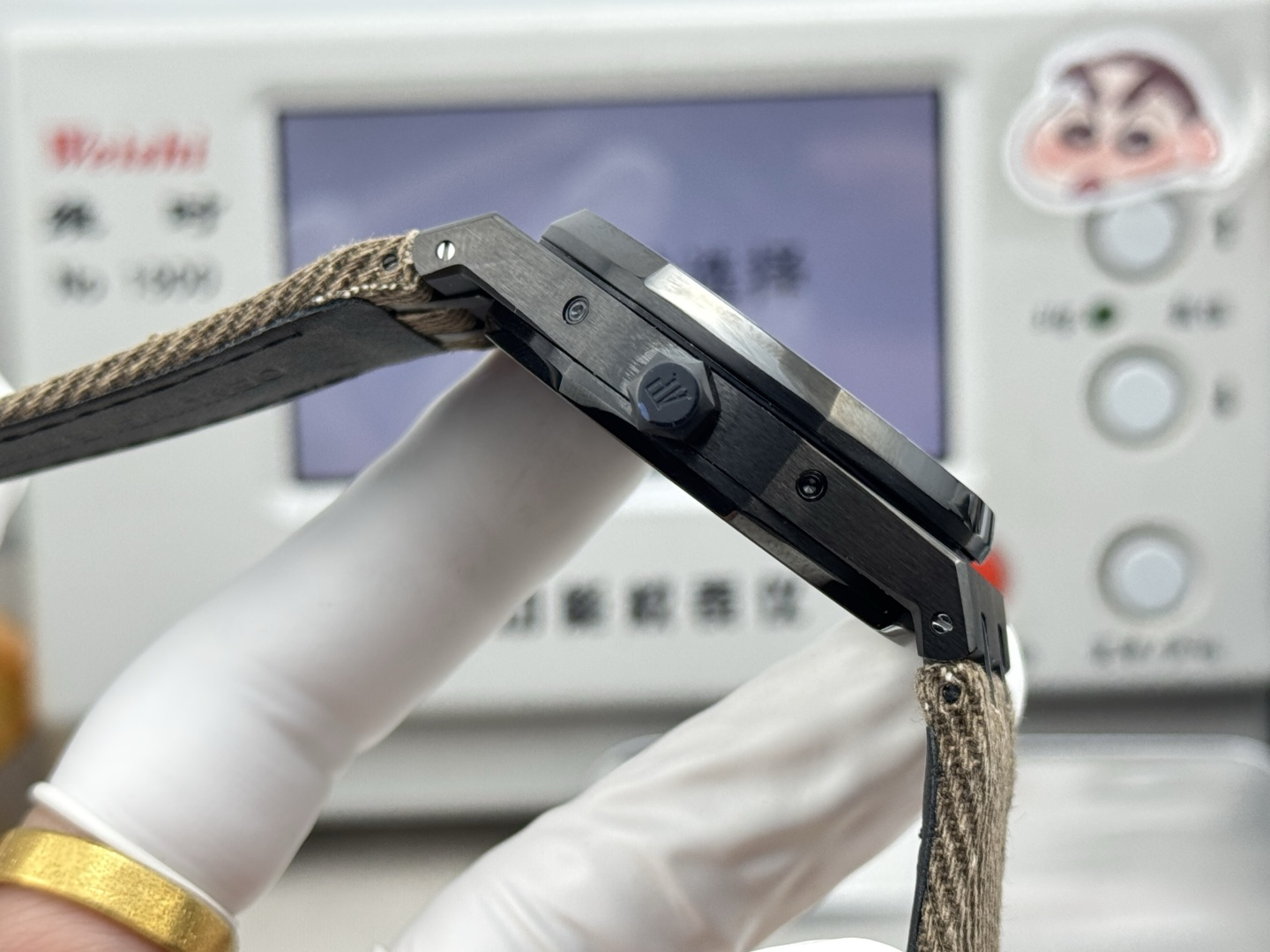
    Forty-three millimetres versus 44 millimetres sounds like a rounding error. On the wrist, it is not. The 26420’s genuine case was redesigned with revised lug geometry and a lug-to-lug measurement that sits more comfortably on a sub-7.5-inch wrist than its predecessor. The 15.6mm thickness figure quoted here is accurate to the genuine reference — the 26400 ran thicker due to its older movement stack — so if the case tooling is genuinely new, the ergonomics should reflect the actual 26420 wearing experience rather than the brick-on-wrist feel of the old platform.

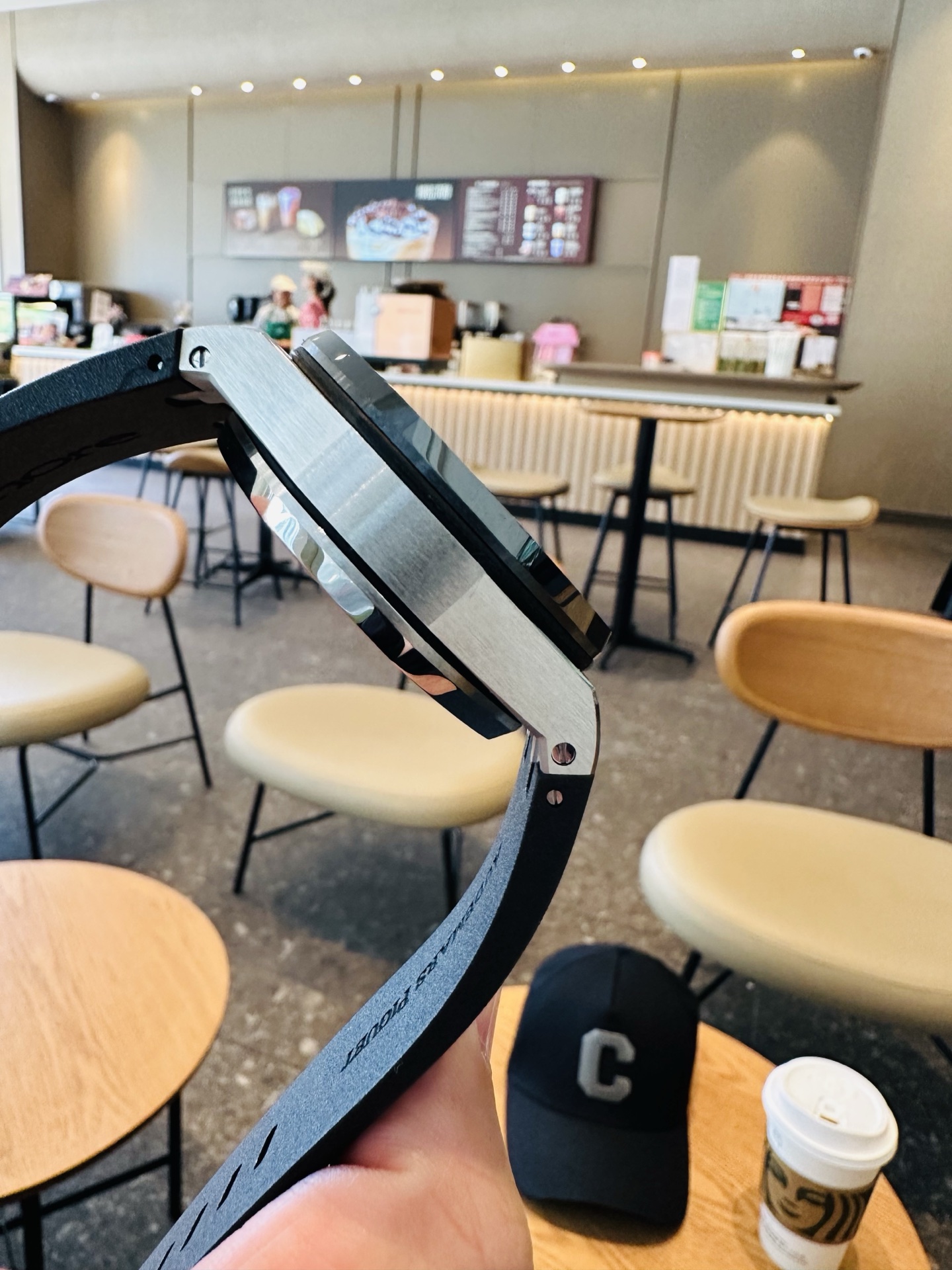
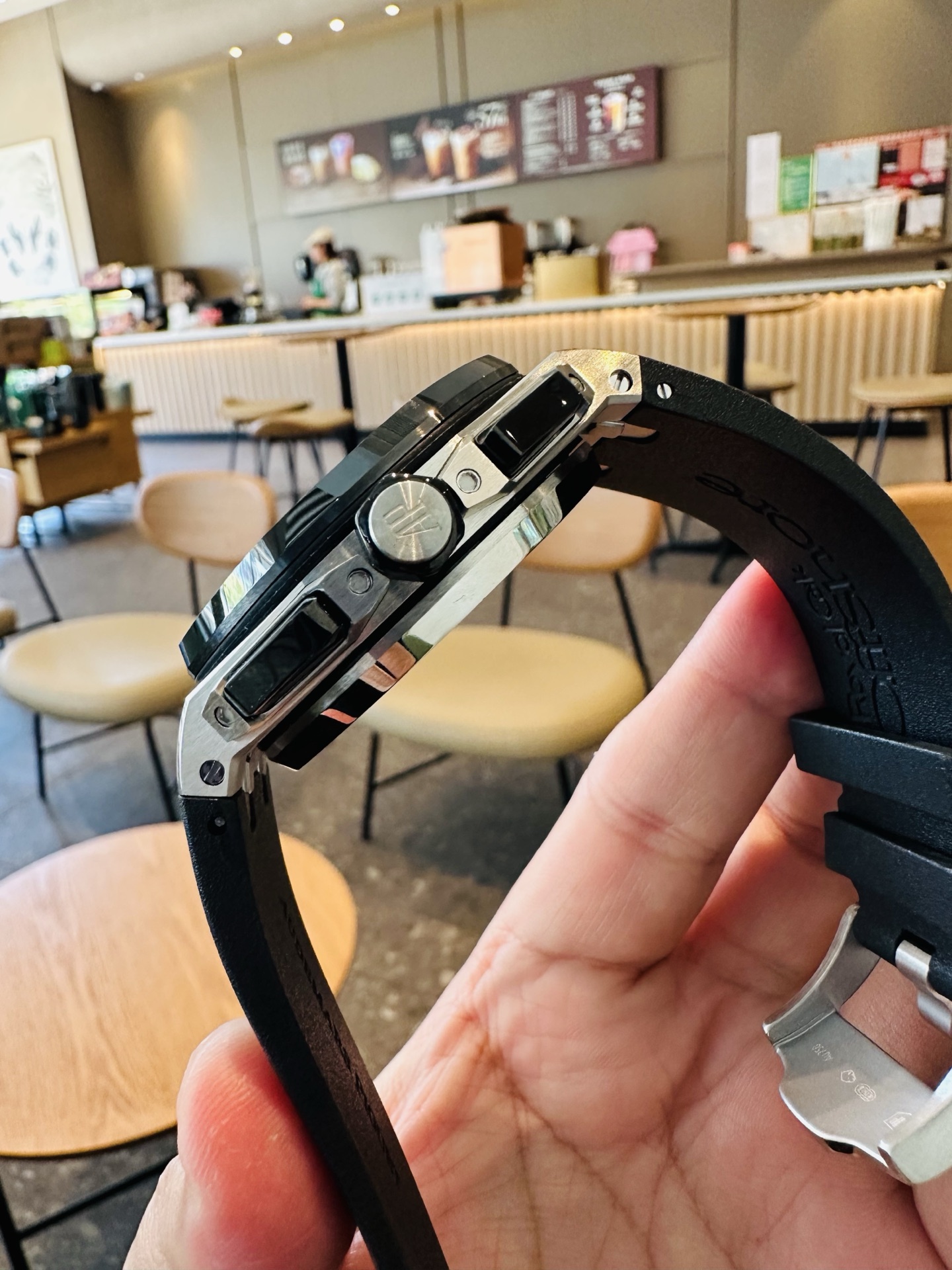
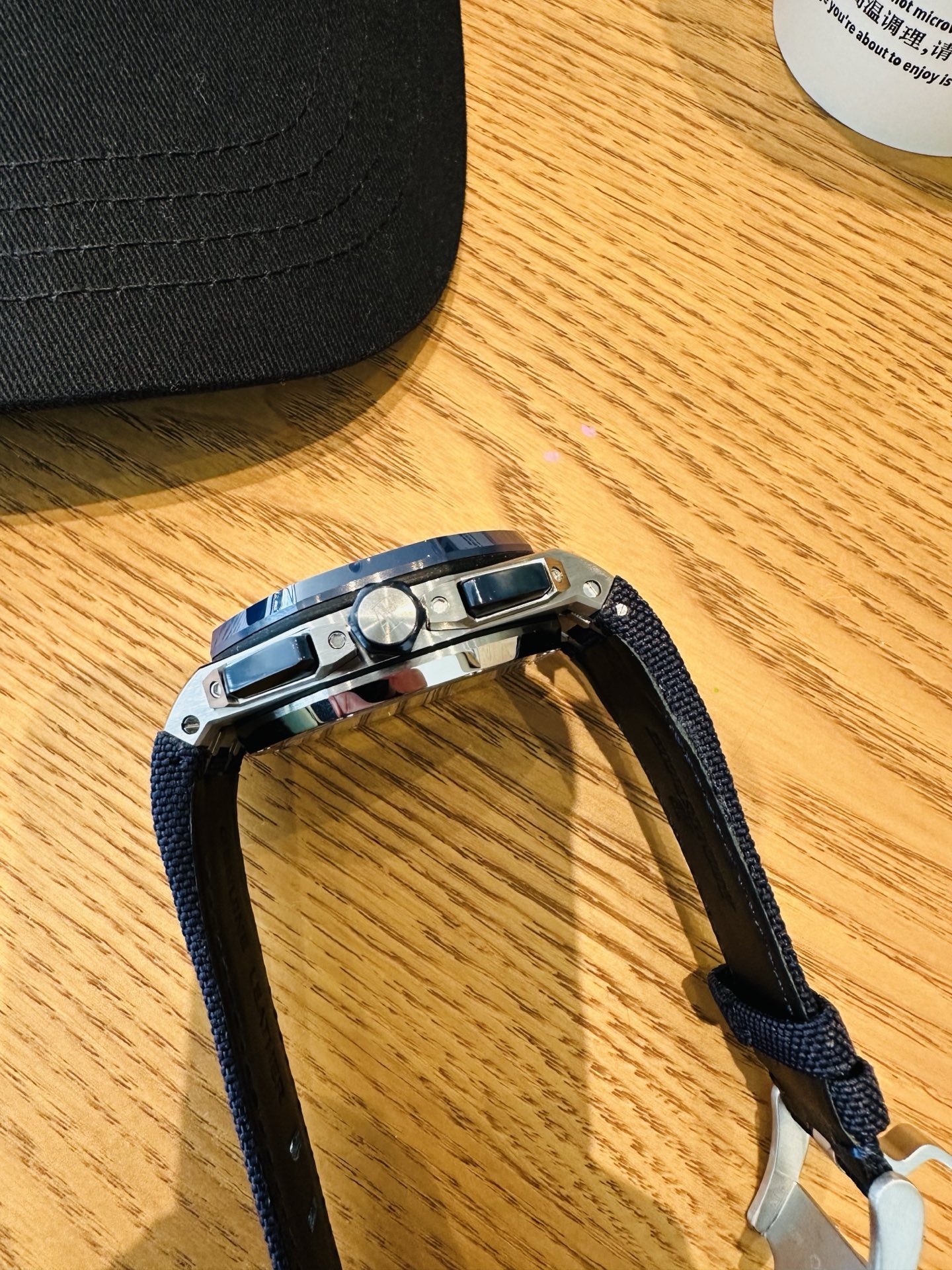
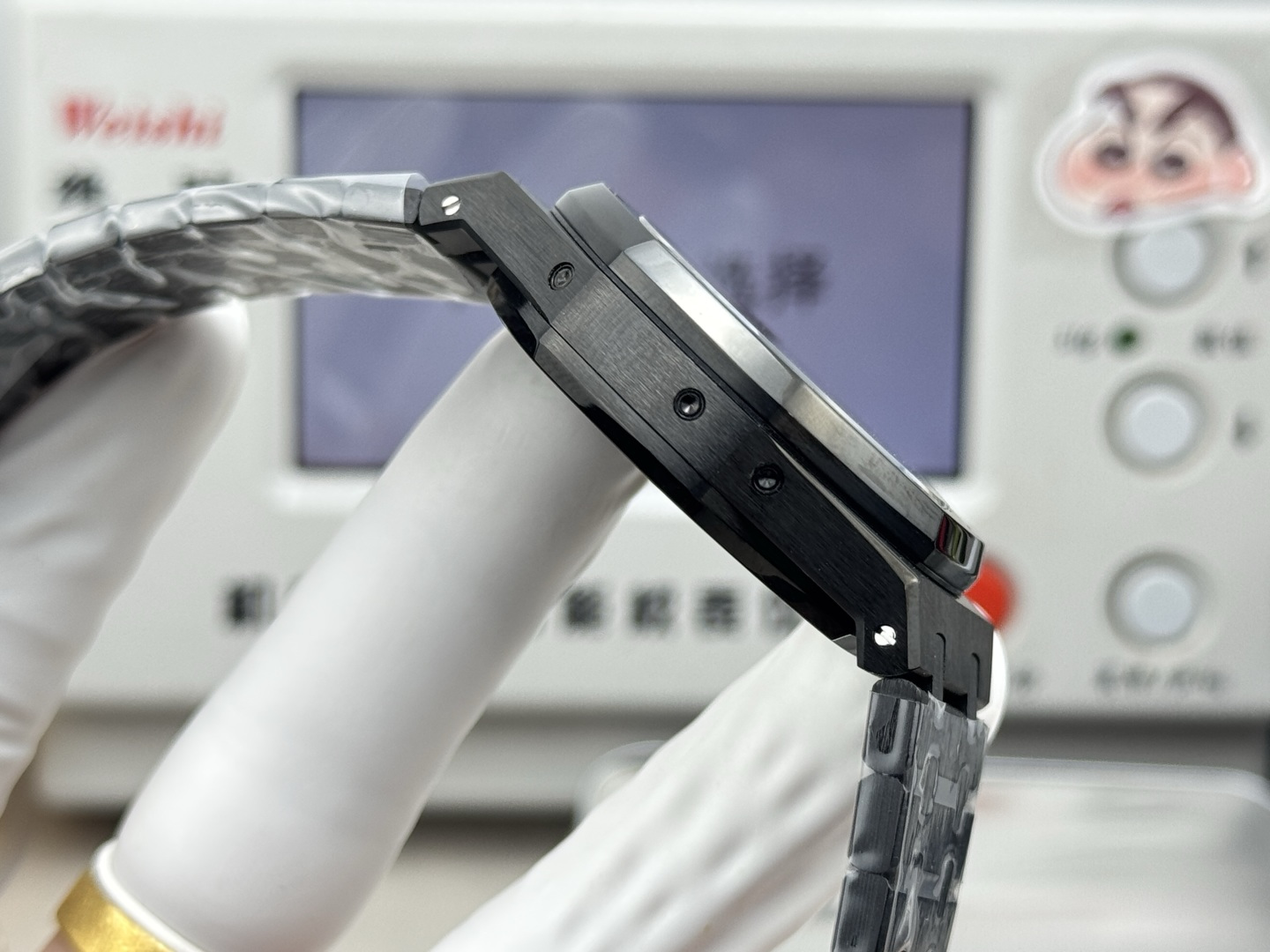
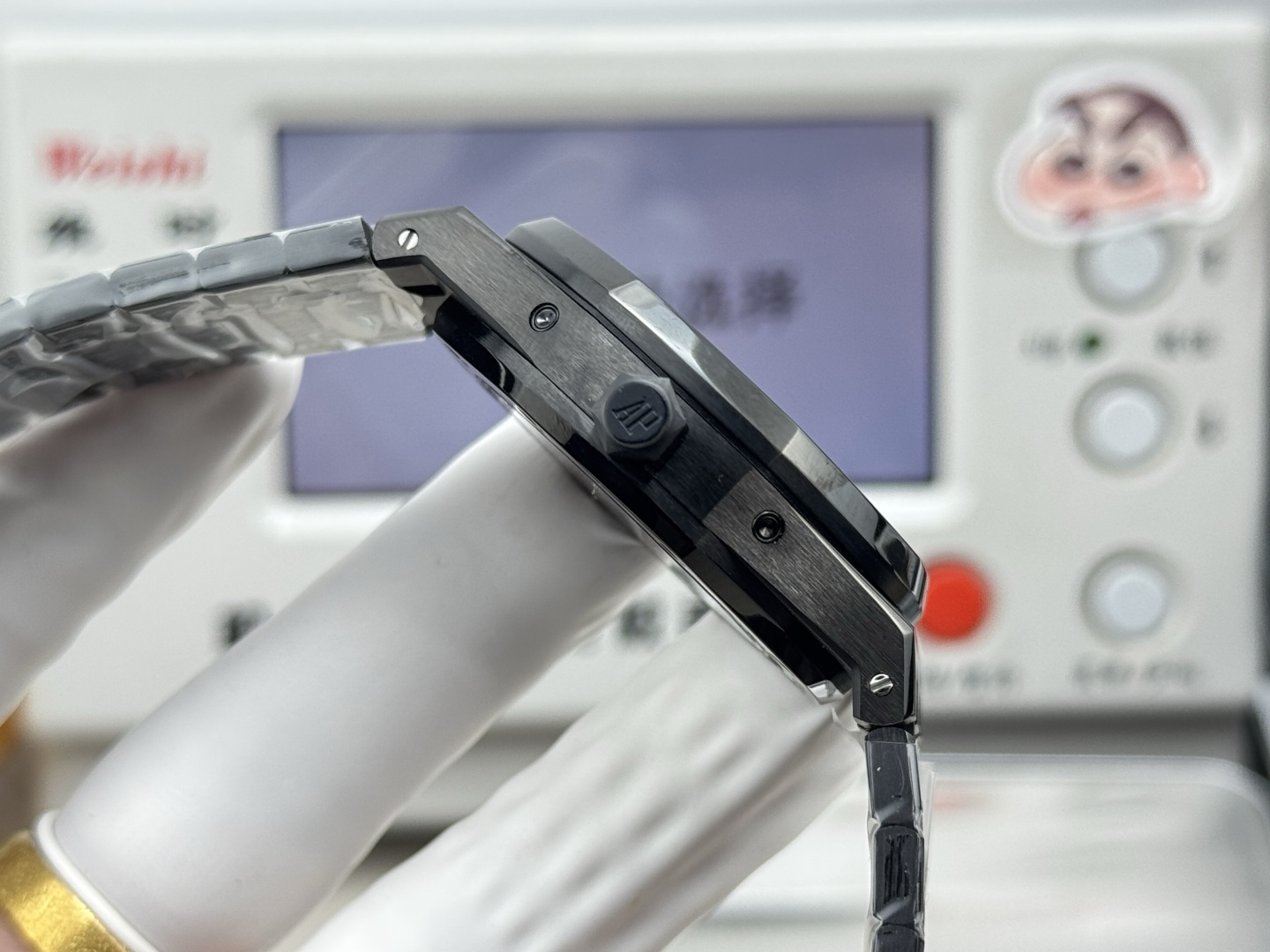
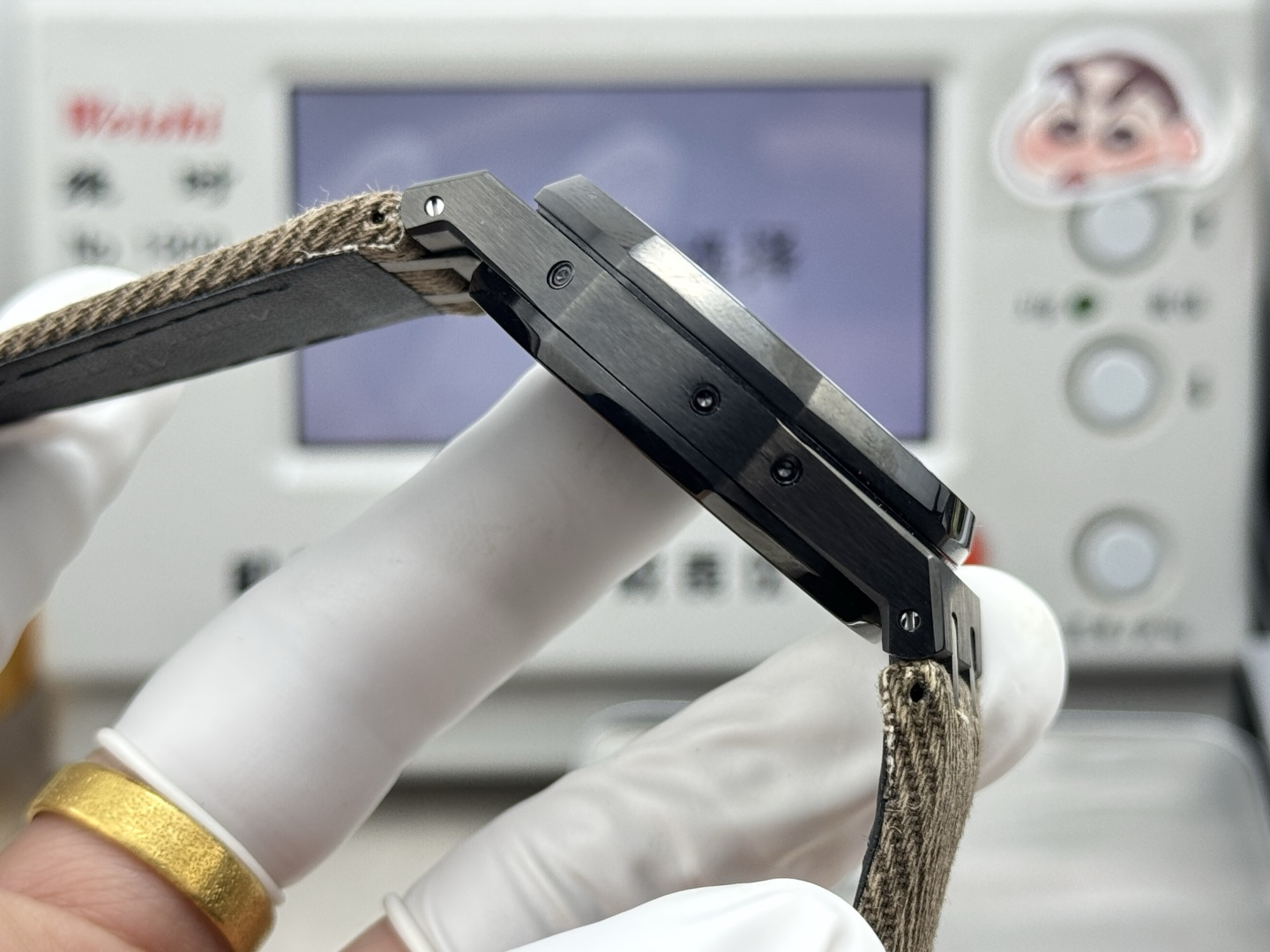
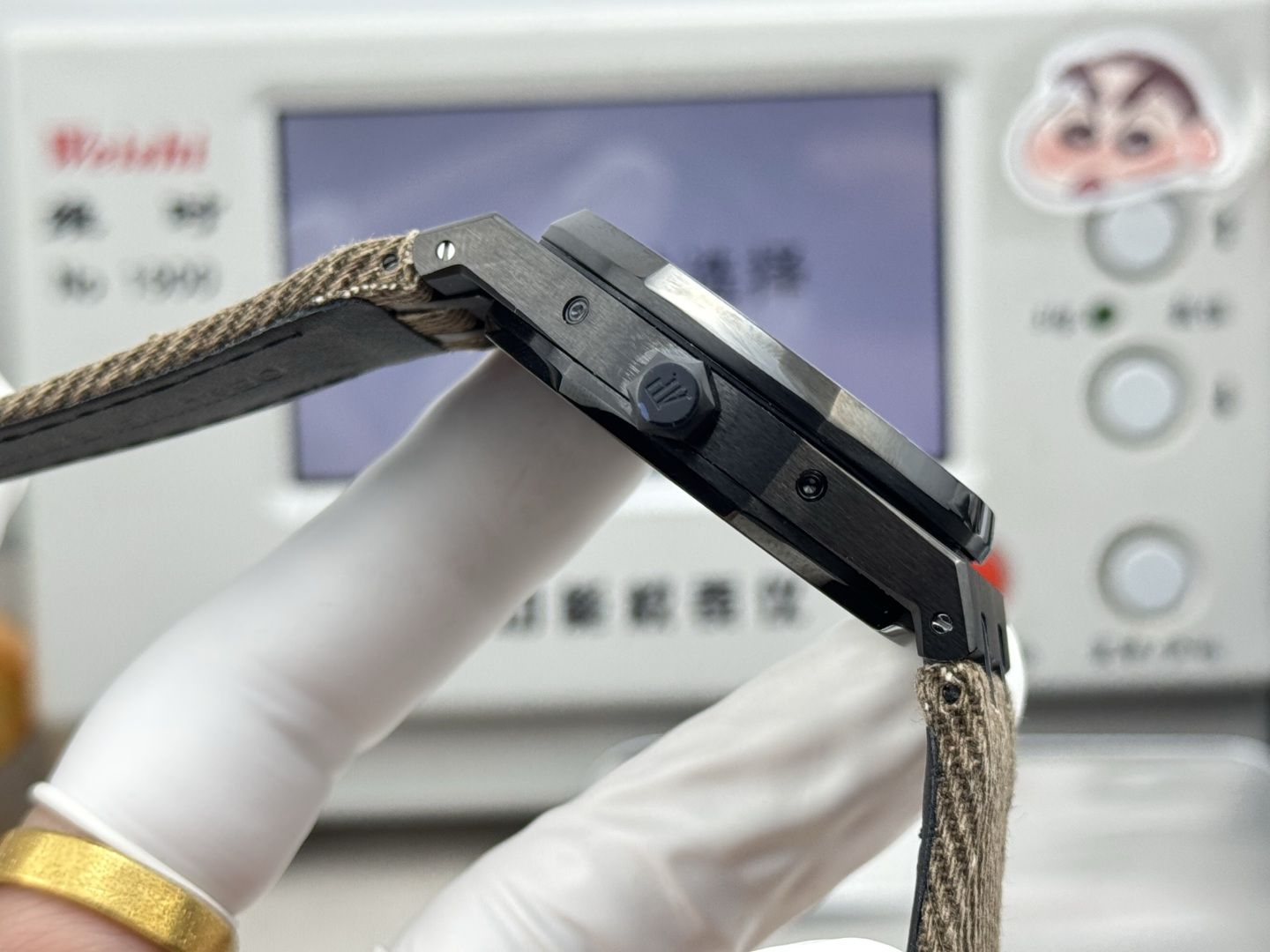
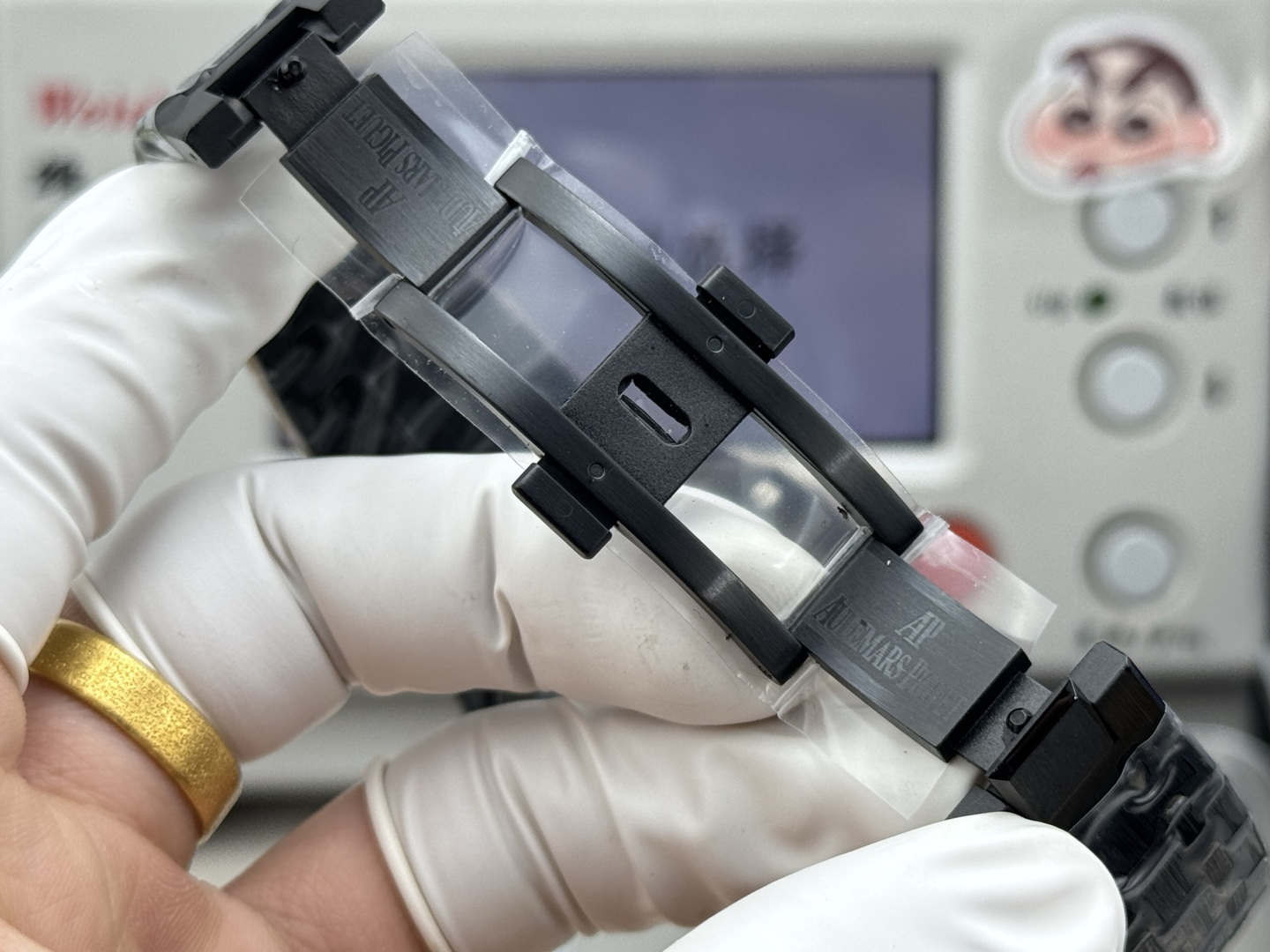
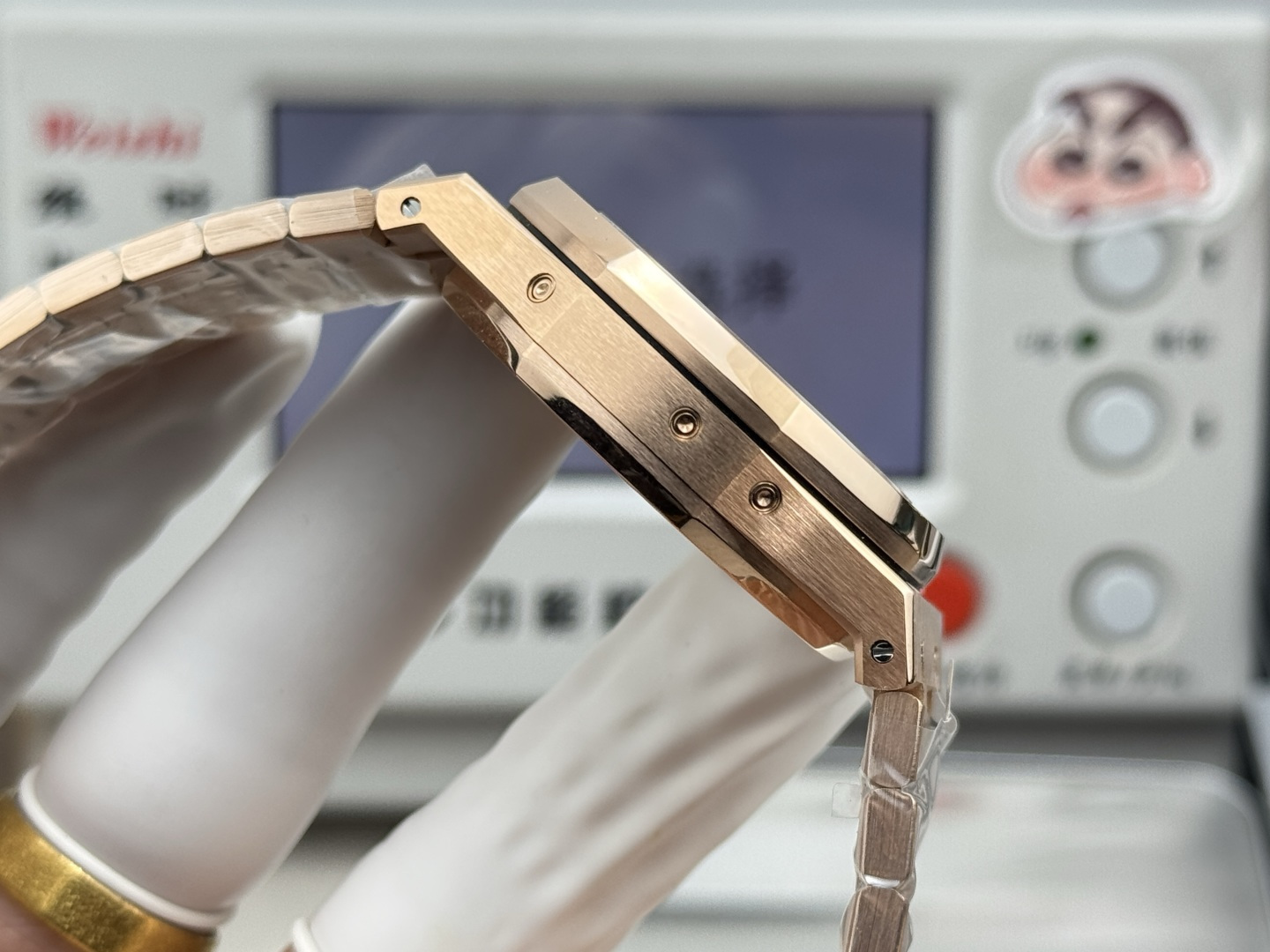
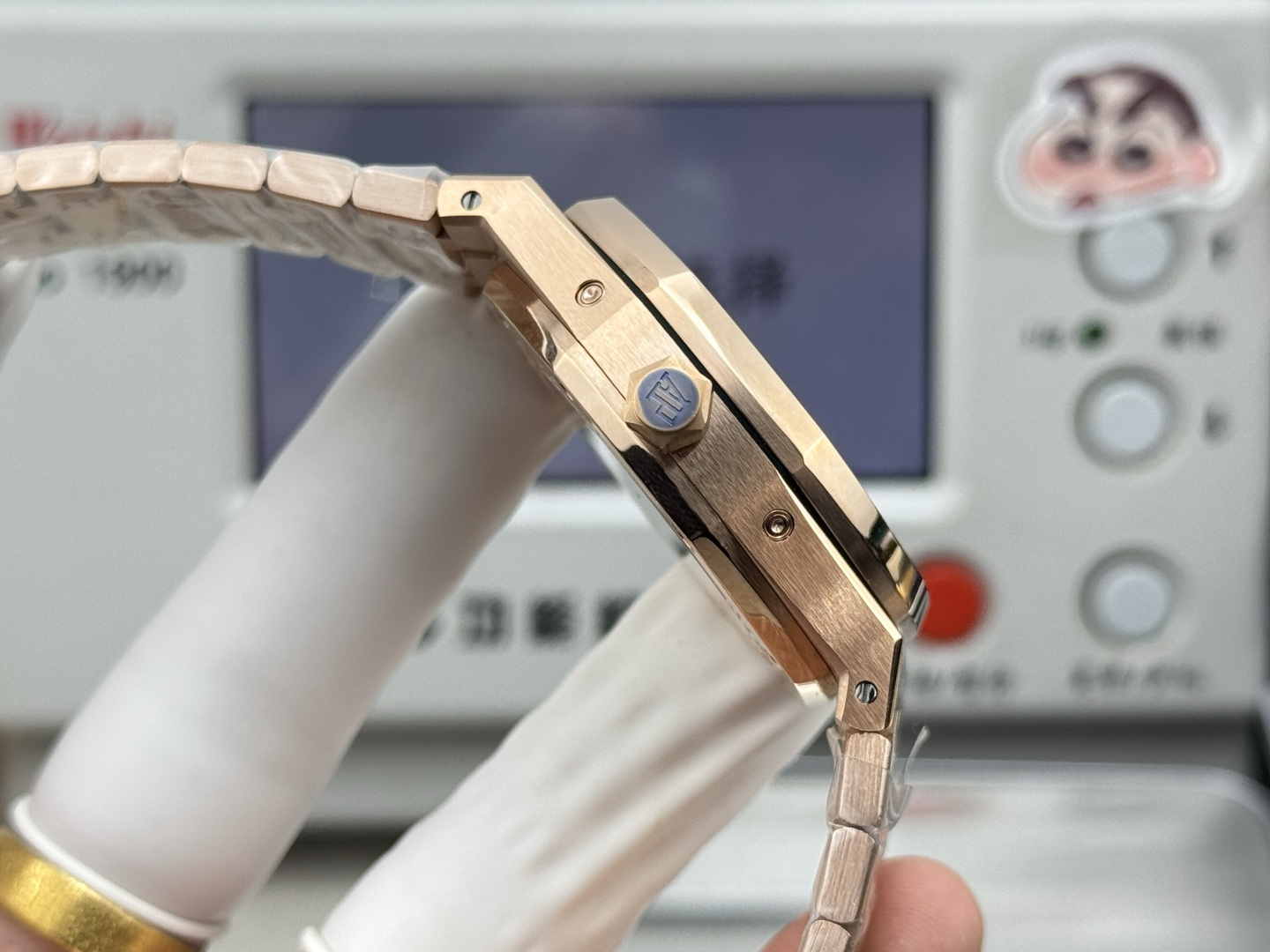
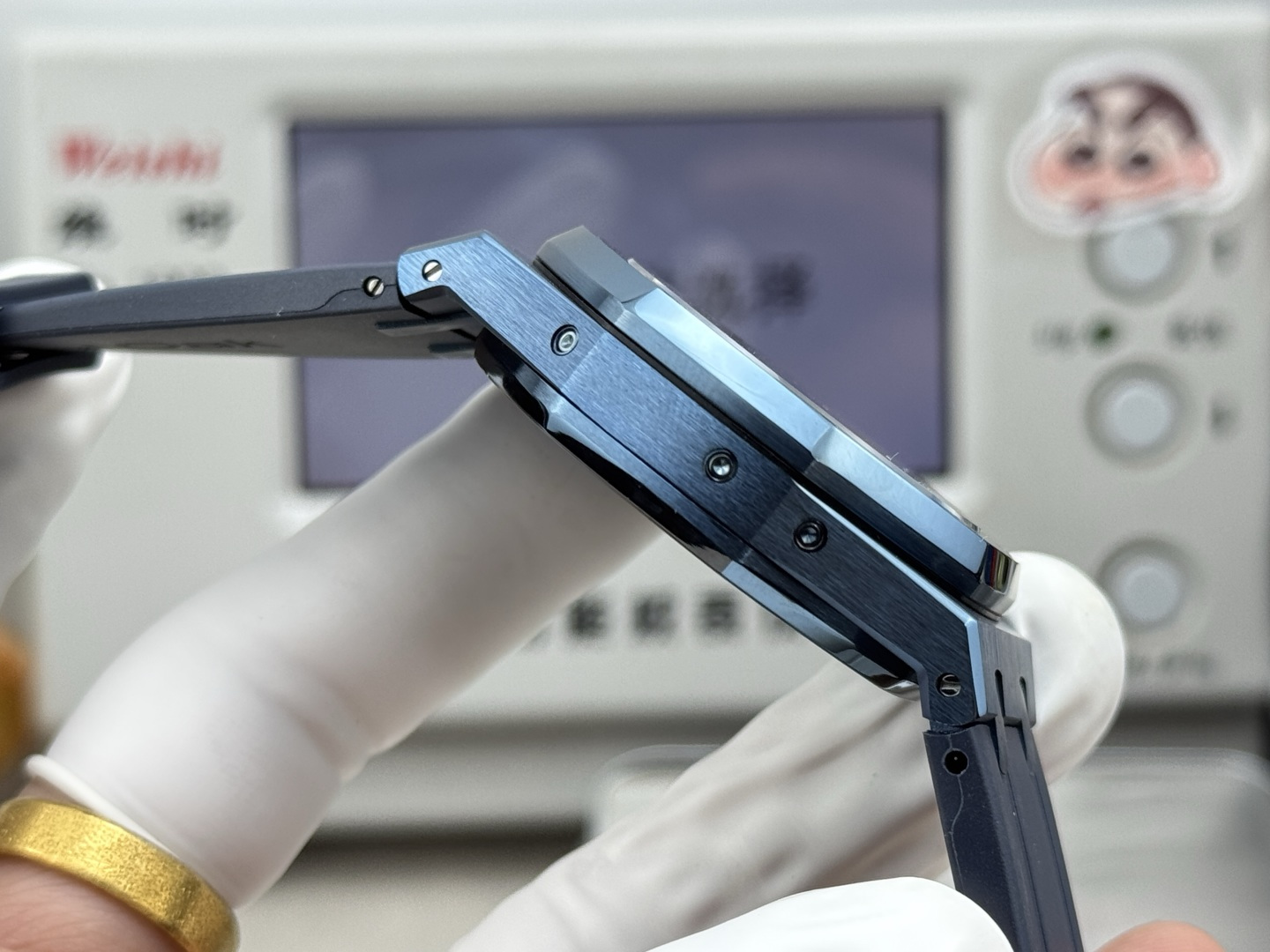
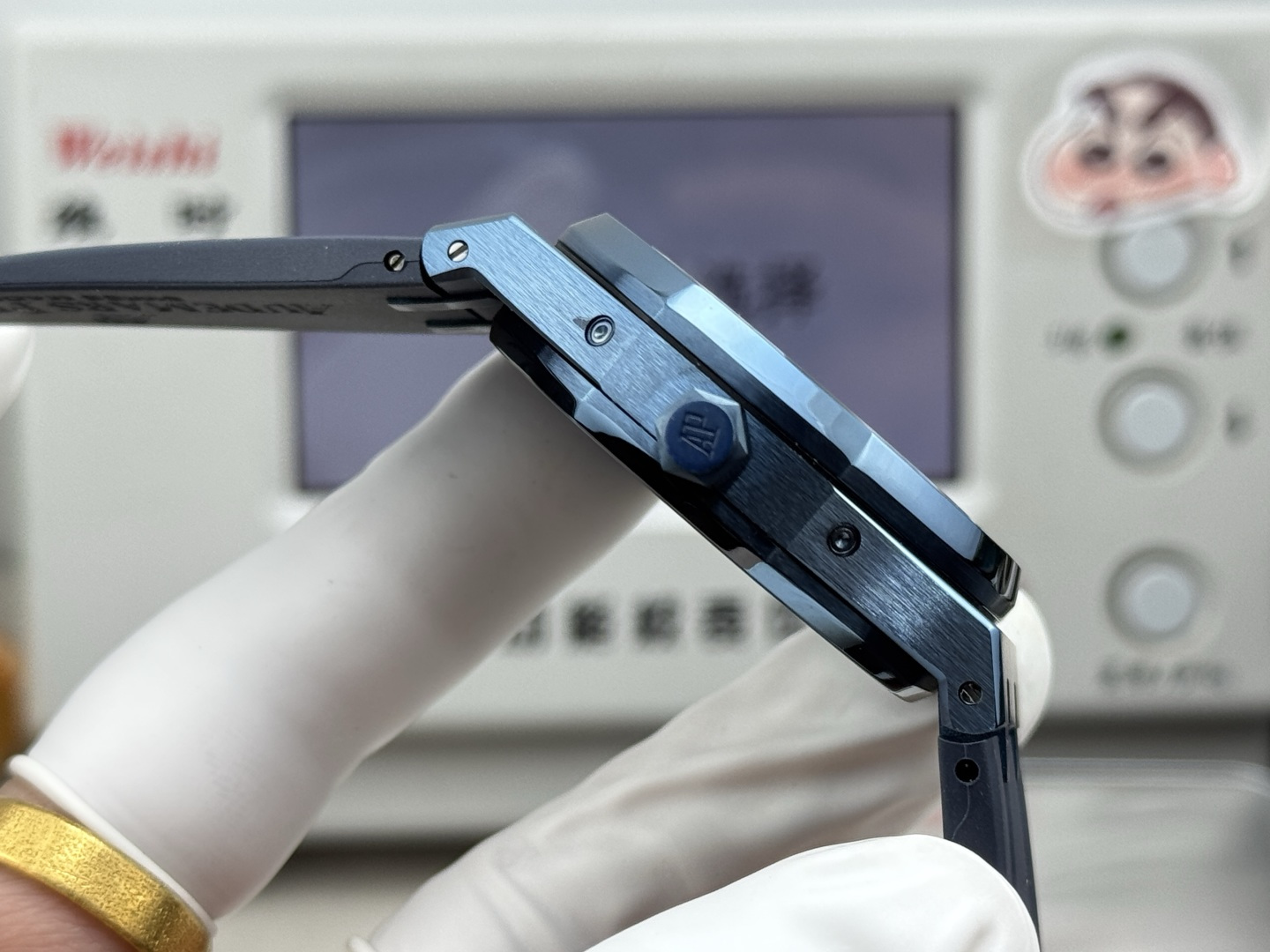
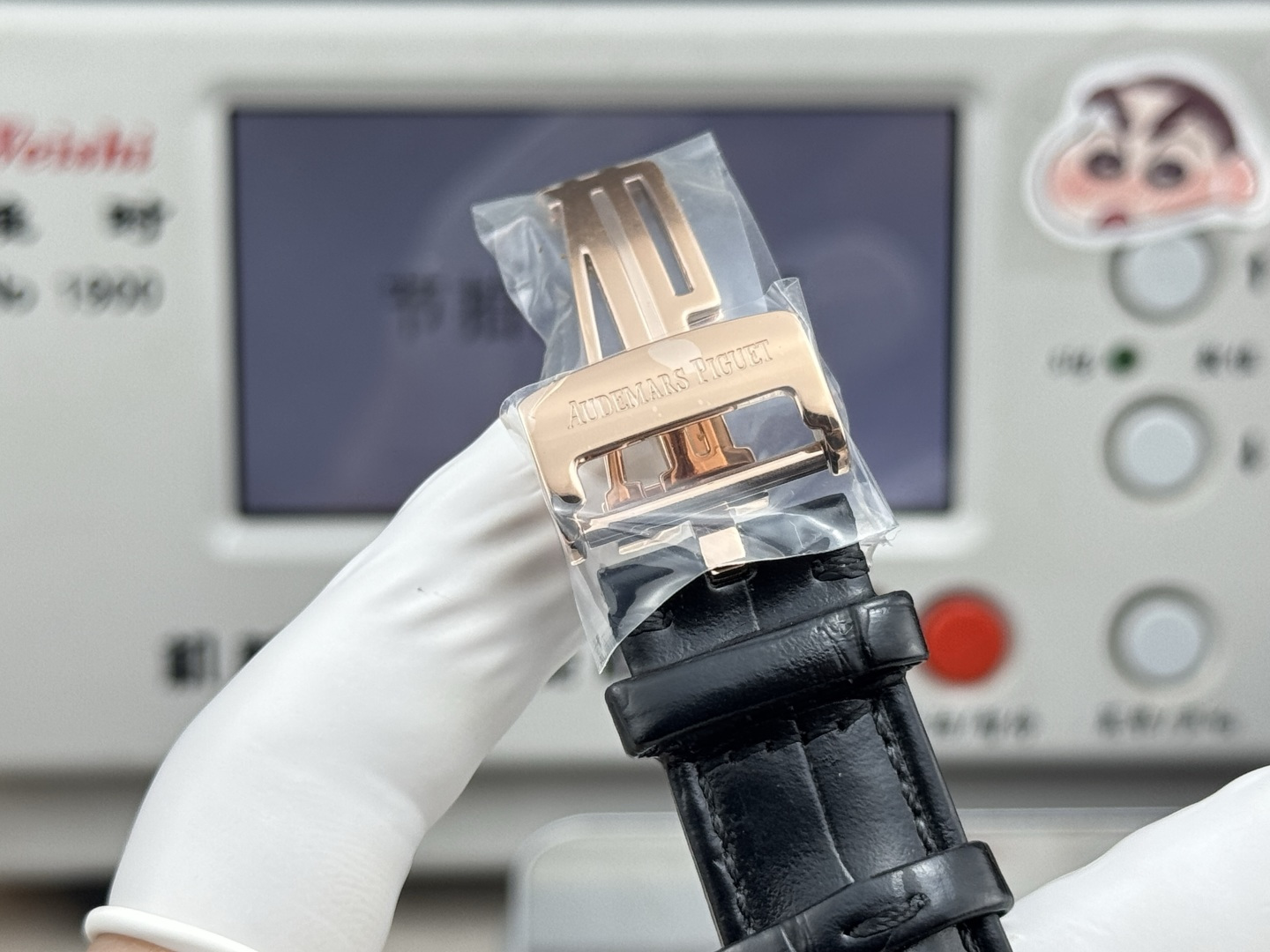
    The polished chamfering (anglage) specification is called out explicitly, noting larger polished bevels on the case flanks. This is accurate to the genuine article. AP’s in-house chamfering on the 26420 is more pronounced than on earlier Offshore iterations, and it’s the kind of detail that catches light dramatically in person. On a replica, achieving this requires either hand-finishing or very precise CNC work followed by polishing — neither is trivial. The mention of 316L steel over the market-standard 306-grade material is a meaningful quality claim: 316L has better corrosion resistance and takes a higher polish, which matters for the alternating satin-brushed and mirror-polished surface architecture of the Offshore case.

    The Korean-imported ceramic bezel is a standard high-grade approach for this price tier. Genuine AP uses a ceramic bezel insert on several 26420 variants, and the hardness differential between ceramic and steel means scratch resistance is genuinely improved over a plated or coated alternative. The sapphire crystal with AR coating is table stakes at this level — what matters is the bloom colour of the AR coating under fluorescent light. Genuine AP uses a specific blue-green bloom. Most factories produce a more aggressive purple bloom. It’s a detail that screams “replica” in direct light comparison.

    Mechanical Execution: The Dandong 7750 Conversion

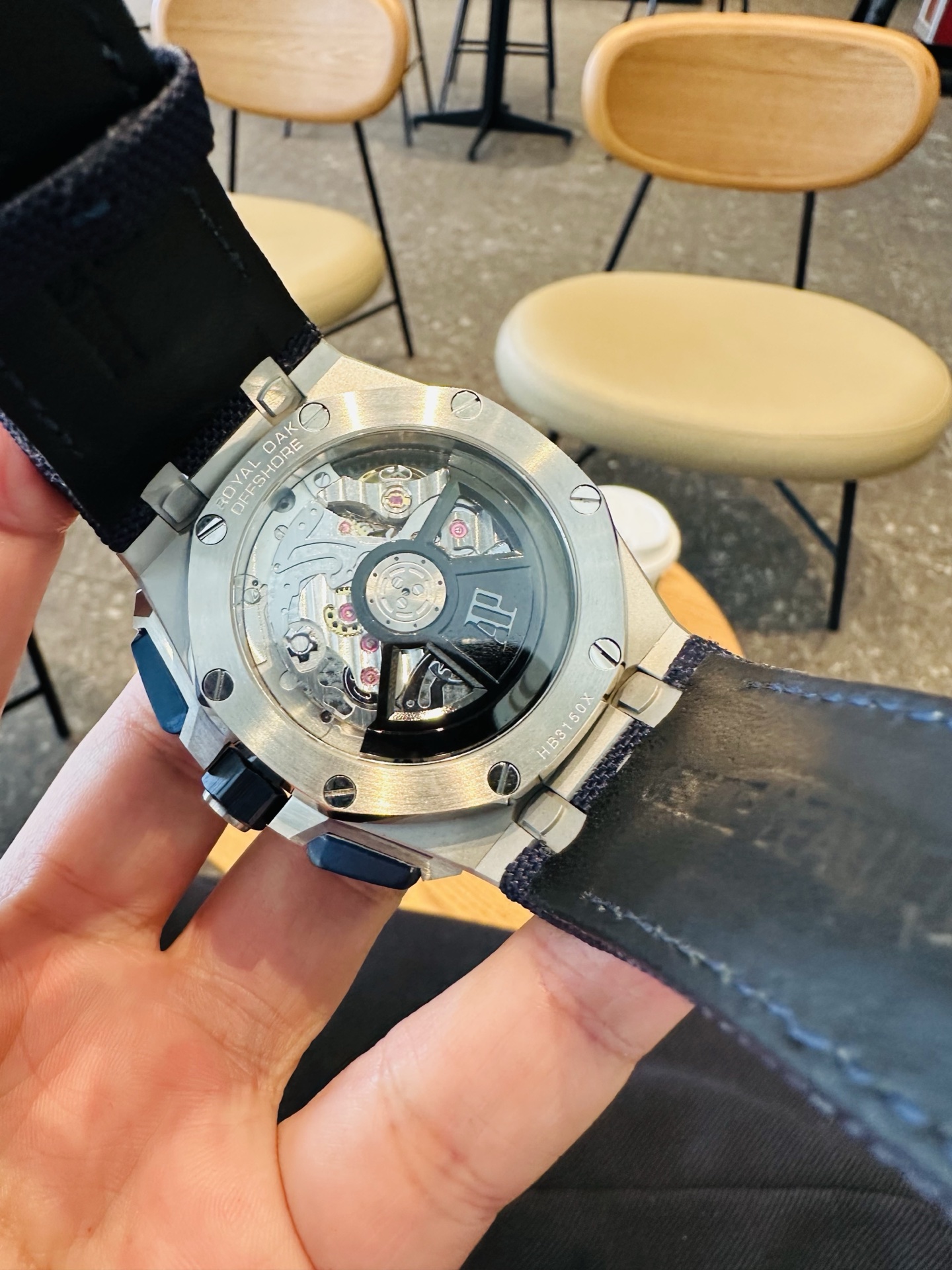
    Here is where the spec sheet demands the most scrutiny — and gets the most credit for honesty. LS Factory is not claiming an in-house movement. They are openly declaring a Dandong ETA 7750 base caliber, modified to present as a large-plate (grande platine) architecture mimicking the Calibre 4401’s visual aesthetic. The 6 o’clock small seconds subdial is retained from the 7750’s native layout, which is correct for the 4401 configuration. This is a legitimate approach.

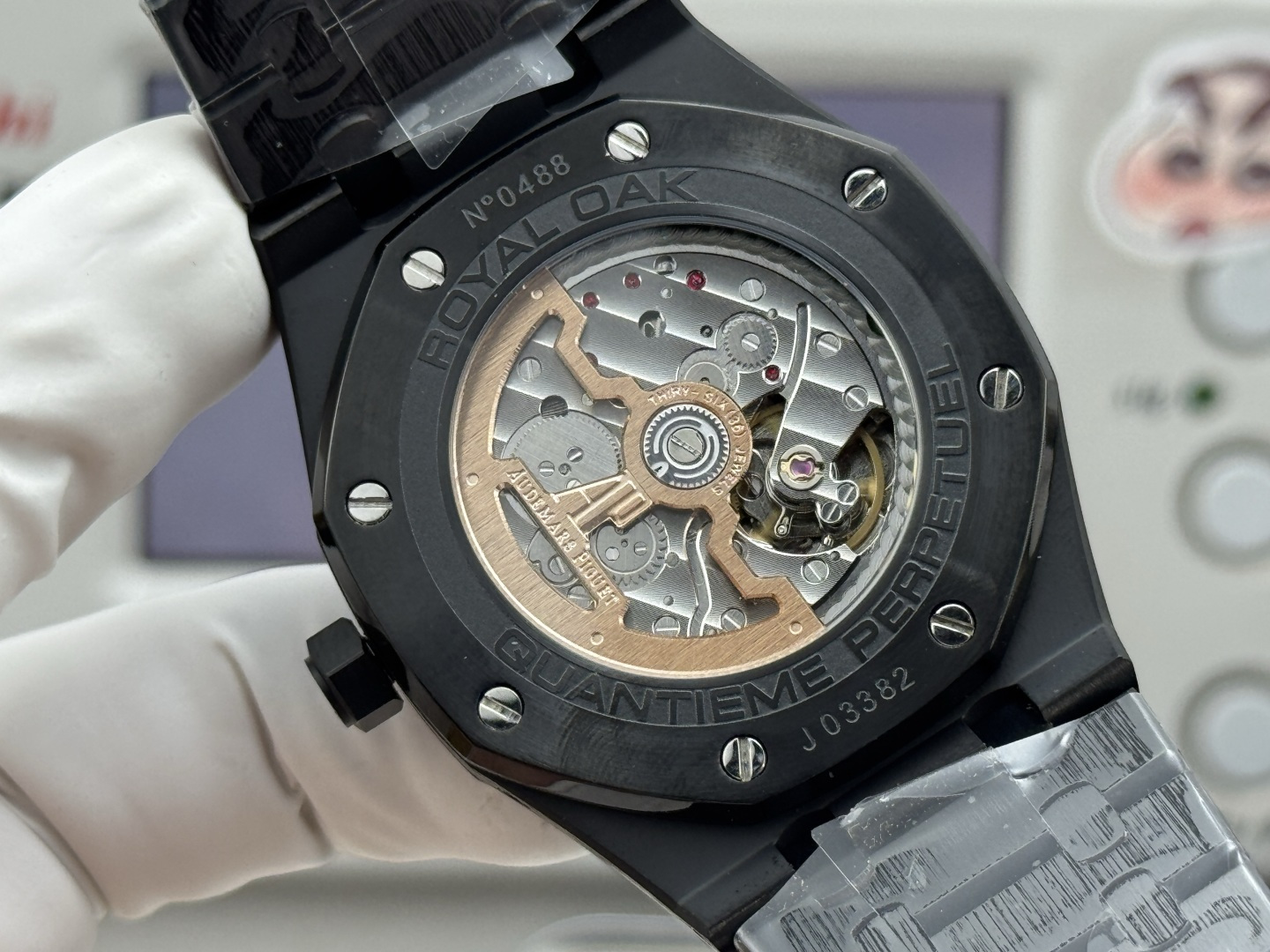
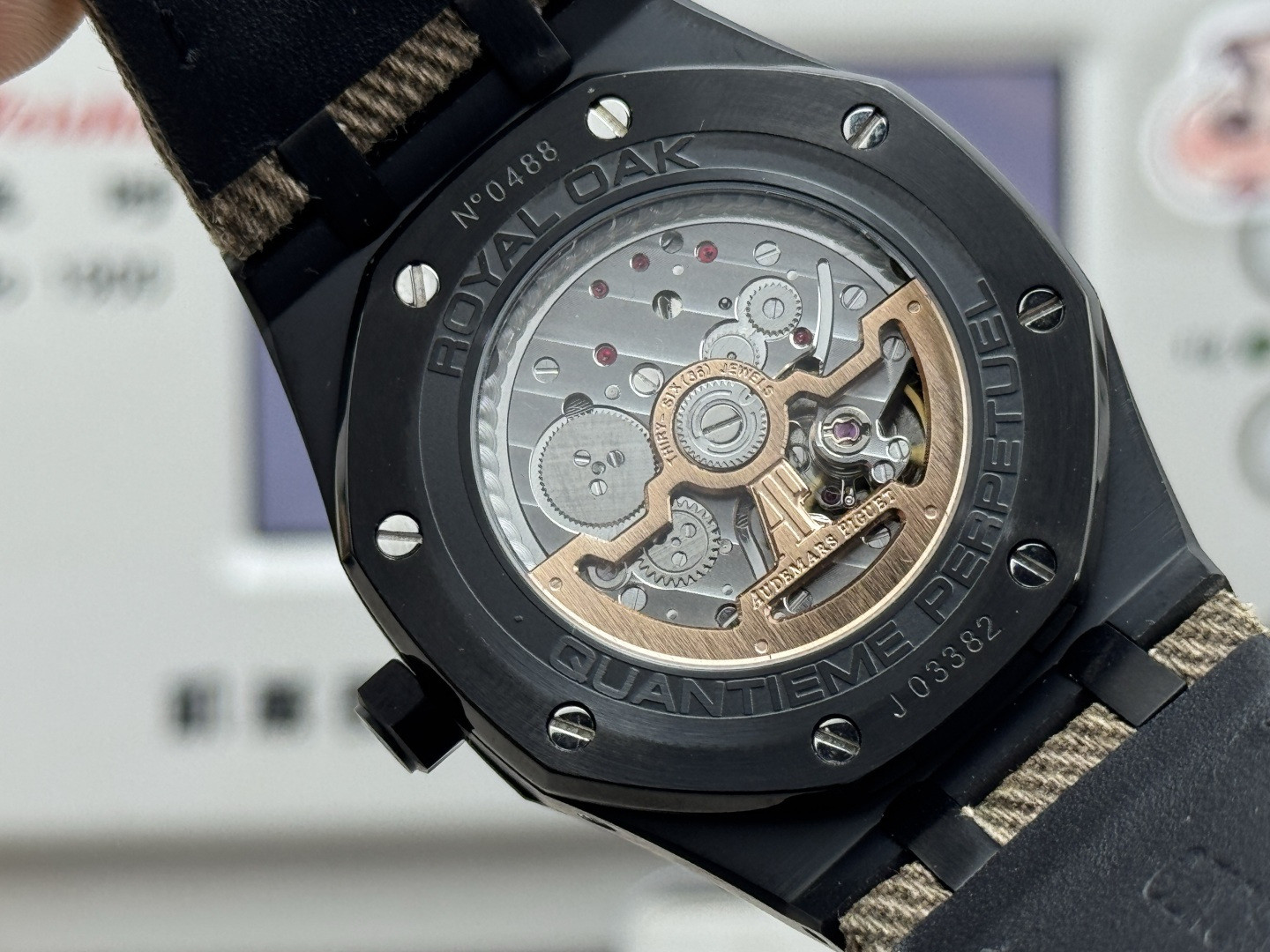
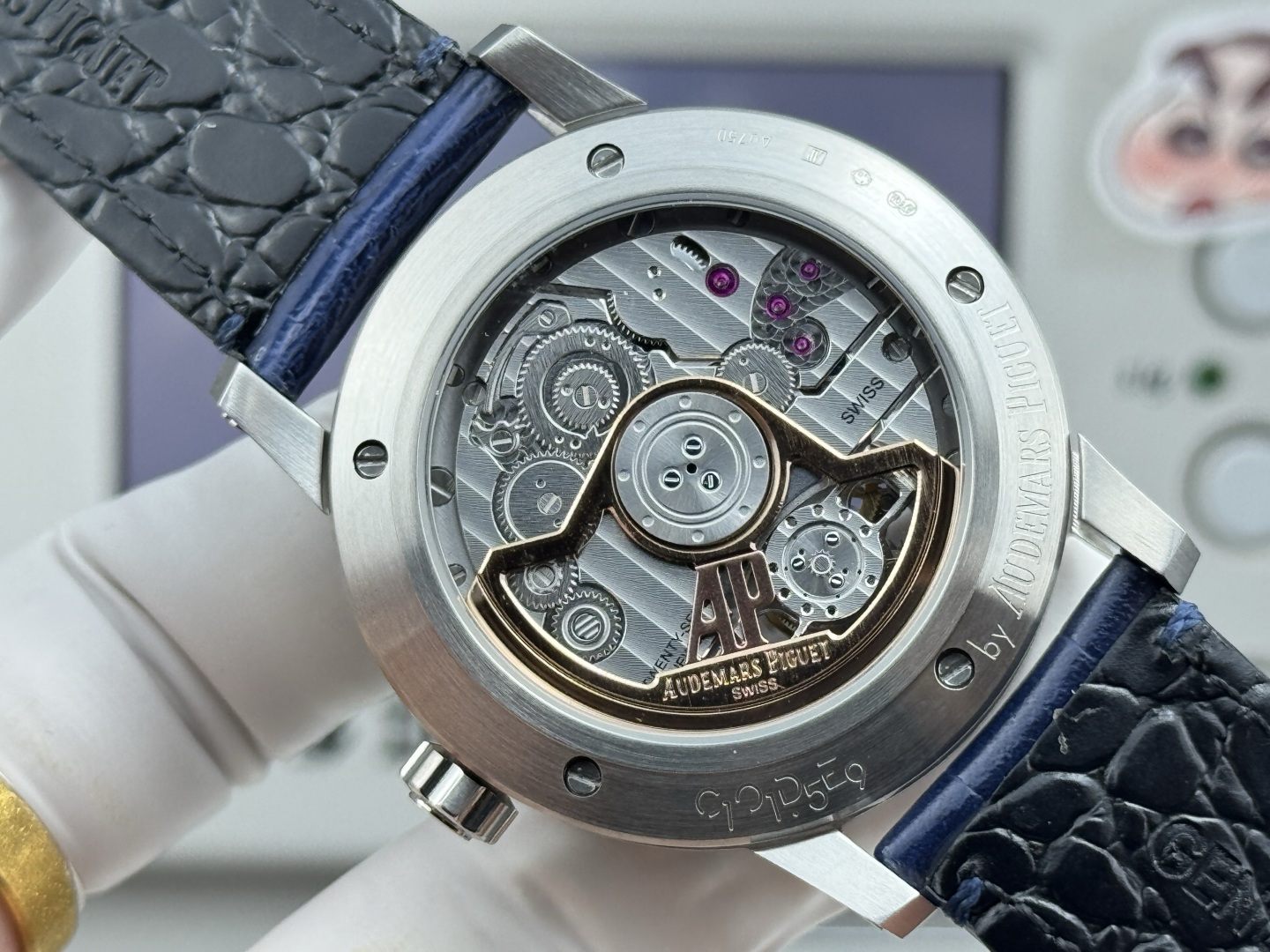
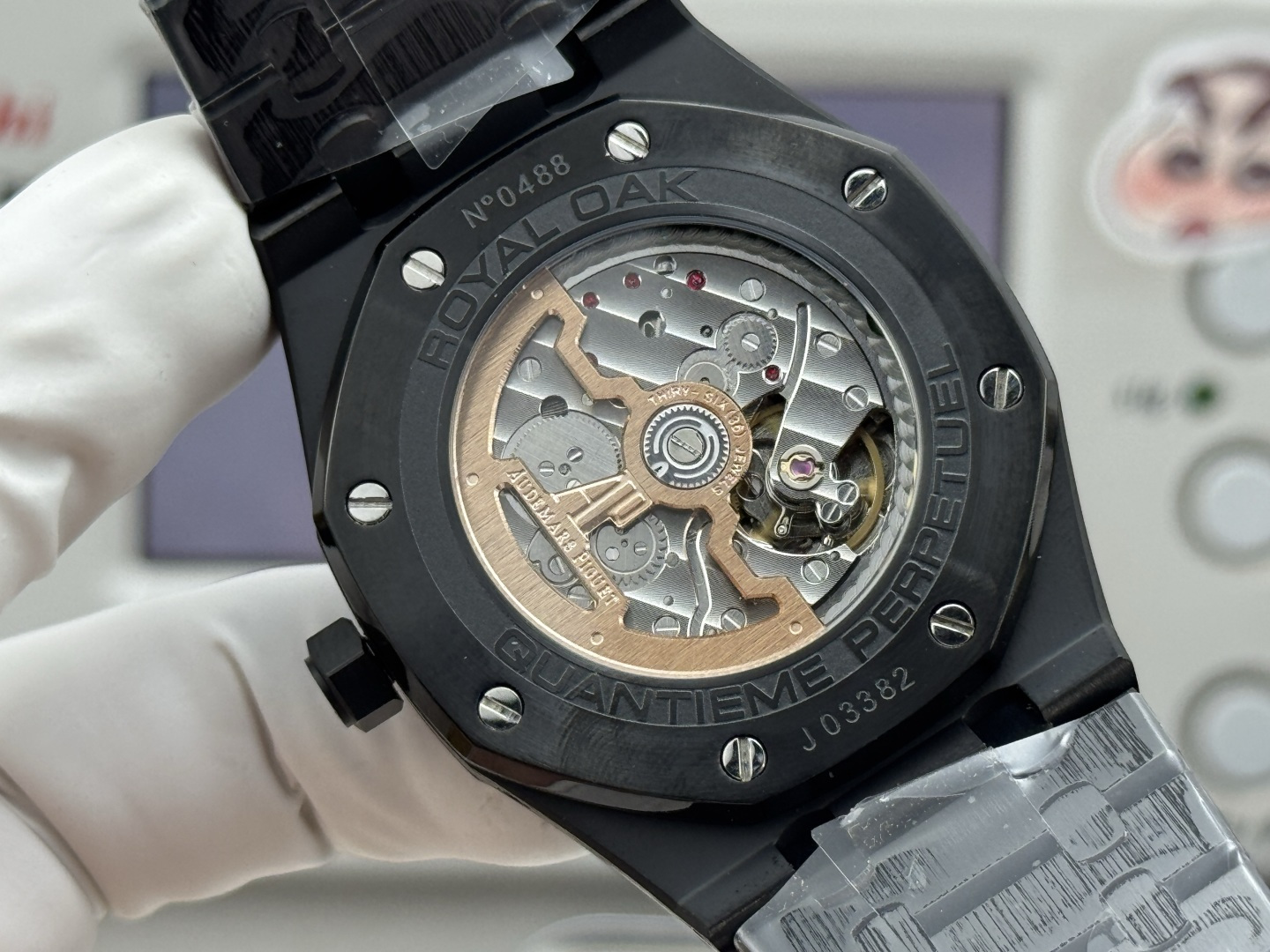
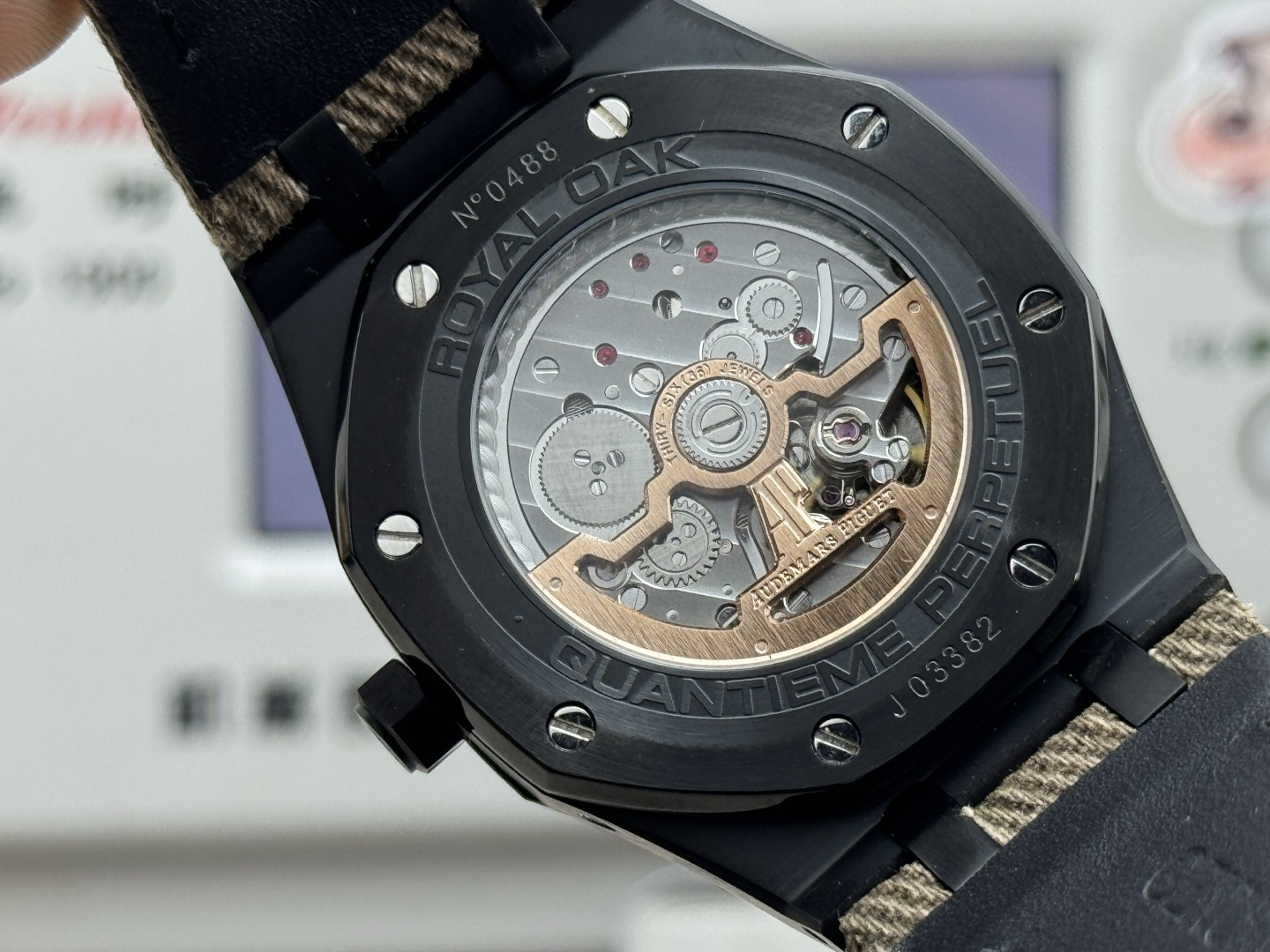
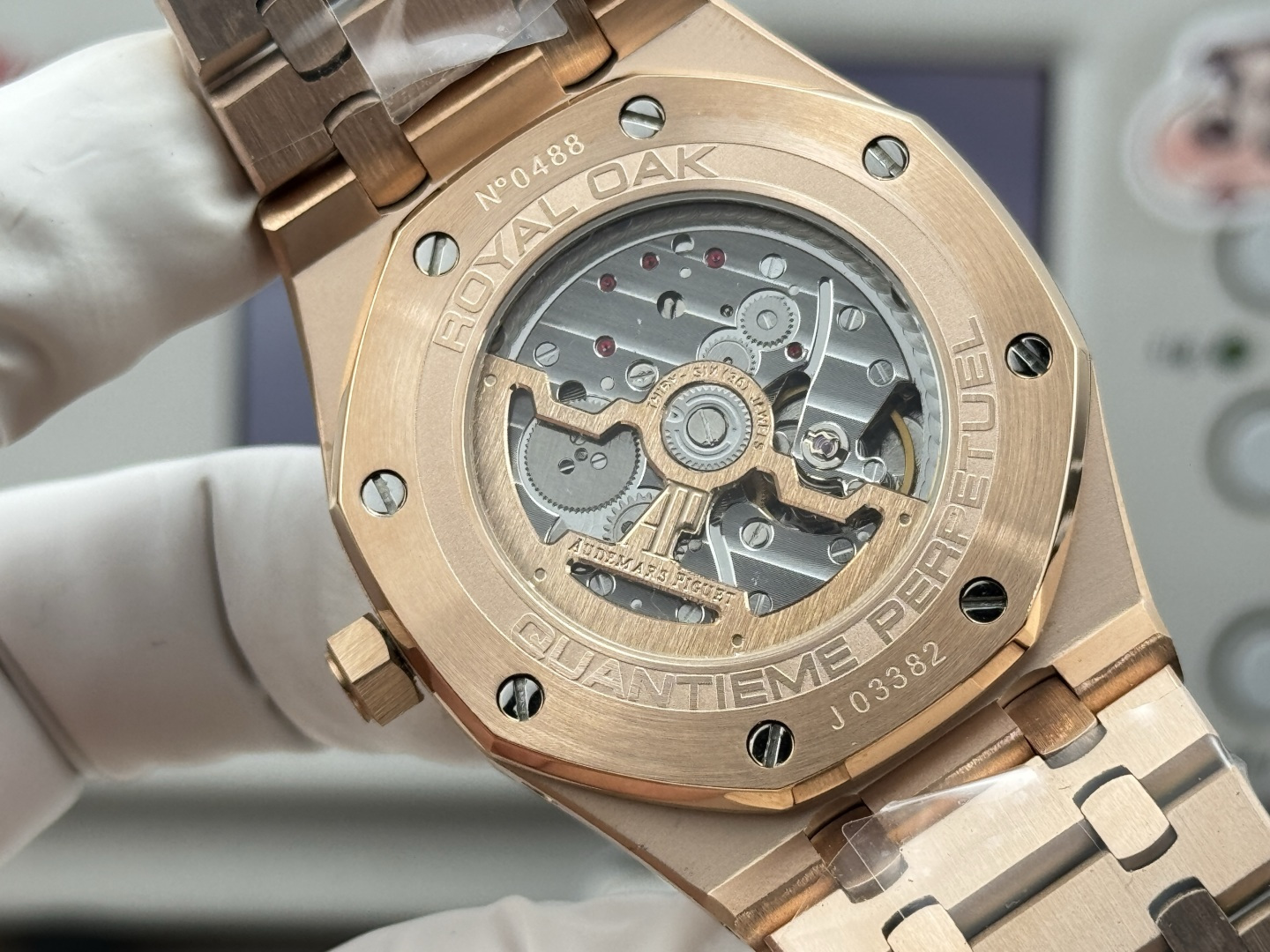
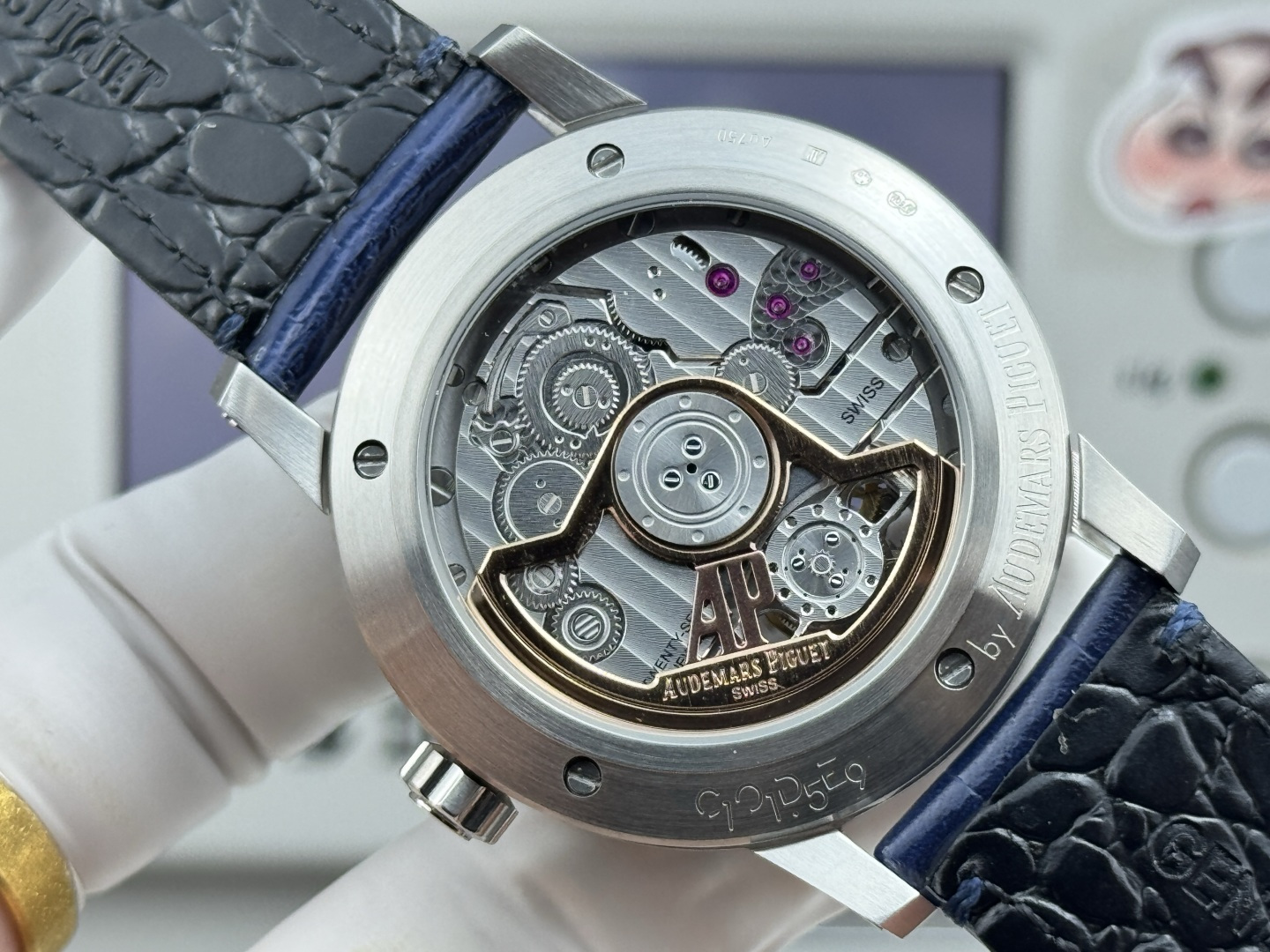
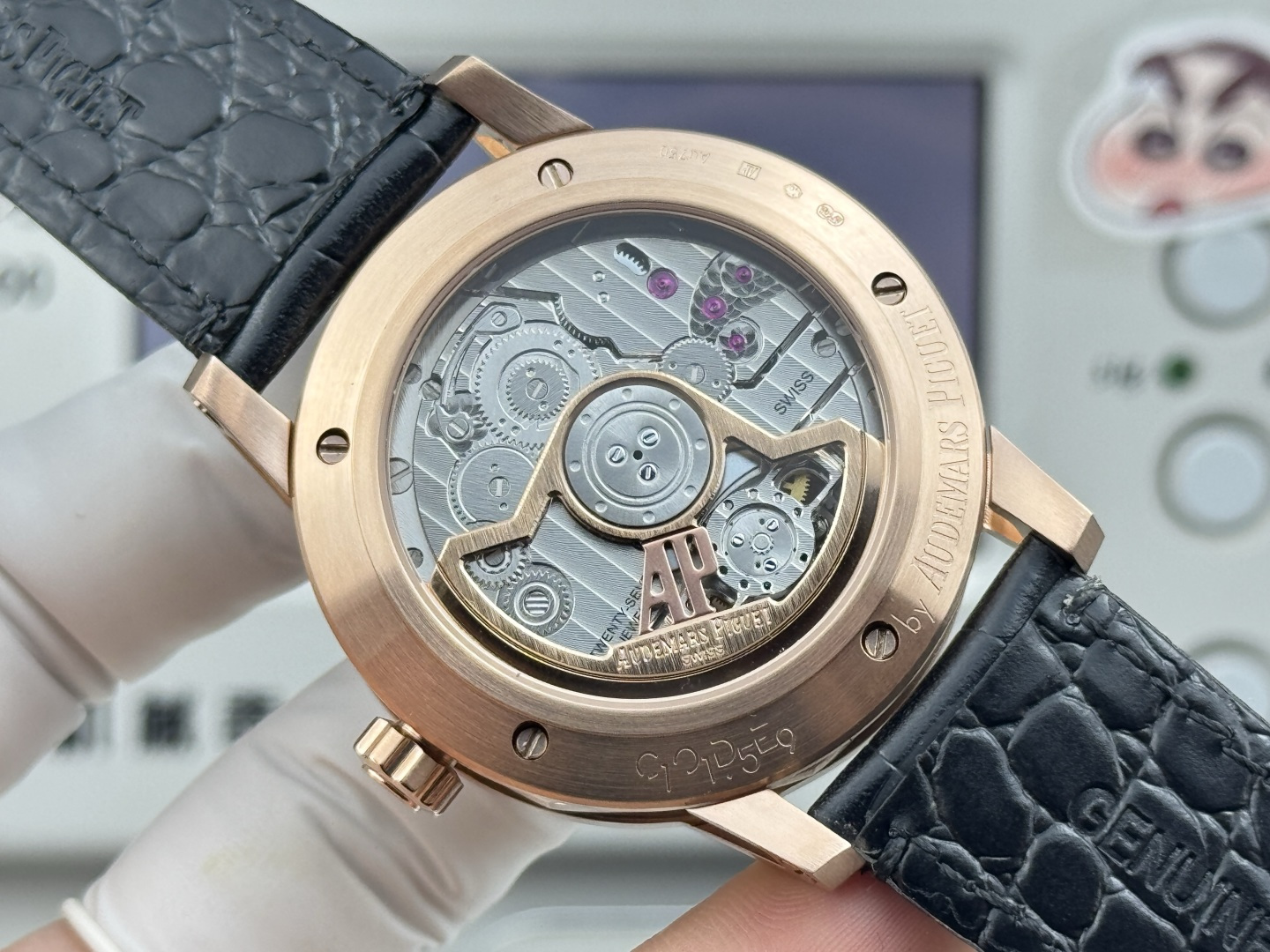
    The 7750 is one of the most robust, serviceable ebauches ever produced. It is not glamorous. The genuine Calibre 4401 beats at 28,800 vph, features AP’s integrated column wheel and vertical clutch chronograph architecture, and has finishing that includes Côtes de Genève on the bridges, bevelled and polished anglage on every plate edge, and a 22-carat gold rotor. The Dandong conversion will have none of that finishing. What it will have is reliability, repairability, and a beat rate that keeps reasonable time. Under an exhibition caseback — which this piece presumably has — the rotor and plate finishing will be the instant tell. Perlage on the mainplate, snailing on the ratchet wheel, black-polished screw heads: these are the markers of genuine haute horlogerie finishing, and no Dandong conversion is going to replicate them convincingly.

    The large date complication modification is the genuinely interesting engineering claim. Adapting a 7750 to drive a large date (grande date) display requires either a proprietary module sitting on top of the base movement or significant reworking of the date mechanism. If LS Factory has developed a dedicated module for this, it represents real investment in the project. If the date window is simply repositioned cosmetically without a true grande date mechanism, the double-disc large-numeral display of the genuine 26420 will not be replicated — and that will be immediately visible through a caseback or by looking at the date display itself.

    The Definitive Flaw

    The fluoroelastomer strap and genuine first-layer leather strap options are fine. The fabric strap with leather backing rather than leather-pressed fabric is a quality distinction worth noting. None of that is the problem.

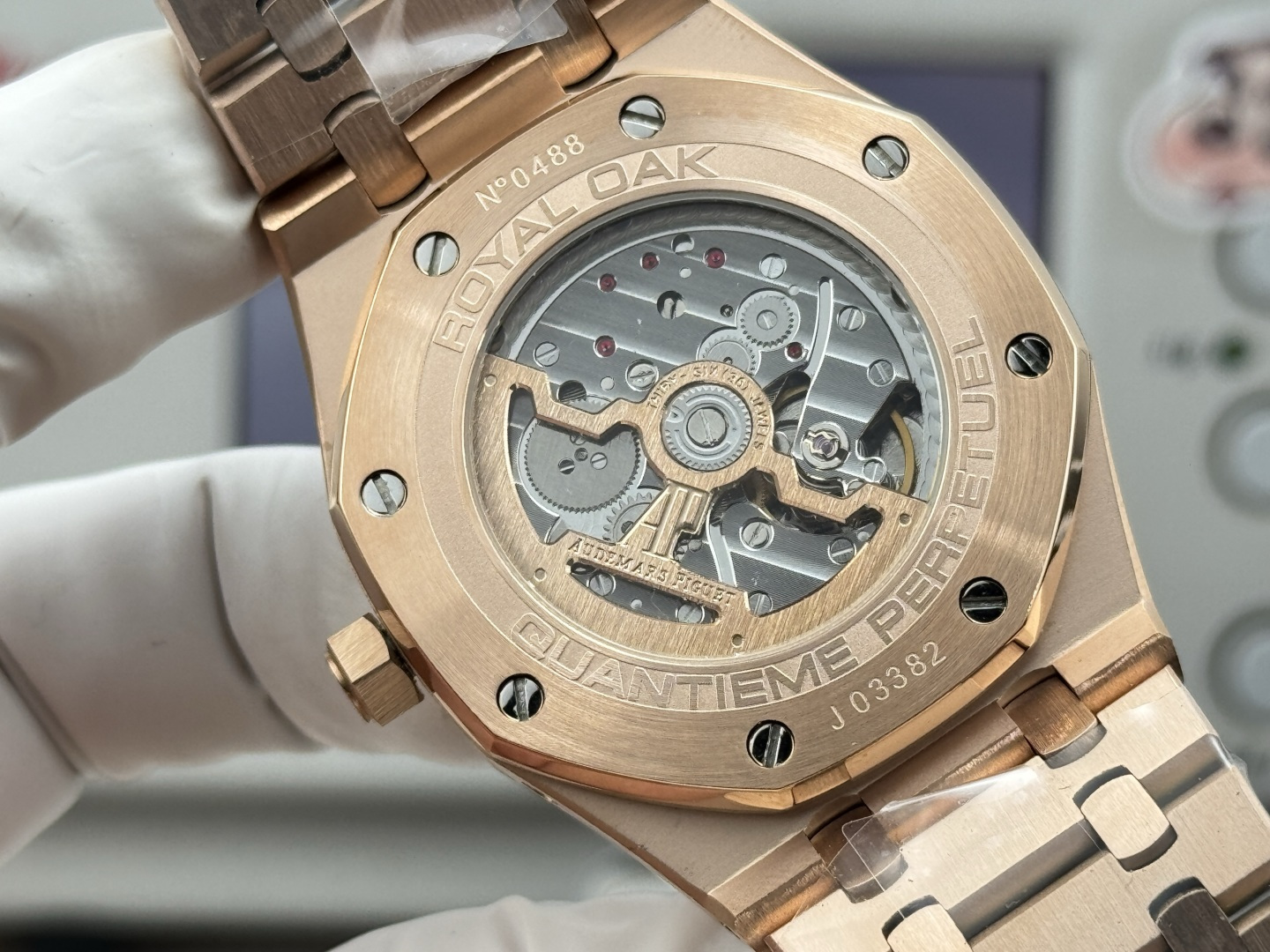
    The definitive flaw in this reference — and it is structural, not cosmetic — is the movement finishing visible through the caseback. The Calibre 4401 in the genuine 26420 is a visually spectacular movement. AP’s finishing department applies Geneva stripes, bevelled anglage, and poli spéculaire black-polishing to a standard that justifies a significant portion of the watch’s retail price. The Dandong 7750 conversion, regardless of how well the large-plate architecture is executed, will show flat, unfinished bridges, a rotor with no meaningful decoration, and screws that have been tightened rather than polished. For a wrist-only buyer who never flips the watch over, this is irrelevant. For anyone who considers the movement an extension of the ownership experience, it is a ceiling that no amount of case engineering or dial work can raise.

    Final Takeaway

    The LS Factory 26420 is the most technically ambitious clone of this reference currently in the market, and that is a statement with real weight behind it. New 43mm tooling, genuine ceramic bezel, 316L steel, CNC-milled tapisserie, and a movement modification that at least attempts to address the large date complication — this is a factory that read the brief. The gap between this piece and the genuine article remains enormous in movement finishing and complication authenticity, as it always will. But as a wearable representation of one of modern watchmaking’s most visually complex sports watches, at a fraction of the price point? The homework was done. Whether the execution matches the specification sheet is the only question left — and that requires a loupe, not a press release.
    Watch Details
    Watch Details
    Watch Details
    Watch Details
    Watch Details
    Watch Details
    Watch Details
    Watch Details
    Watch Details
    Additional details
    Additional details
    Additional details
    Additional details
    Additional details
    Additional details
    Additional details
    Additional details
    Additional details
    Additional details
    Additional details
    Additional details
    Additional details
    Additional details
    Additional details
    Additional details
    Additional details
    Additional details
    Additional details
    Additional details
    Additional details
    Additional details
    Additional details
    Additional details
    Additional details
    Additional details
    Additional details
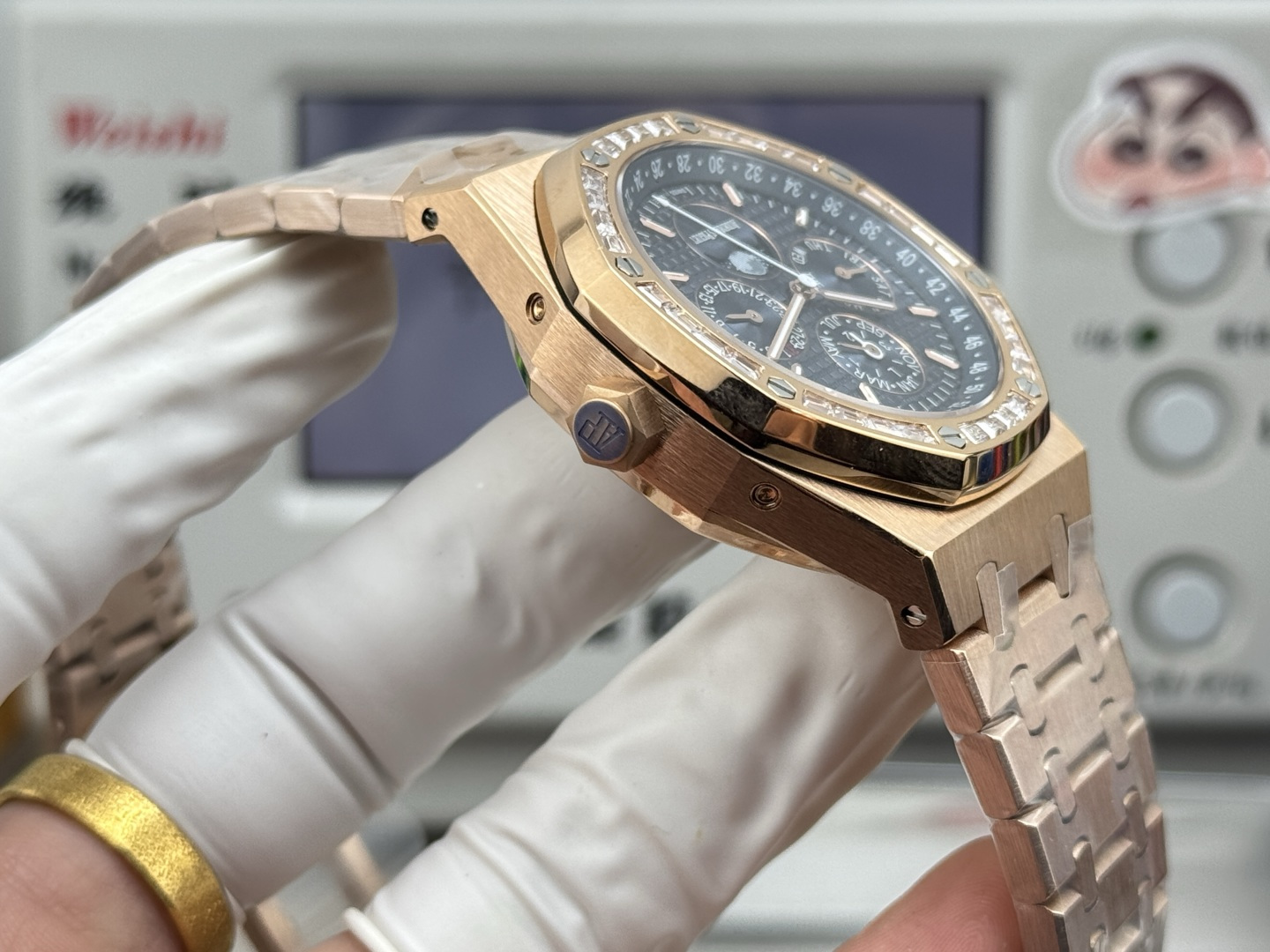
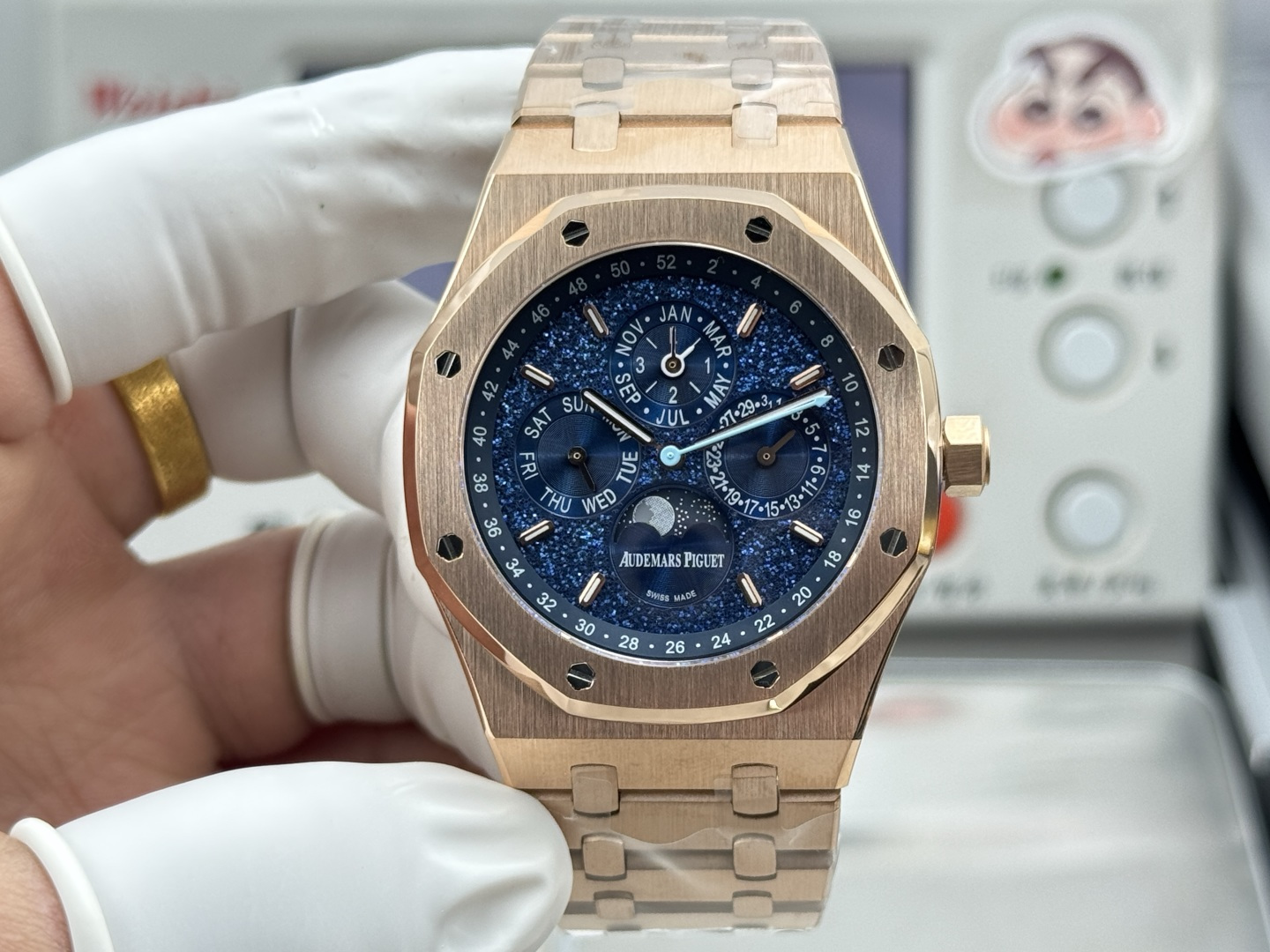
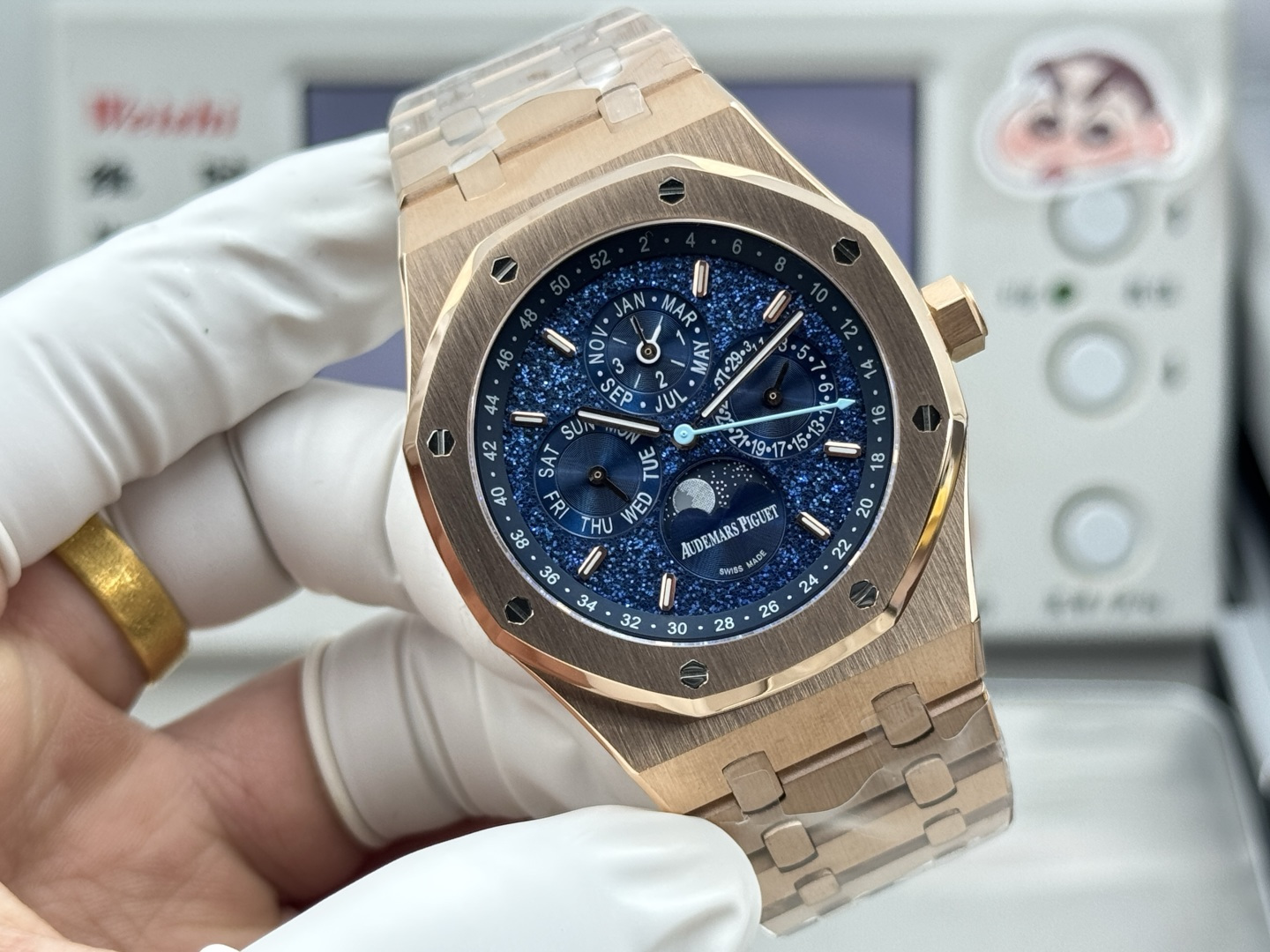
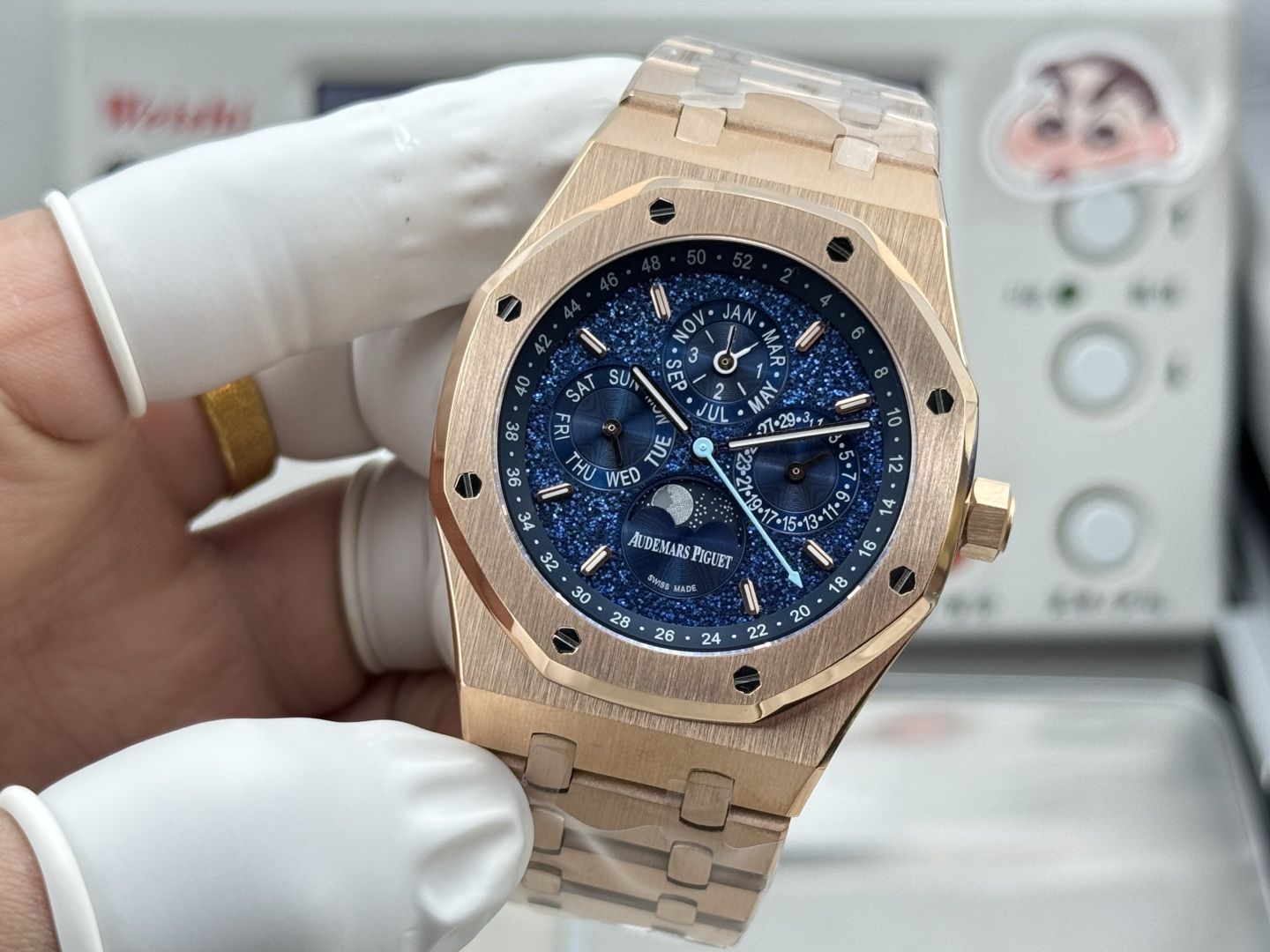
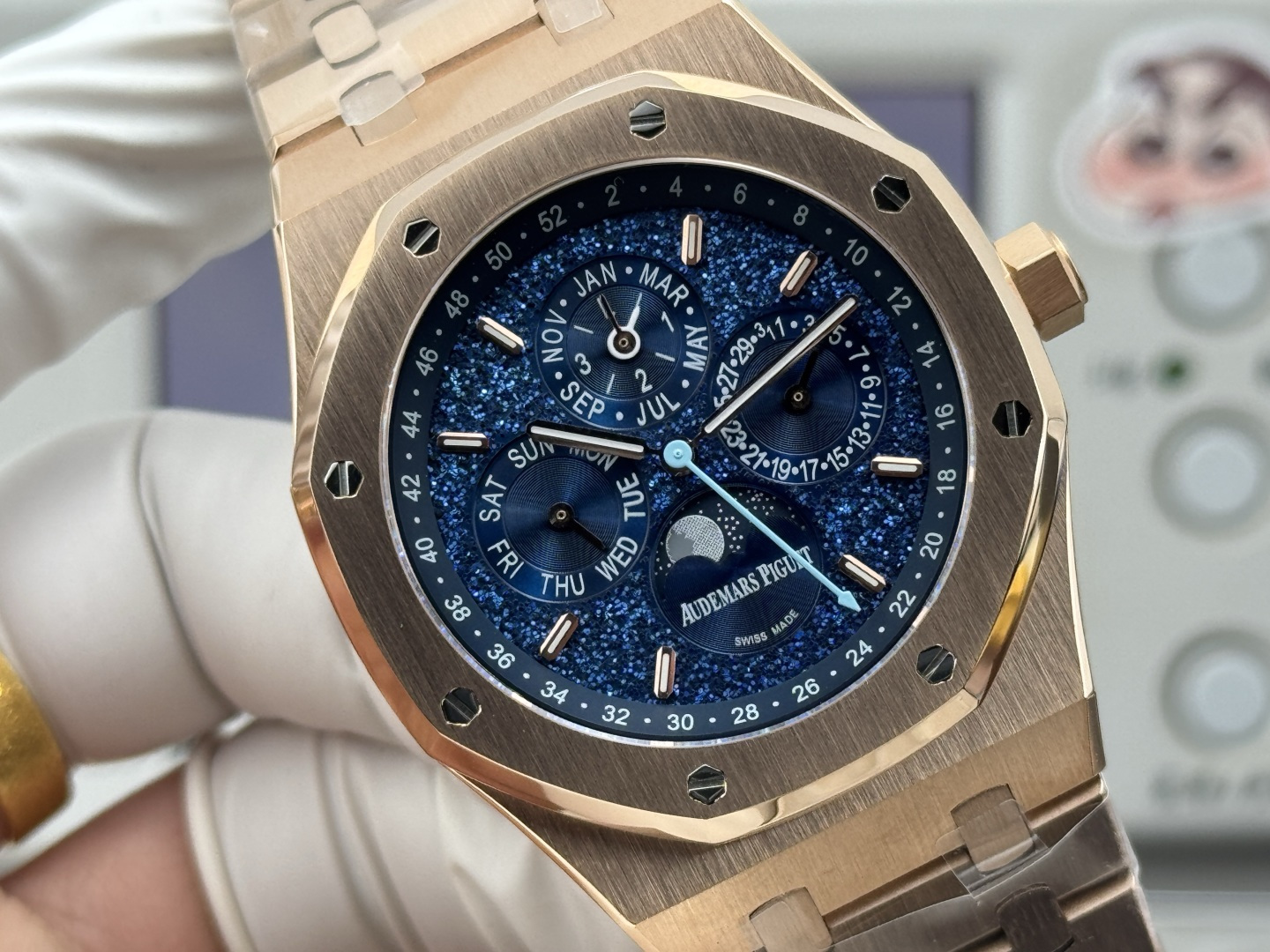
  • The $30,000 Waitlist Is a Joke — So I Put the 26574ST Clone Under a Loupe Instead

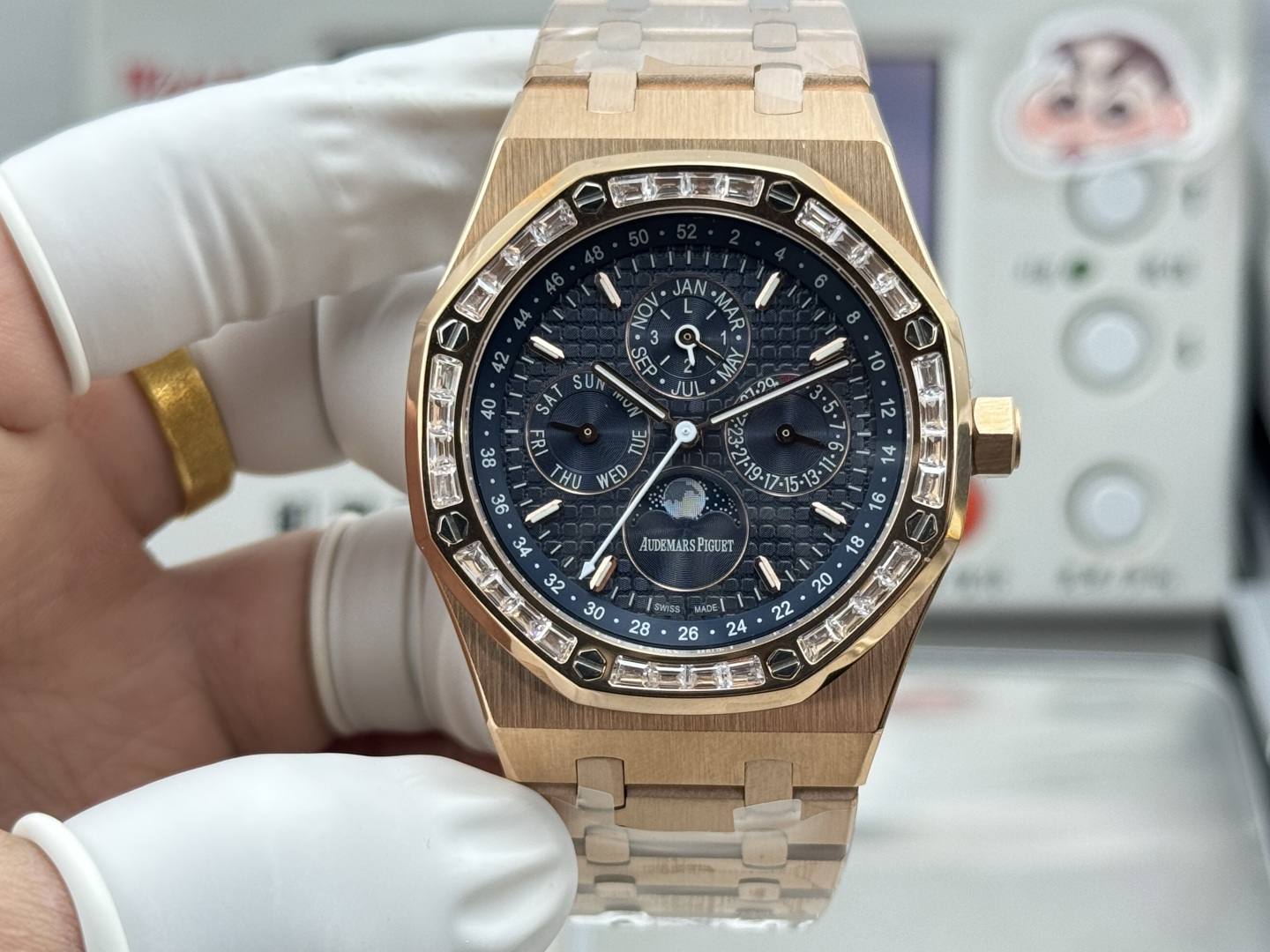
    Let me set the scene. A well-dressed gentleman walks into an authorised Audemars Piguet boutique in Geneva, Hong Kong, or Beverly Hills. He has a relationship with the brand. He has bought before. He is told, politely but firmly, that the Royal Oak Perpetual Calendar — reference 26574ST — is unavailable. Perhaps in eighteen months. Perhaps never, if his purchase history isn’t robust enough. He is, in the language of modern luxury retail, being managed. The watch he wants retails north of $75,000 USD, and he still cannot simply buy it. This is the theatre of contemporary haute horlogerie, and frankly, it has become exhausting to defend.

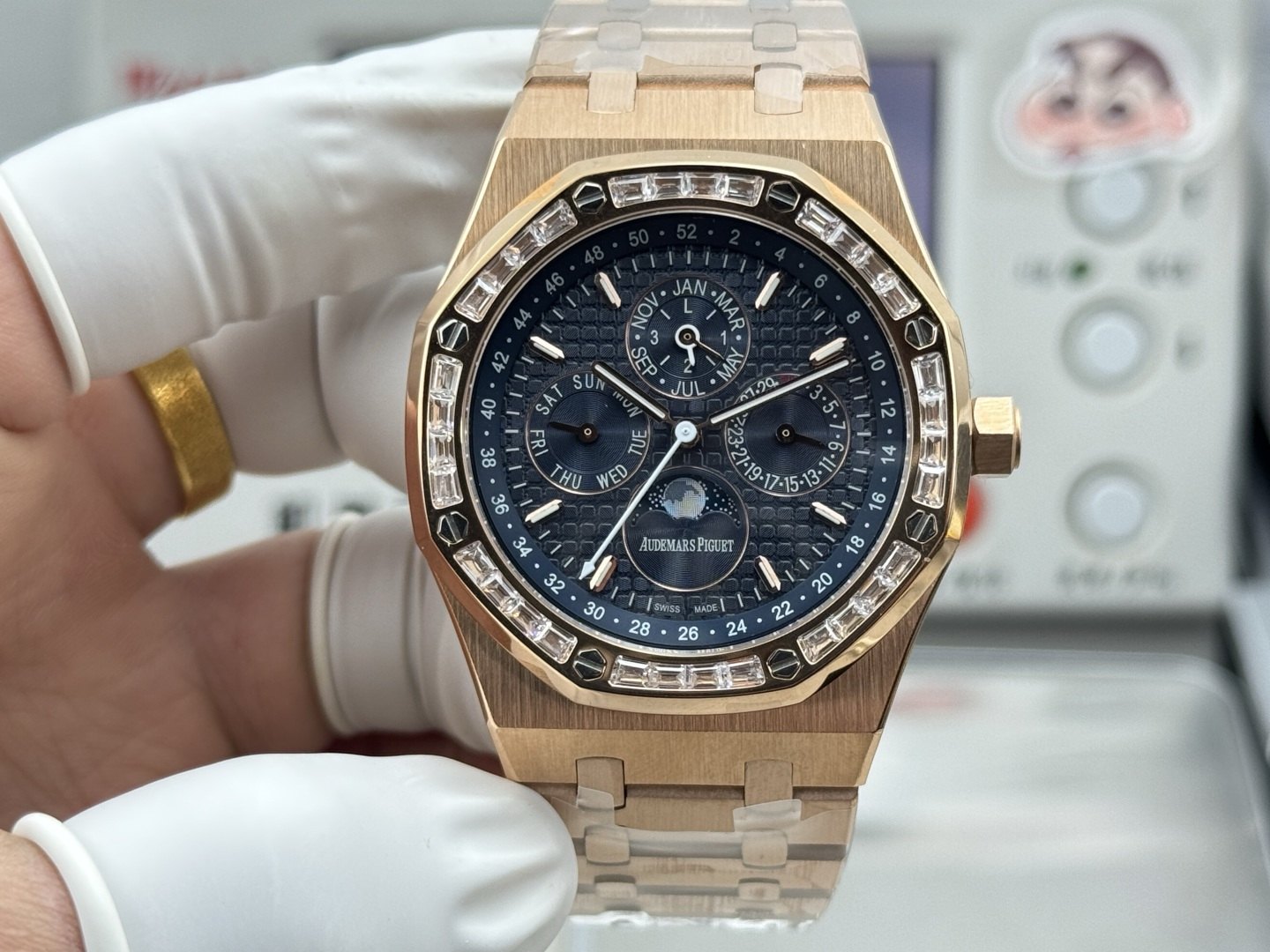
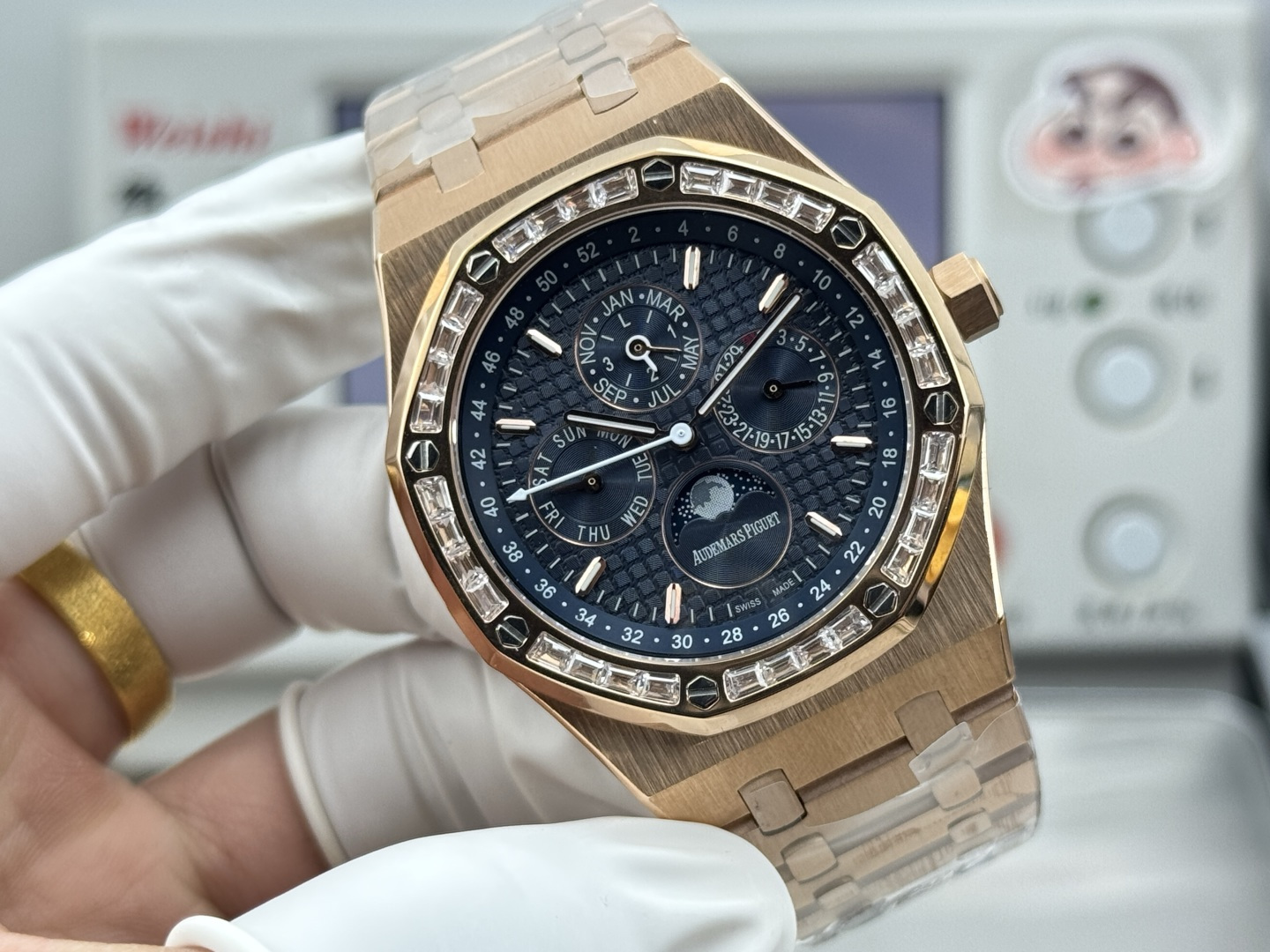
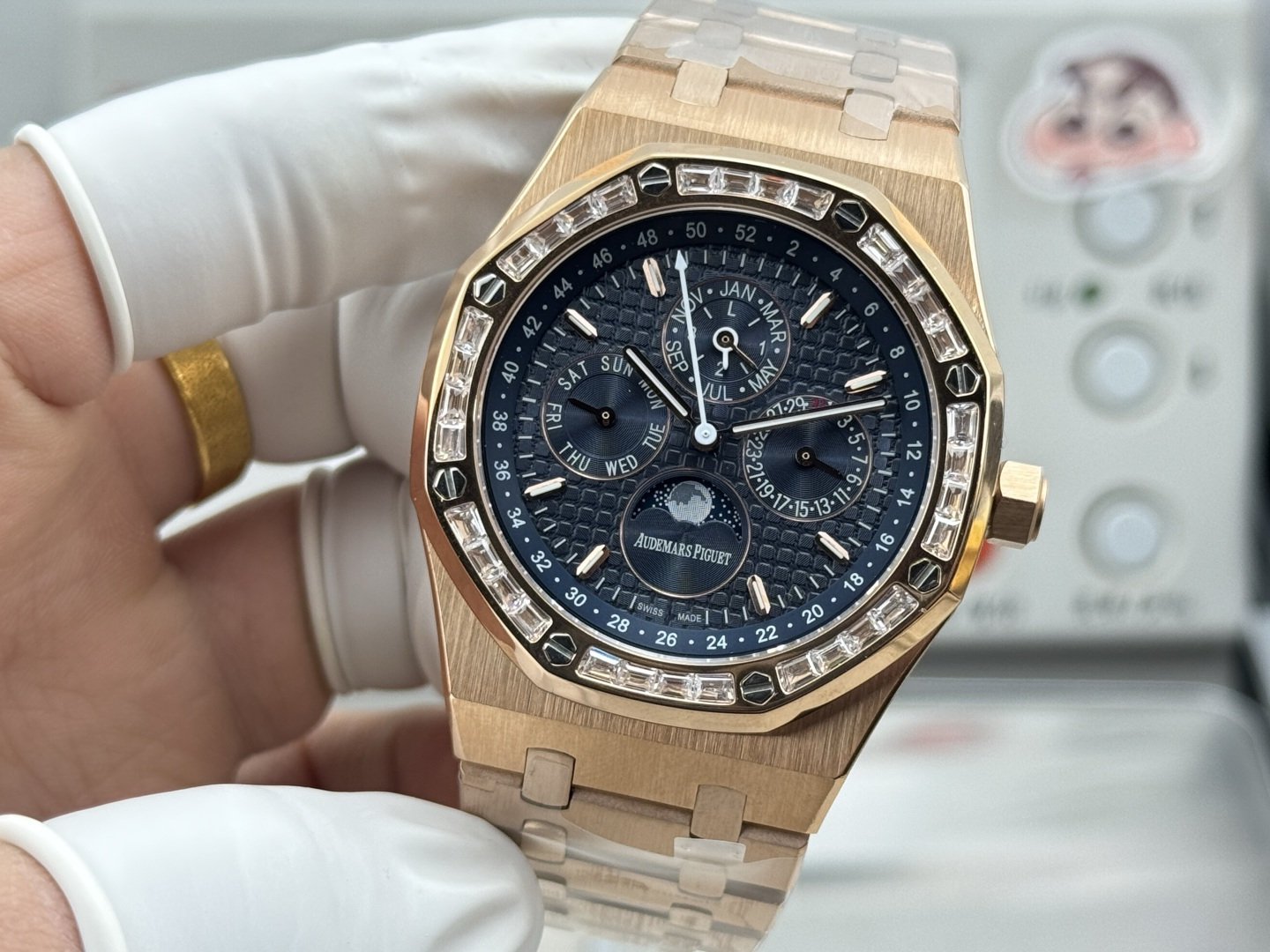
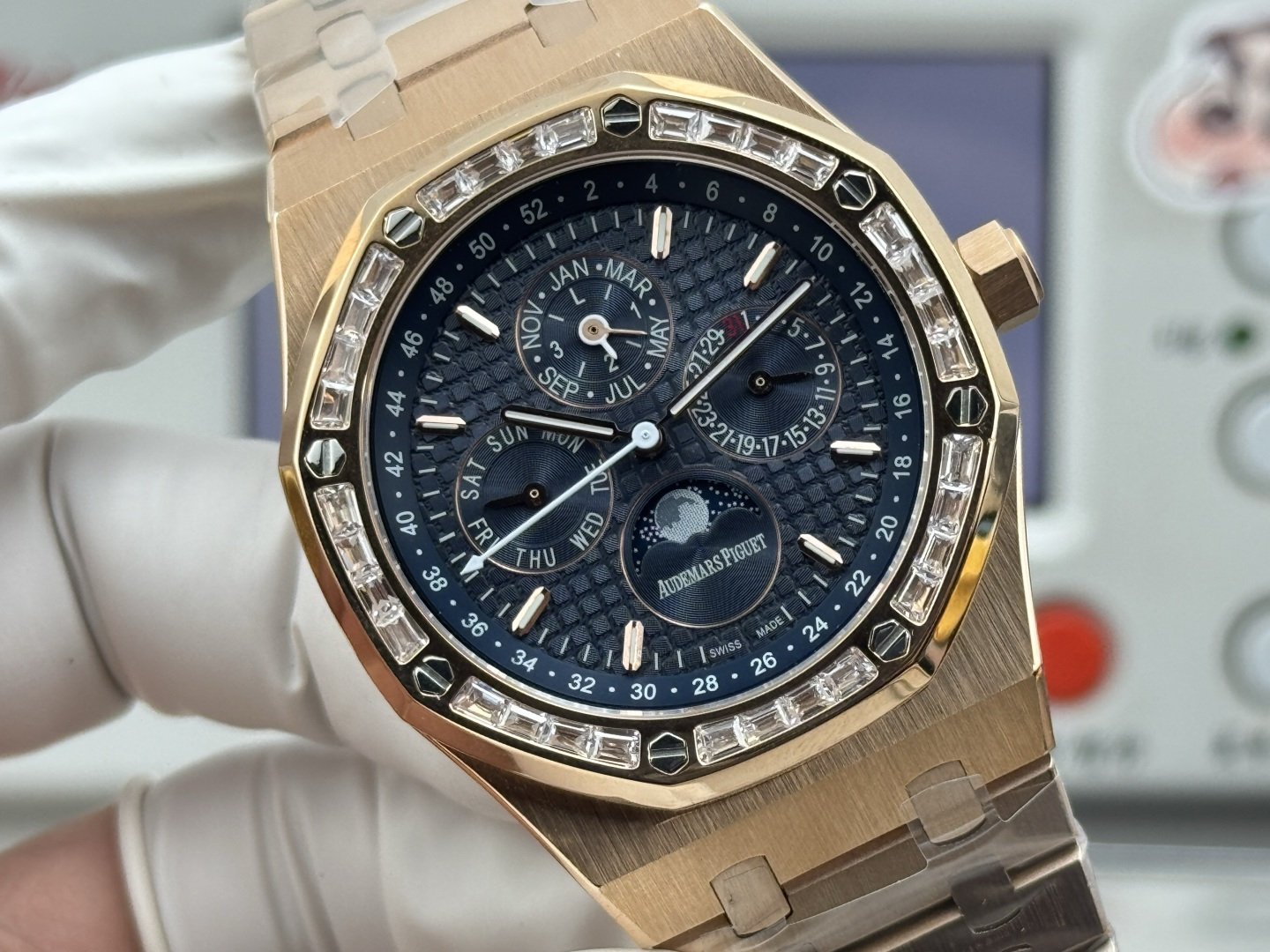
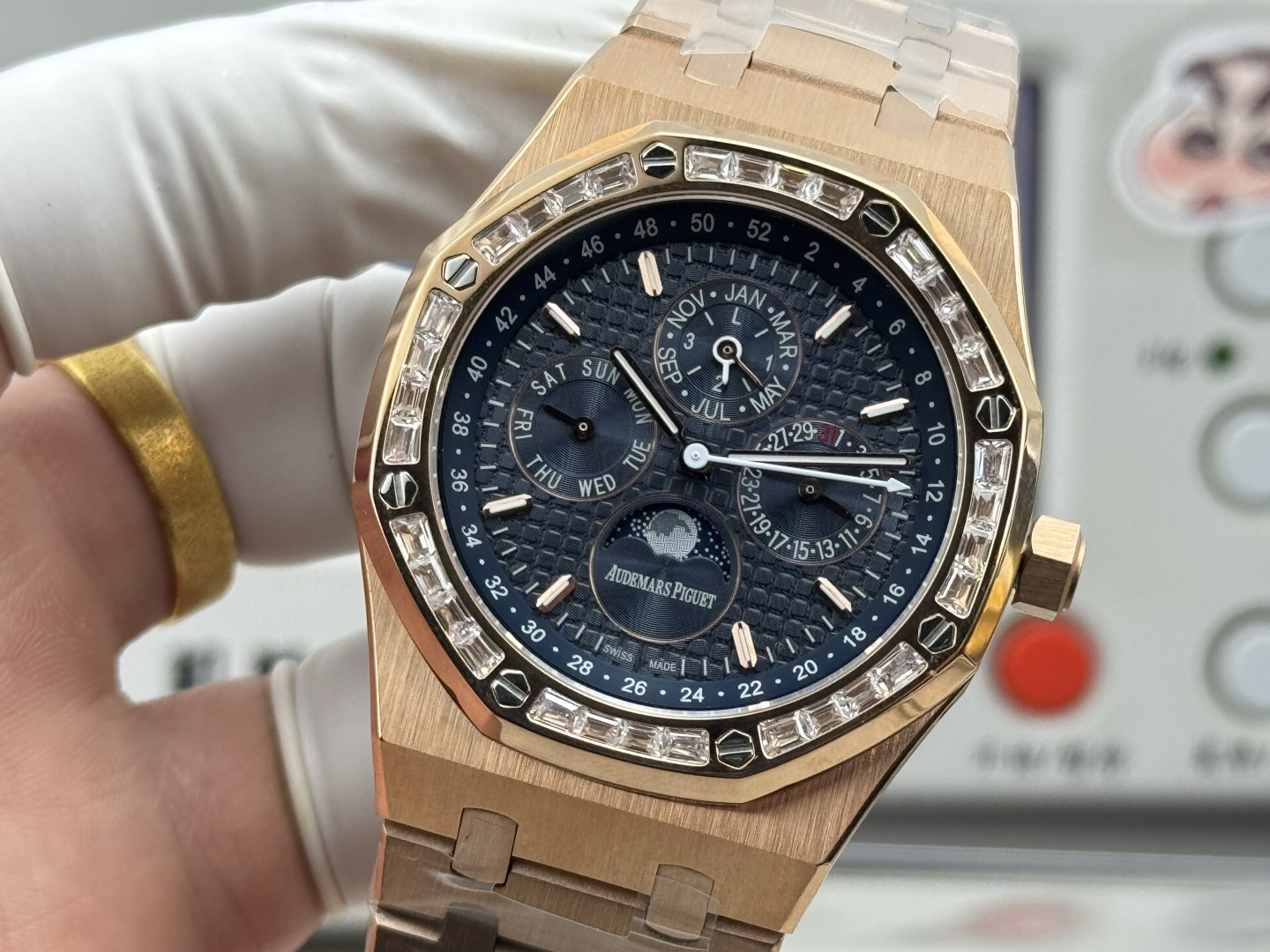
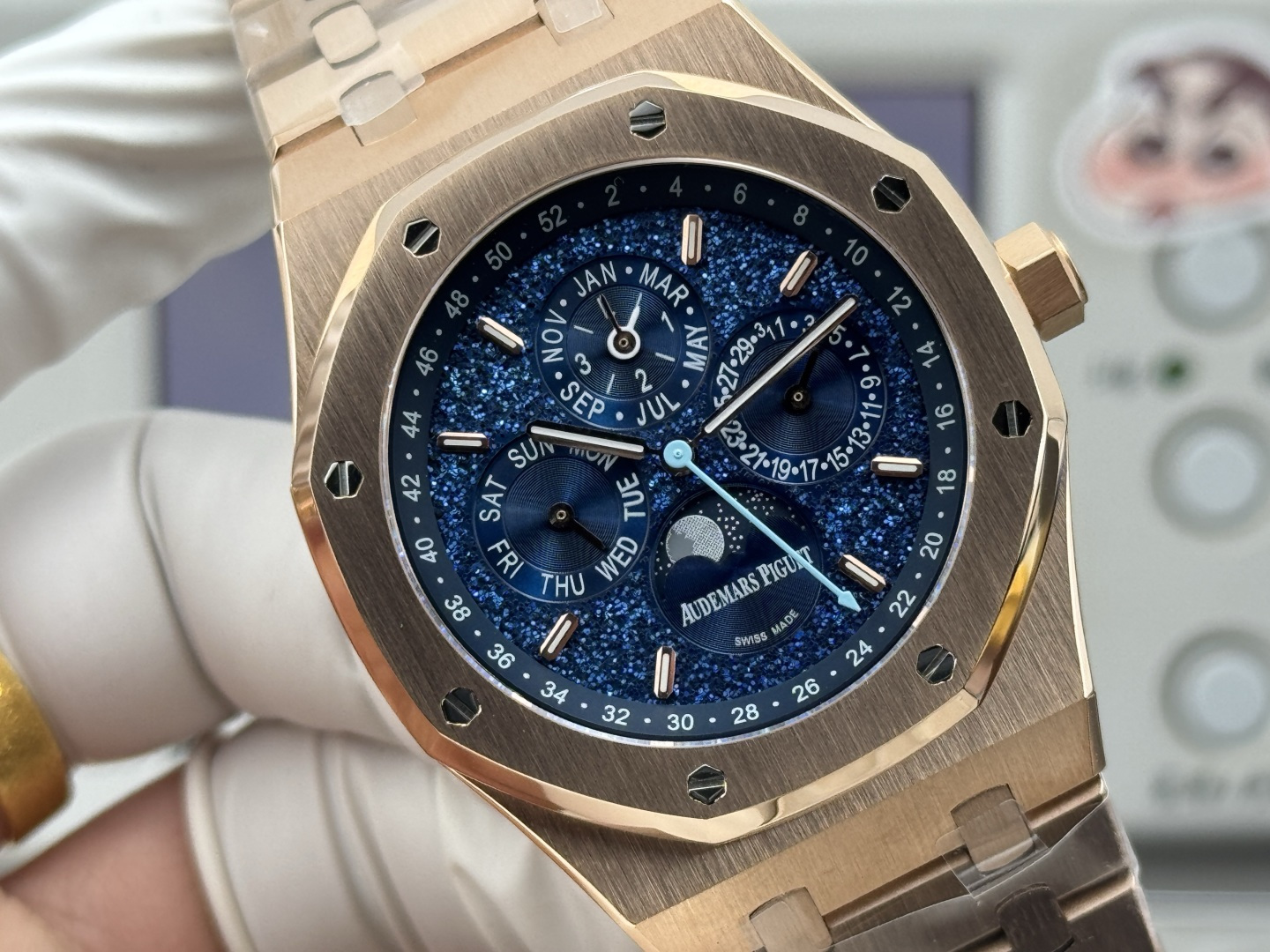
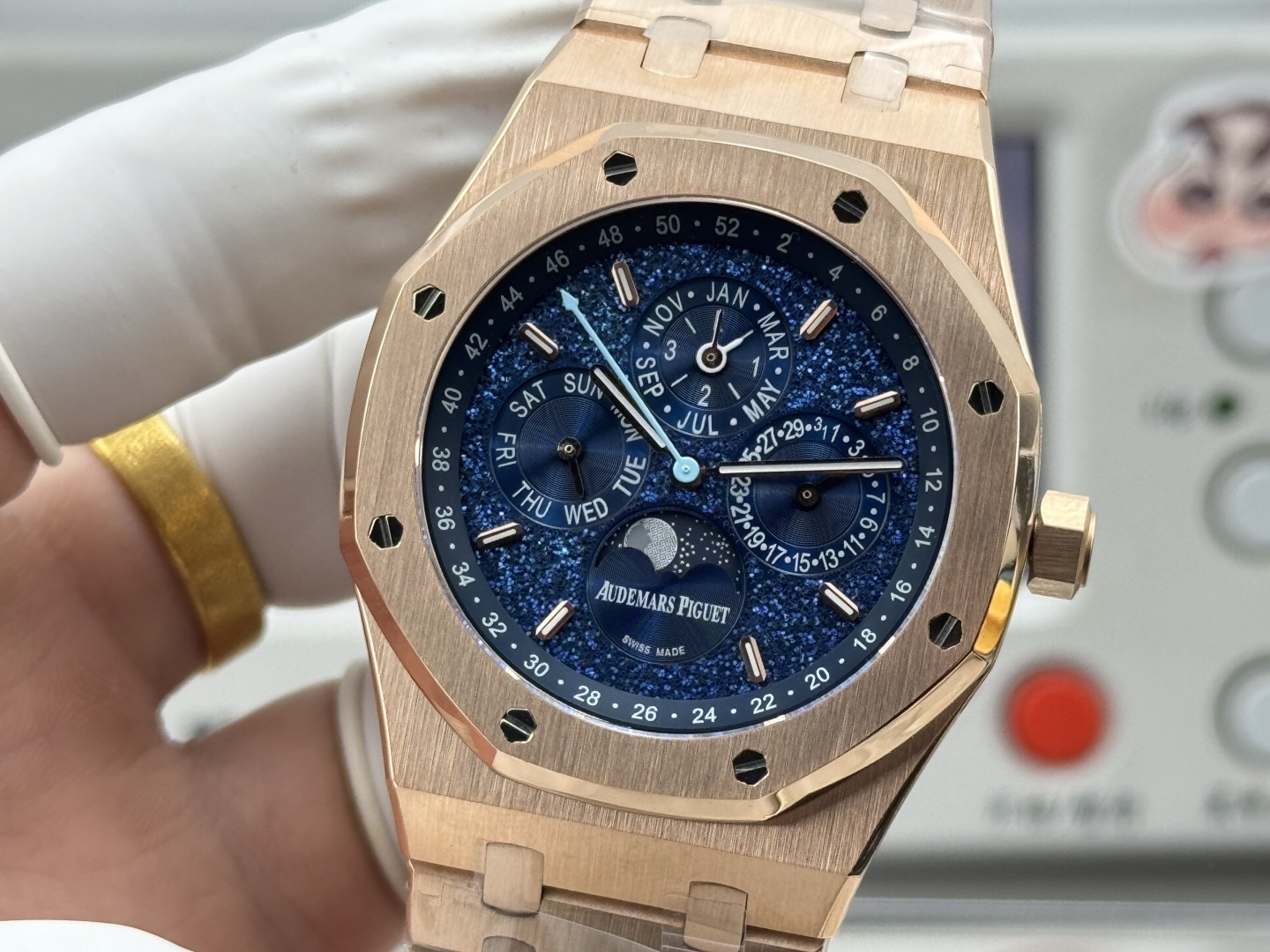
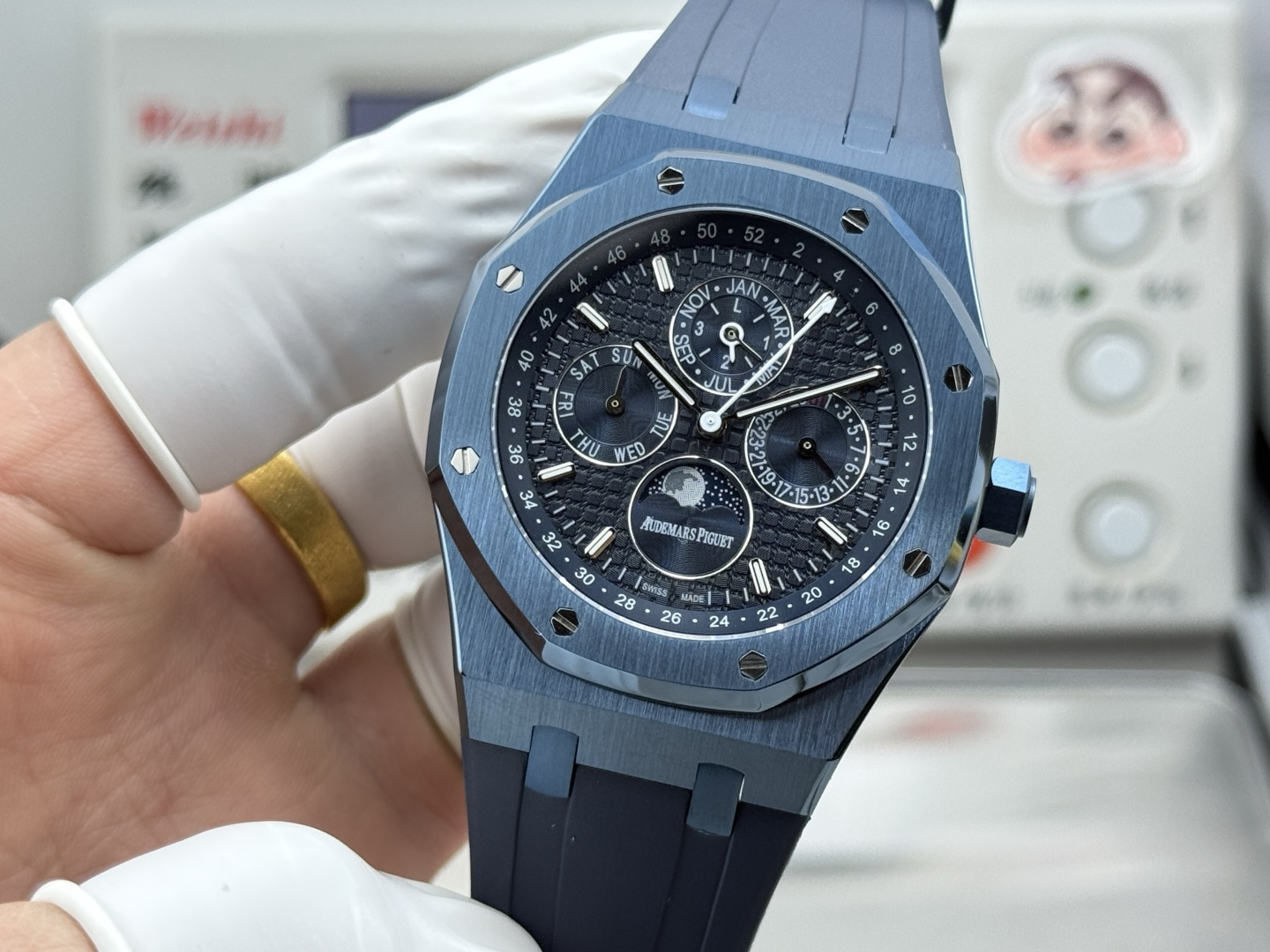
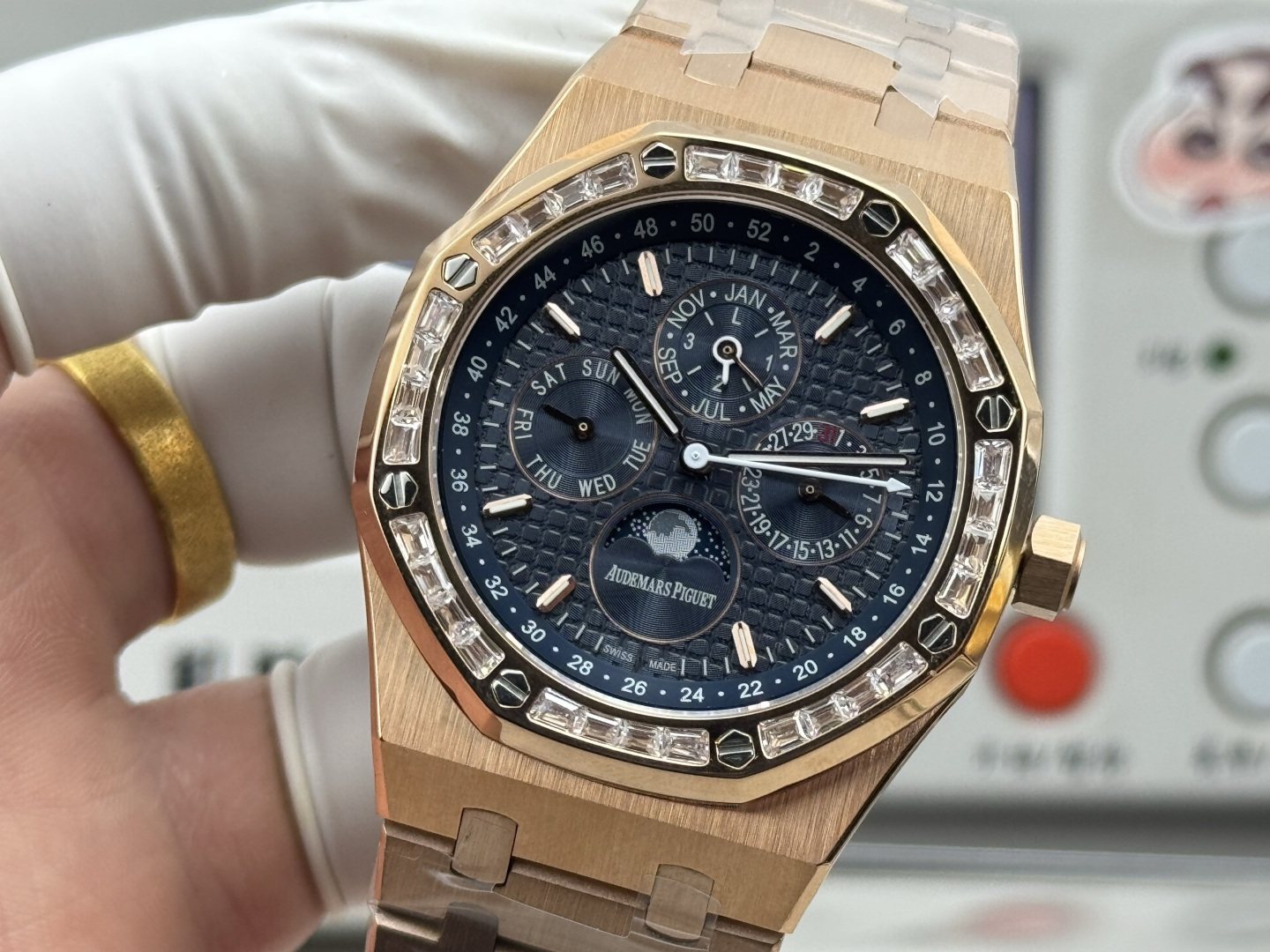
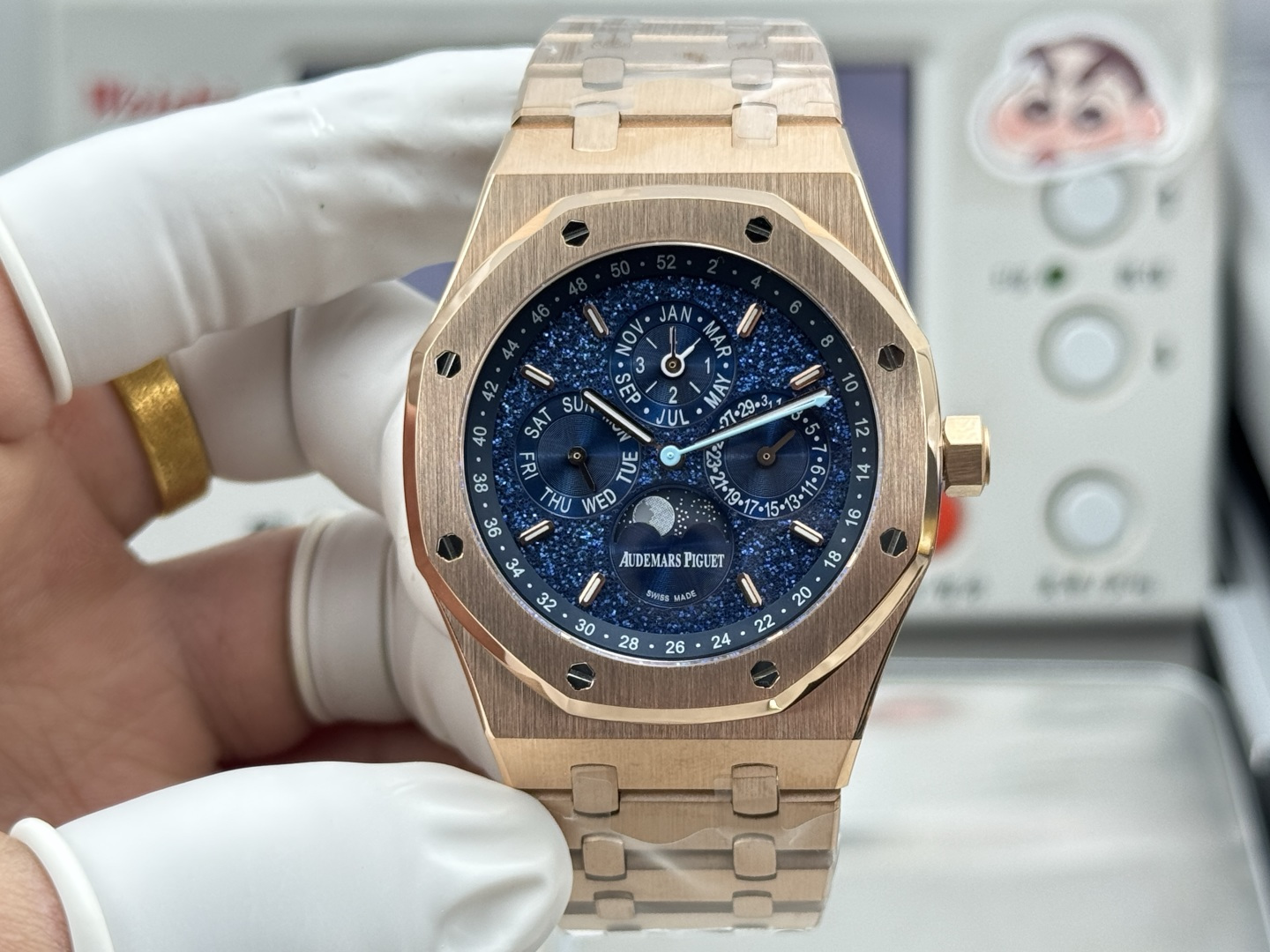
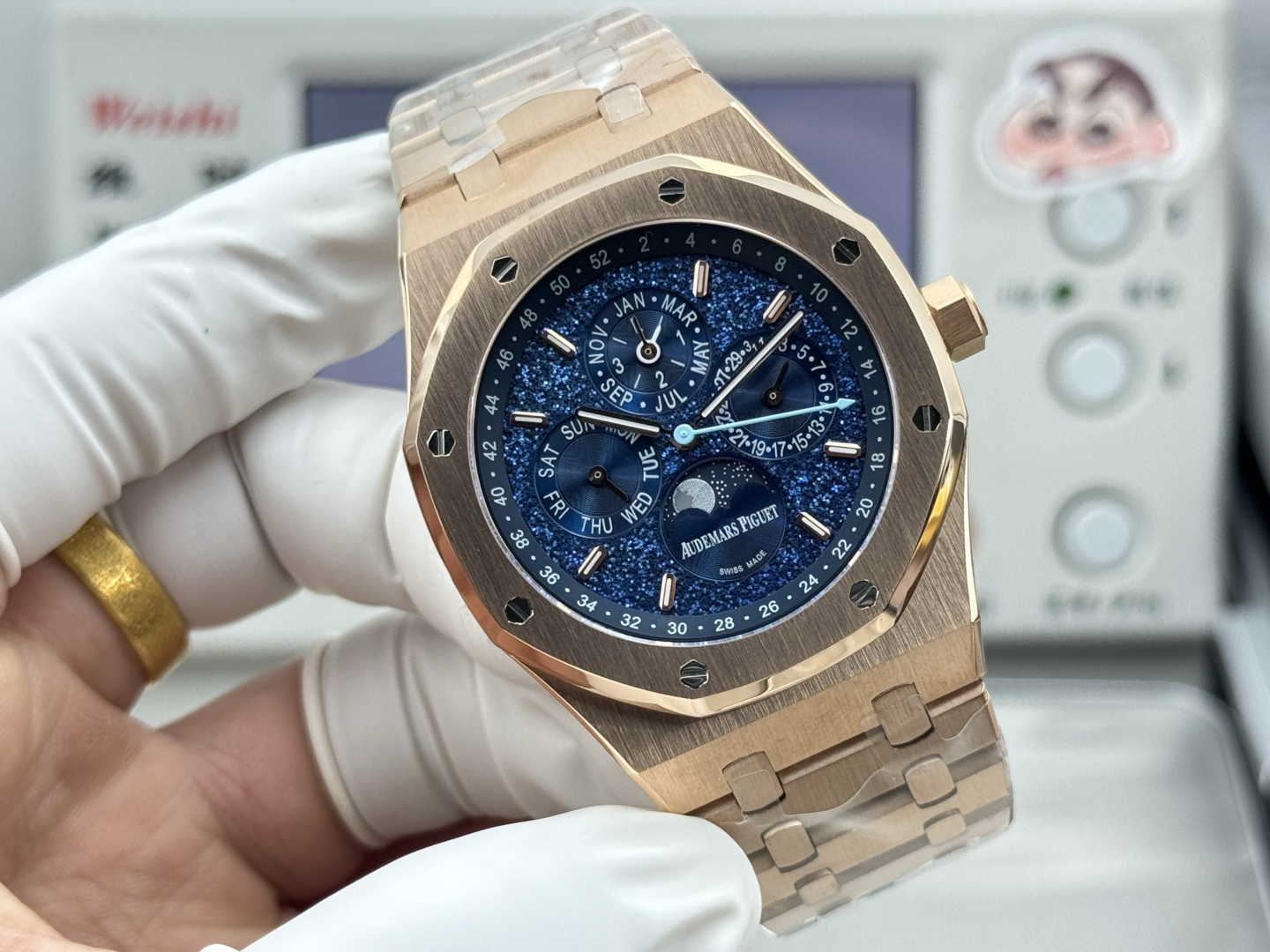
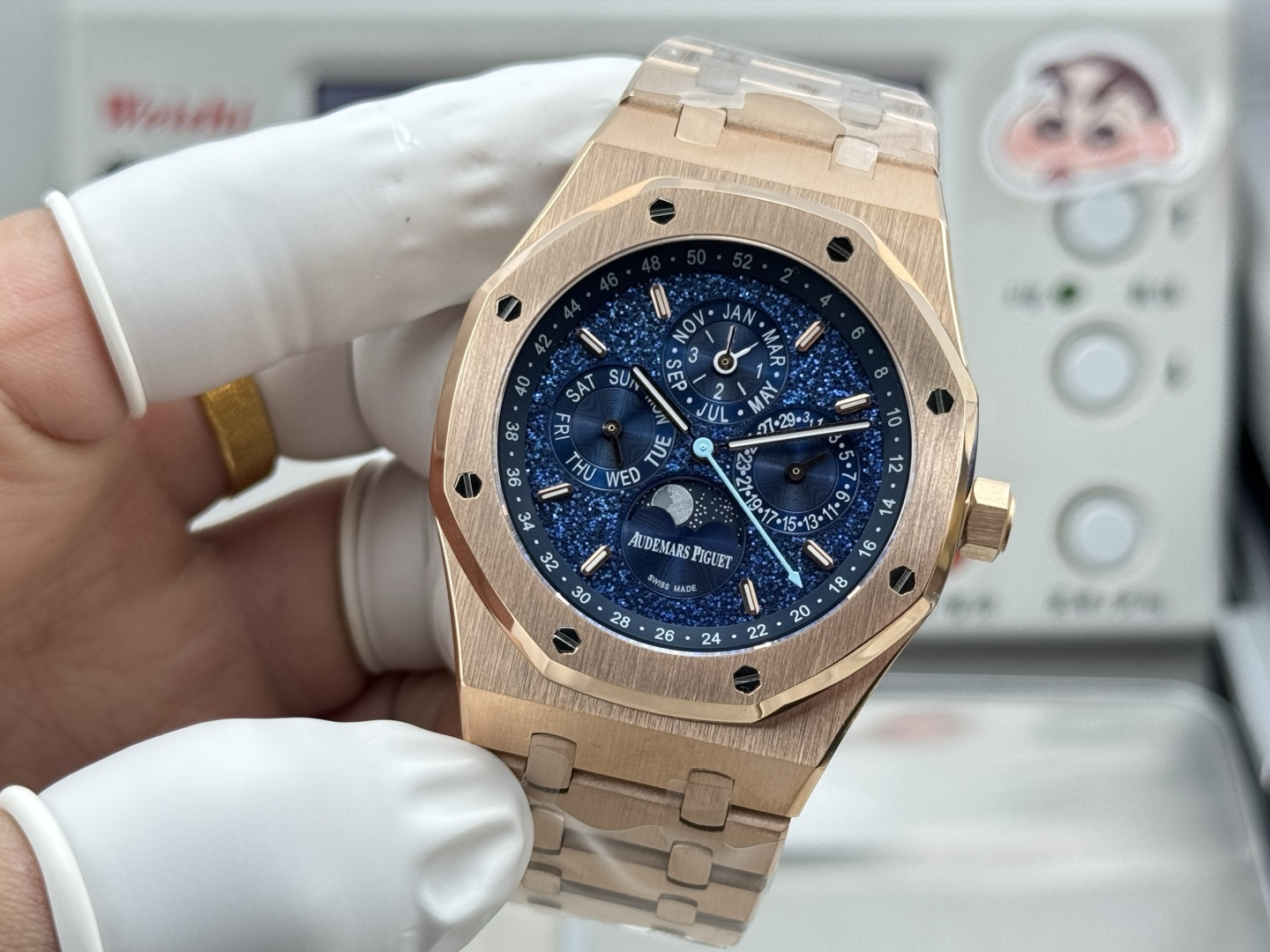
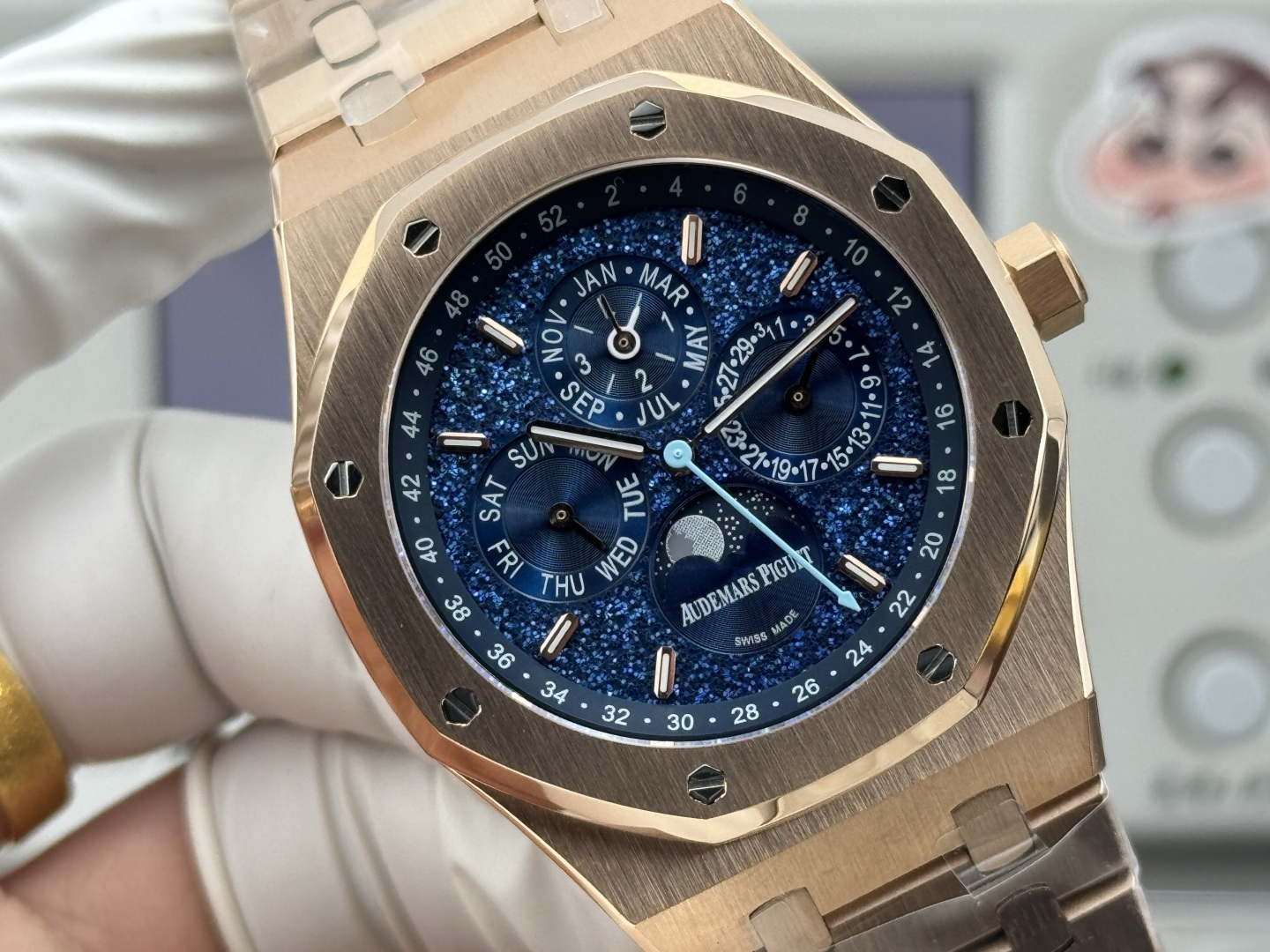
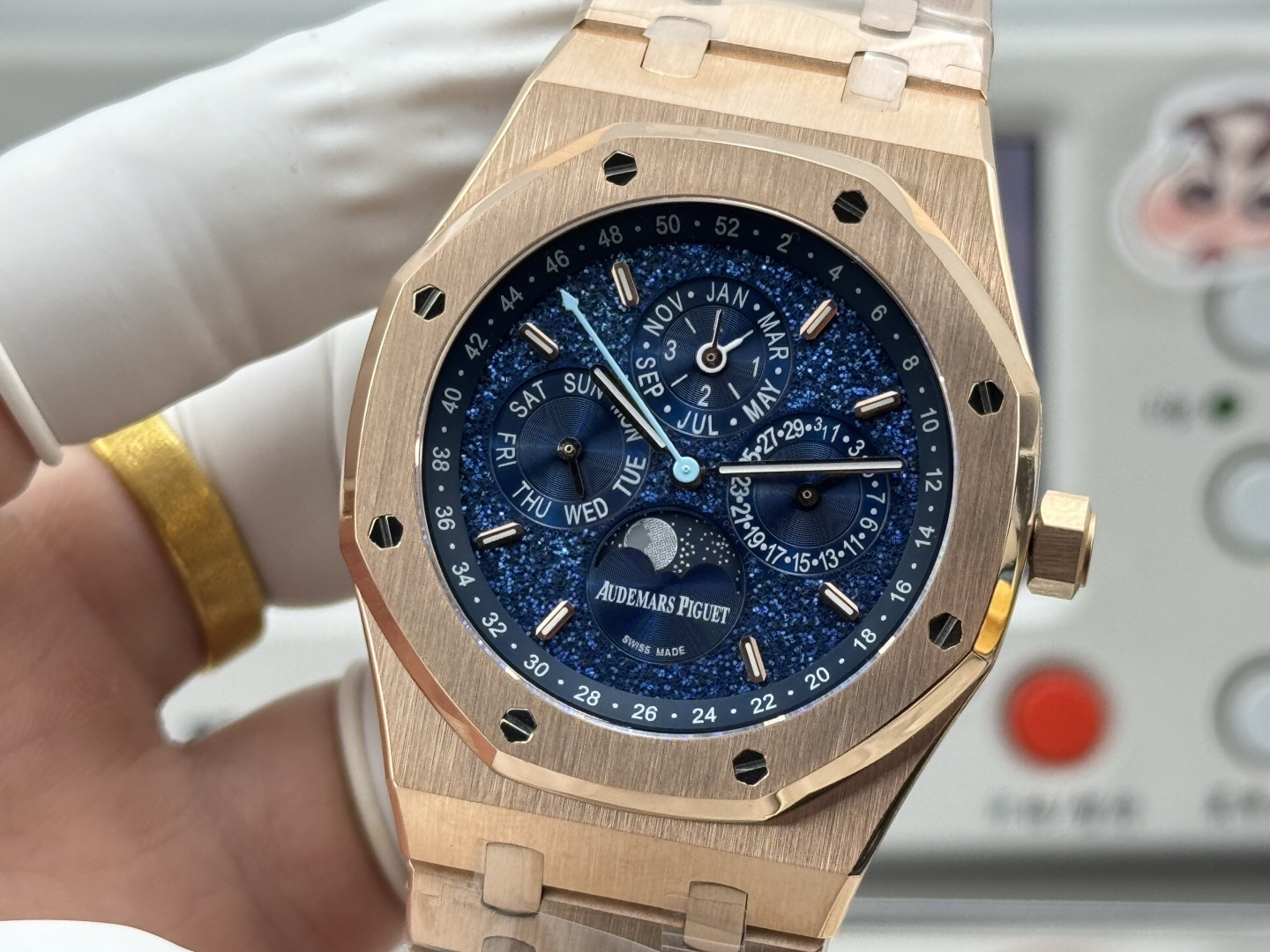
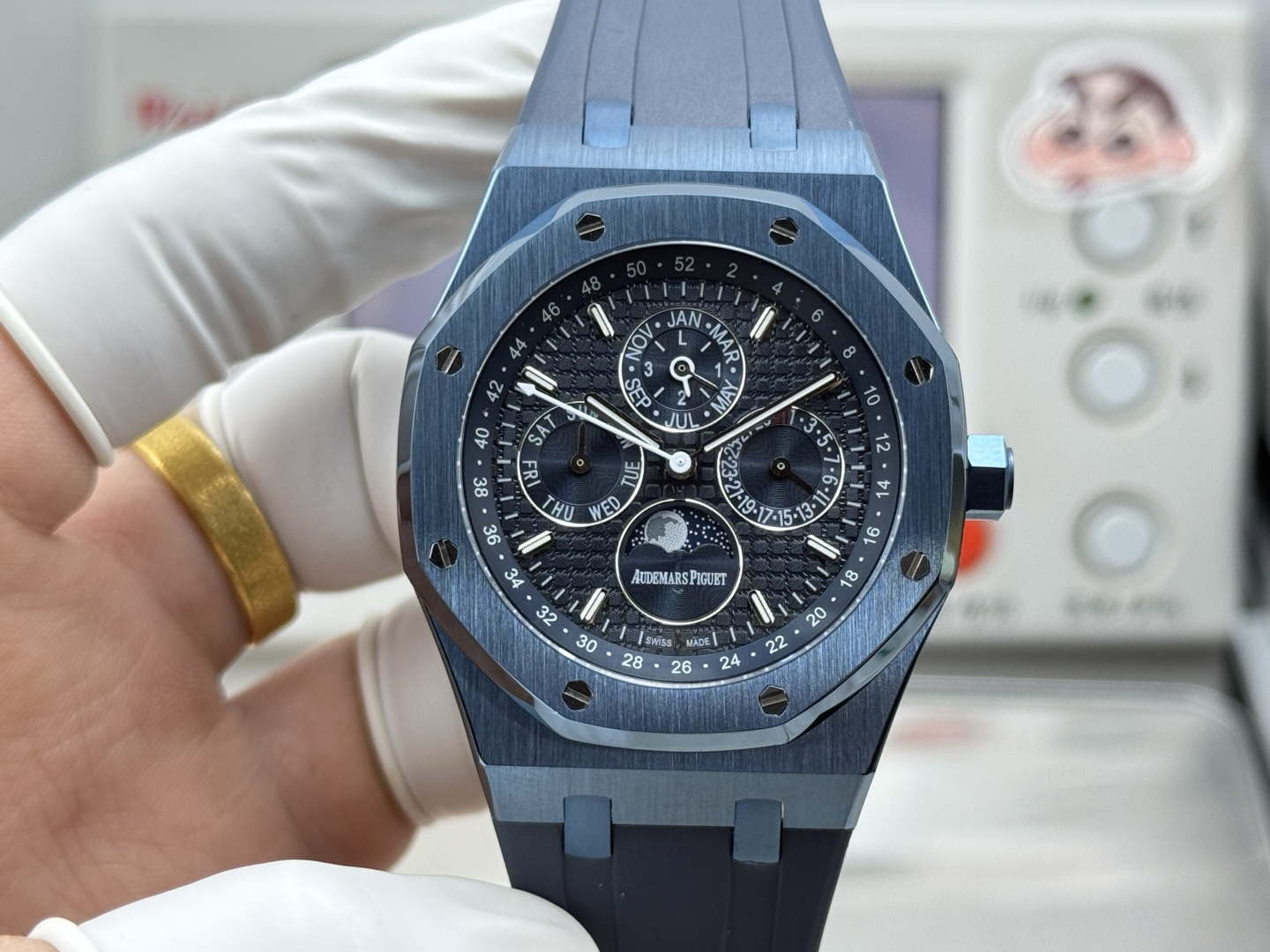
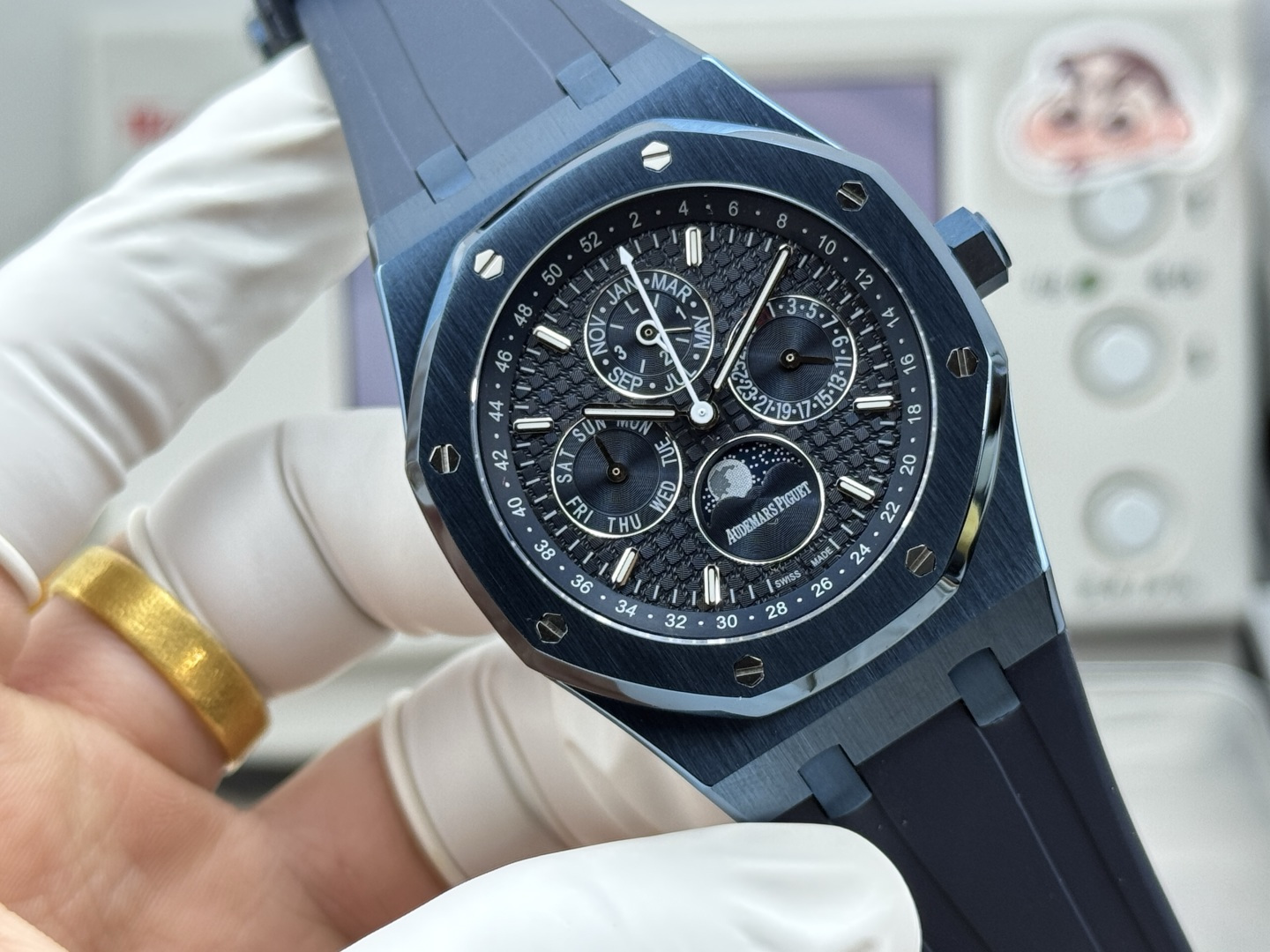
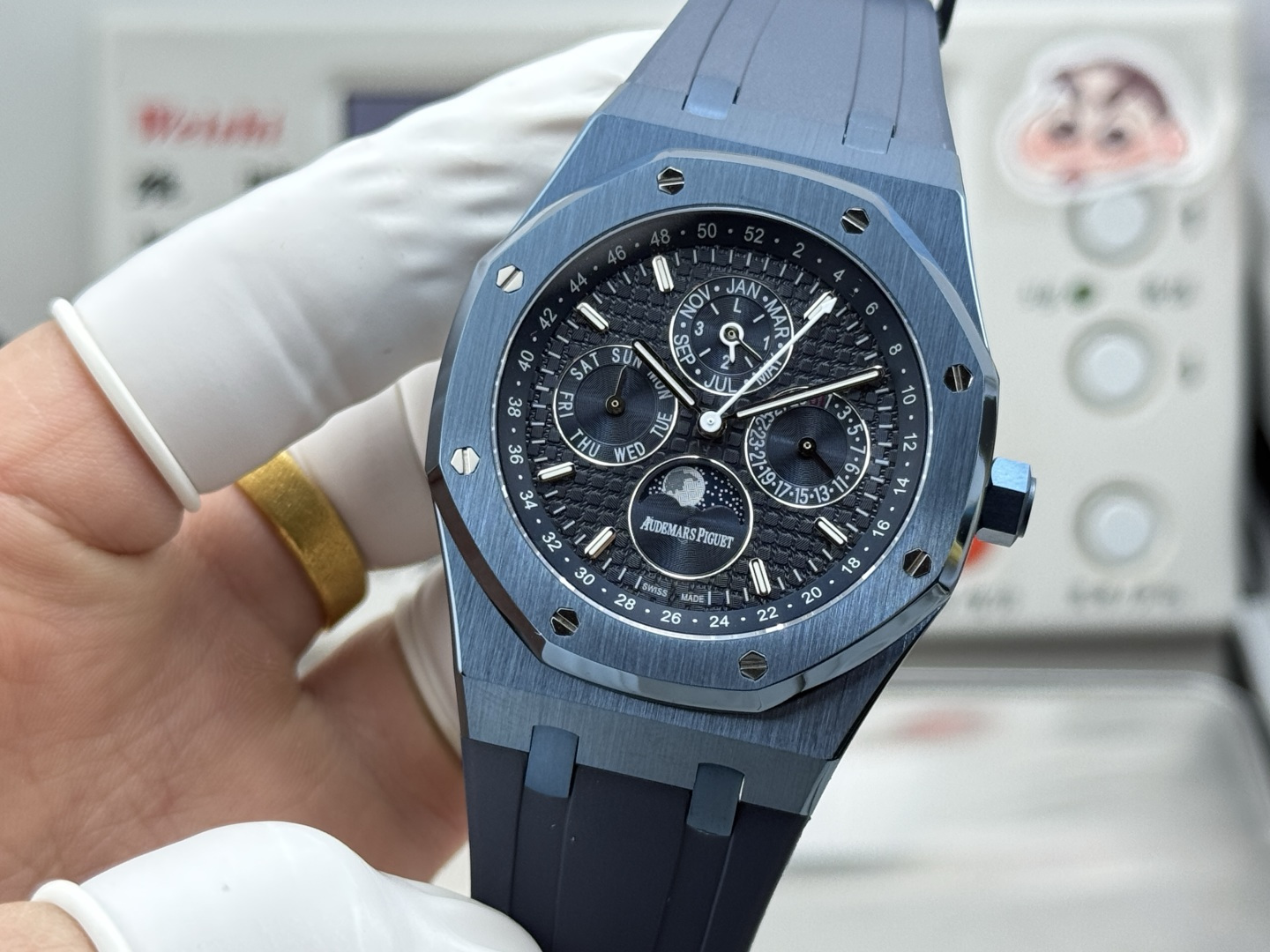
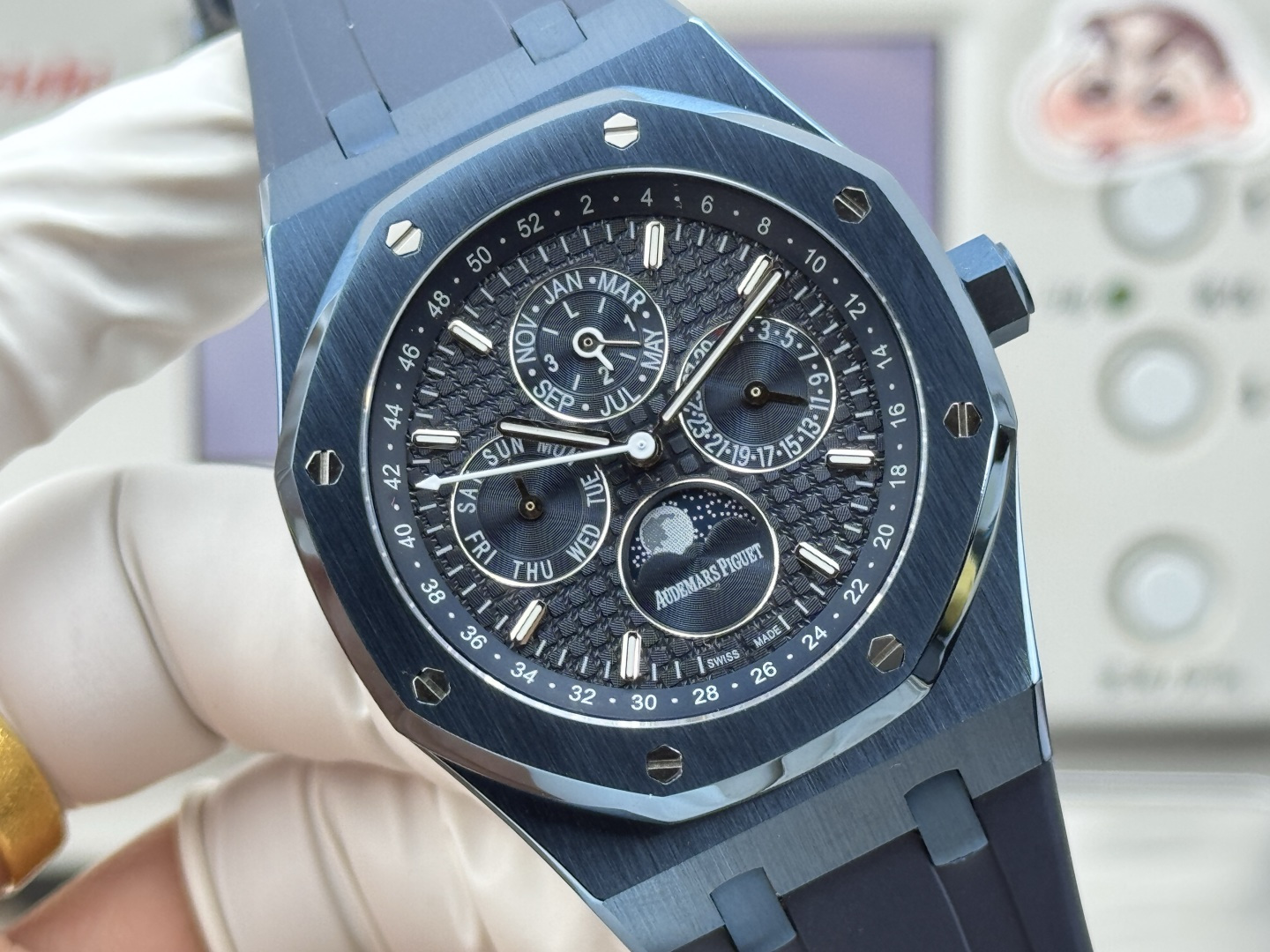
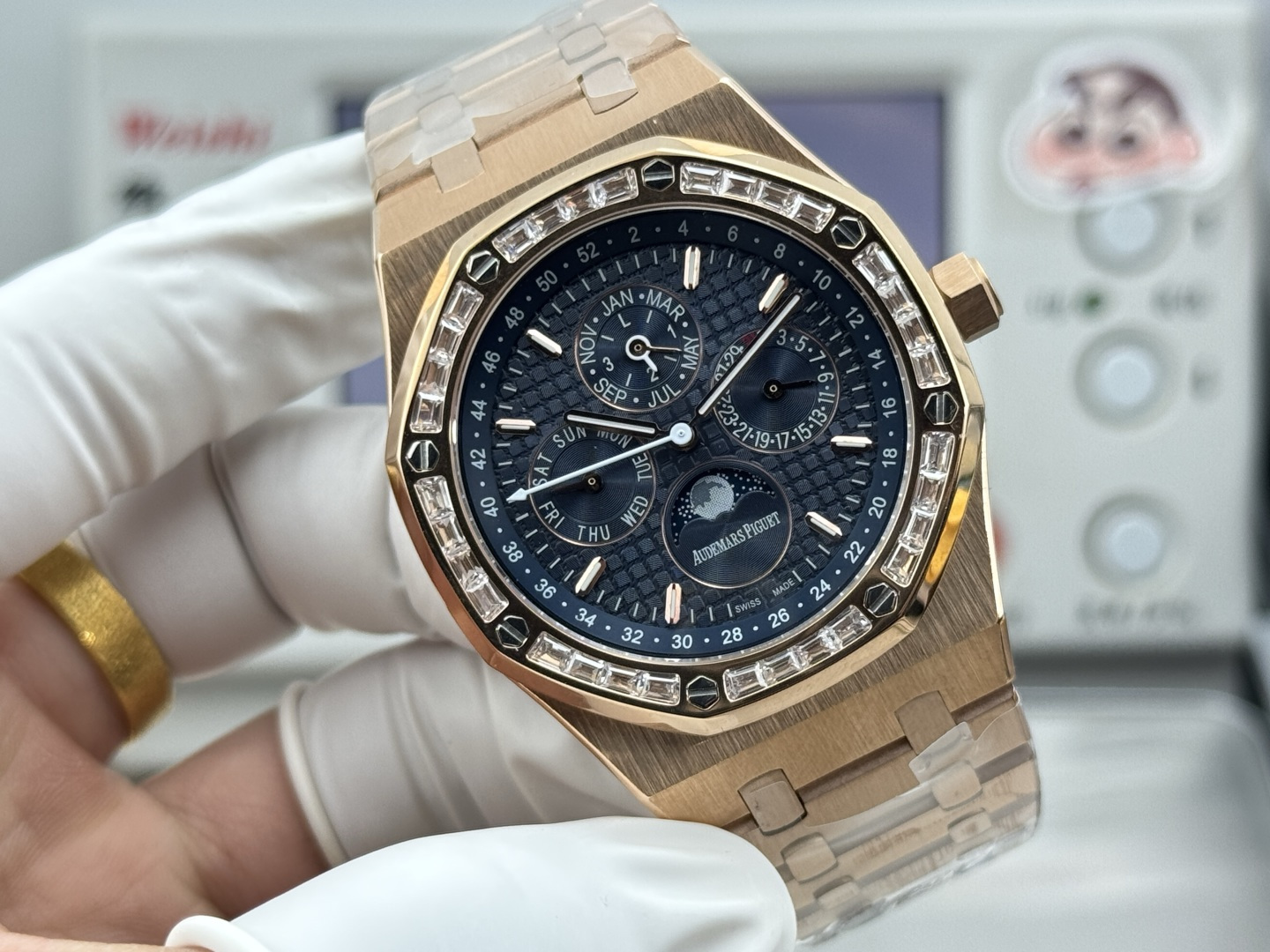
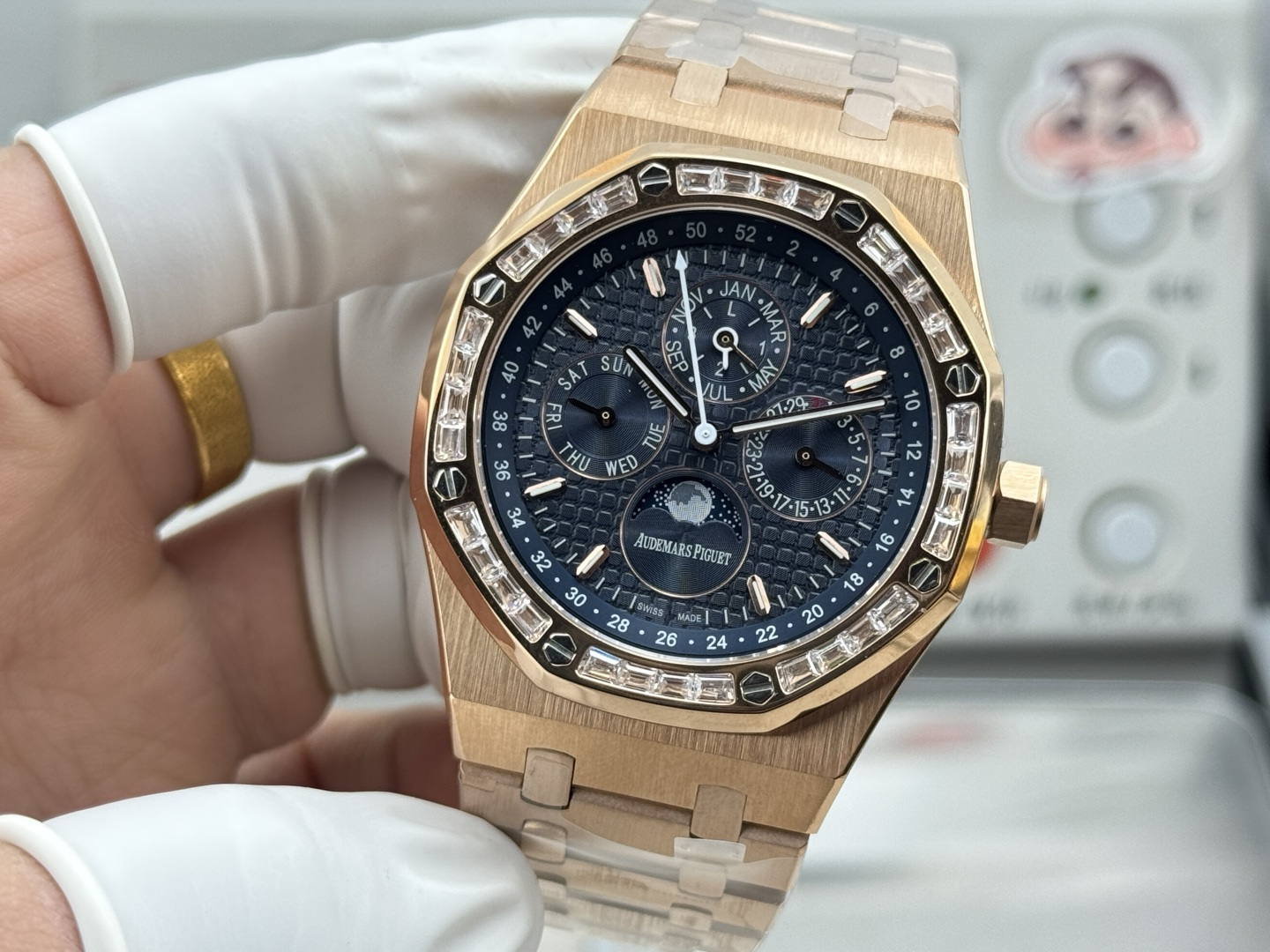
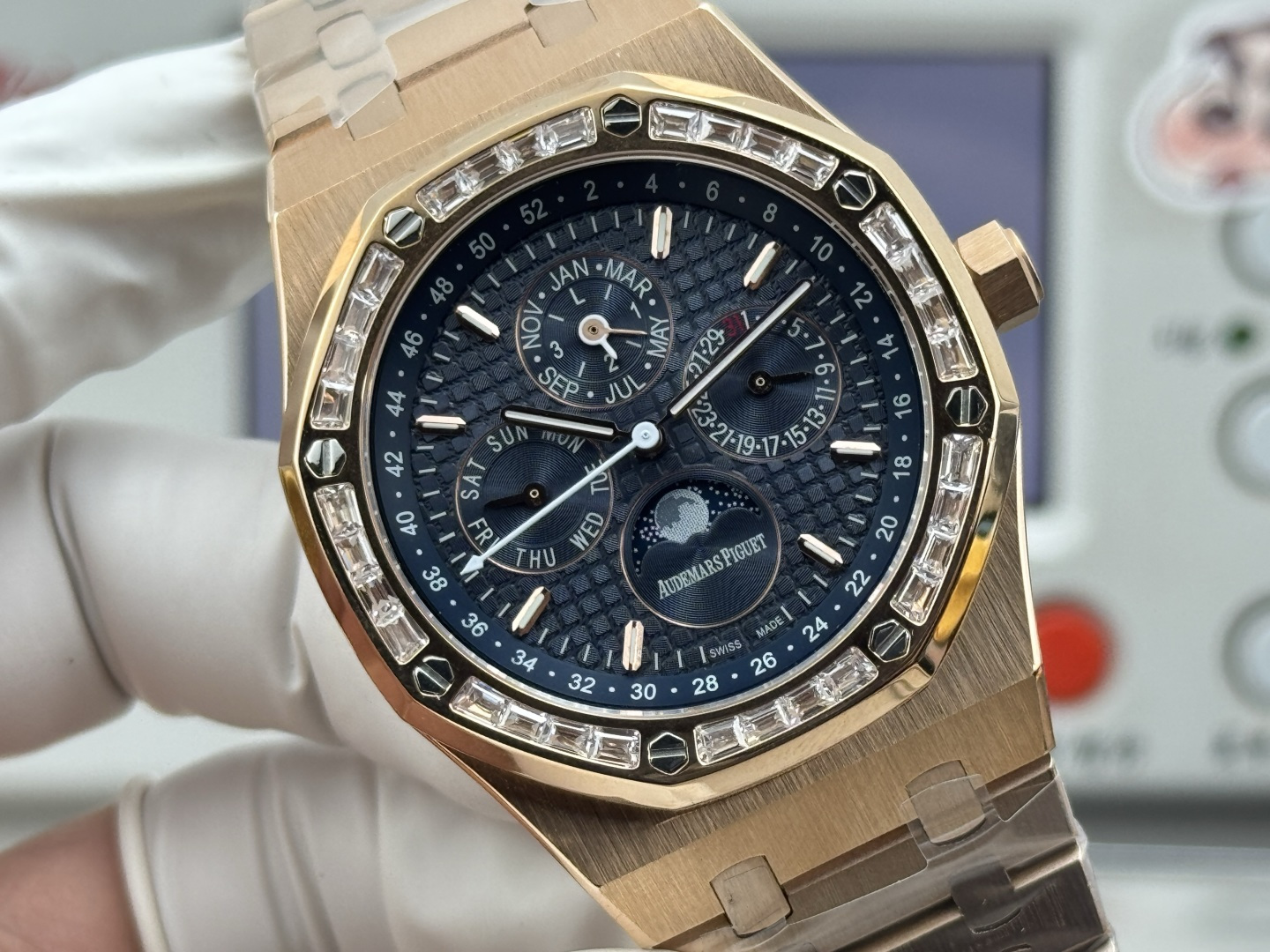
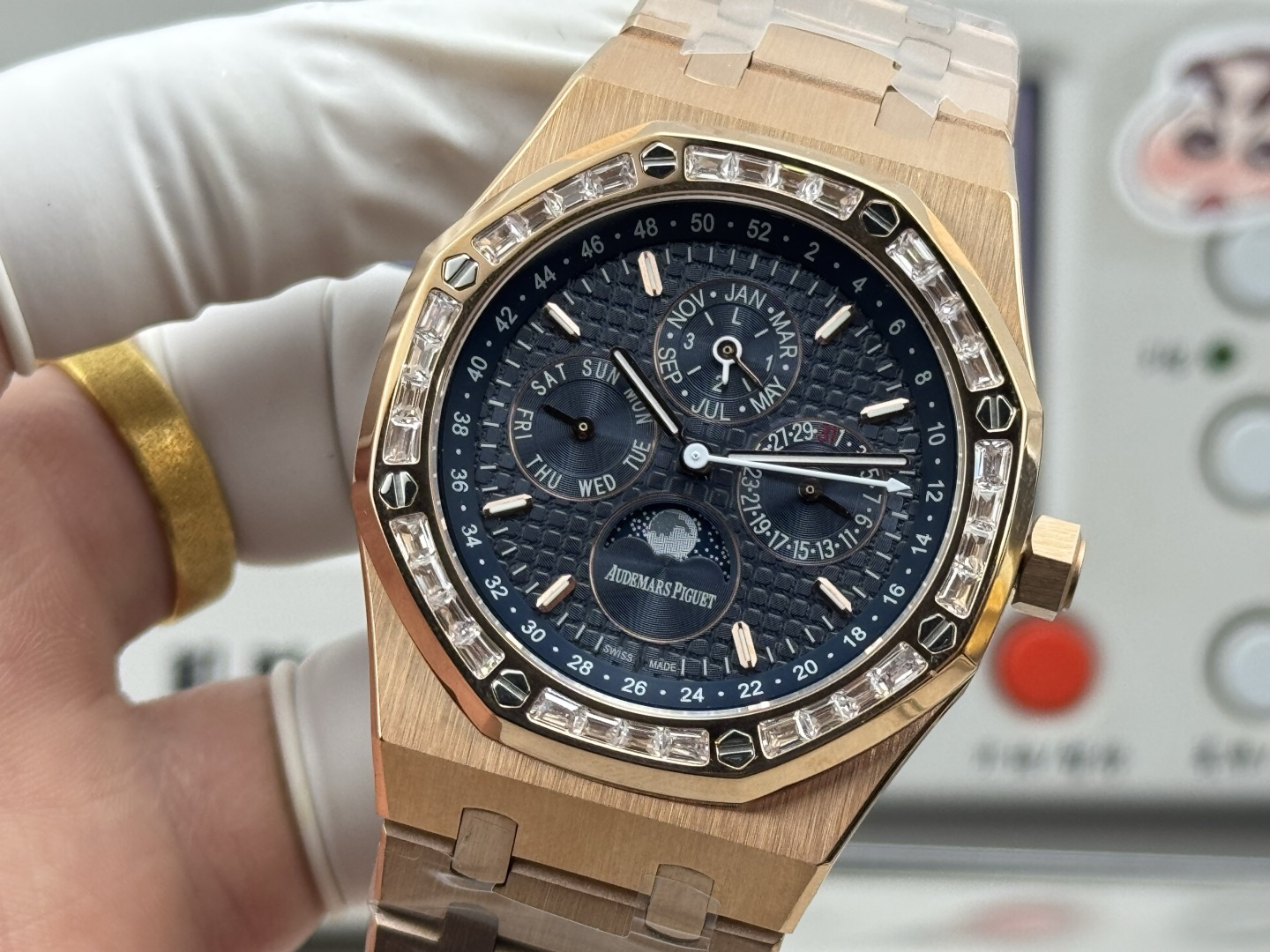
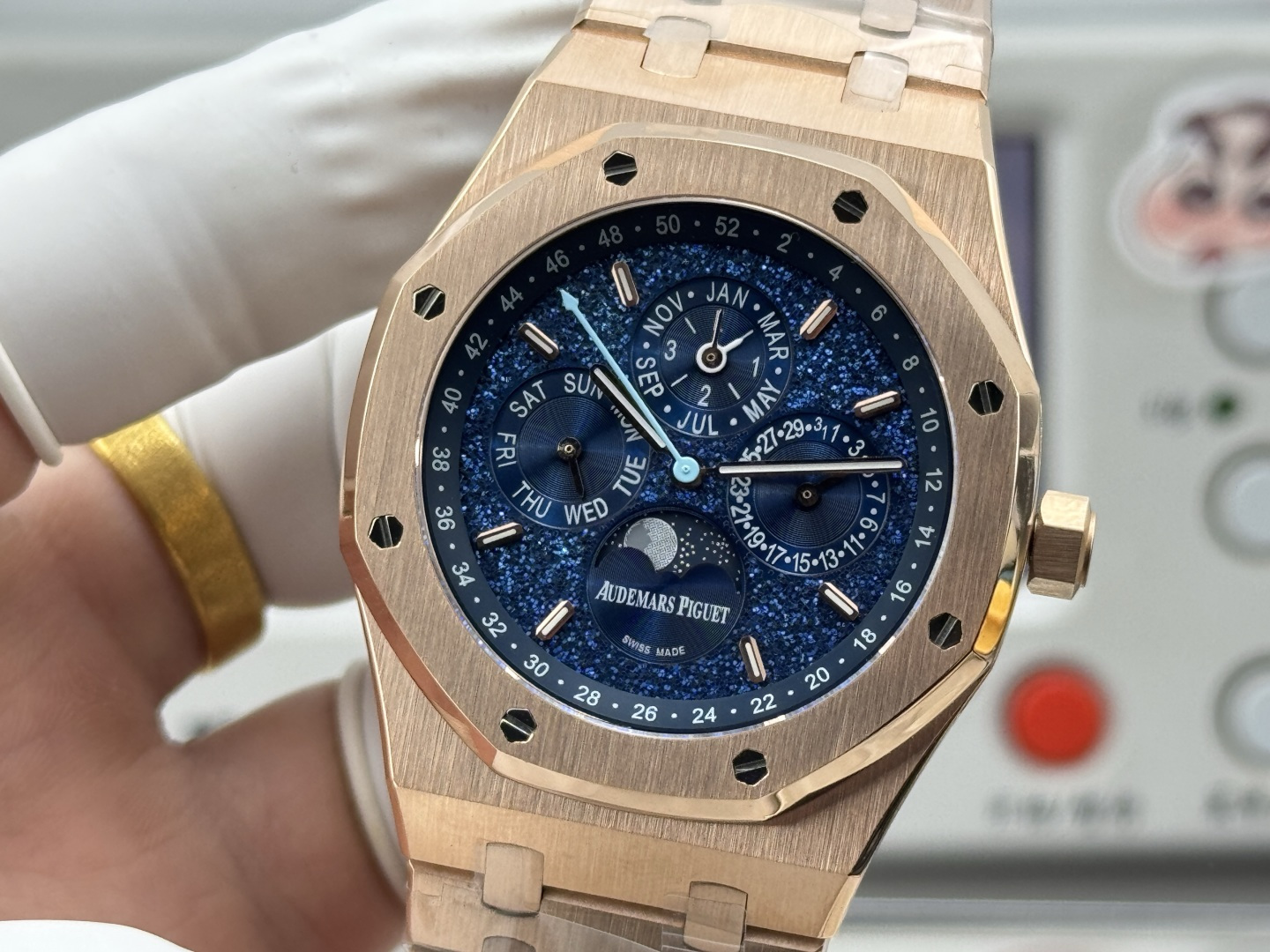
    So when a 1:1 clone of the 26574ST lands on my desk — a 41mm stainless steel perpetual calendar with a functioning moon phase, day, date, and month display, built around a custom caliber designated the Cal. 5134 equivalent — the first question isn’t moral. The first question is: how close did they actually get?

    The Retail Absurdity

    The genuine 26574ST is built around Audemars Piguet’s in-house Cal. 5134, a perpetual calendar movement of genuine sophistication. It features a Gregorian calendar mechanism that accounts for months of varying lengths and theoretically won’t need manual date correction until the year 2100. The dial architecture — that iconic integrated octagonal bezel, tapisserie guilloché surface, and the layered sub-dial arrangement — is one of the most recognisable faces in watchmaking. AP knows this. They price accordingly. They restrict supply accordingly.

    The grey market for the genuine article runs between $85,000 and $110,000 depending on condition and provenance. The clone sitting in front of me cost a fraction of that. I’m not here to moralize. I’m here to evaluate what you actually get for that fraction, measured against what AP’s engineers actually produced.

    The luxury watch industry created the grey market replica ecosystem through its own artificial scarcity. When a brand refuses to sell a $75,000 watch to a willing buyer with cash in hand, it doesn’t eliminate demand — it redirects it. That redirection built an entire parallel industry. AP, Patek, and Rolex are the architects of their own counterfeit problem.

    First Impressions & The Weight of Steel

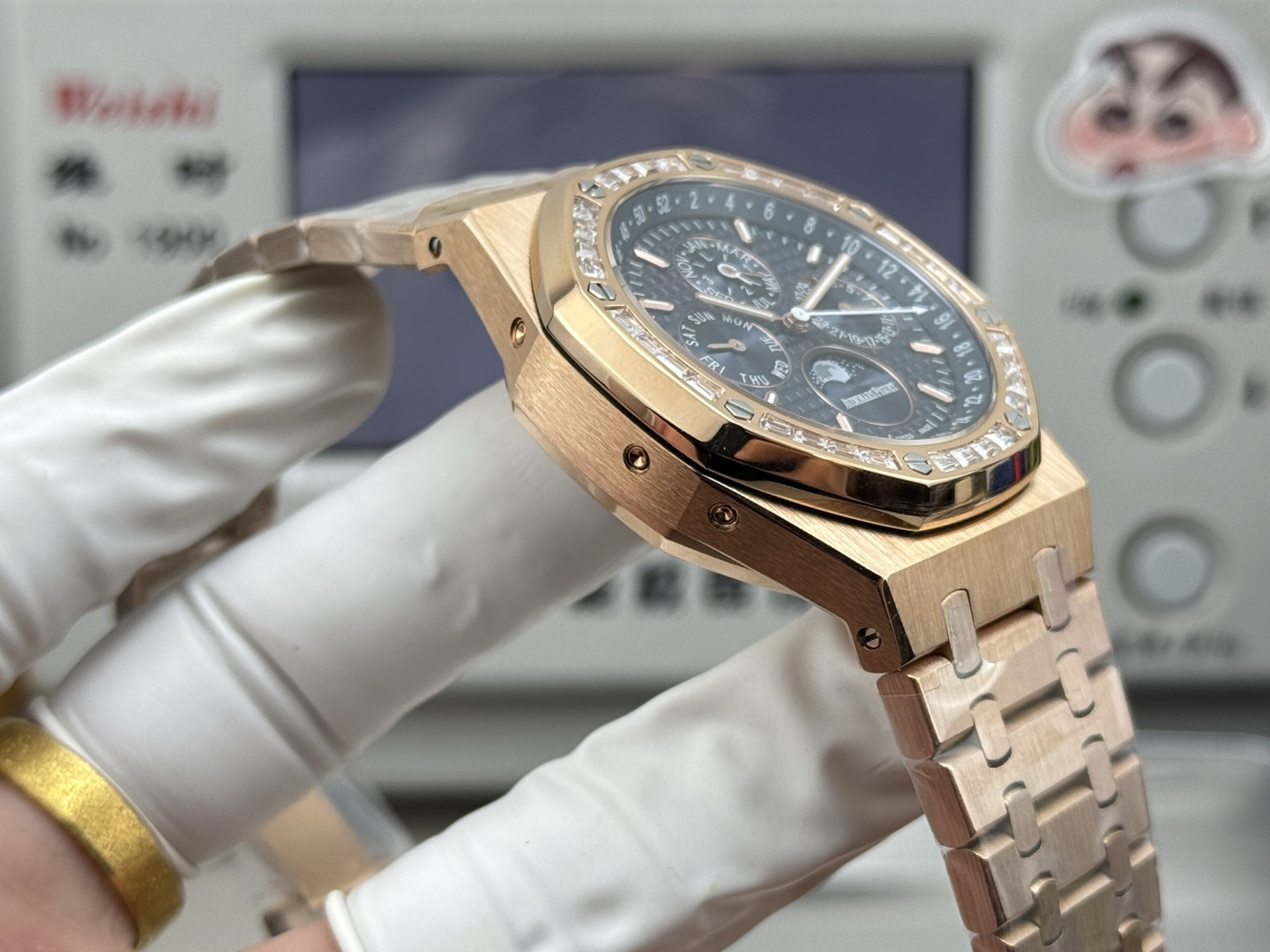
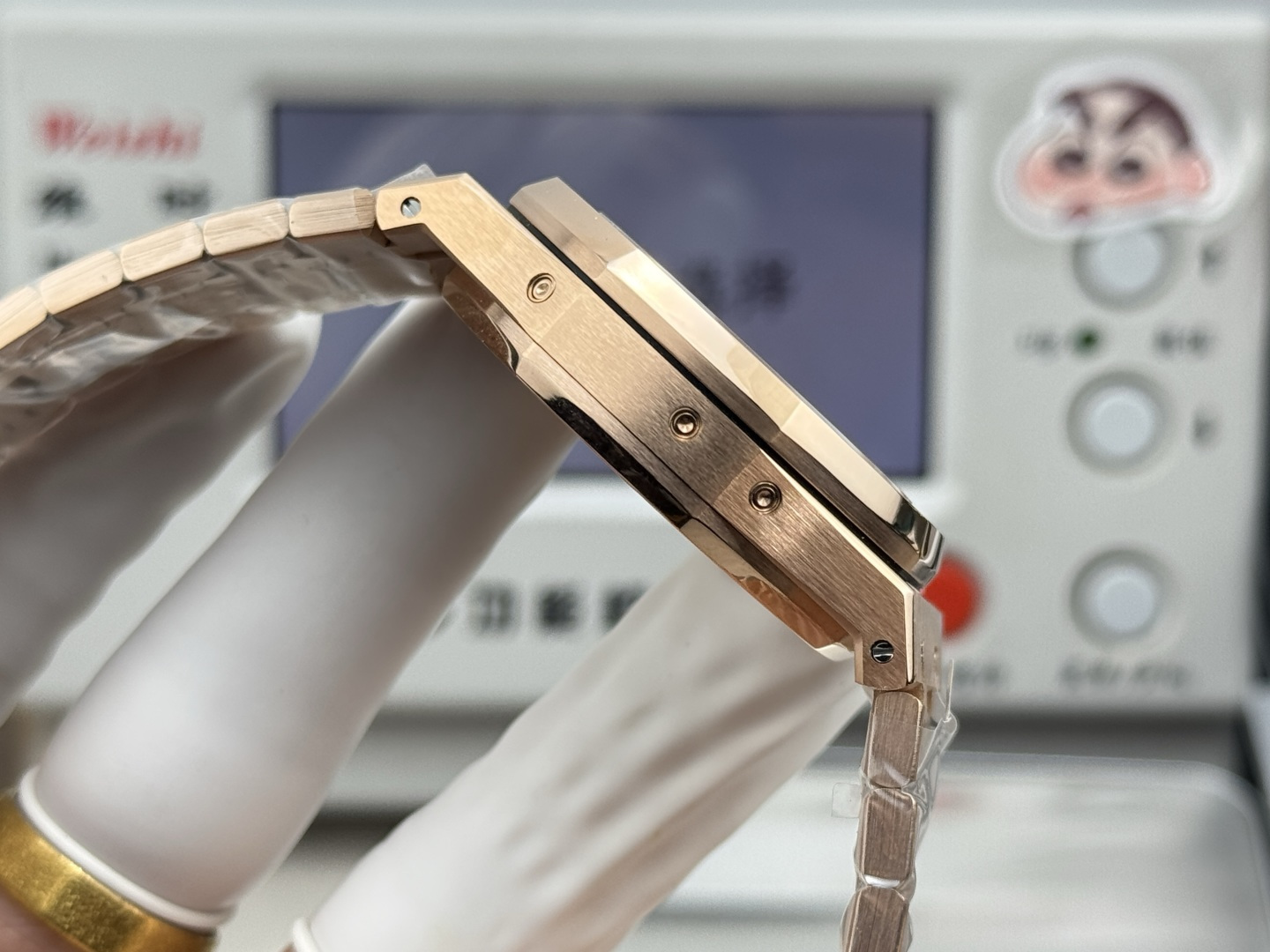
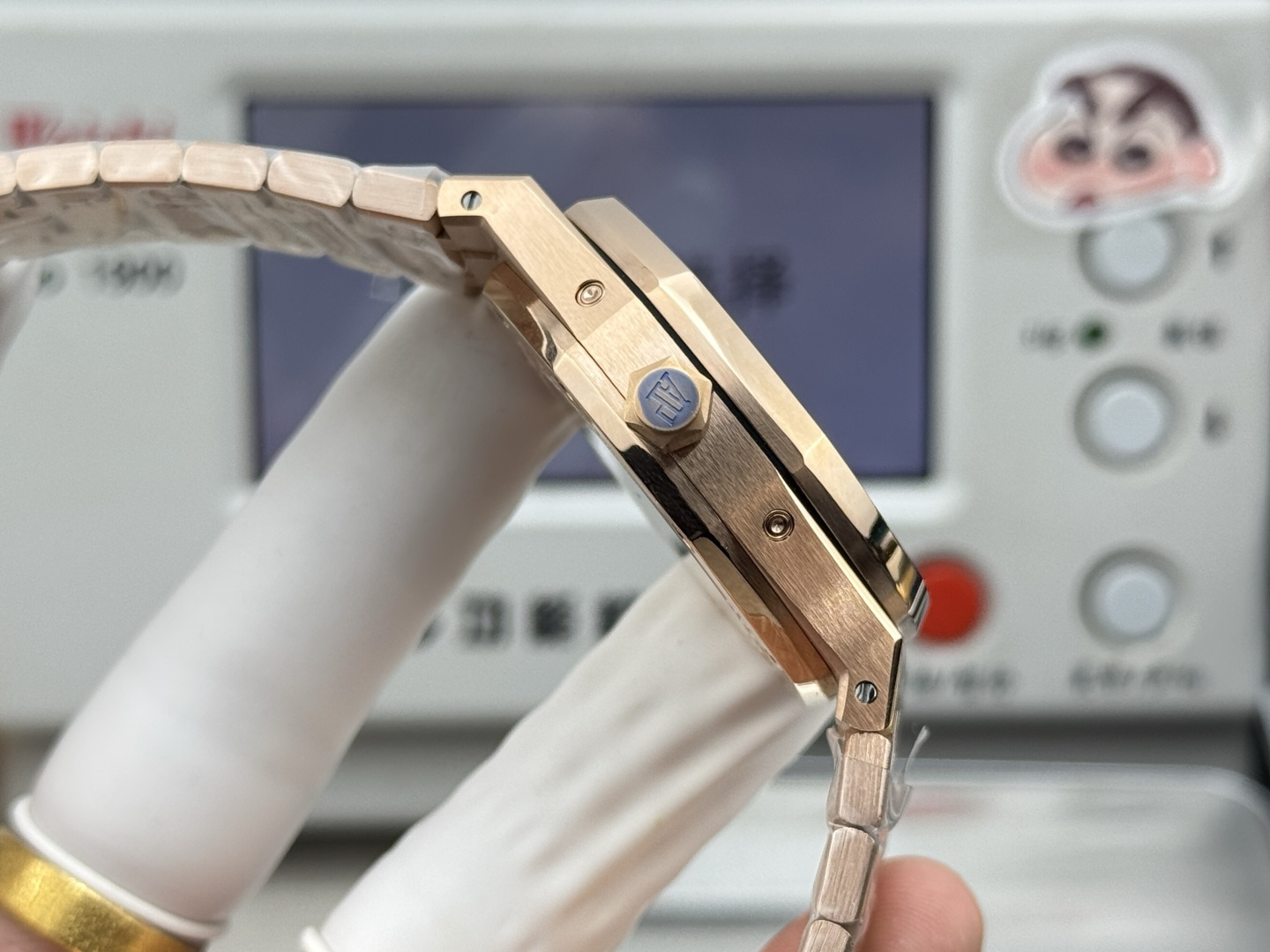
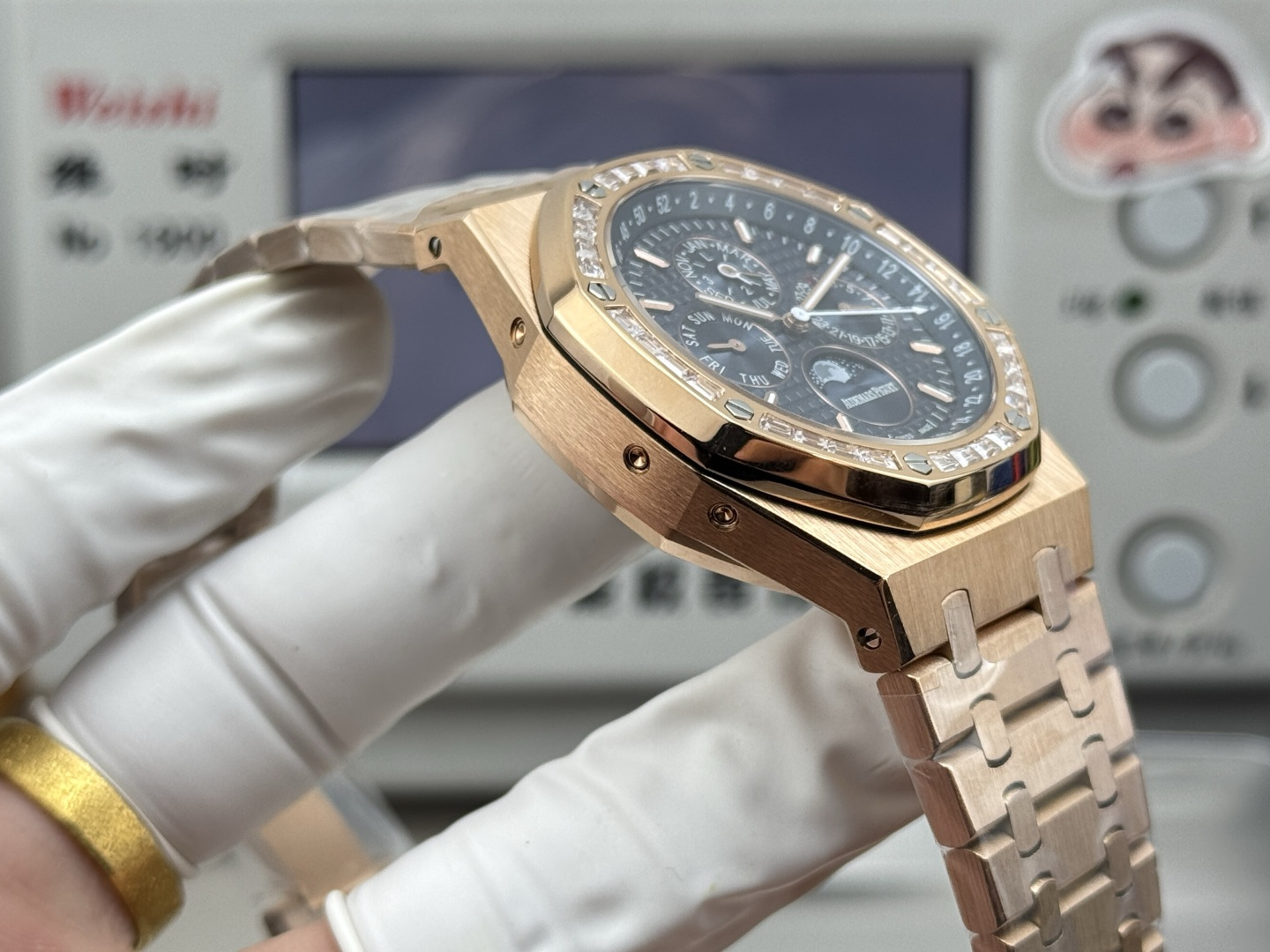
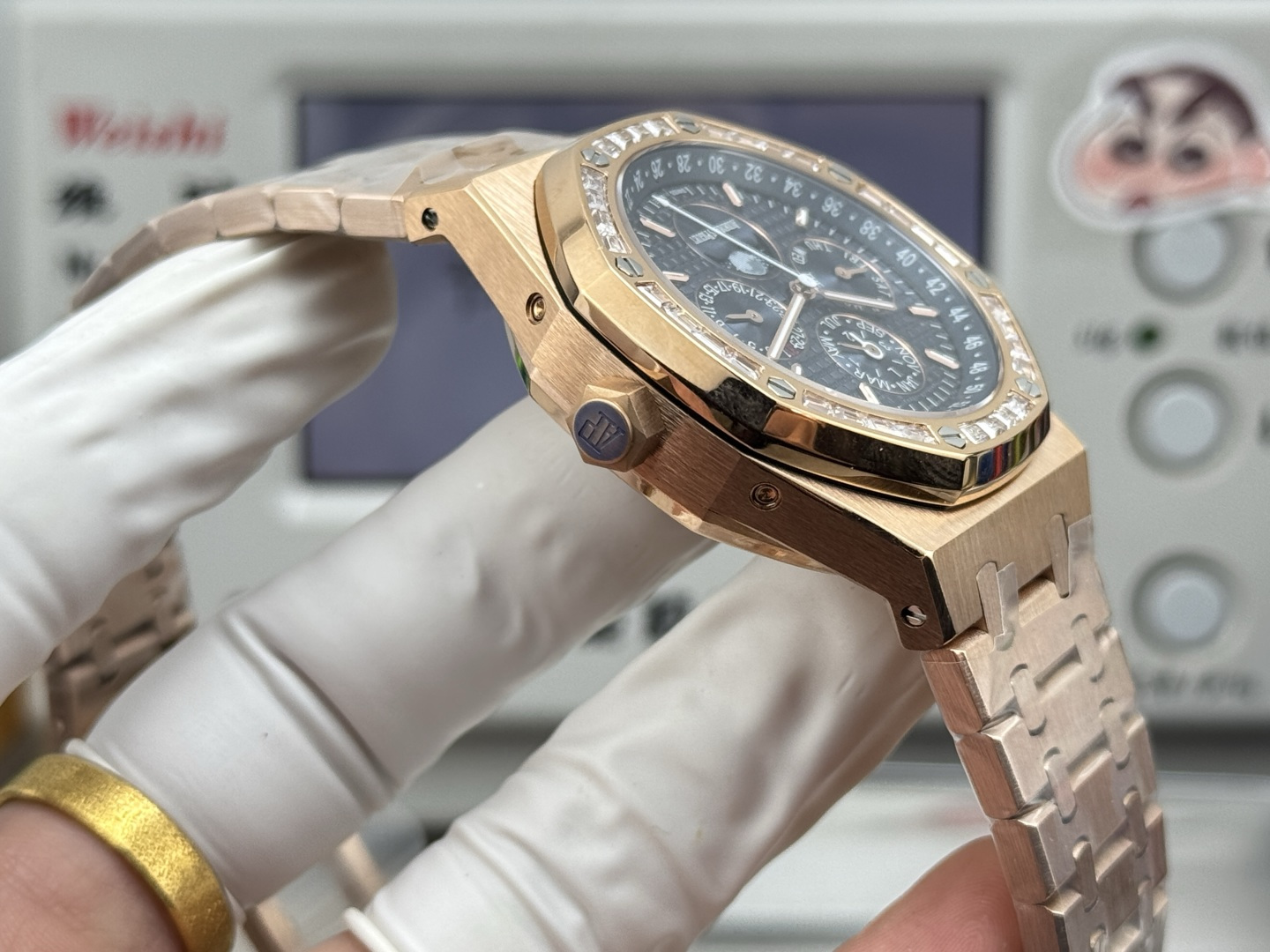
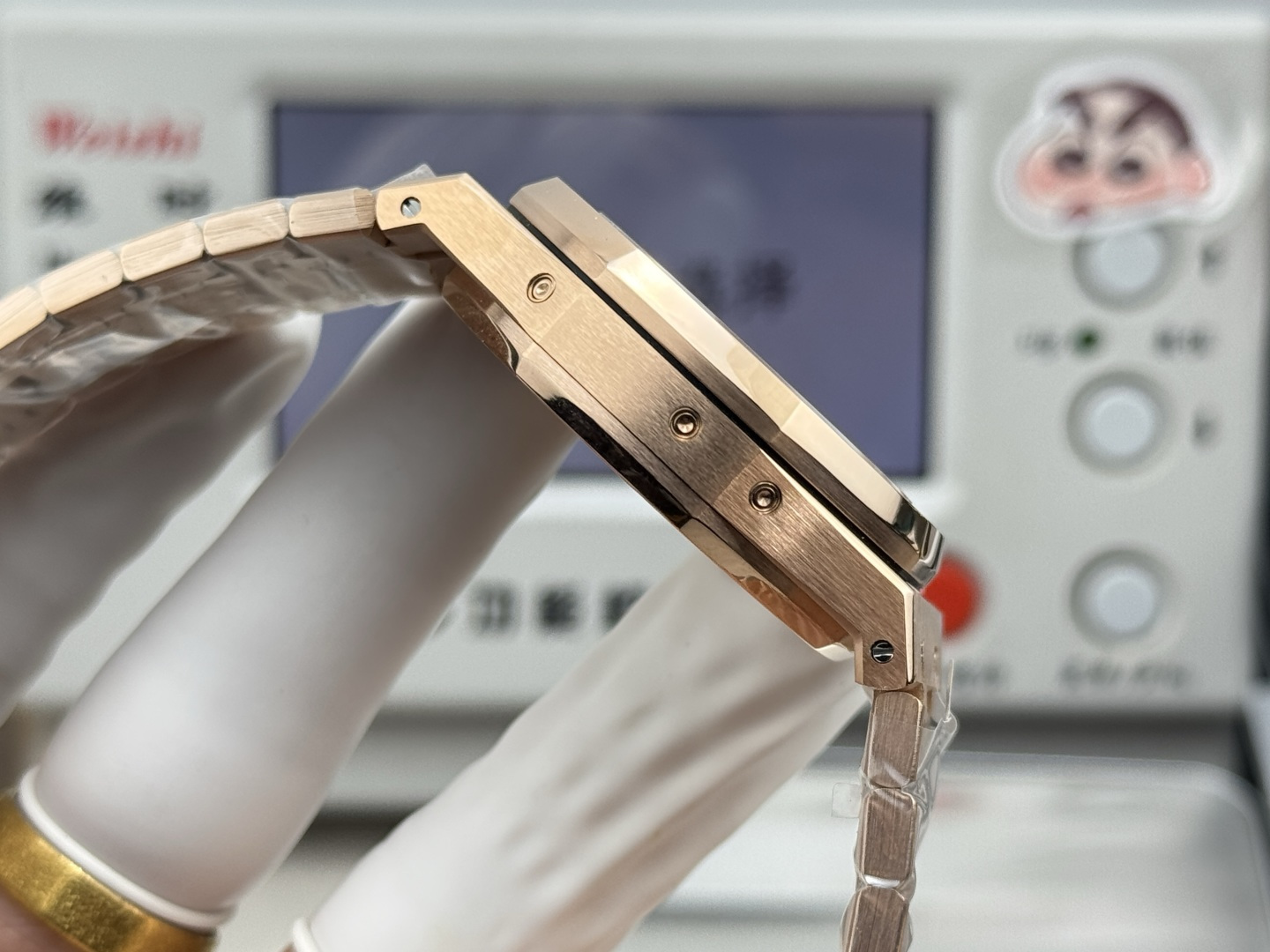
    The case arrives in 316L stainless steel, CNC-machined to a claimed density matching the genuine article. At 41mm in diameter, it sits exactly where the spec sheet says it should. The lug-to-lug measurement is consistent with the reference dimensions, and the ergonomics on the wrist are — and I want to be precise here — surprisingly convincing. This is not a hollow, rattling shell. There is real mass here. The genuine 26574ST has a characteristic heft that comes from the density of its case construction and the weight of the movement, and this clone approximates that feeling well enough that a casual wearer won’t notice the difference on the wrist.

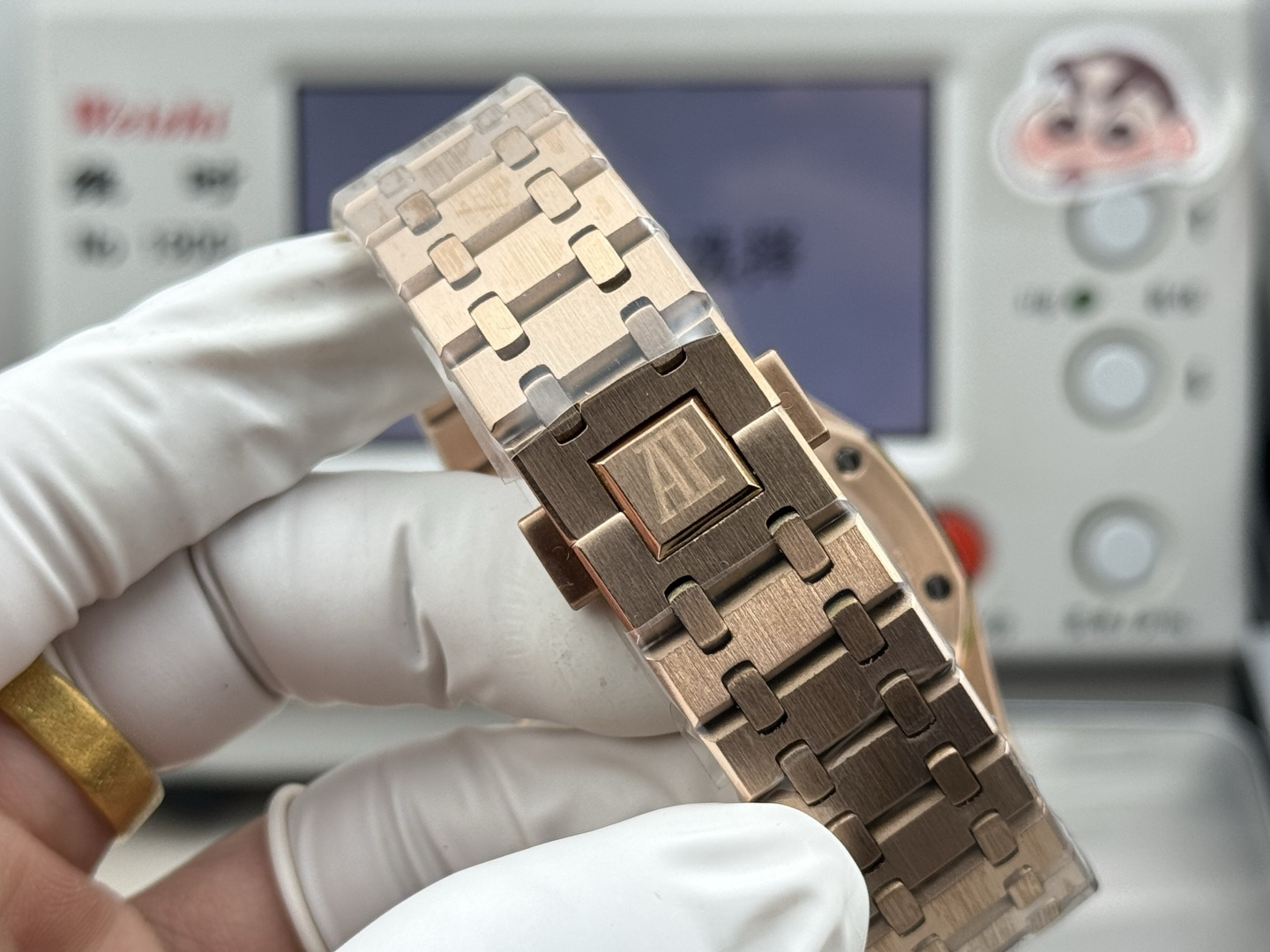
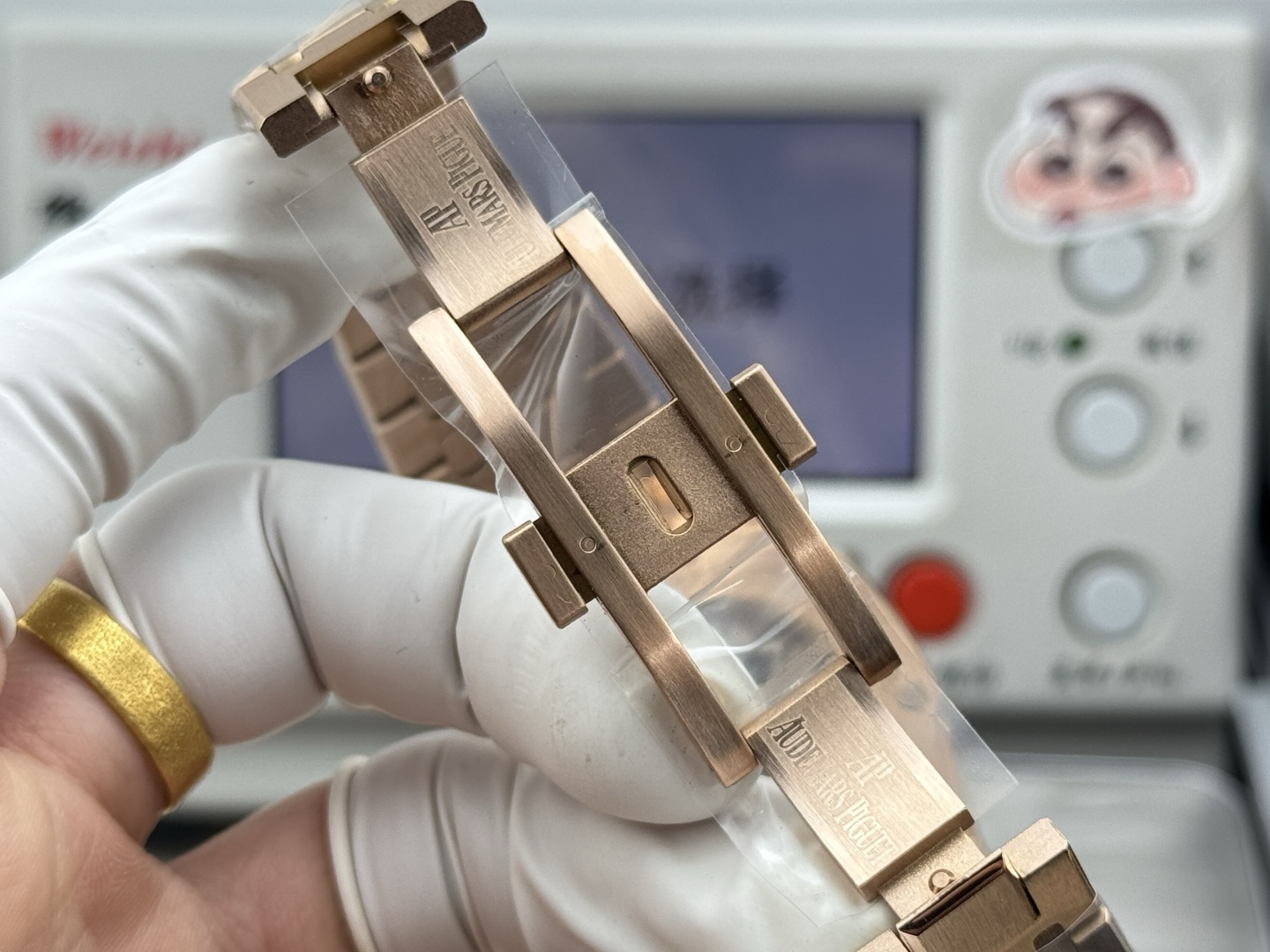
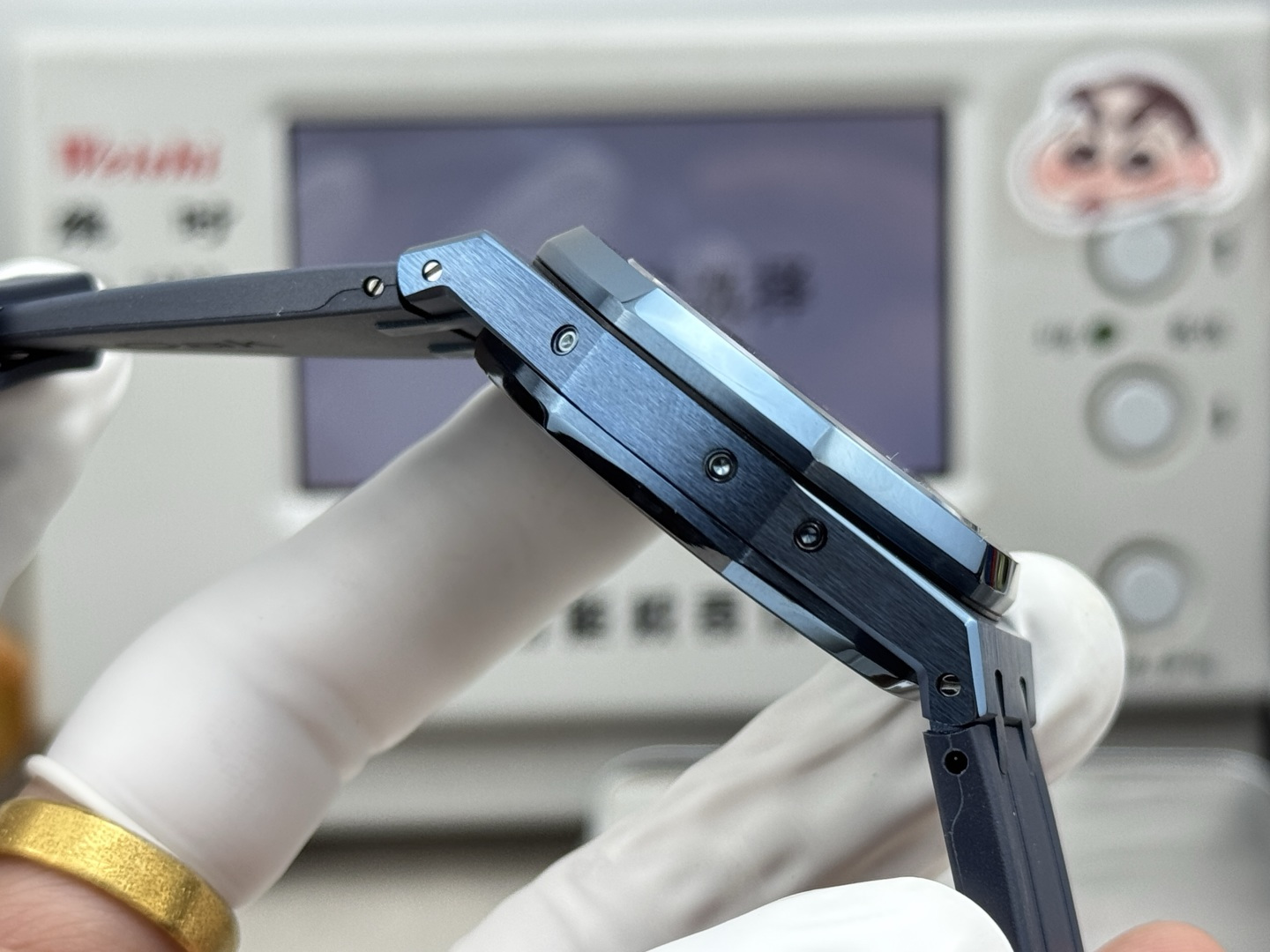
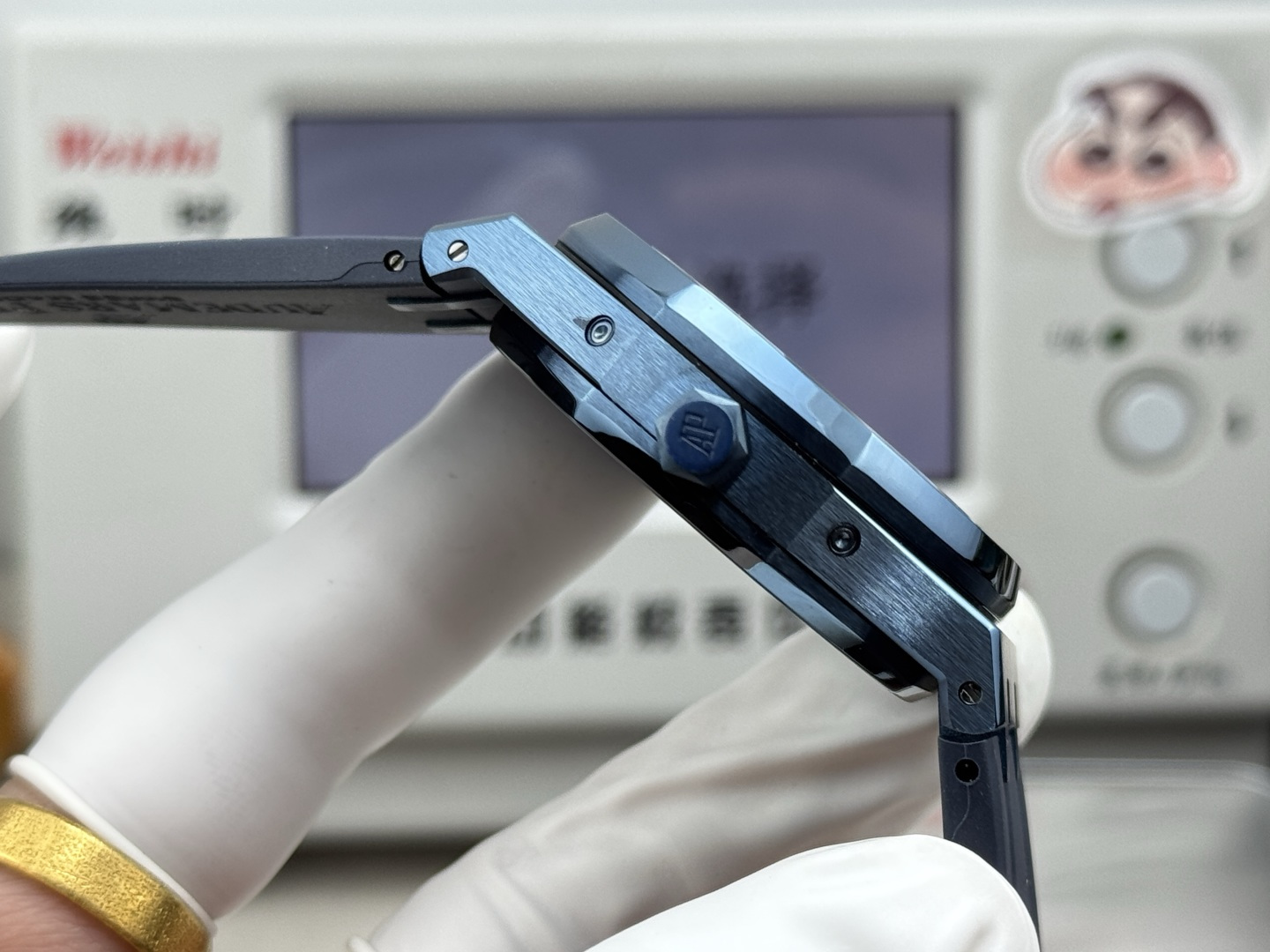
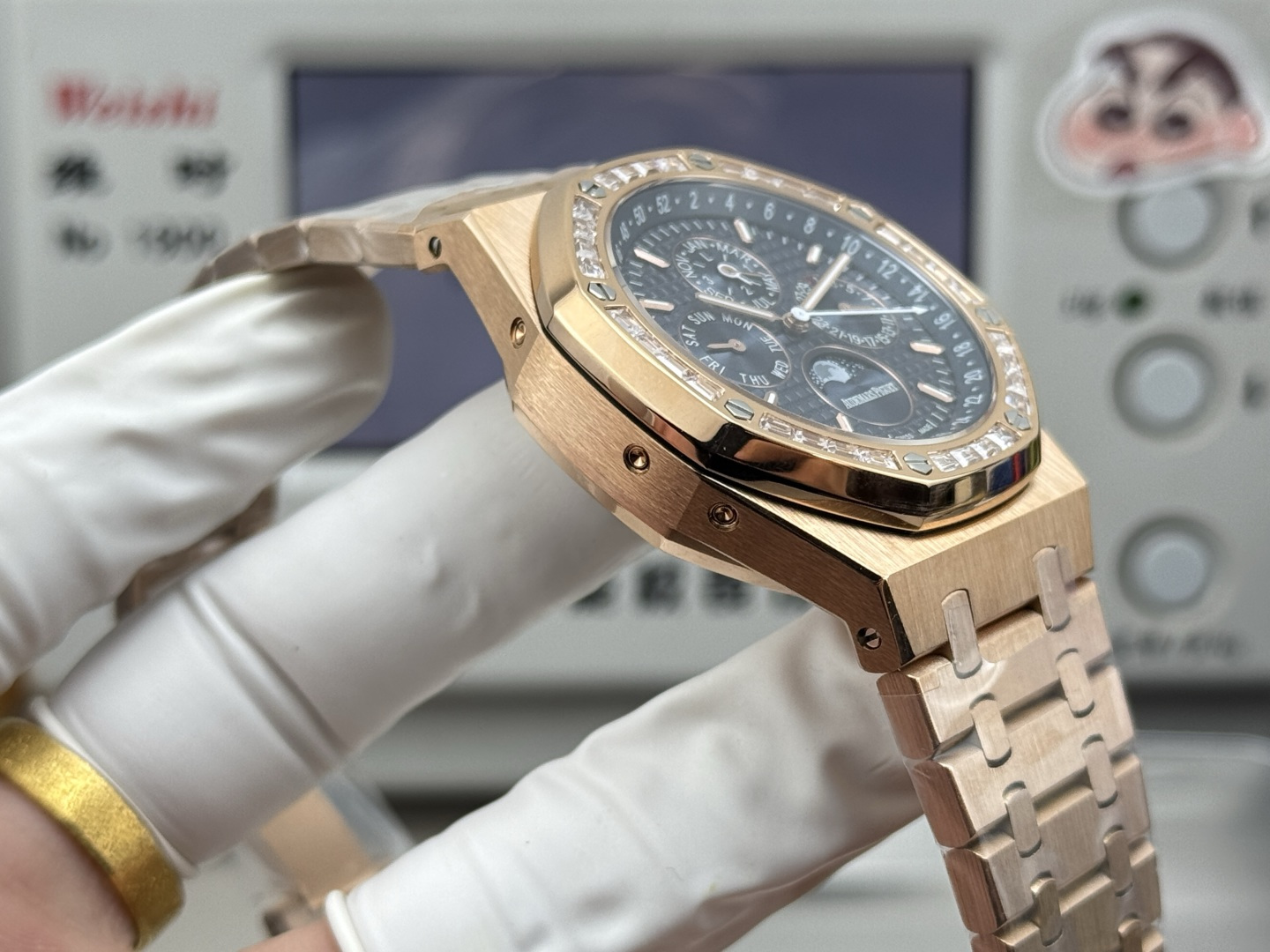
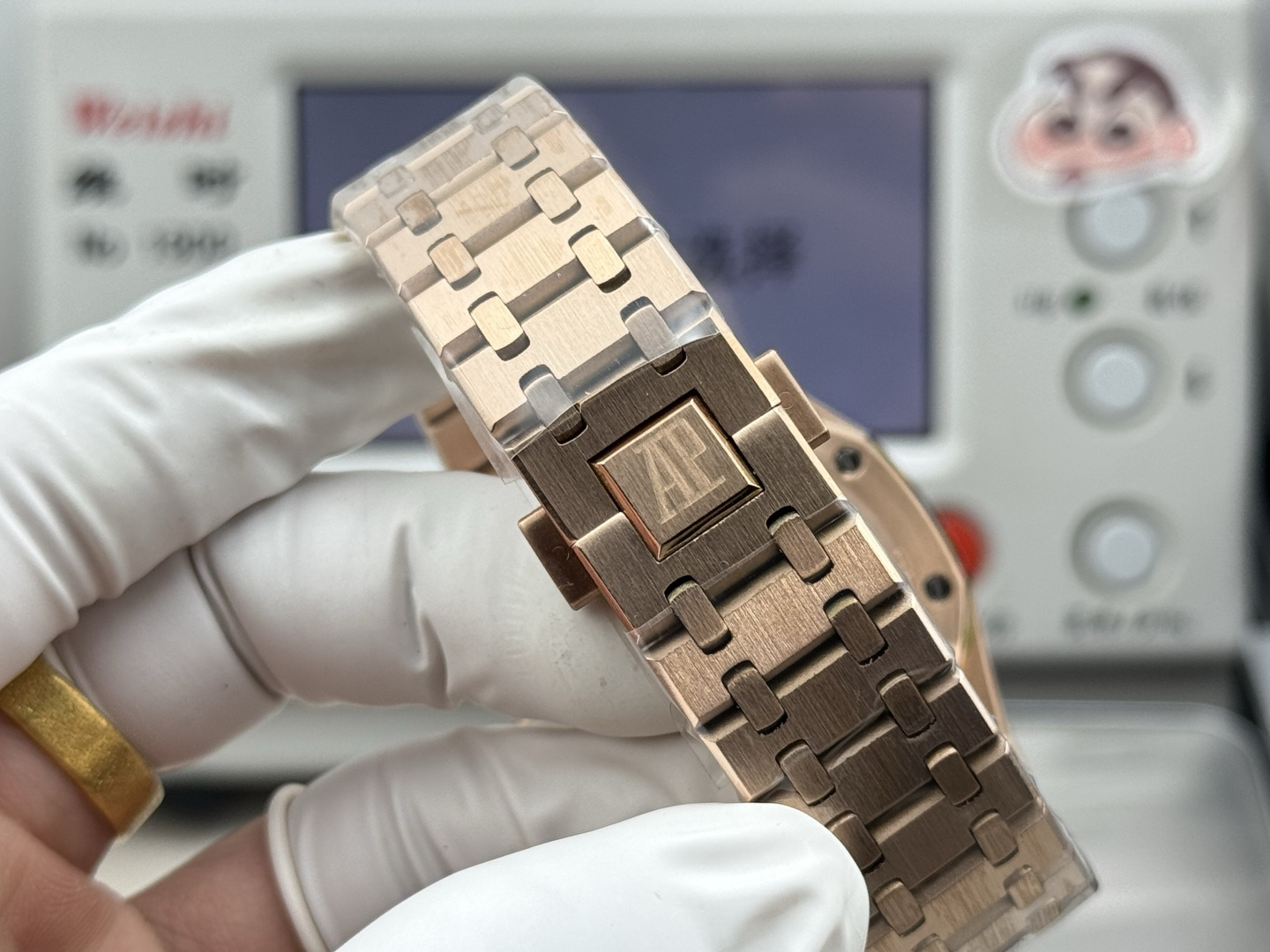
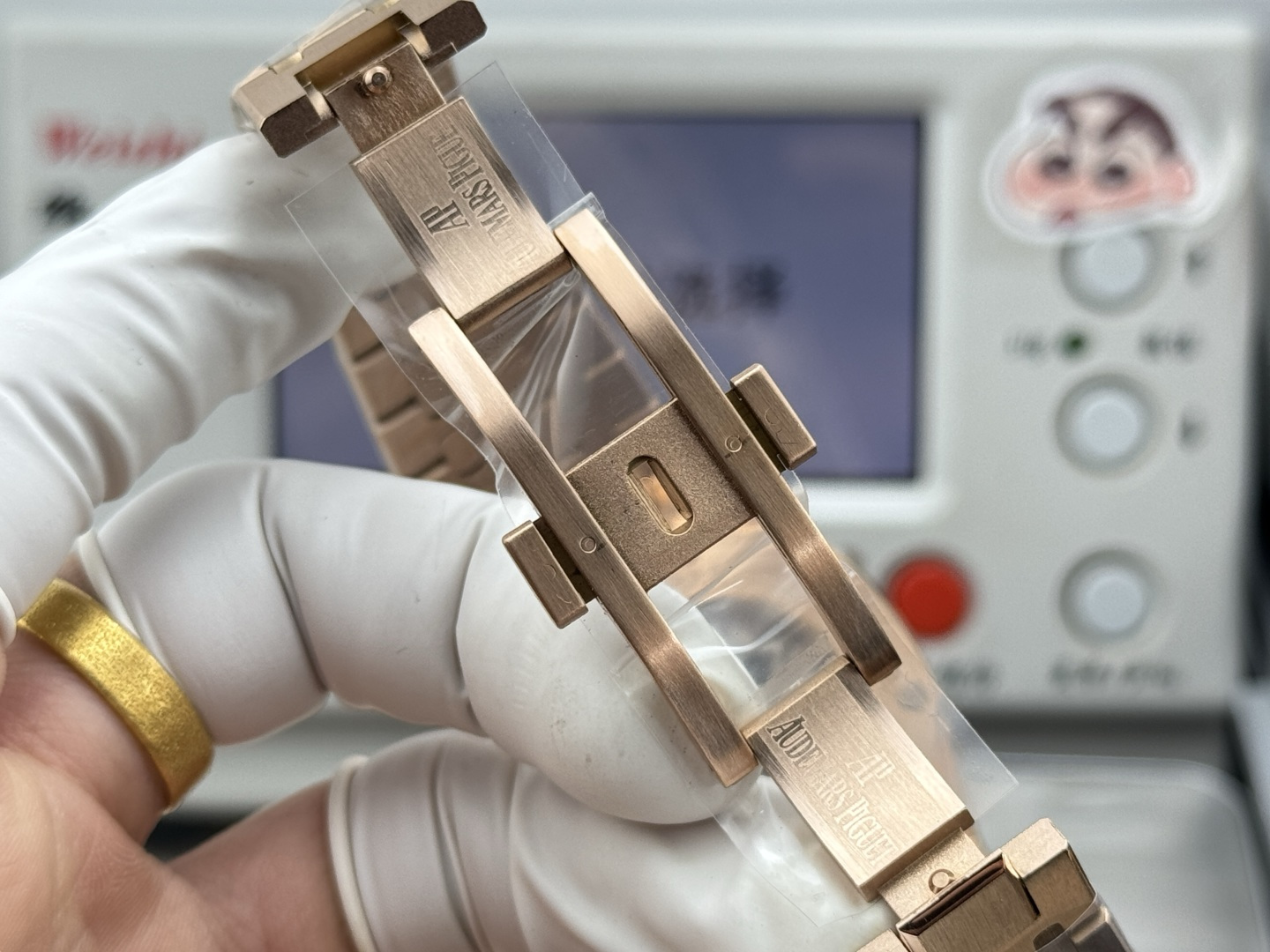
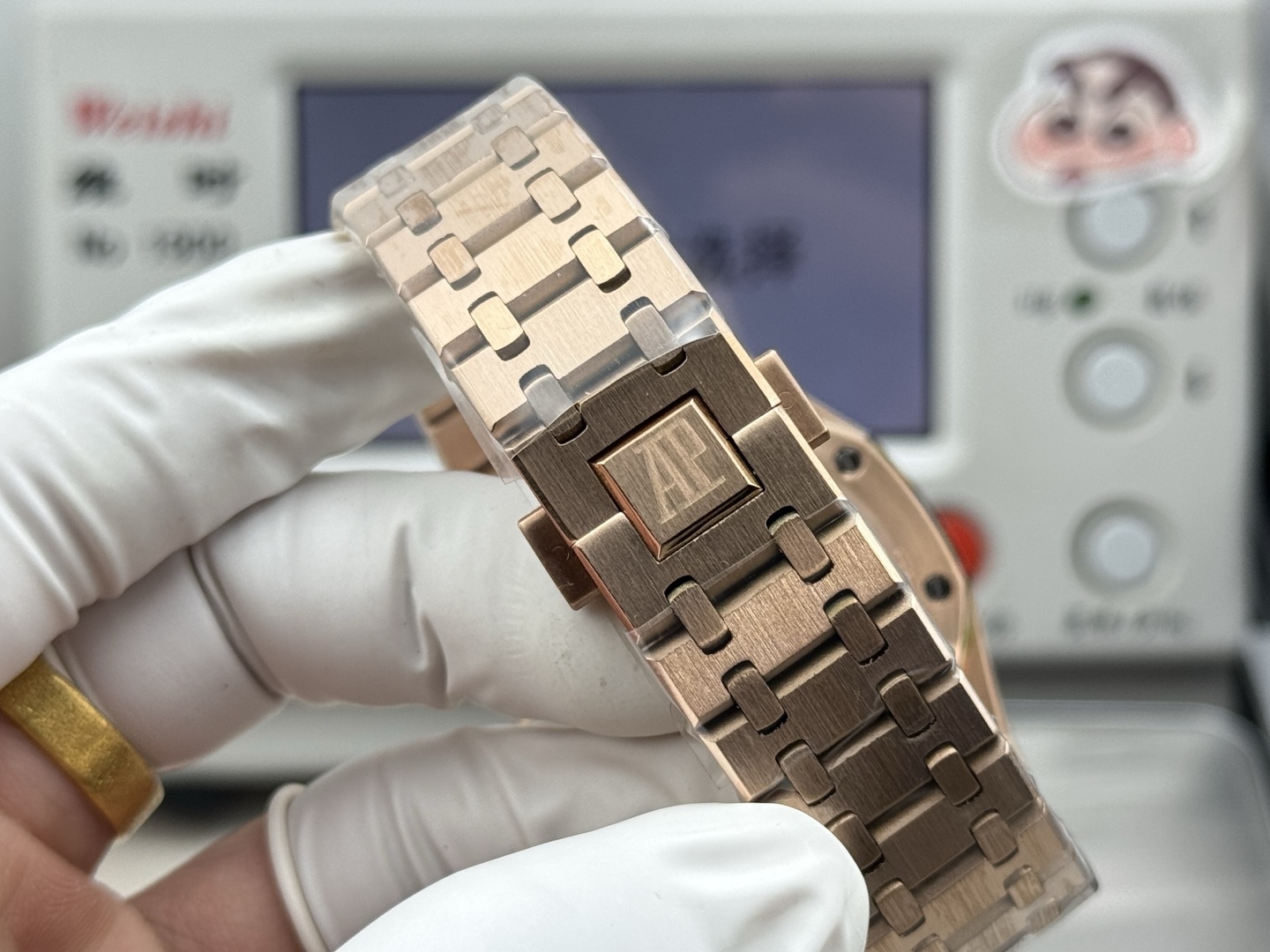
    The integrated bracelet — available in steel, rubber, or leather according to the spec sheet — is where I focused considerable attention. The SEL articulation on the steel variant is the first place budget constraints typically reveal themselves on Royal Oak clones. Cheap versions have stiff, gappy solid end links that clunk against the case with the subtlety of a dropped spanner. This example is better. The SEL integration is tighter than I expected. The brushed finishing on the bracelet links is directionally correct — satin-brushed on the flat surfaces, with polished bevels on the outer edges — though under a 10x loupe, the chamfering on the inner link edges lacks the crisp, consistent anglage you’d find on the genuine bracelet. On AP’s actual bracelet, those chamfers are hand-finished to a near-poli spéculaire standard. Here, they’re machine-finished and slightly inconsistent in width. Not visible to the naked eye. Absolutely visible under magnification.

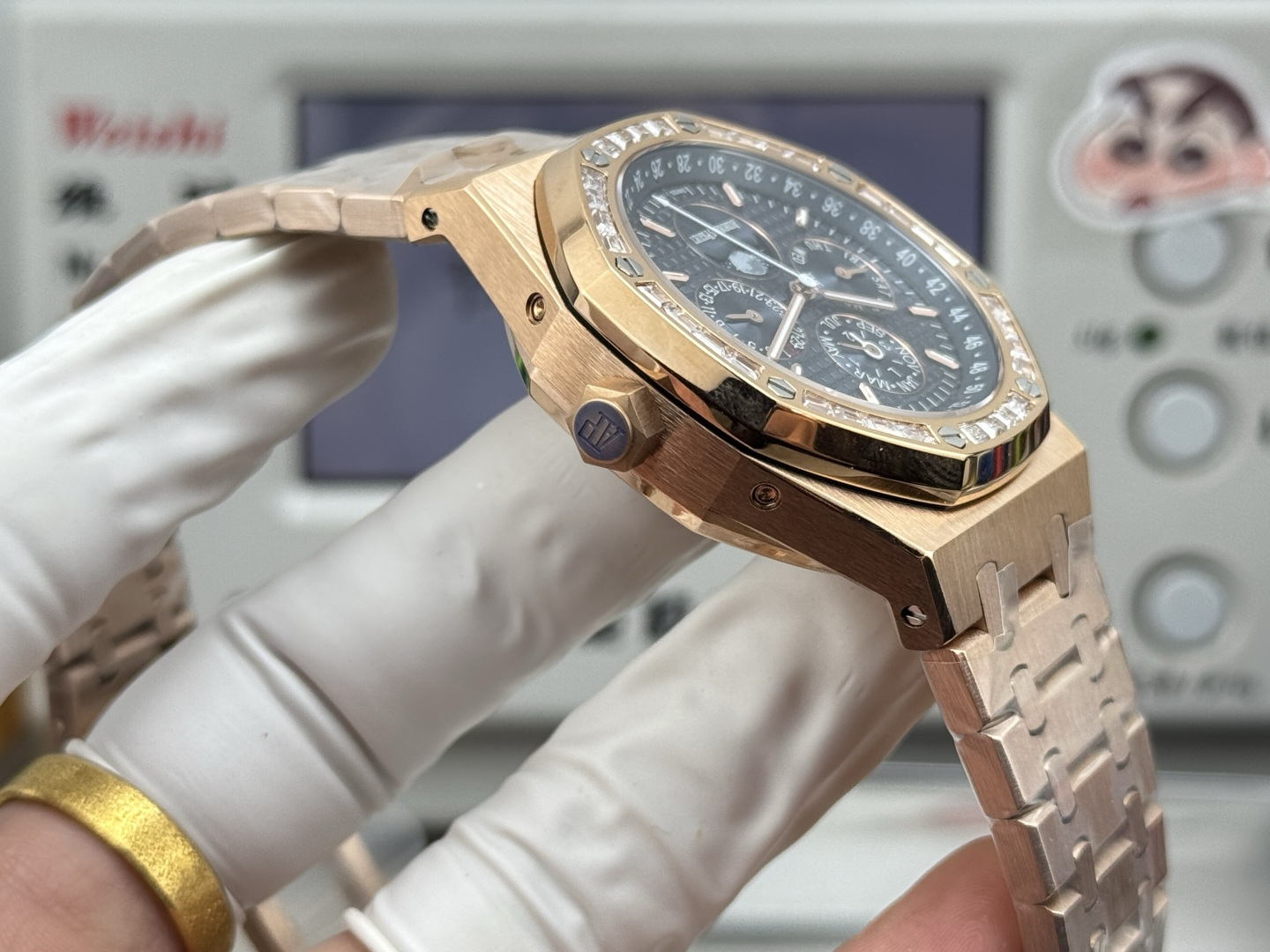
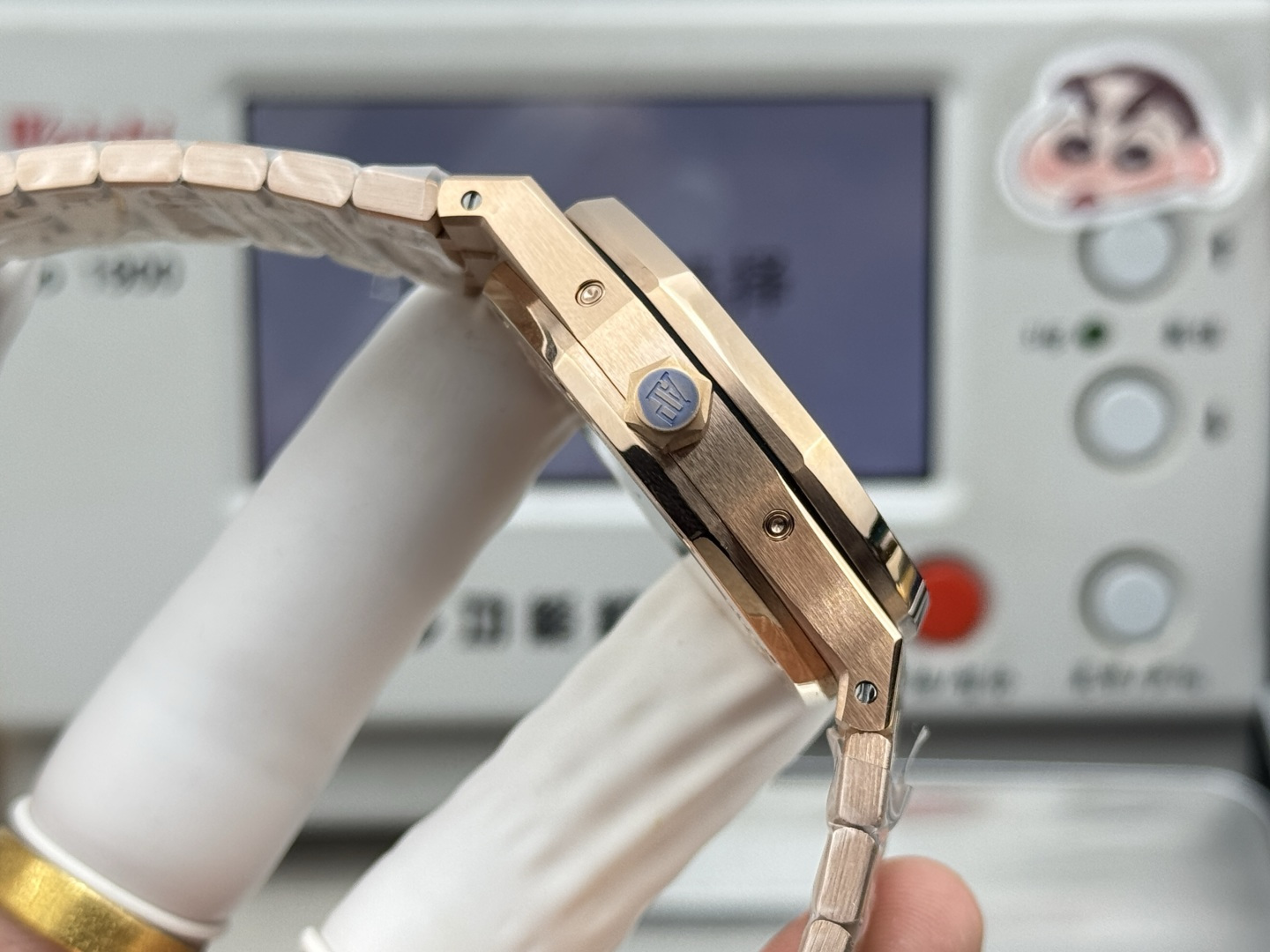
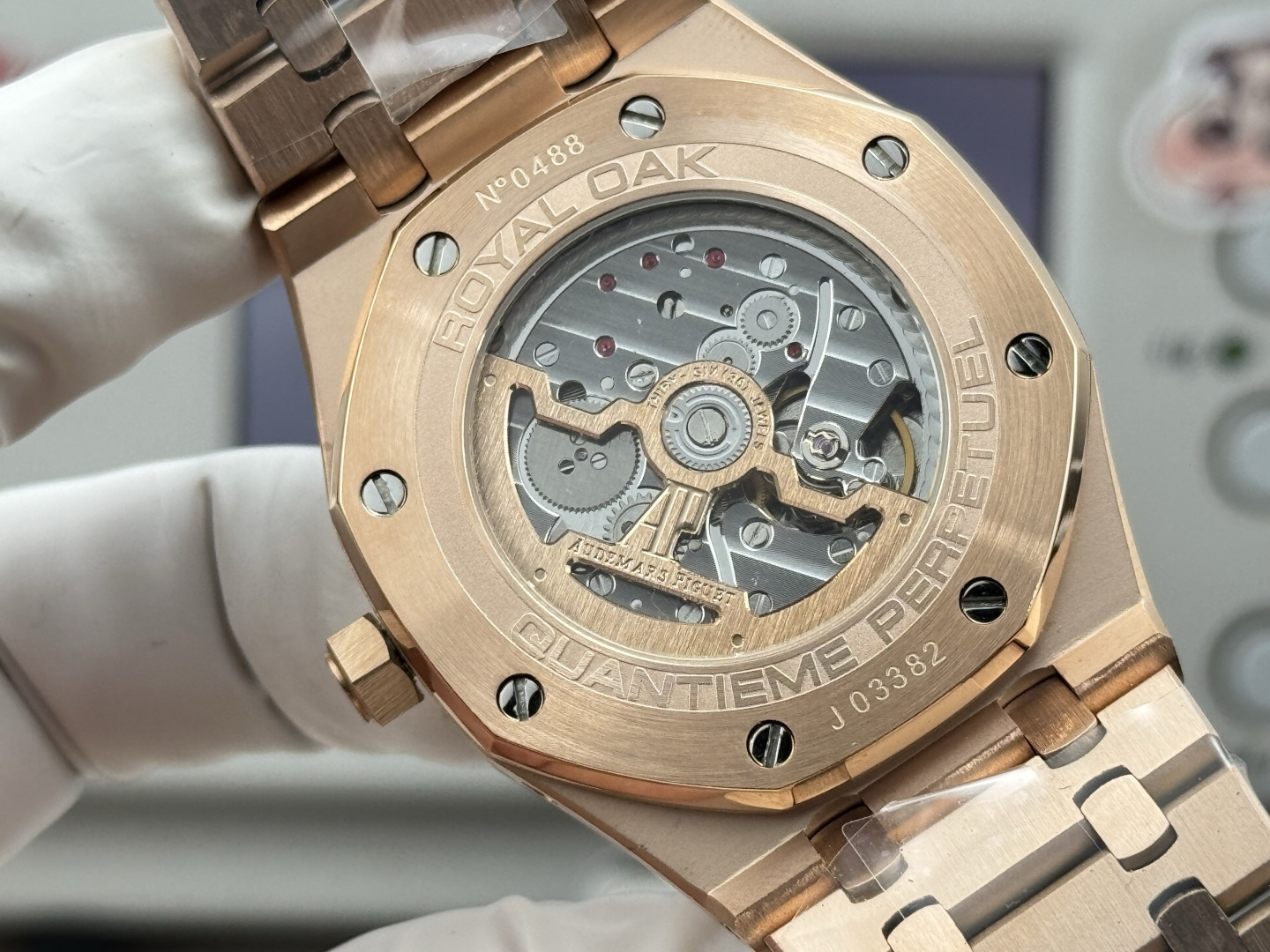
    The crown is properly recessed into the case flank, correctly sized, and has adequate grip texture. The pushers for the calendar functions have a satisfying mechanical resistance. The caseback is a solid three-piece construction — bezel ring, case middle, and caseback — which the spec sheet correctly identifies as a three-component assembly. No exhibition caseback on this reference, which is appropriate; the genuine 26574ST also wears a solid caseback.

    Optical Illusions: The Dial and AR Coating

    This is where I want to spend real time, because the dial of the 26574ST is one of the most complex surfaces in AP’s catalogue, and getting it right — or failing to get it right — tells you everything about the ambition level of the manufacturer.

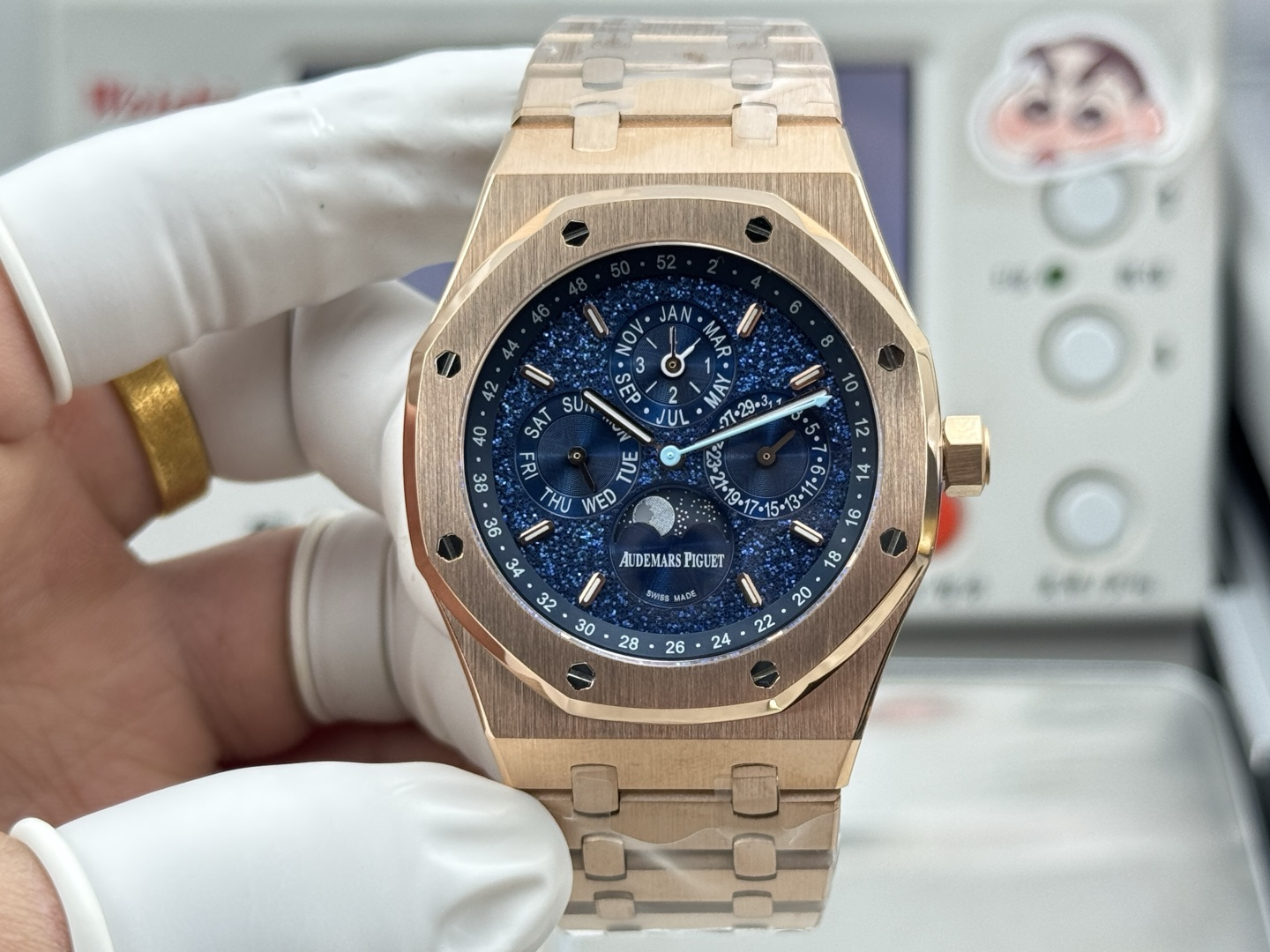
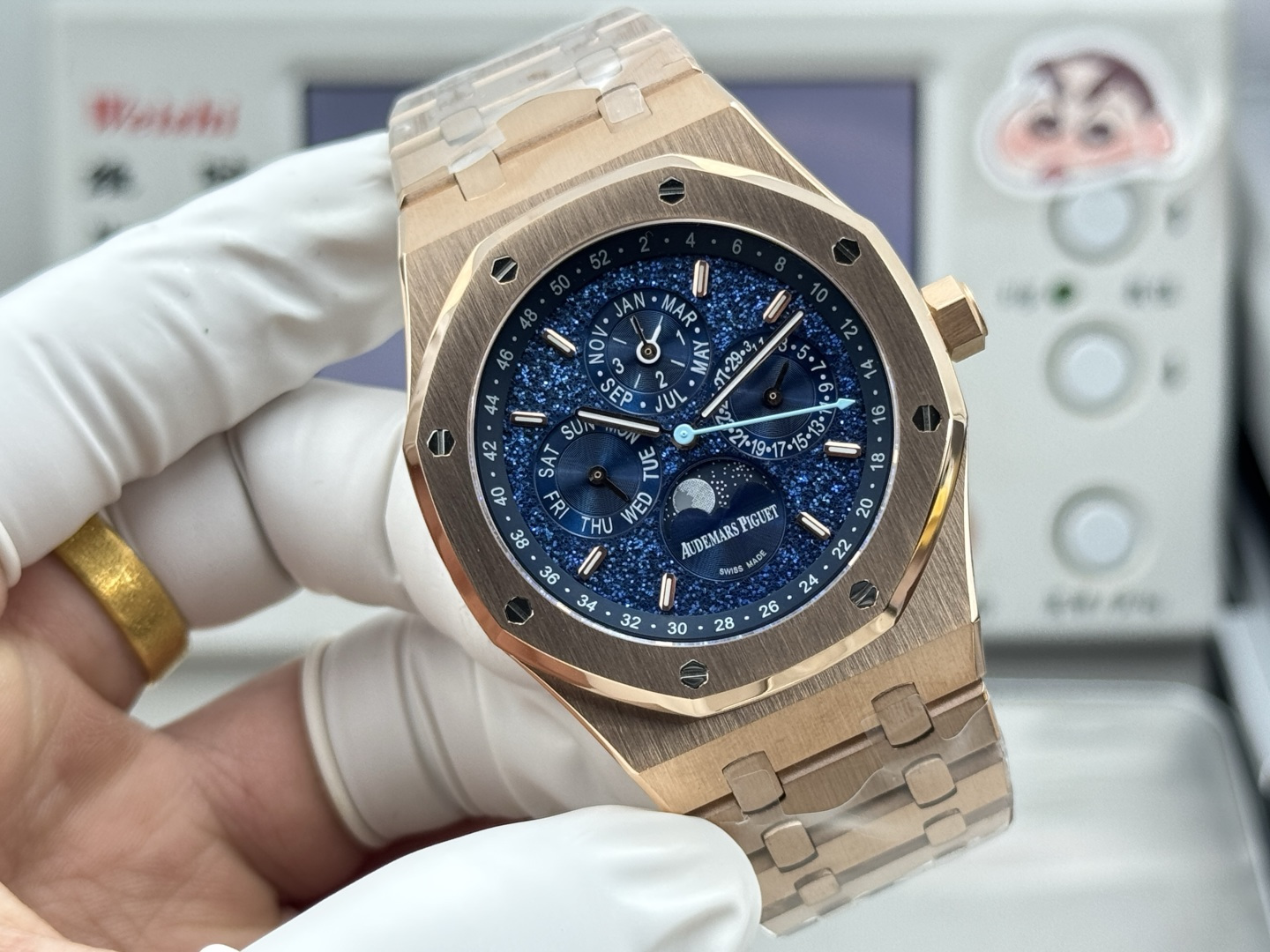
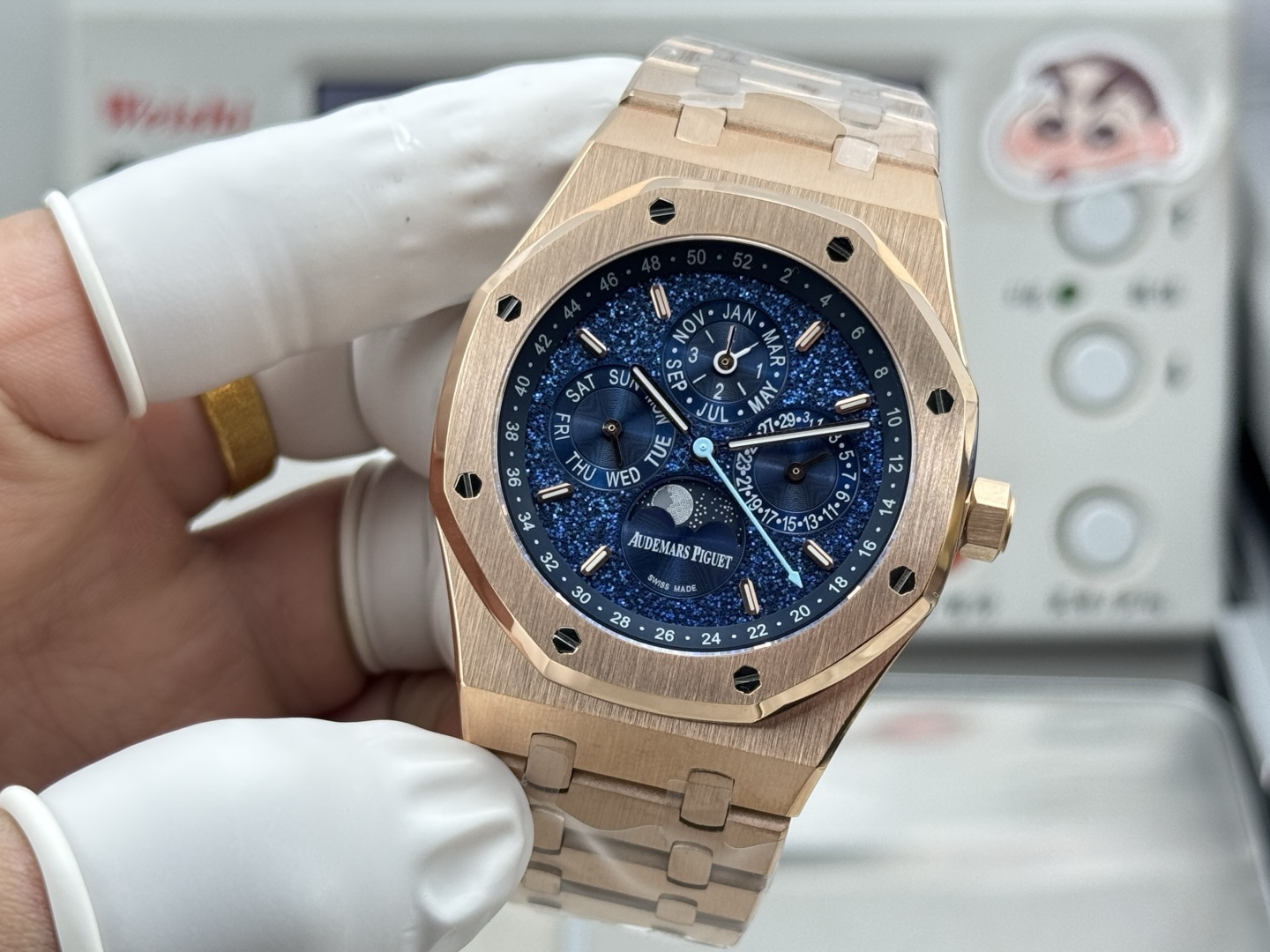
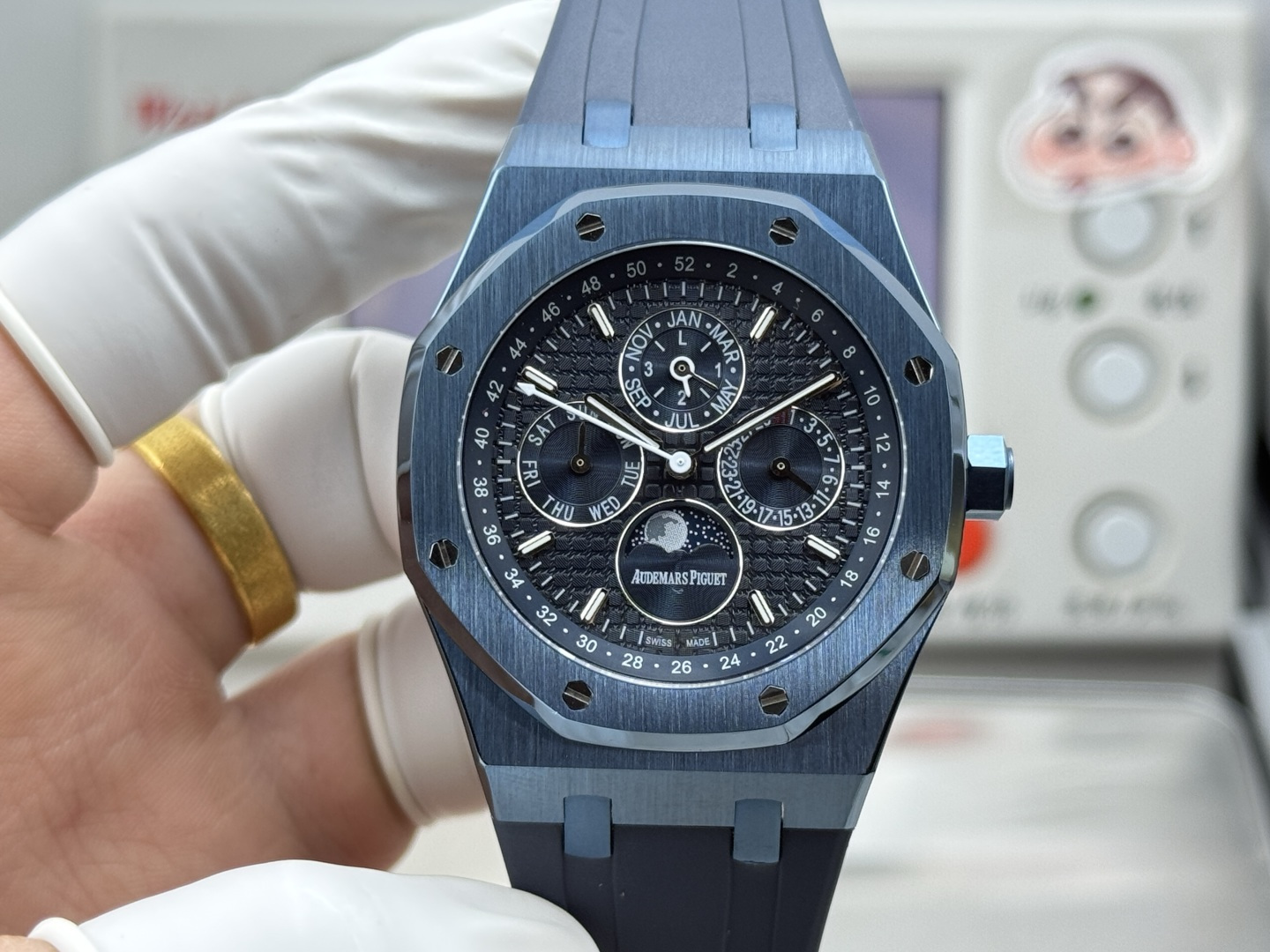
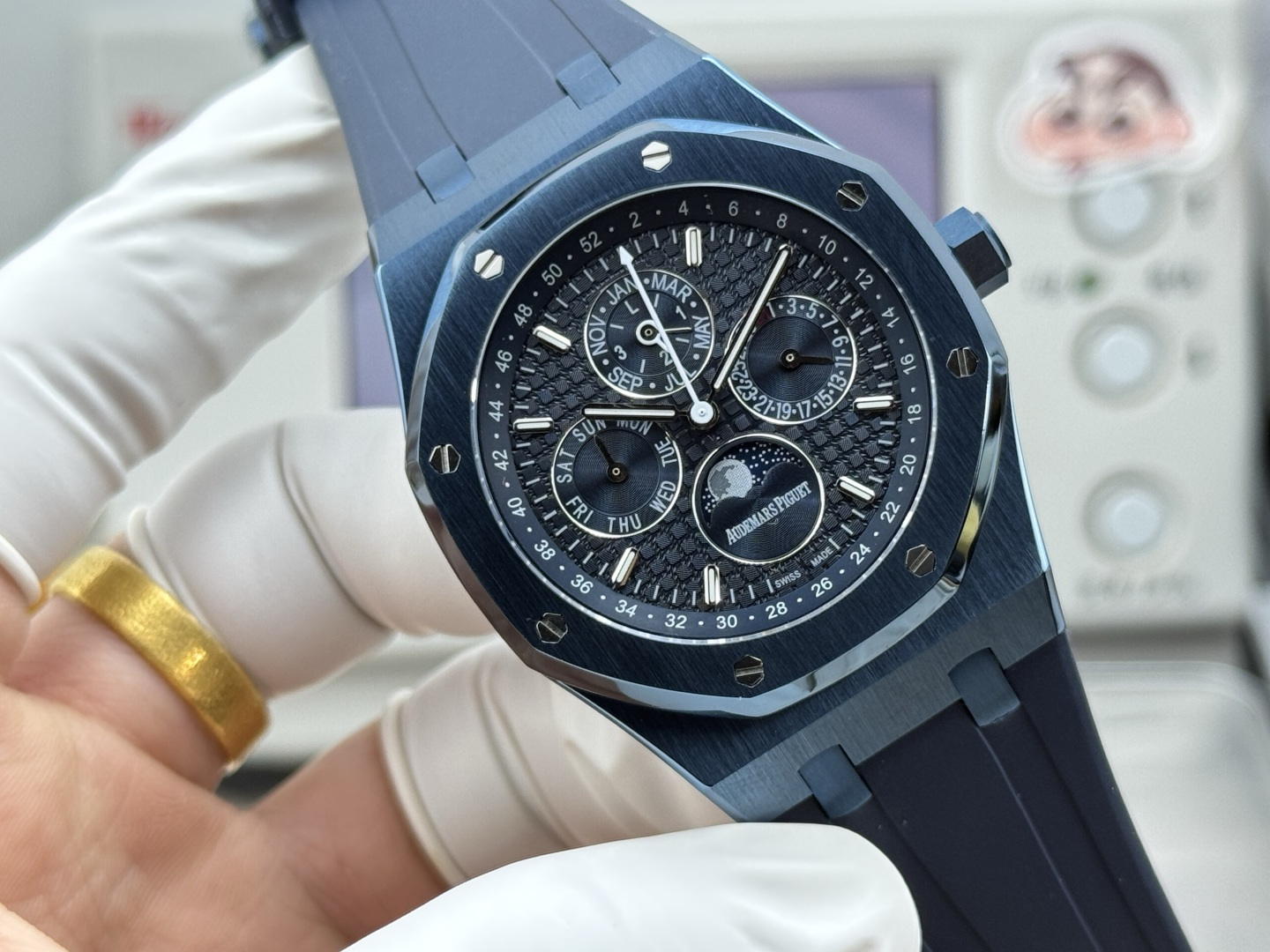
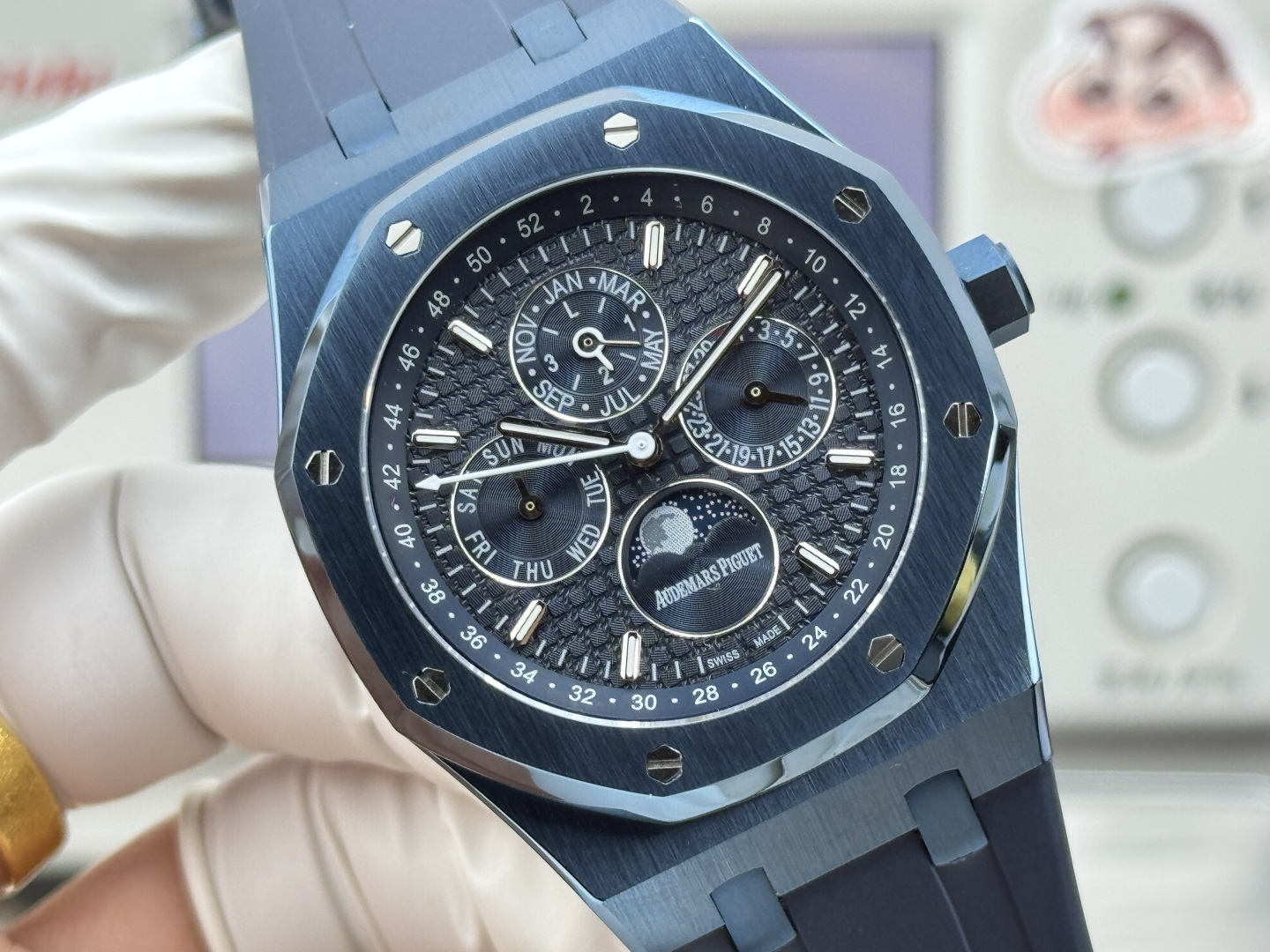
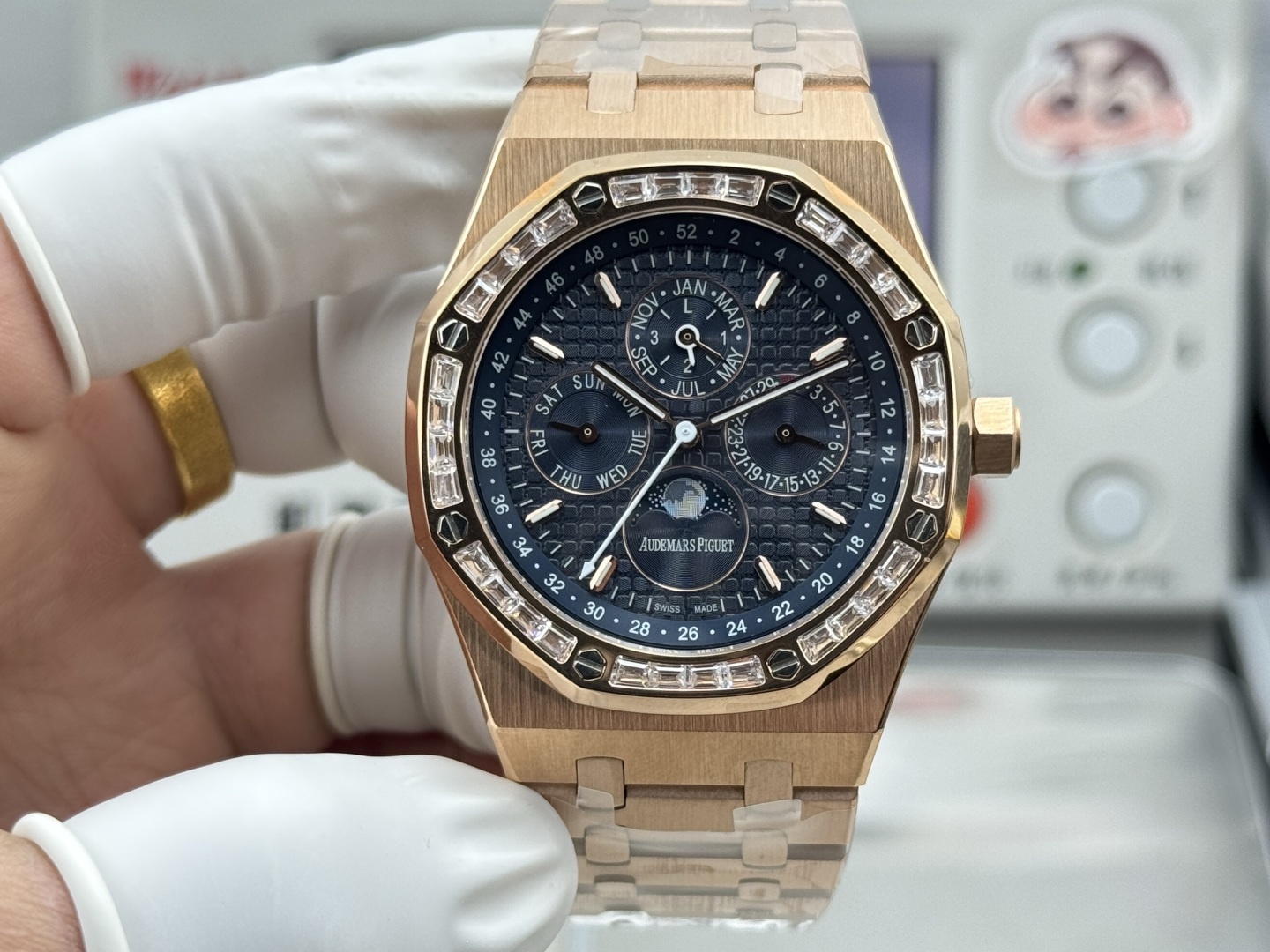
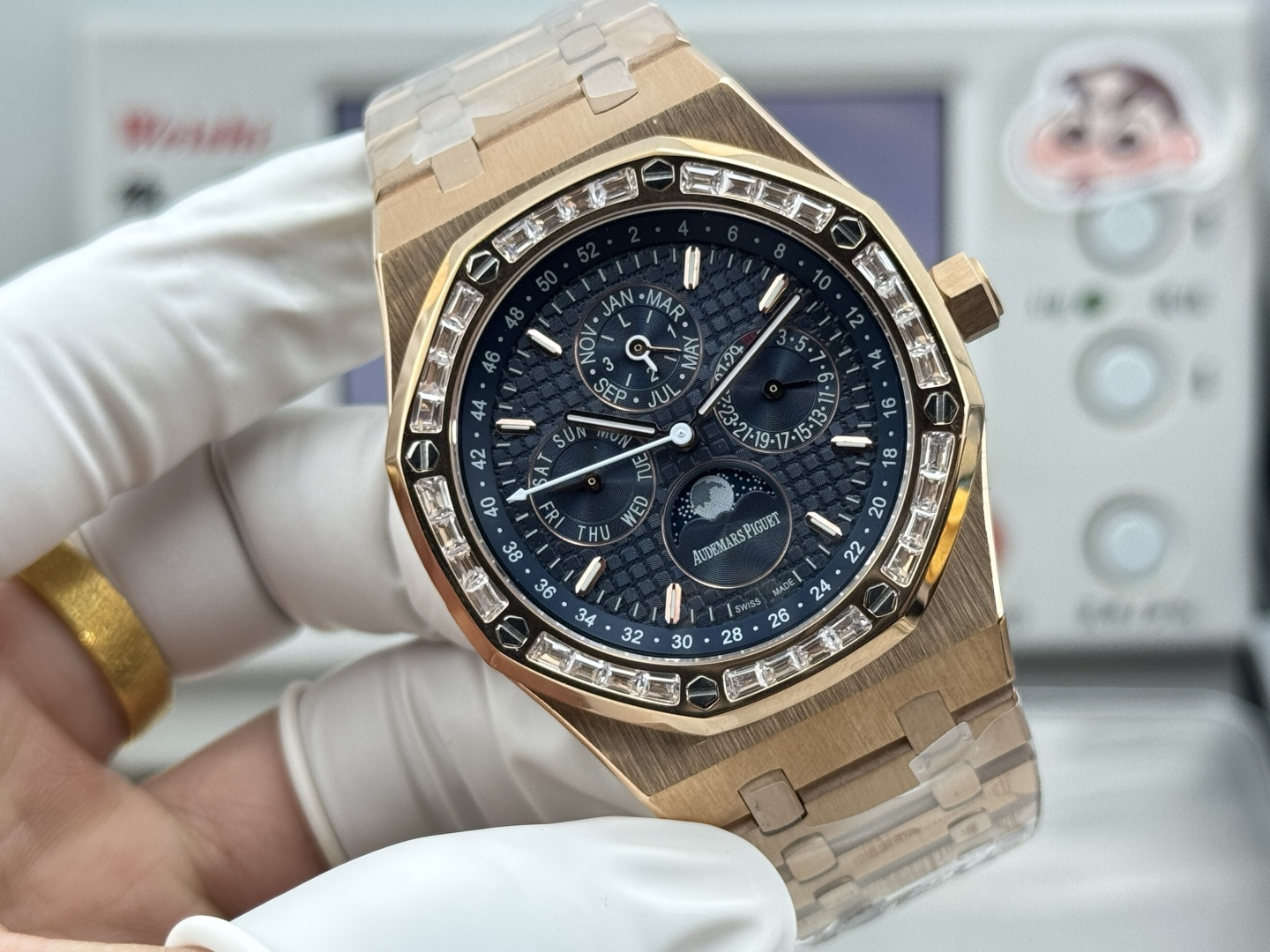
    The genuine 26574ST dial features a tapisserie guilloché pattern executed with extraordinary precision. The small squares of the guilloché are uniform in size, depth, and spacing across the entire dial surface, interrupted cleanly and sharply by the sub-dial apertures for the perpetual calendar displays. The colour — typically a rich blue or a silvered grey depending on the variant — has a depth that comes from the combination of the guilloché texture catching light at different angles and a lacquer or galvanic treatment applied over it. The indices are applied, polished to a black-polish standard on their vertical flanks, with lume plots that sit flush and level.

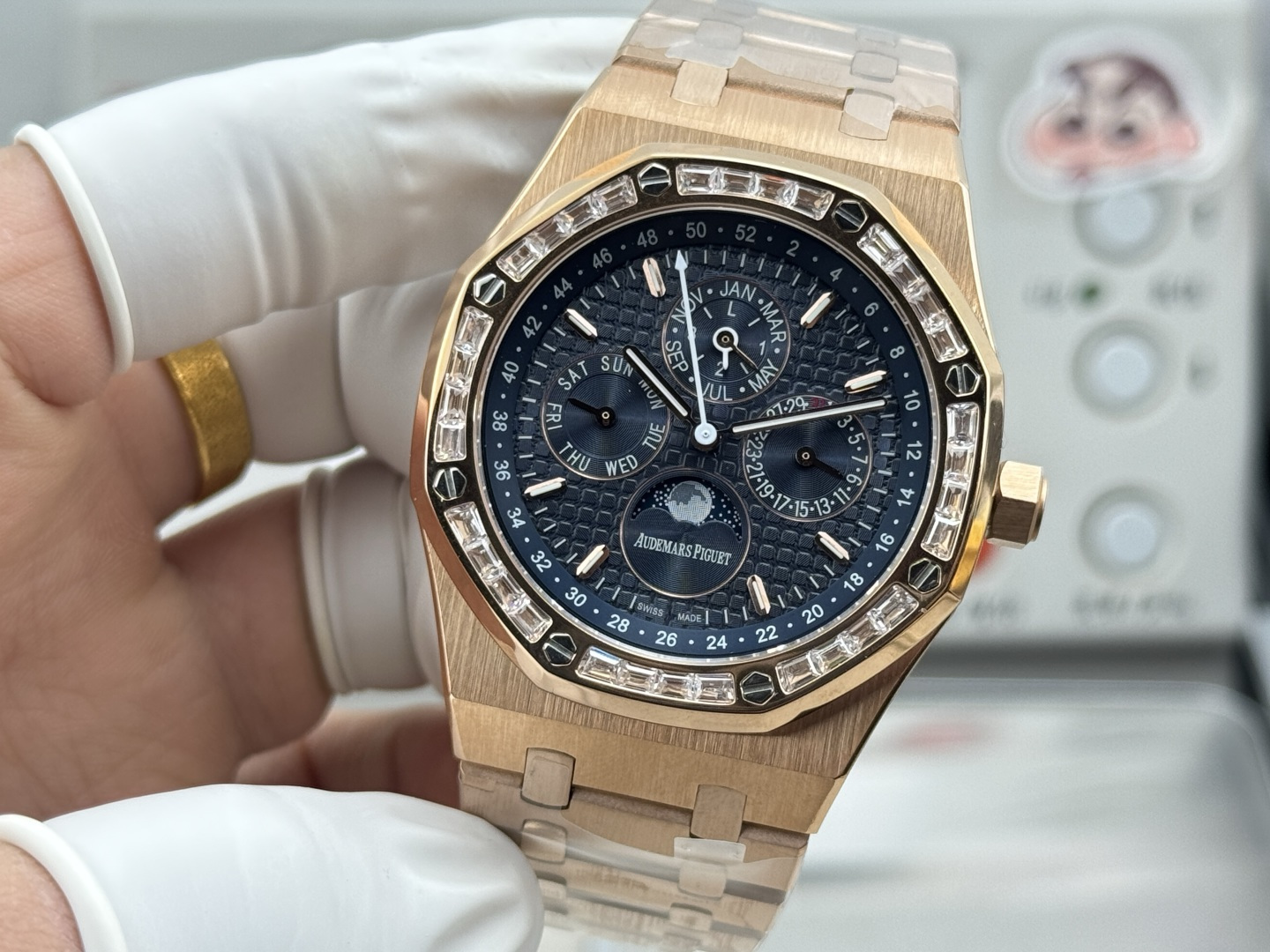
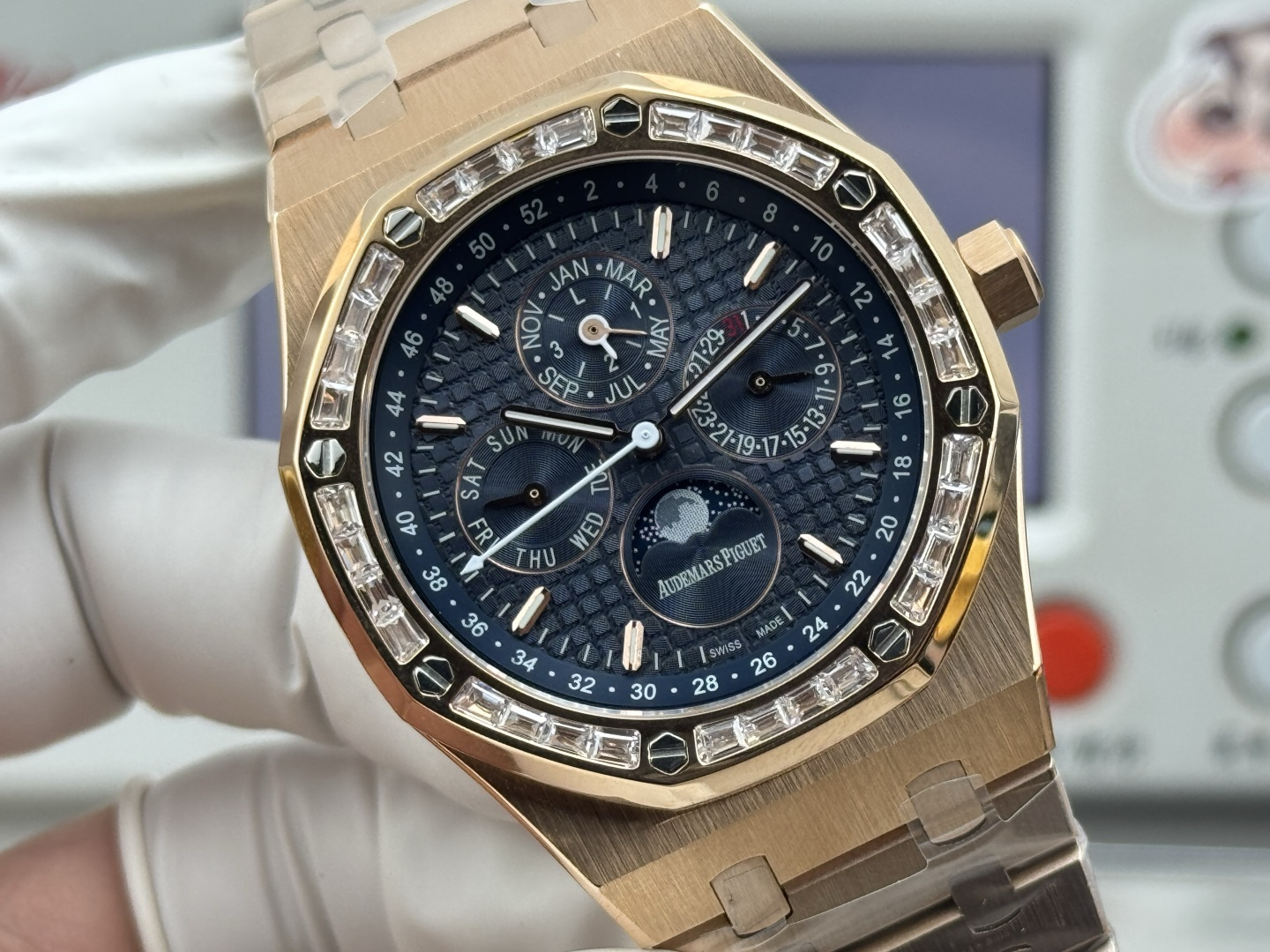
    The clone’s dial is pad-printed in its guilloché simulation. Let me be direct about what that means: the texture you see is an optical illusion created by ink, not a physically three-dimensional surface. Under a loupe, the difference is immediate and unambiguous. The genuine guilloché has actual depth — you can see the pyramidal peaks and valleys of the pattern casting micro-shadows as the light angle changes. The pad-printed version is flat. The pattern is accurate in geometry and spacing when viewed at arm’s length, and the colour rendering is genuinely good — whoever sourced this dial got the blue tone close enough that side-by-side comparison requires direct lighting — but the moment you tilt it under raking light, the illusion collapses.

    The applied indices are present and accounted for, and they’re better than average for this market segment. The lume application is even. Typography kerning on the ‘AUDEMARS PIGUET’ and ‘ROYAL OAK’ text is acceptably close to the genuine article, though the font weight on ‘PERPETUAL CALENDAR’ reads very slightly heavier than on the authentic dial — a subtle difference that most people will never catch, but it’s there.

    The AR coating on the sapphire crystal deserves mention. The genuine 26574ST uses a multi-layer AR treatment that produces a characteristic blue-green bloom under certain lighting conditions. This clone’s coating produces a similar bloom, which suggests the manufacturer is using a double-sided AR coating rather than the single-sided treatments found on lower-tier replicas. It’s not identical — the genuine AP crystal has a more neutral, slightly cooler bloom — but the effort is visible and appreciated.

    A pad-printed guilloché is to an actual guilloché what a photograph of a steak is to a steak. It looks right from a distance. It communicates the idea. But it has no substance, no texture, no physical reality. Anyone who has handled the genuine article will know within thirty seconds. Anyone who hasn’t may never know at all.

    Under the Caseback & Exposing ‘The Tell’

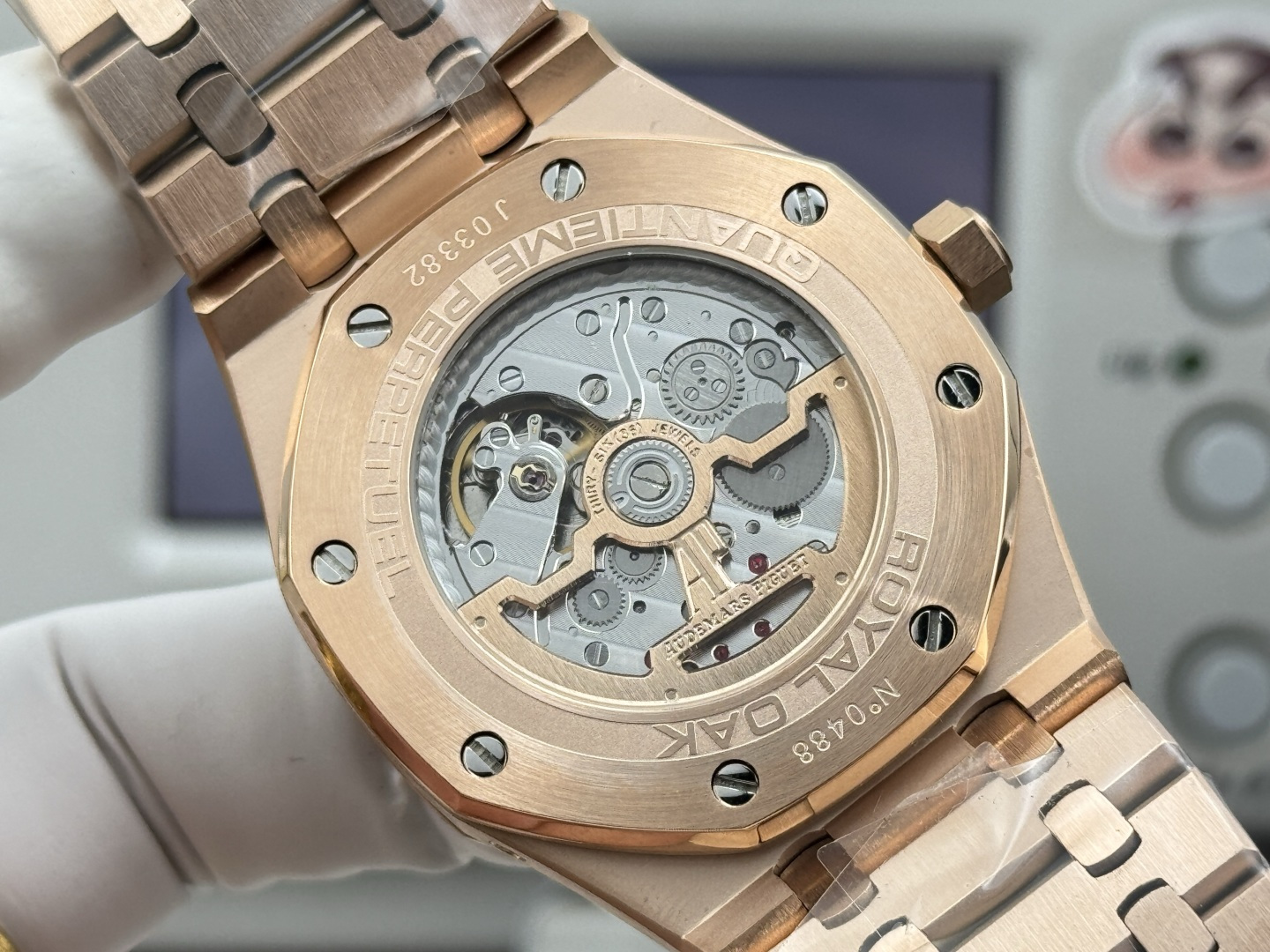
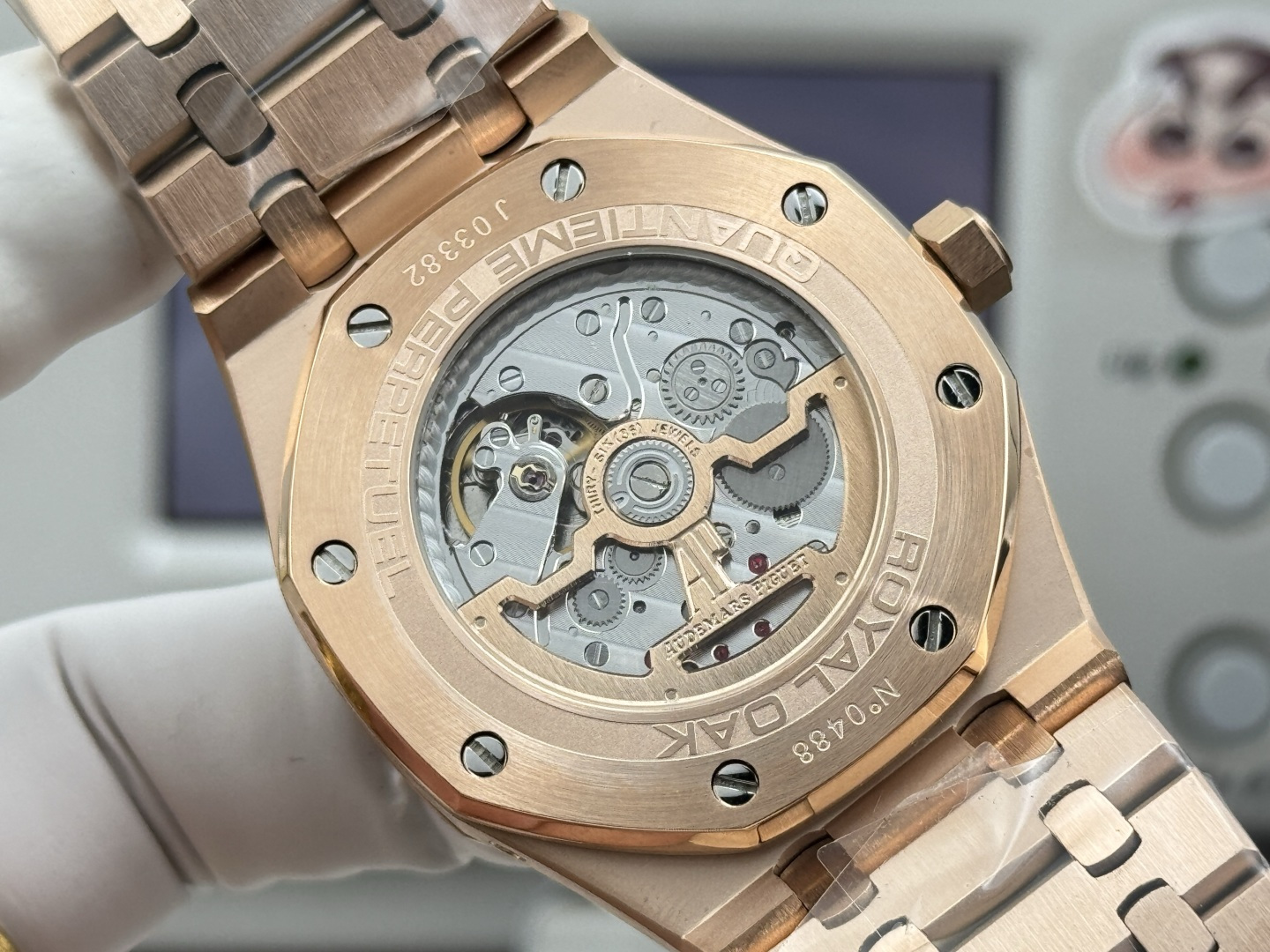
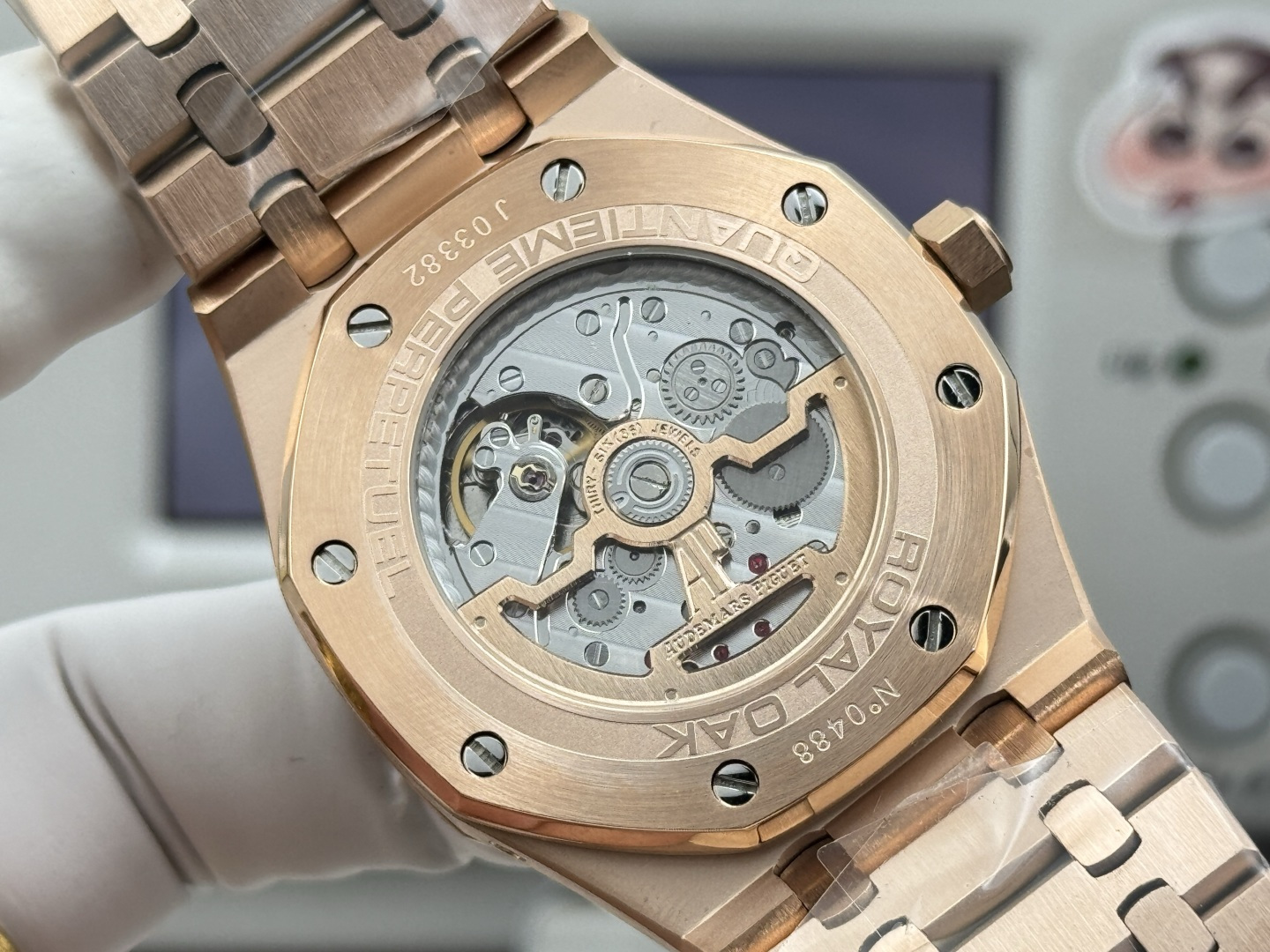
    The movement is where the real conversation happens. The spec sheet describes a ‘custom Cal. 5134’ — language that means, in practical terms, a Chinese-manufactured ebauche modified to replicate the functional layout of AP’s genuine Cal. 5134. The genuine movement is a thing of considerable engineering: a perpetual calendar mechanism with a retrograde date display, instantaneous jumping calendar, and a moon phase accurate to one day in 122 years. It is finished with Côtes de Genève striping on the bridges, bevelled and hand-polished anglage on every edge, and a rotor decorated with perlage on its underside.

    The clone movement runs. The perpetual calendar functions work — day, date, month, and moon phase all advance correctly. This is not nothing. A functional perpetual calendar mechanism at this price point requires genuine engineering investment, and whoever produces this caliber has done the mechanical homework. Beat rate and amplitude are within acceptable daily wear parameters.

    But open the caseback — wait, you can’t, it’s solid, which is the manufacturer’s first smart decision — and if you could, here is what you’d find: Côtes de Genève striping that is machine-applied and slightly uneven in spacing. Rotor finishing that is brushed rather than properly snailed. Perlage on the baseplate that exists but lacks the precise, overlapping circular pattern of genuine Geneva perlage. The anglage on the bridges is present but softly defined, lacking the razor-sharp geometric precision of hand-chamfering. The balance wheel runs, the escapement engages, the column wheel advances the calendar — but the finishing is factory-grade, not atelier-grade.

    The tell, if you ever need one, is the rotor. On the genuine Cal. 5134, the oscillating weight is a work of art — brushed sectors alternating with polished sectors, with a chamfered perimeter that catches light with surgical precision. On this clone, the rotor is uniformly brushed, the chamfer is soft, and it wobbles very slightly on its bearing. Not enough to affect timekeeping. Enough to be ‘the tell’ for anyone who knows what to look for.

    A Lingering Observation

    Here is what I keep returning to as I set this watch down: the gap between what this clone achieves and what the genuine 26574ST delivers is real, measurable, and meaningful to anyone trained to see it. The dial is flat where it should have depth. The movement finishing is adequate where it should be exceptional. The bracelet chamfering is machine-consistent where it should be hand-irregular in the best possible way.

    And yet — this watch tells the time. It advances a perpetual calendar correctly. It sits on the wrist with conviction. It reads, from any social distance a human being would actually observe it at, as a Royal Oak Perpetual Calendar.

    The question that lingers isn’t whether the clone is ‘good enough.’ The question is: good enough for whom, and good enough for what? That answer is different for every person who asks it, and I’m not sure the answer is as obvious as the Swiss watch industry would prefer you to believe.

    Watch Details
    Watch Details
    Watch Details
    Watch Details
    Watch Details
    Watch Details
    Watch Details
    Watch Details
    Watch Details
    Additional details
    Additional details
    Additional details
    Additional details
    Additional details
    Additional details
    Additional details
    Additional details
    Additional details
  • The $300 Royal Oak Perpetual Calendar That Will Make You Question Everything

    Let’s be honest about something. The Audemars Piguet Royal Oak Perpetual Calendar ref. 26574ST retails somewhere north of $130,000 USD. If you walk into an AP House without a purchase history that reads like a small nation’s GDP, you are not buying one. You will be offered a coffee, smiled at warmly, and shown the door with the quiet efficiency of a Swiss train schedule. The waitlist isn’t a queue — it’s a velvet rope attached to a wall that doesn’t exist. AP’s allocation strategy for the Grande Complication pieces has become so theatrical that the watch itself has almost become secondary to the performance of obtaining it. Which brings us here, to a grey-market table covered in bubble wrap, a 10x loupe, and a replica that the vendor’s WeChat listing describes, with magnificent confidence, as achieving “品质与美的融合” — a fusion of quality and beauty. Let’s find out.

    The Retail Absurdity (And Why It Matters to This Review)

    The 26574ST is AP’s 41mm stainless steel perpetual calendar with a moon phase complication — a piece that, in the genuine configuration, houses the caliber 5134, a self-winding movement with a 40-hour power reserve, running at 19,800 vph, decorated to the standards you’d expect from Le Brassus. The genuine article’s movement alone represents decades of accumulated manufacture expertise in perpetual calendar construction. The column-wheel mechanism governing the calendar’s logic, the lever-and-cam system for the moon phase display, the hand-stack clearance required to layer day, date, month, and moon phase sub-dials without visual chaos — these are not trivial engineering problems.

    But here’s the uncomfortable truth that nobody in the legitimate press wants to say plainly: the exterior of that $130,000 watch — the brushed and polished 316L steel case, the integrated bracelet, the characteristic octagonal bezel with its eight hexagonal screws — is reproducible. Not perfectly. But reproducibly enough that it has created an entire cottage industry. The vendor’s listing specifies a 41mm case in 316L stainless steel, CNC-machined, with a “custom cal. 5134” movement. That phrase — custom — is doing a tremendous amount of heavy lifting, and we’ll come back to it.

    First Impressions and The Weight of Steel

    Out of the box, the first thing you reach for isn’t the loupe. It’s your palm. Weight and wrist presence are the first honest signals a replica sends. This piece lands at approximately 155 grams on the bracelet, which is not far off from the genuine’s heft. The 316L steel specification is consistent with what you’d find in the mid-tier replica market — it’s not surgical-grade, but it’s not pot metal either. Tapping the case back produces a solid, non-hollow resonance. Good sign.

    The lug-to-lug measurement on the genuine 26574ST runs approximately 50mm, and this clone tracks that closely. On the wrist, the ergonomics are surprisingly competent. The integrated bracelet — AP’s signature design element since 1972, the feature that made the Royal Oak’s identity inseparable from its bracelet — sits with reasonable conformity to the wrist curve. The SEL articulation, meaning the solid end links where the bracelet meets the case, is the first place I reach for the loupe, because this junction is where most replicas expose themselves immediately.

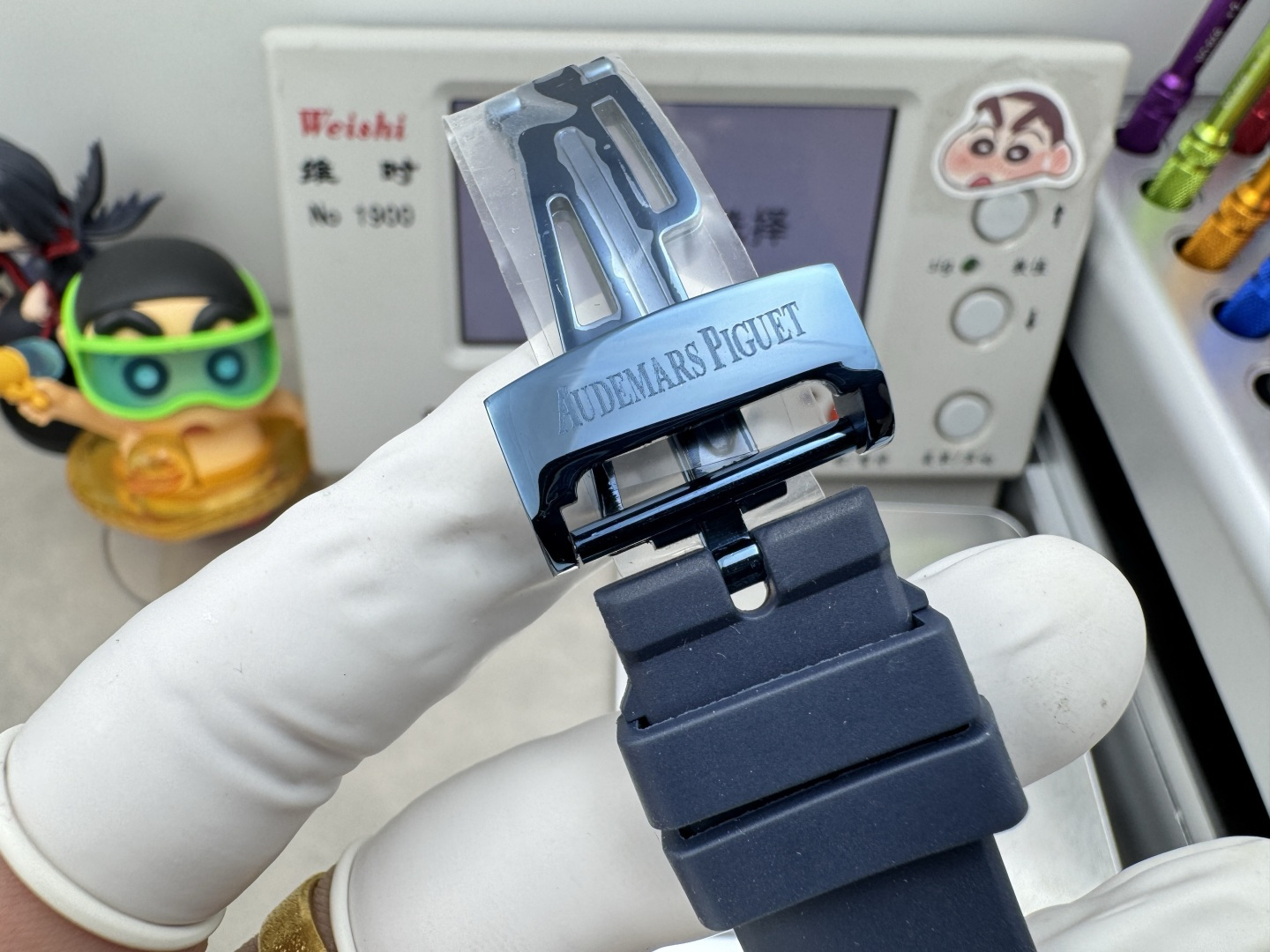
    Under magnification, the SEL fitting is tight. There’s no perceptible gap, no misalignment of the brushed surfaces. The deployant clasp operates cleanly, with a positive snap. Is the finishing on the clasp inner surfaces black-polished to poli spéculaire standards? Absolutely not. But from the outside, at any social distance, this bracelet reads correctly.

    “The integrated bracelet on any Royal Oak replica is the single most technically demanding element to replicate correctly. Get the SEL wrong and the whole piece unravels. This one, surprisingly, doesn’t unravel.”

    Optical Illusions: The Dial Under the Loupe

    This is where I spend the most time, and where the replica market reveals its ambitions and its failures simultaneously. The 26574ST dial is a masterclass in organized complexity. You have the characteristic “Grande Tapisserie” guilloché pattern as the dial background — AP’s proprietary small-square hobnail texture that catches light in a way that is almost impossible to replicate through pad-printing alone. The genuine dial is stamped, not printed. The three-dimensionality of the texture is tactile, not optical.

    Under the loupe, this replica’s guilloché is immediately identifiable as a printed approximation. The squares lack depth. The light reflection is uniform in a way that genuine stamped guilloché never is — real guilloché creates micro-shadows that shift as you tilt the dial, a phenomenon called scintillation in the trade. This printed version has a flat shimmer. It’s convincing at arm’s length. It is not convincing at 10x.

    The sub-dials — day, date, month, and moon phase — are the dial’s most complex geography. On the genuine piece, the typography kerning on the day and month tracks is exacting. AP uses a proprietary typeface, and the spacing between characters is optically corrected rather than mathematically equidistant. On this replica, the kerning on the month track is slightly mechanical — the character spacing feels computed rather than designed. “SEPTEMBER” in particular looks marginally compressed. Nobody at a dinner table will notice. A watchmaker will notice immediately.

    The moon phase aperture is, however, a genuine visual success. The deep blue disc with the gold-tone moon rendering is well-executed. The star punching on the disc is clean, and the aperture mask is properly beveled. The lume application on the hands and indices is consistent — no pooling, no voids — and the blue-tinted hands carry a reasonable approximation of AP’s characteristic sword-hand profile.

    Now, the AR coating. The listing makes no specific claim about anti-reflective coating, which is itself informative. The genuine AP crystal uses a sapphire with multi-layer AR coating that produces a characteristic blue-green bloom when light hits it at oblique angles. This replica’s crystal produces a flat, slightly greenish reflection without the layered bloom. It’s almost certainly a mineral crystal with a single-layer AR dip, not a sapphire with vacuum-deposited multi-coating. In direct overhead light, the difference is invisible. Under a directional desk lamp, the crystal announces itself immediately.

    “The crystal is always the tell on a first-generation clone. Not the movement, not even the finishing — the crystal. A genuine sapphire AR coating blooms like a soap bubble. A mineral crystal just reflects.”

    Under the Caseback: Exposing ‘The Tell’

    The listing specifies a “custom cal. 5134” movement. I want to be precise about what this means in practice, because the language is cleverly ambiguous. The genuine AP caliber 5134 is a manufacture movement, developed in-house, with a 22-karat gold rotor and finishing that includes Côtes de Genève striping on the bridges, Perlage on the mainplate, and hand-chamfered, black-polished anglage on every steel component. It is a movement you display. It earns its exhibition caseback.

    What arrives in this replica is almost certainly a Chinese-manufactured ETA 2892 clone or a Seagull-based perpetual calendar module stacked on a base movement. The rotor is gold-toned, not gold. The Côtes de Genève striping exists, but under the loupe, the stripe width is inconsistent — a machine that needs calibration produced these lines, not a craftsman with a grinding stone. The perlage on the mainplate is present but shallow; the individual pearls lack the crisp circular definition of genuine perlage. The anglage on the bridges — that critical hand-chamfering that catches light at precisely 45 degrees — is present as a shape but absent as a finish. It’s chamfered, not polished. The difference between chamfered anglage and true black-polished anglage is the difference between a line drawn and a mirror cut.

    The beat rate appears to run at approximately 21,600 vph based on a timing app, rather than the genuine’s 19,800 vph. This is a common tell on clone movements — the base caliber running under the perpetual calendar module often operates at a different frequency than the genuine. It affects nothing functionally for a daily wearer. It tells you everything about what you’re actually looking at.

    The perpetual calendar functions — day, date, month, moon phase — do operate correctly. Advancing through the calendar using the crown and correctors produces the expected logical jumps. The month corrector advances the month track without disrupting the date. The moon phase advances on schedule. For a complication of this mechanical complexity at this price tier, this is genuinely impressive. Whoever engineered this module understood the complication’s logic, even if the finishing doesn’t survive scrutiny.

    The Question Nobody Wants to Answer

    Here’s what I keep returning to after a week on the wrist with this piece: at what point does the replica’s exterior become indistinguishable from the genuine for 99% of the social situations in which a watch is actually worn? Not under a loupe at a watchmaker’s bench. Not at a collector’s meetup where someone will immediately ask to see the movement. But at a business dinner, at a wedding, at any of the hundreds of contexts in which a watch functions as a social signal rather than a horological artifact?

    This clone passes that test more comfortably than I expected. The guilloché reads correctly from conversational distance. The bracelet sits correctly. The complication functions correctly. The movement finishing is a fraud that only reveals itself to someone actively looking for it.

    And that’s the genuinely uncomfortable question the replica market forces into the open: if the signal is what matters, and the signal is transmitted successfully, what exactly are you paying $129,700 extra for? The answer — the finishing, the manufacture heritage, the material honesty, the decades of accumulated craft — is real and significant. But it’s an answer that requires you to already care about those things to receive it.

    Most people wearing a $130,000 watch don’t care about perlage depth. The replica industry is built entirely on that fact.

    Watch Details
    Watch Details
    Watch Details
    Watch Details
    Watch Details
    Watch Details
    Watch Details
    Watch Details
    Watch Details
    Additional details
    Additional details
    Additional details
    Additional details
    Additional details
    Additional details
    Additional details
    Additional details
    Additional details
    Additional details
    Additional details
    Additional details
    Additional details
    Additional details
    Additional details
    Additional details
    Additional details
    Additional details
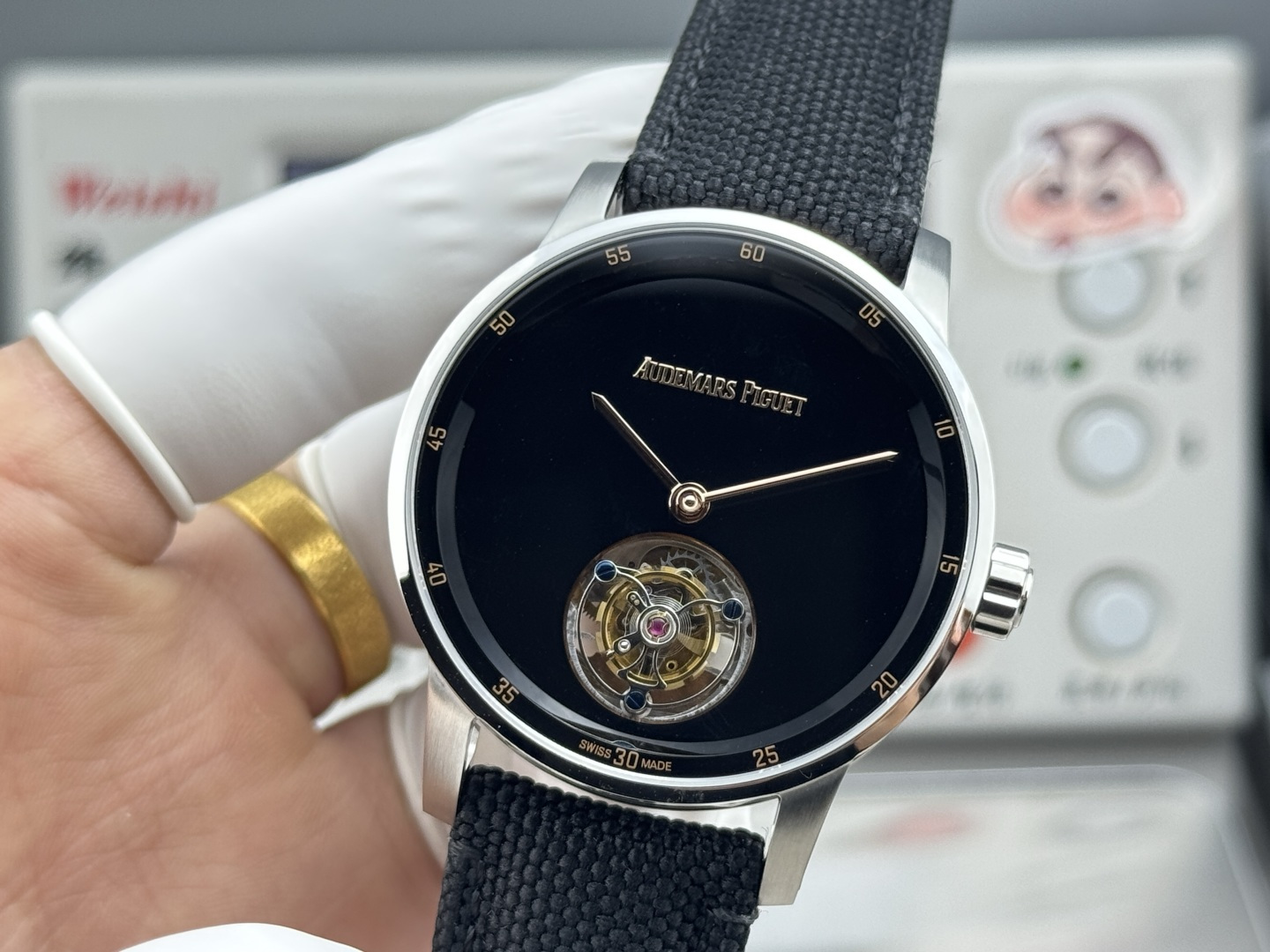
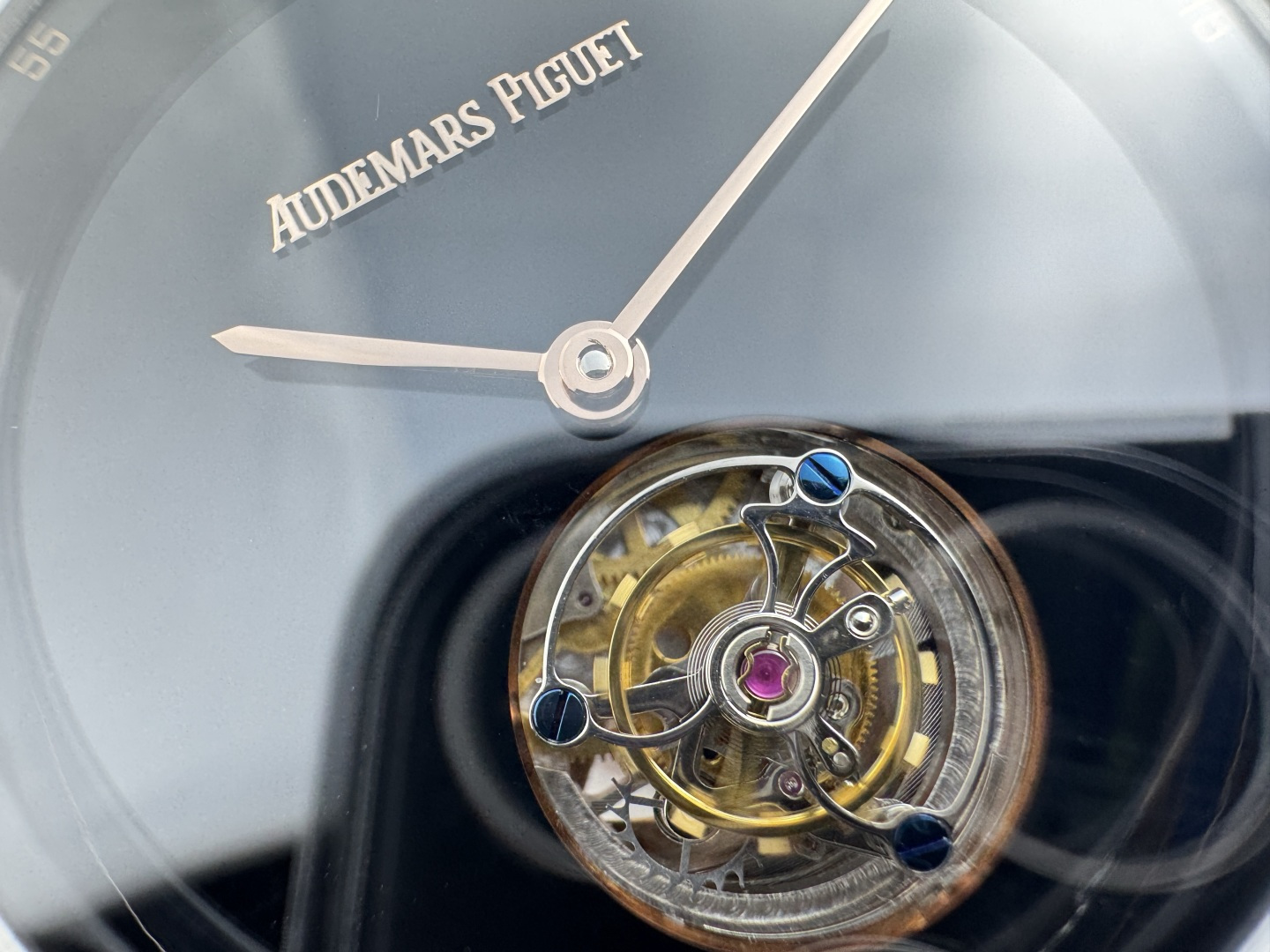
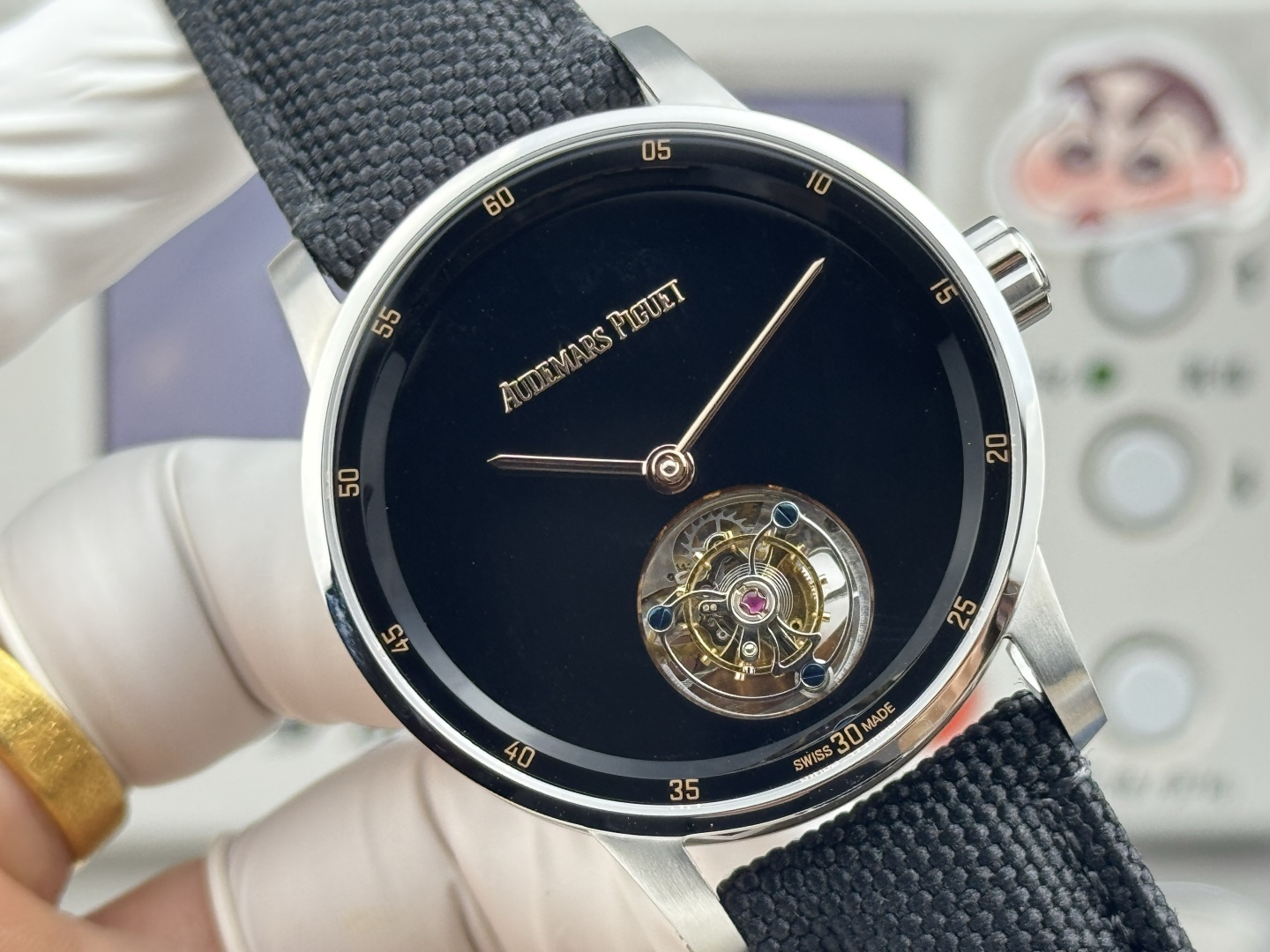
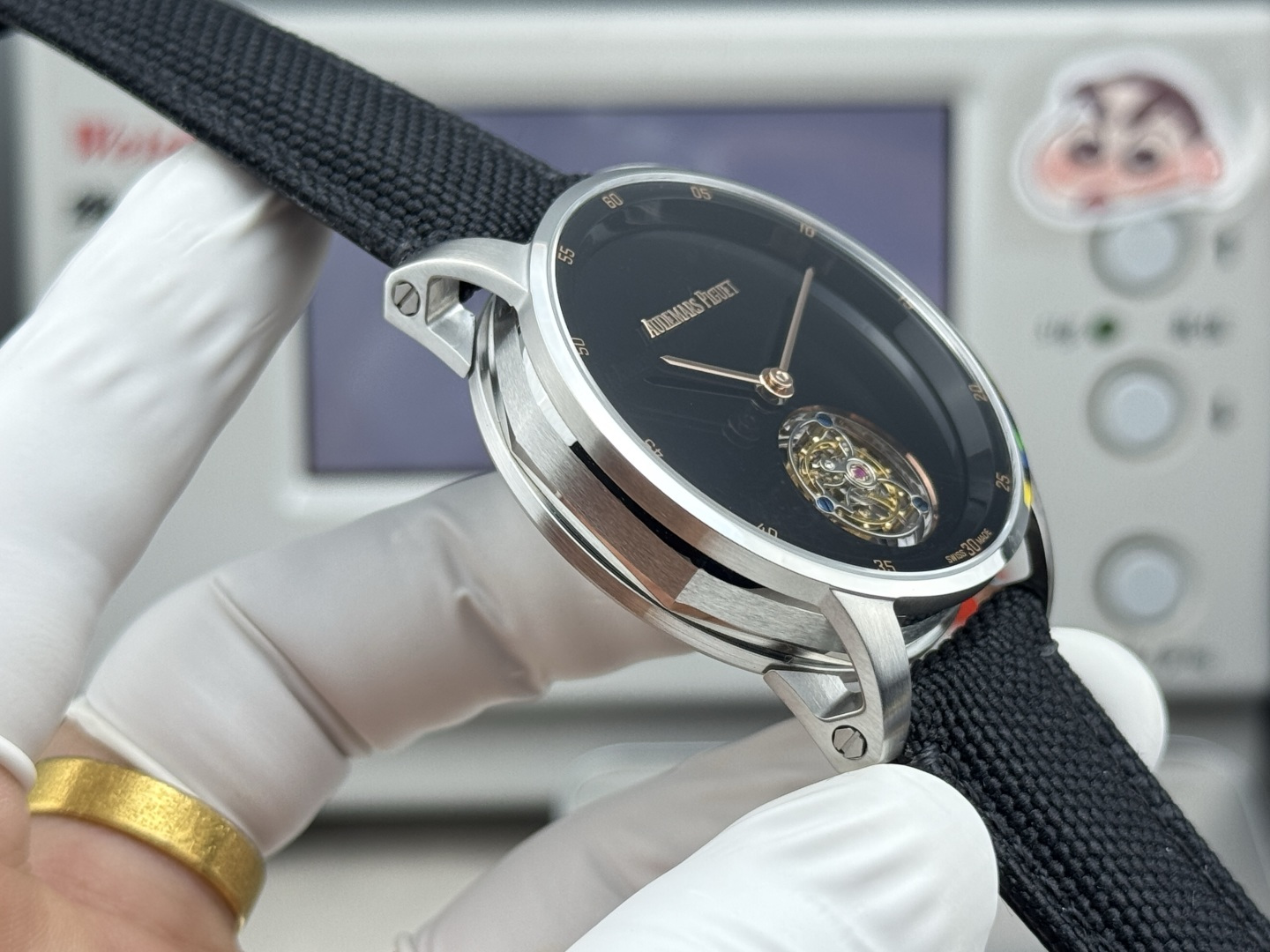
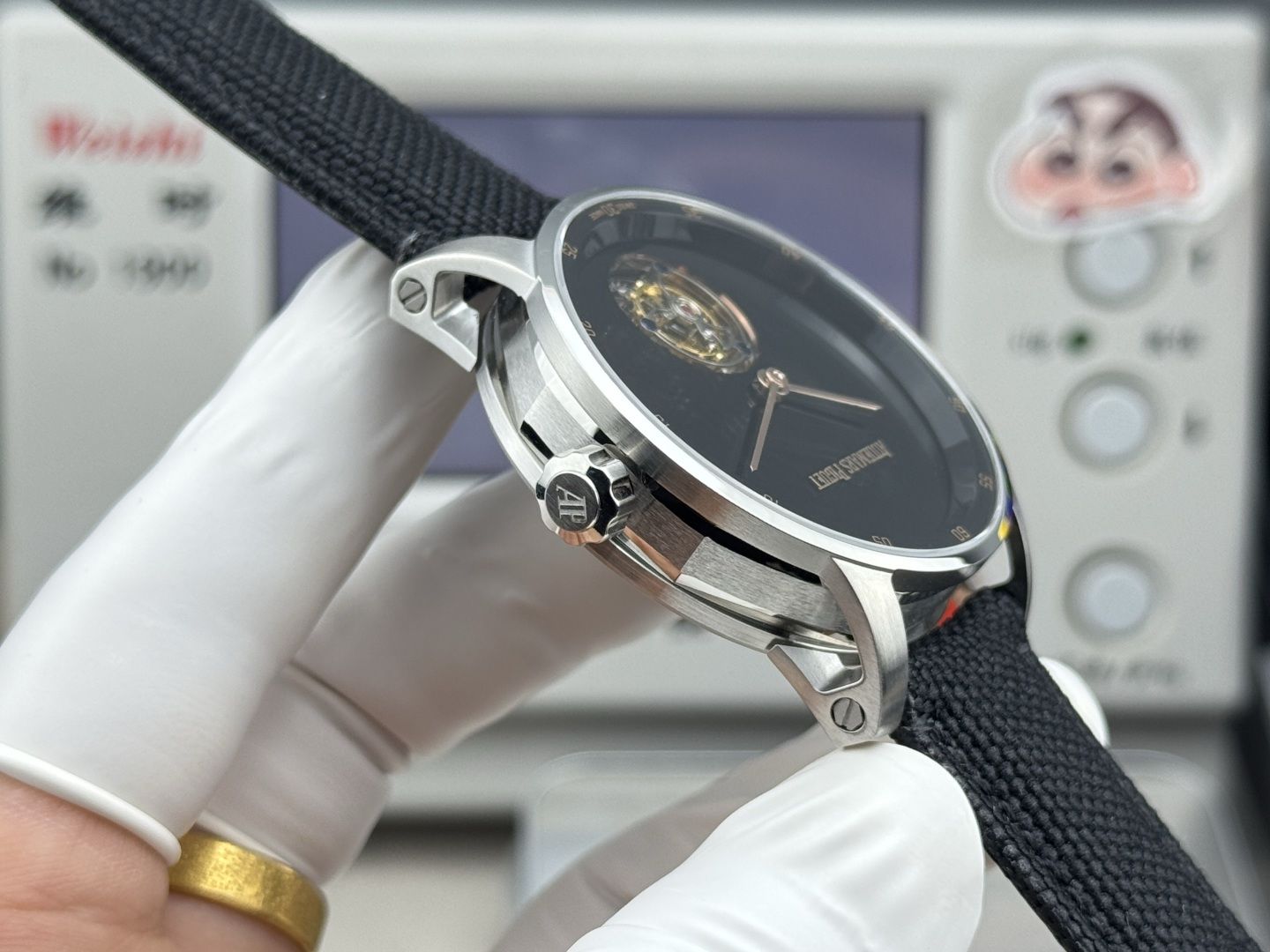
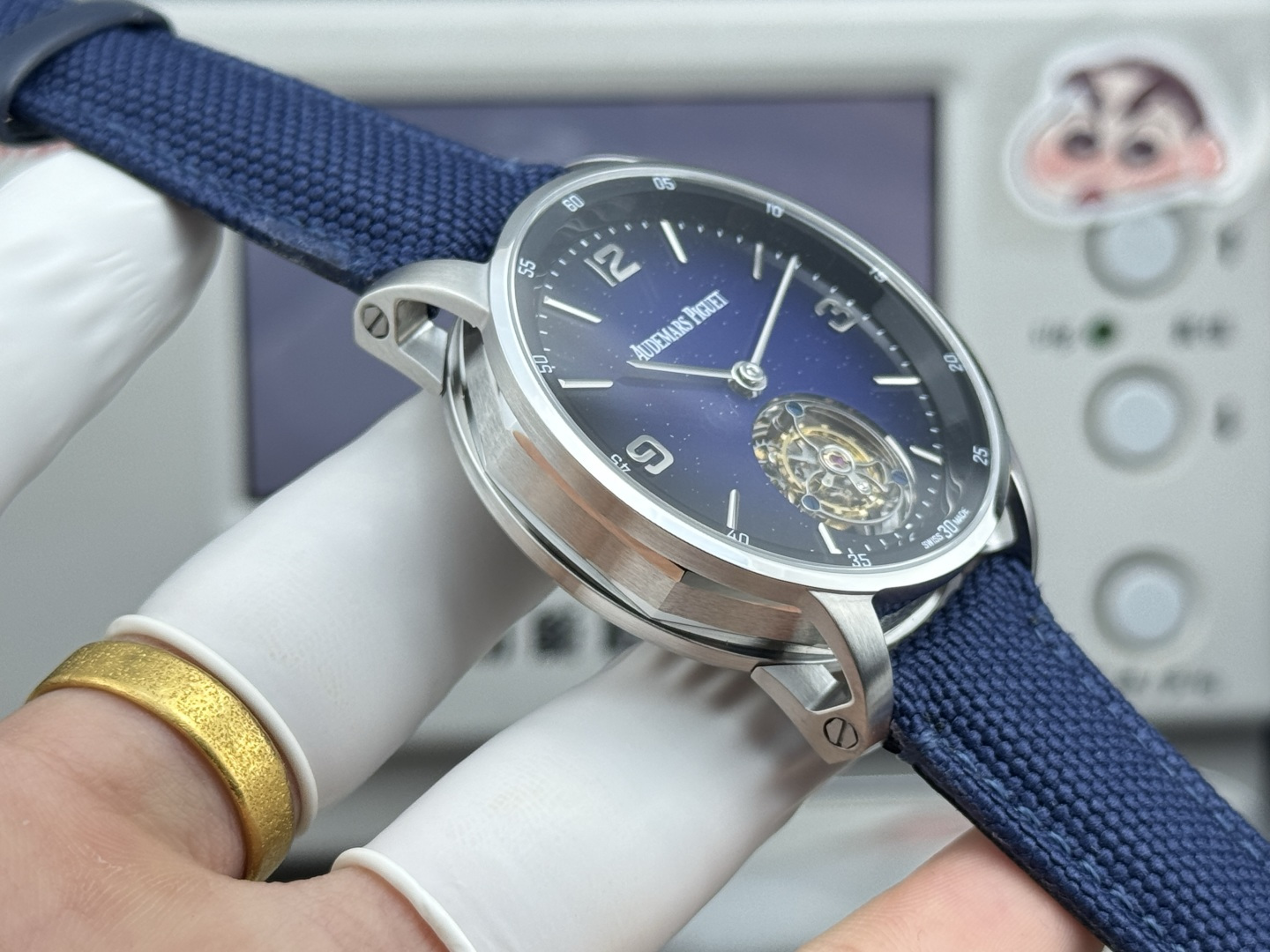
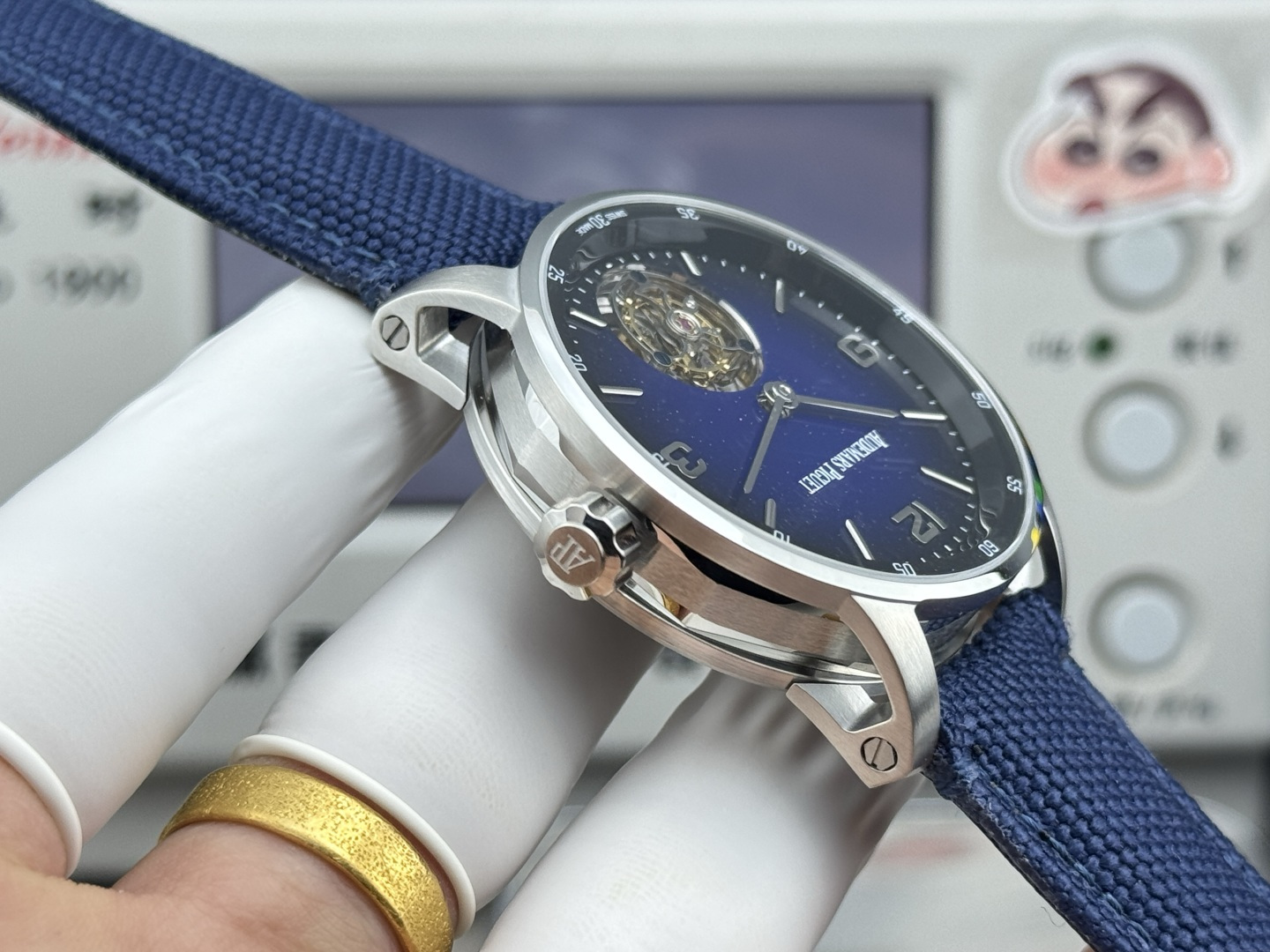
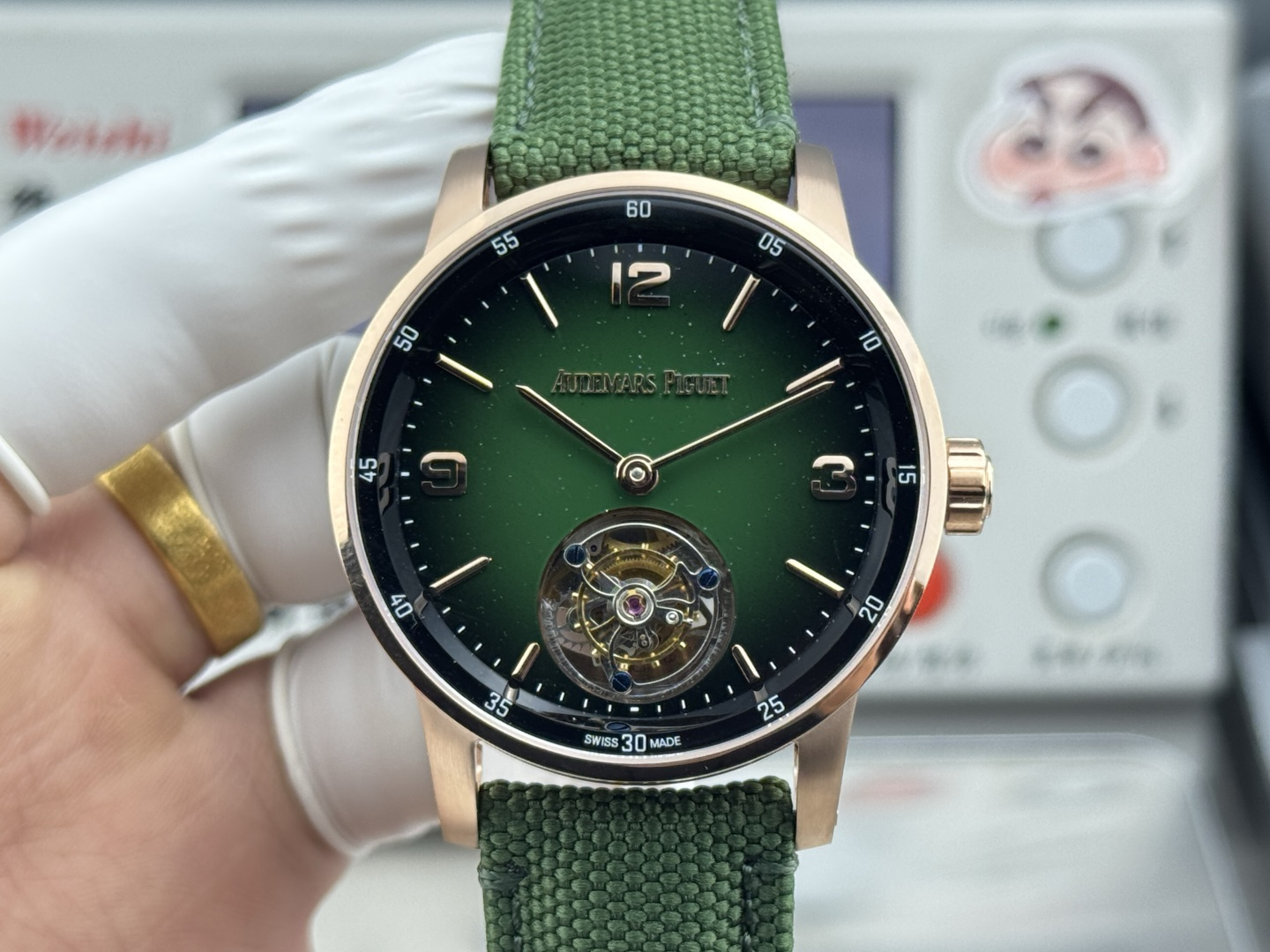
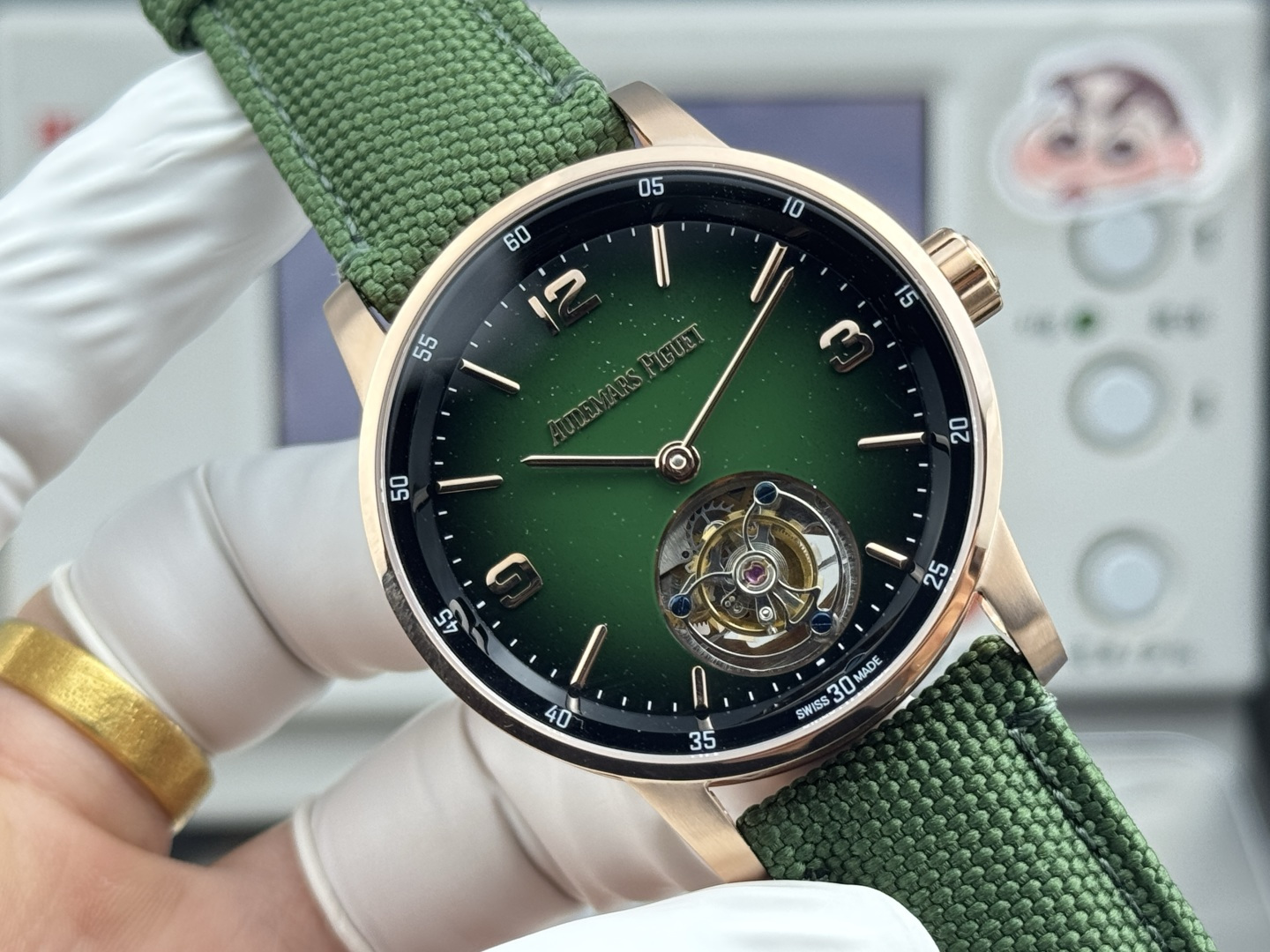
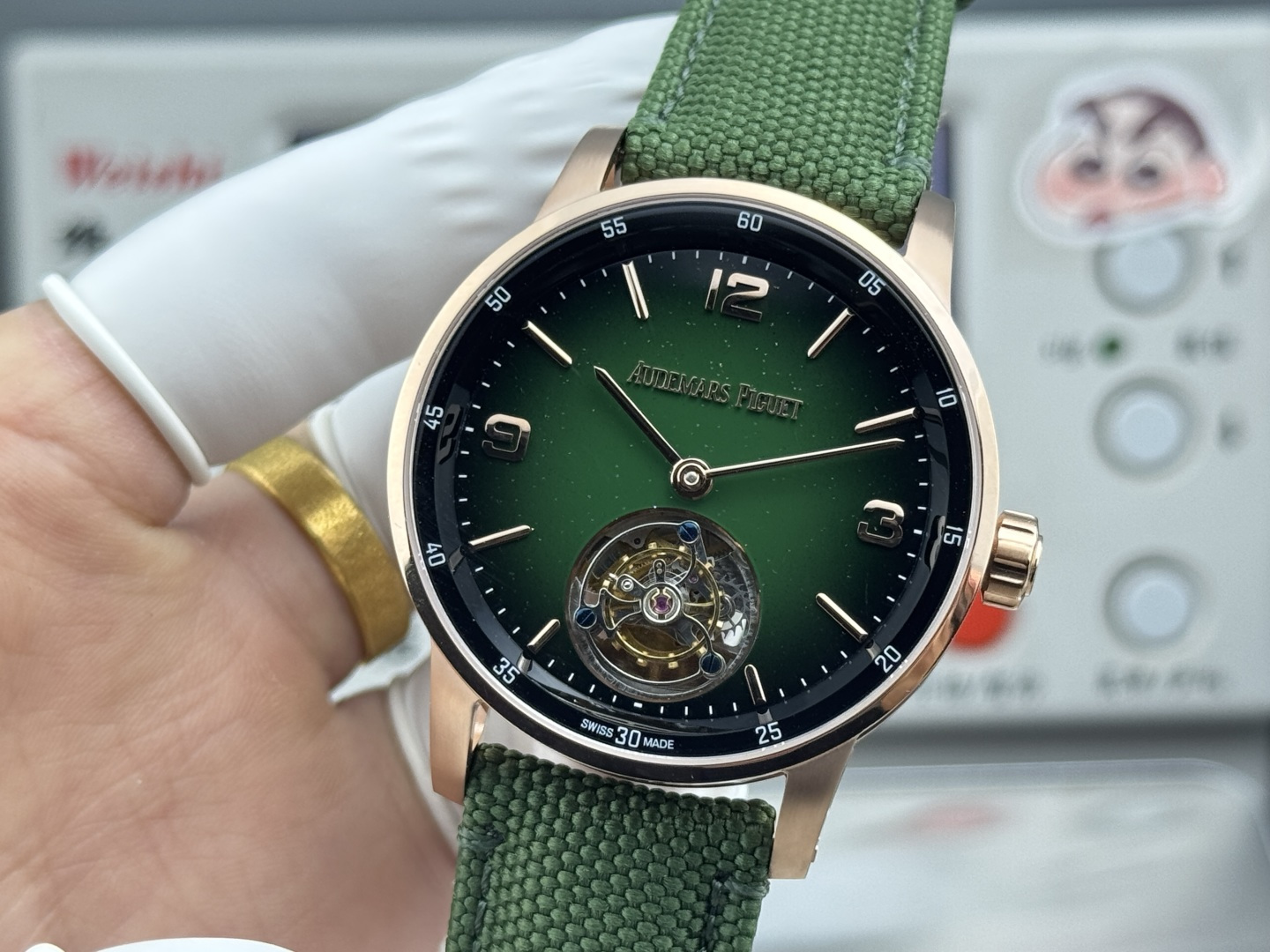
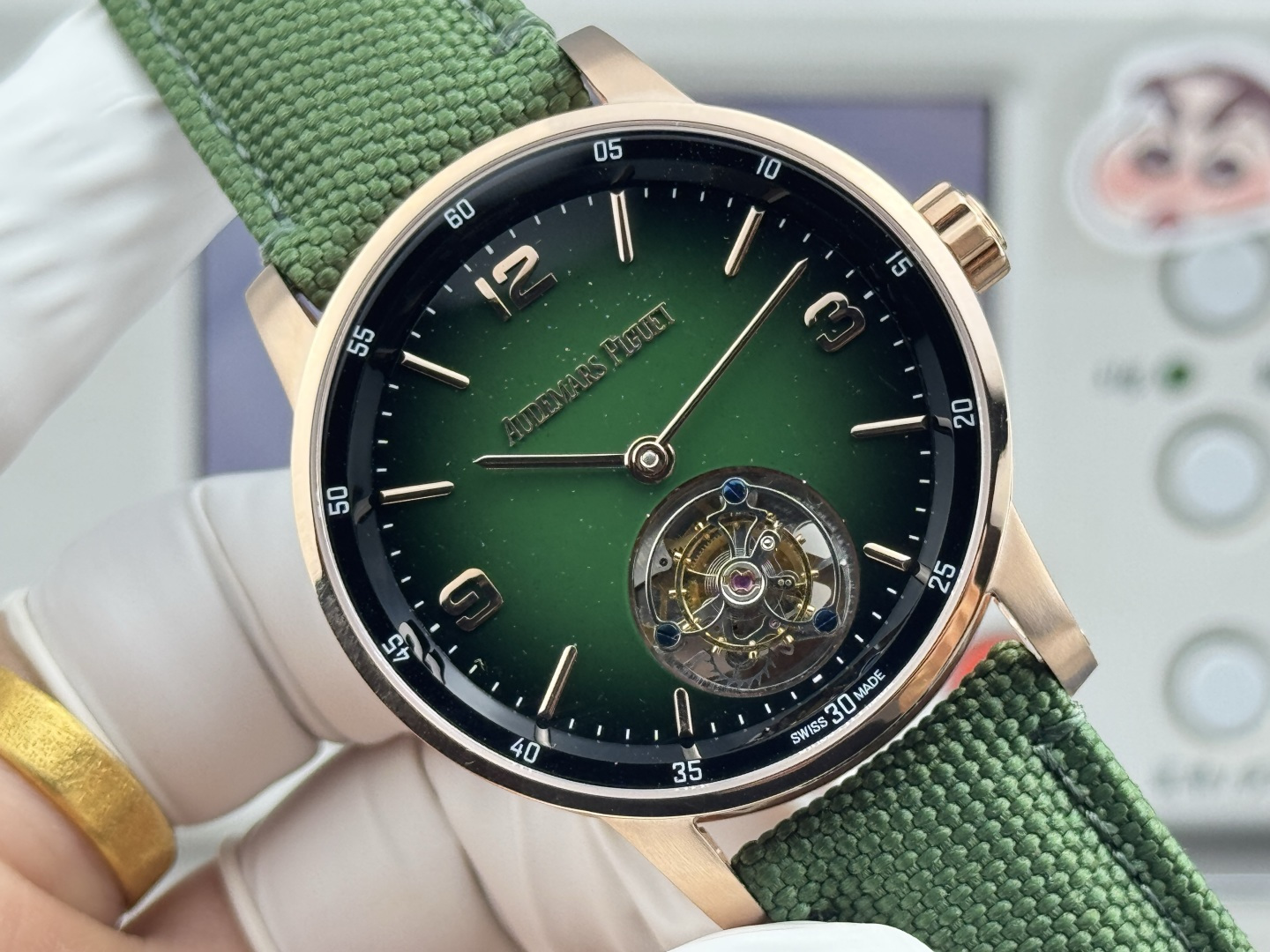
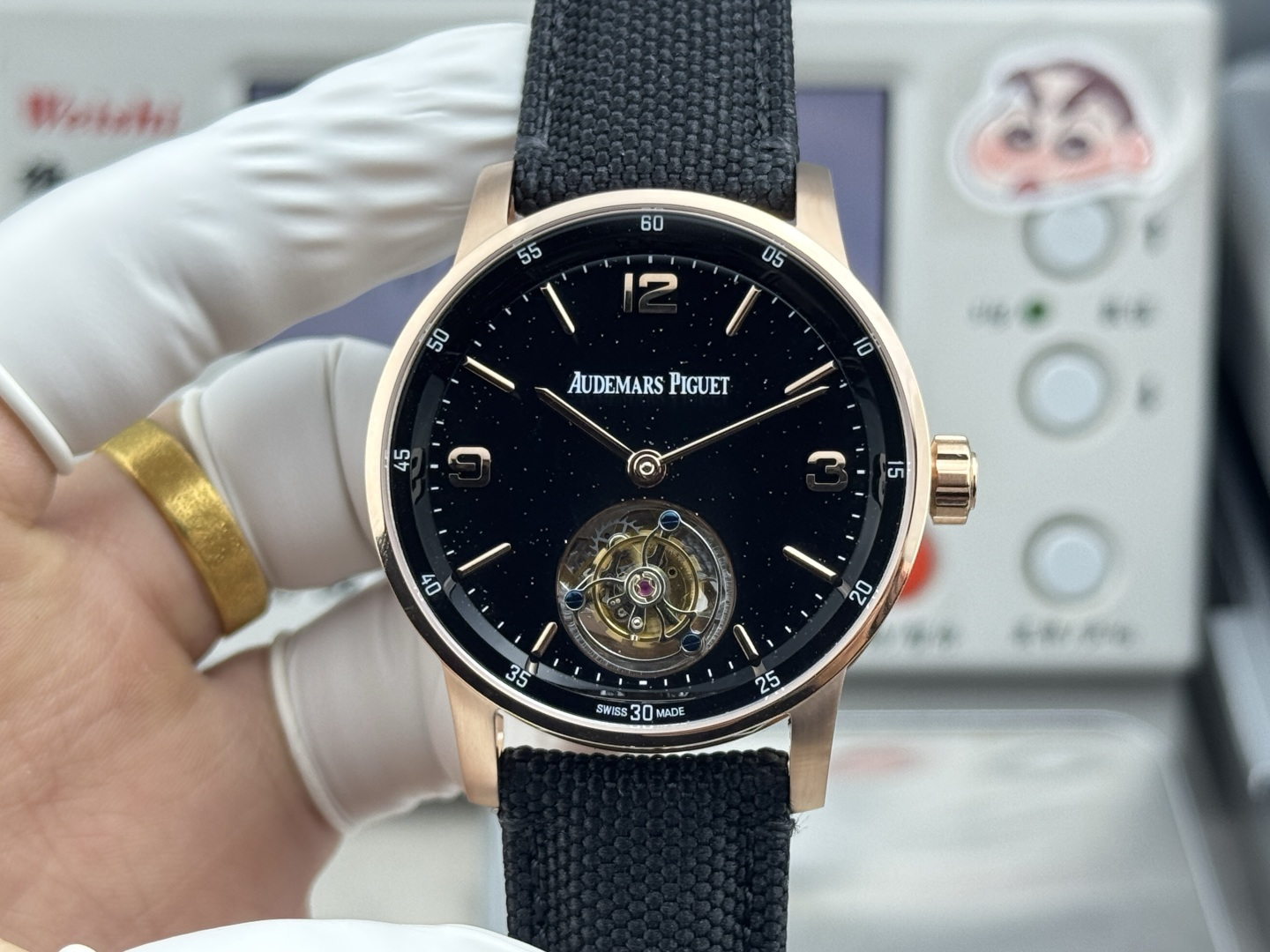
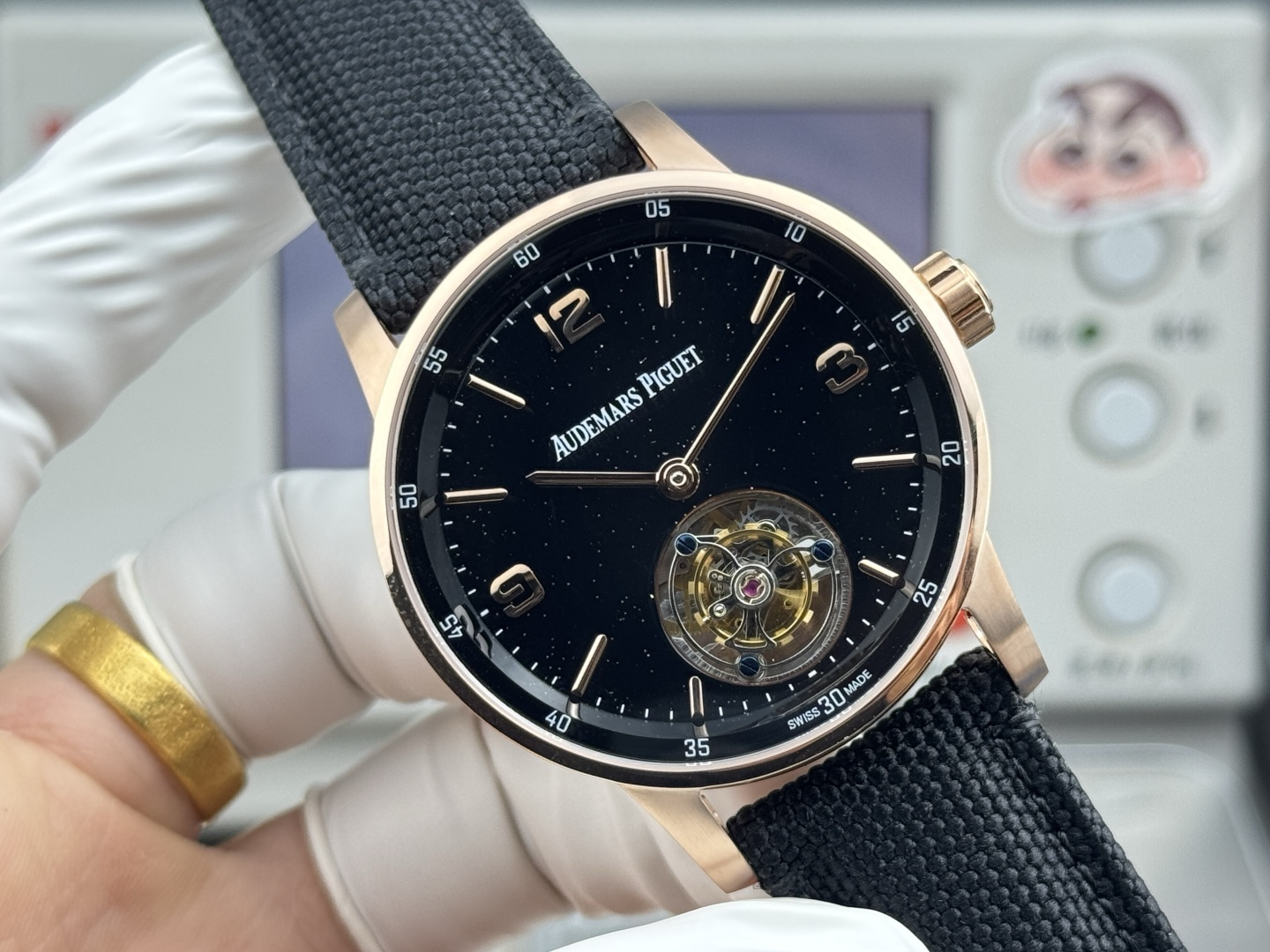
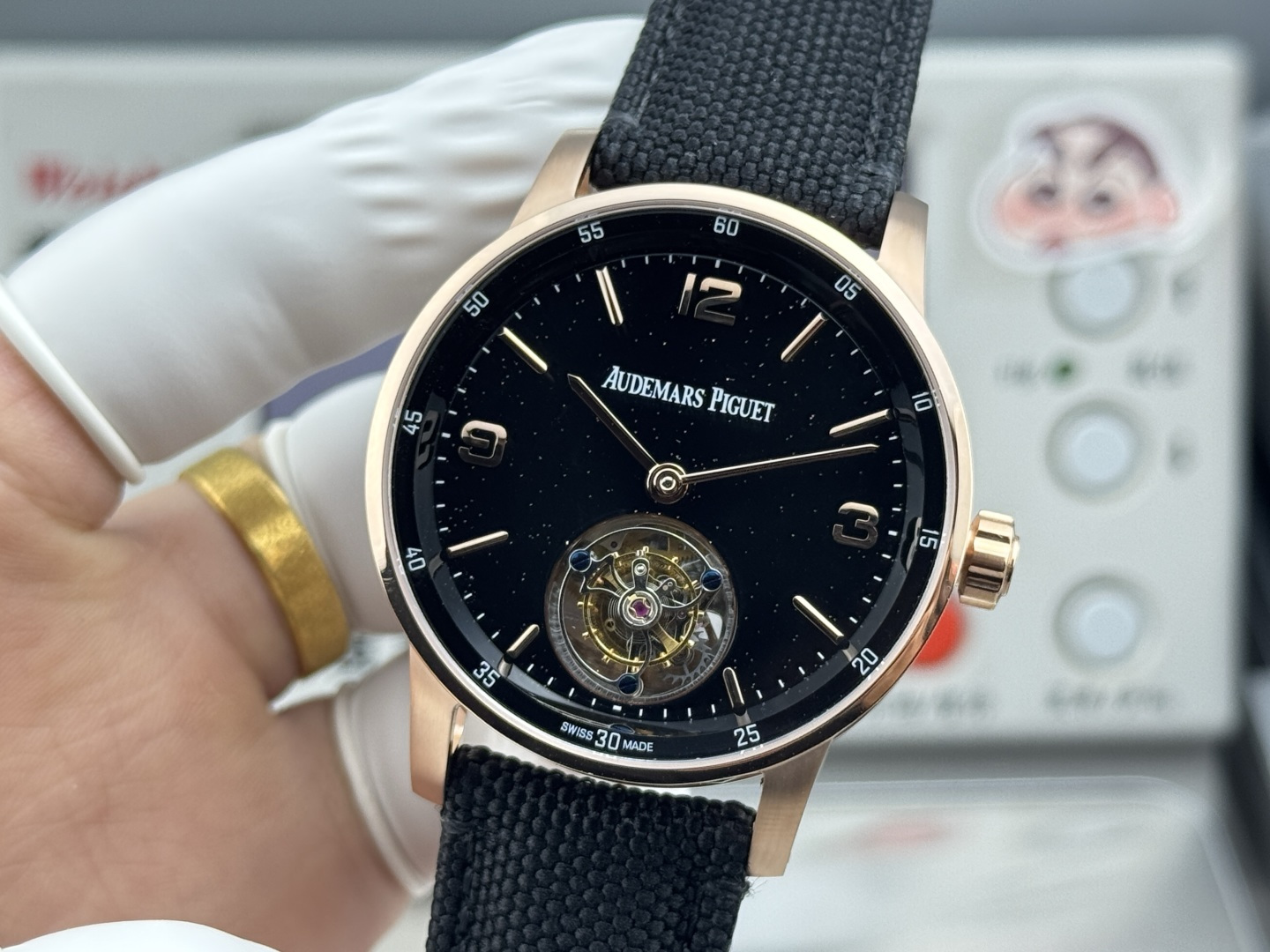
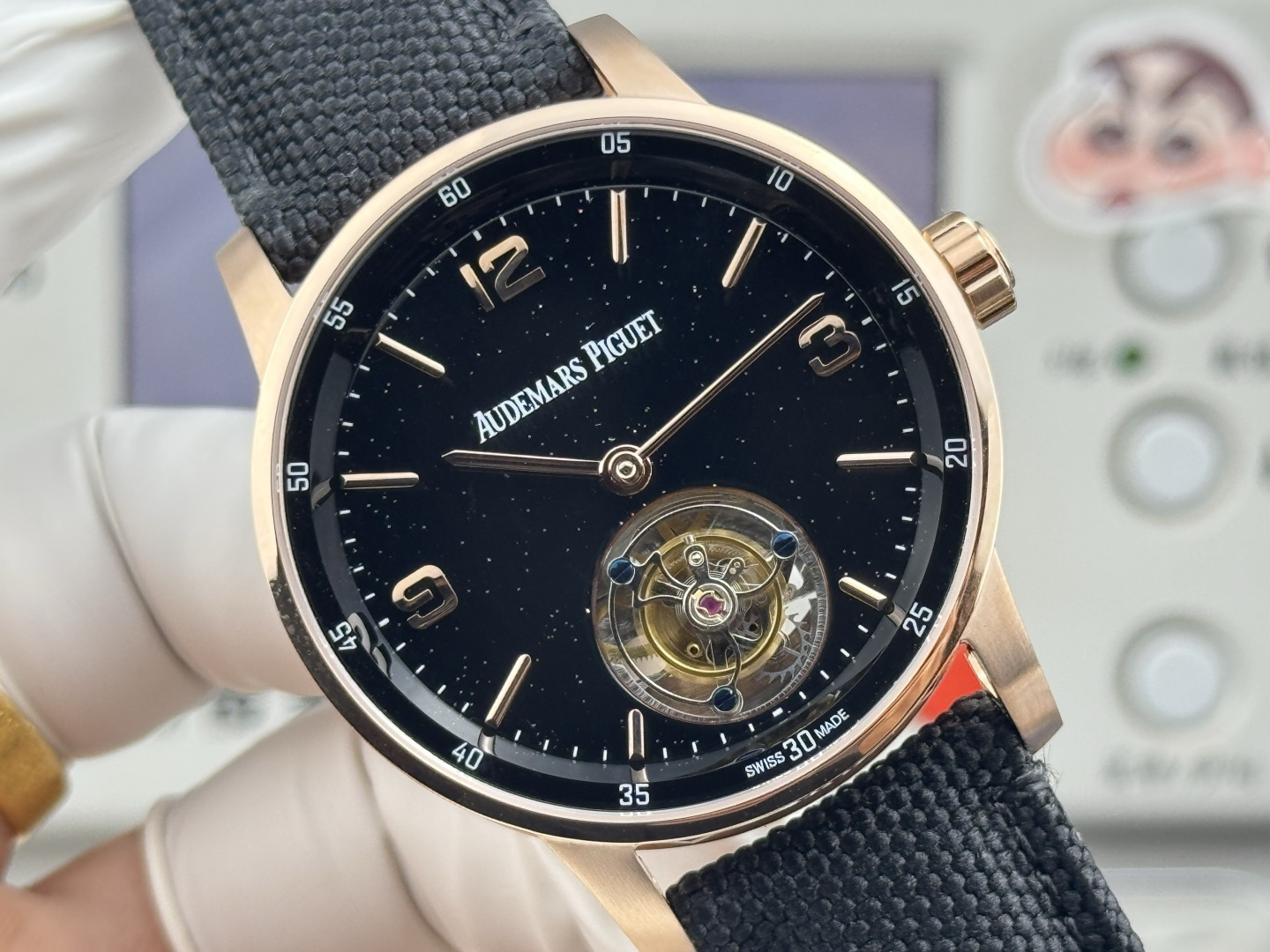
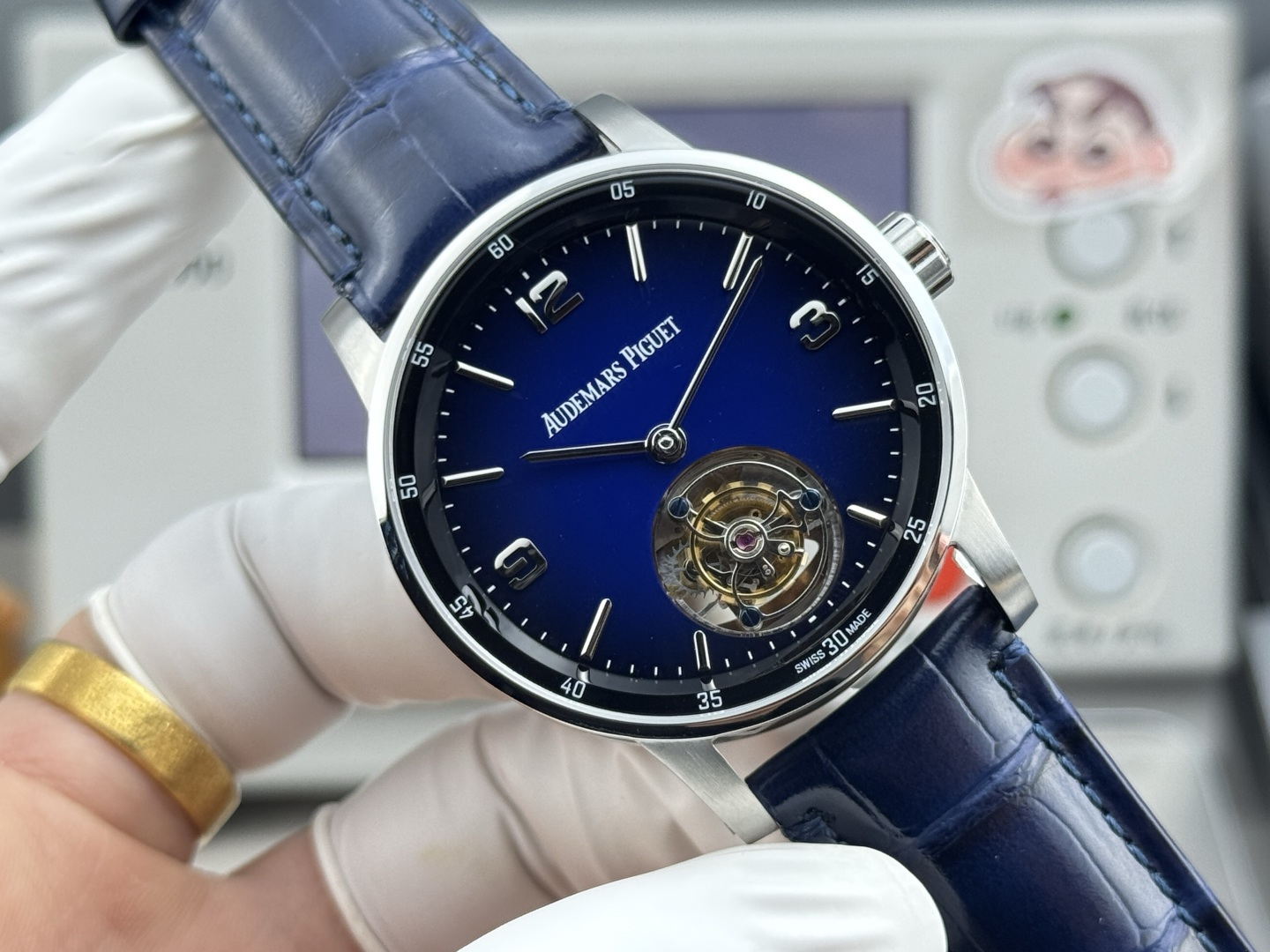
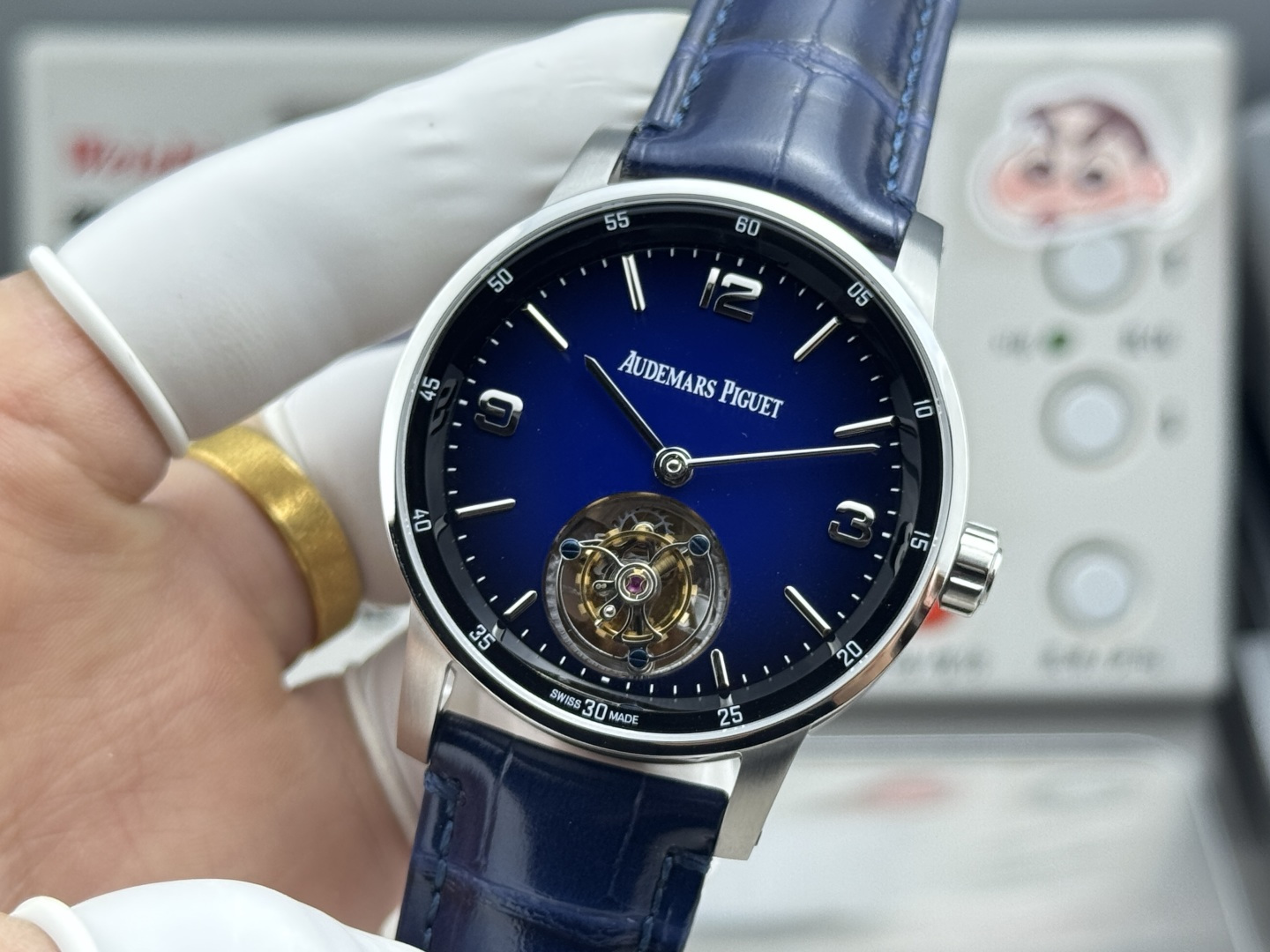
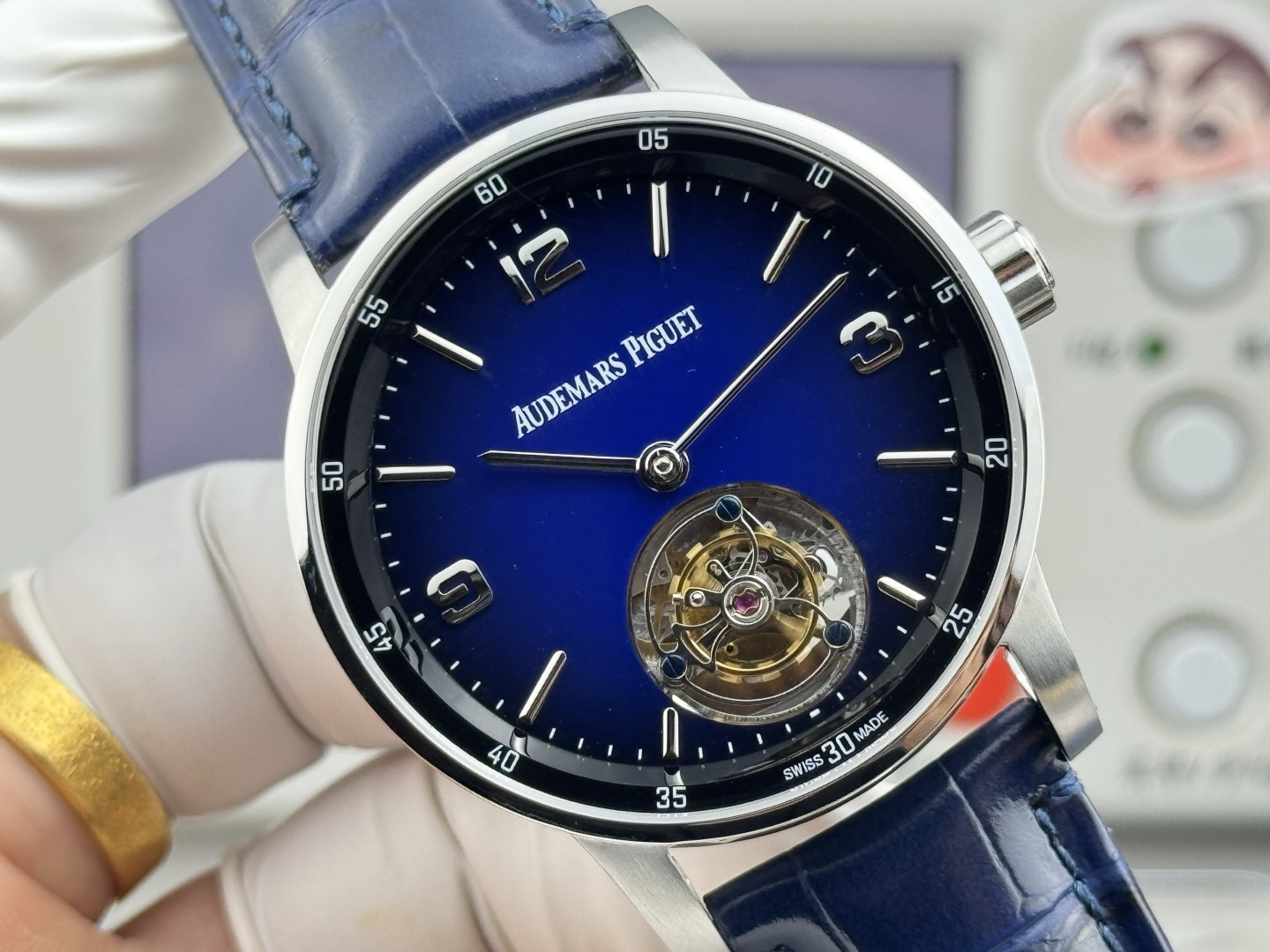
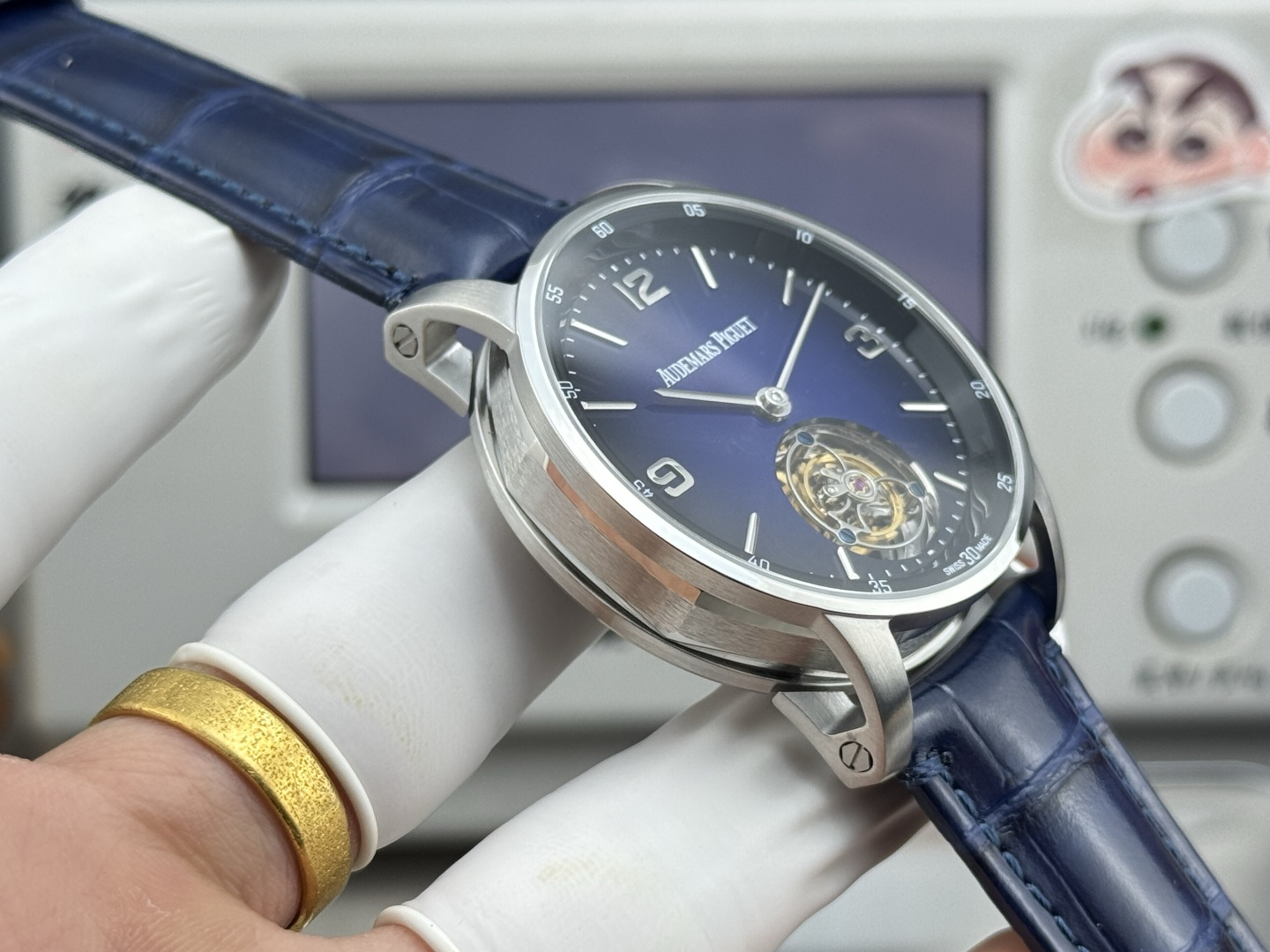
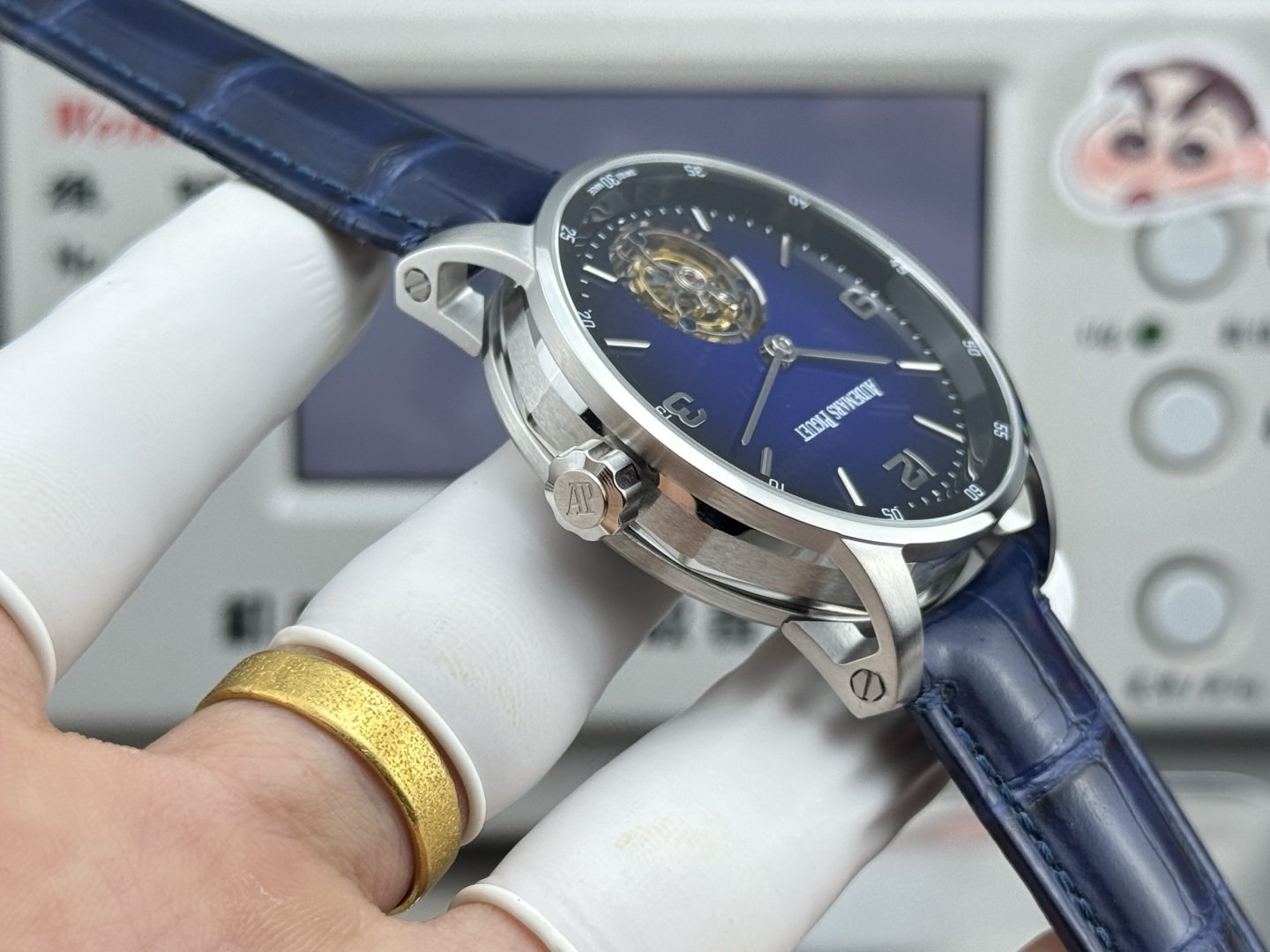
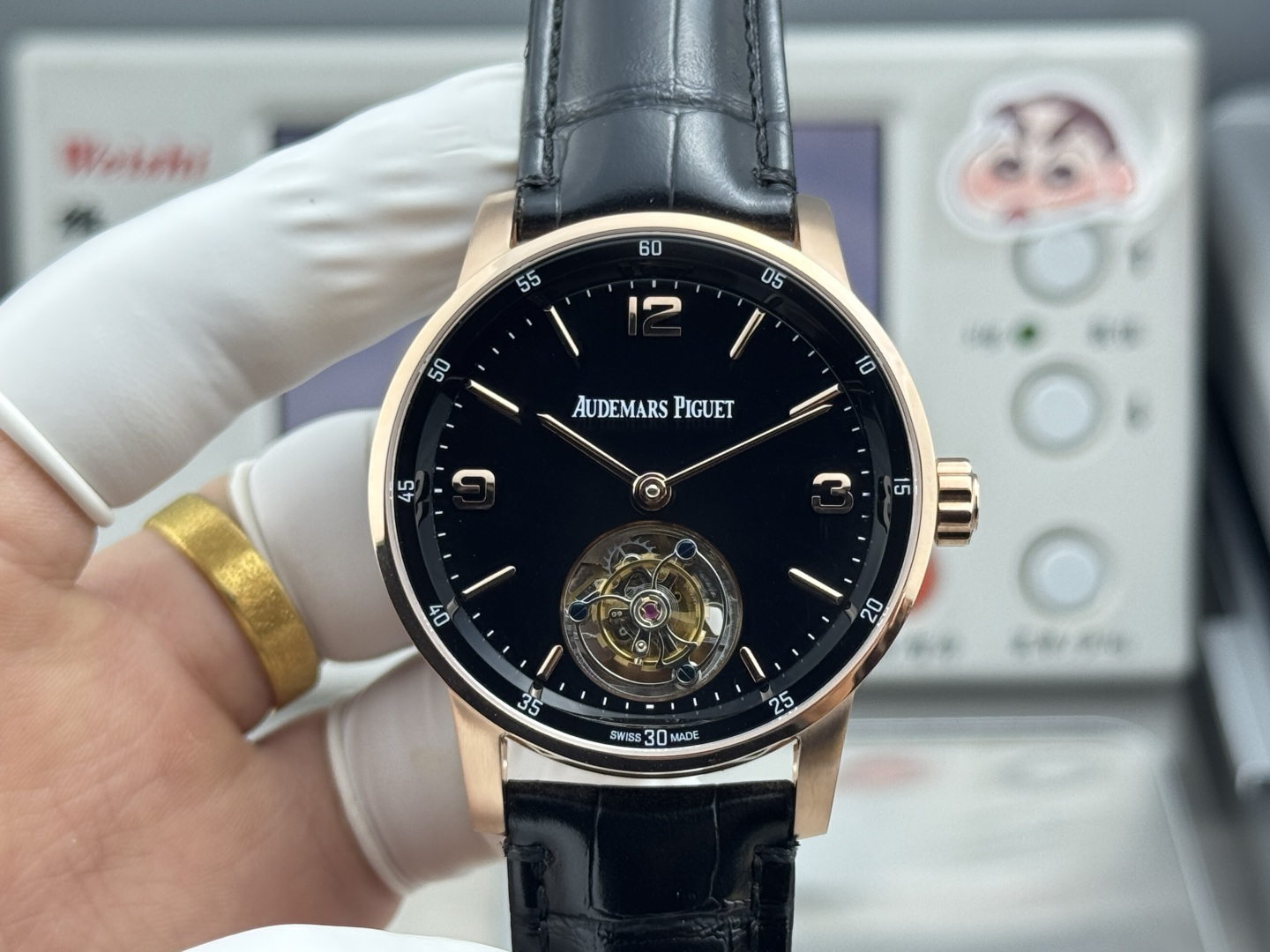
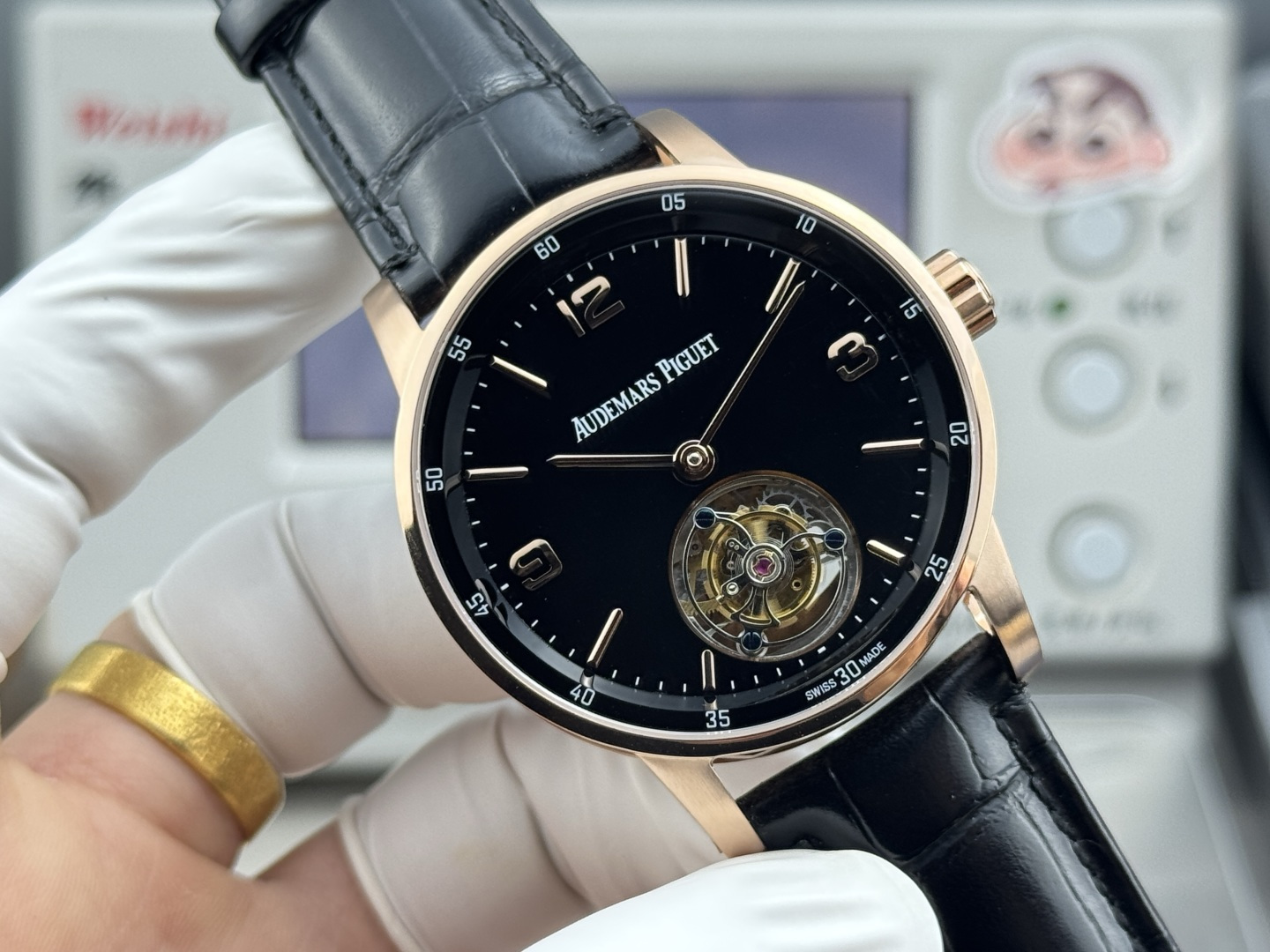
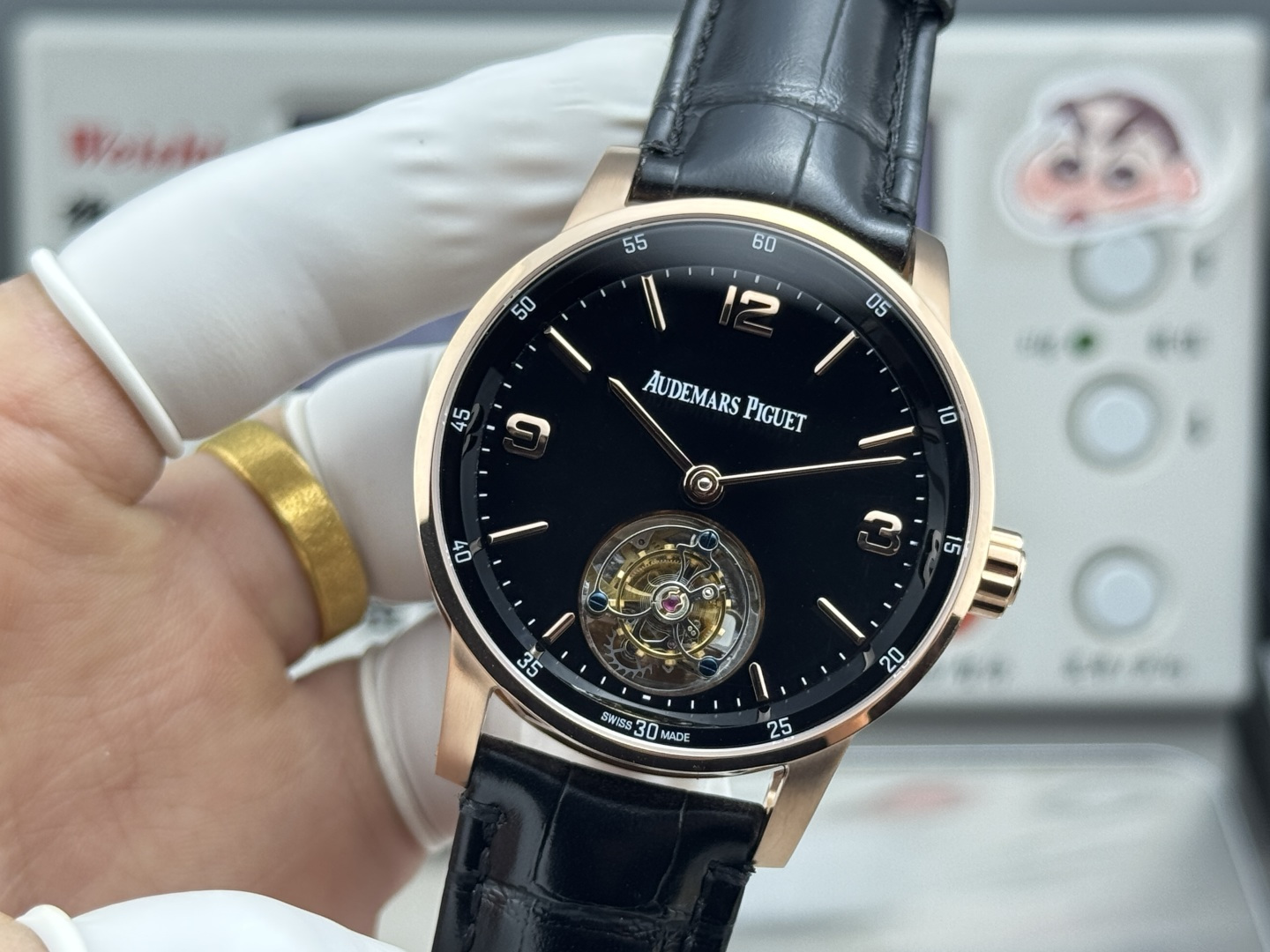
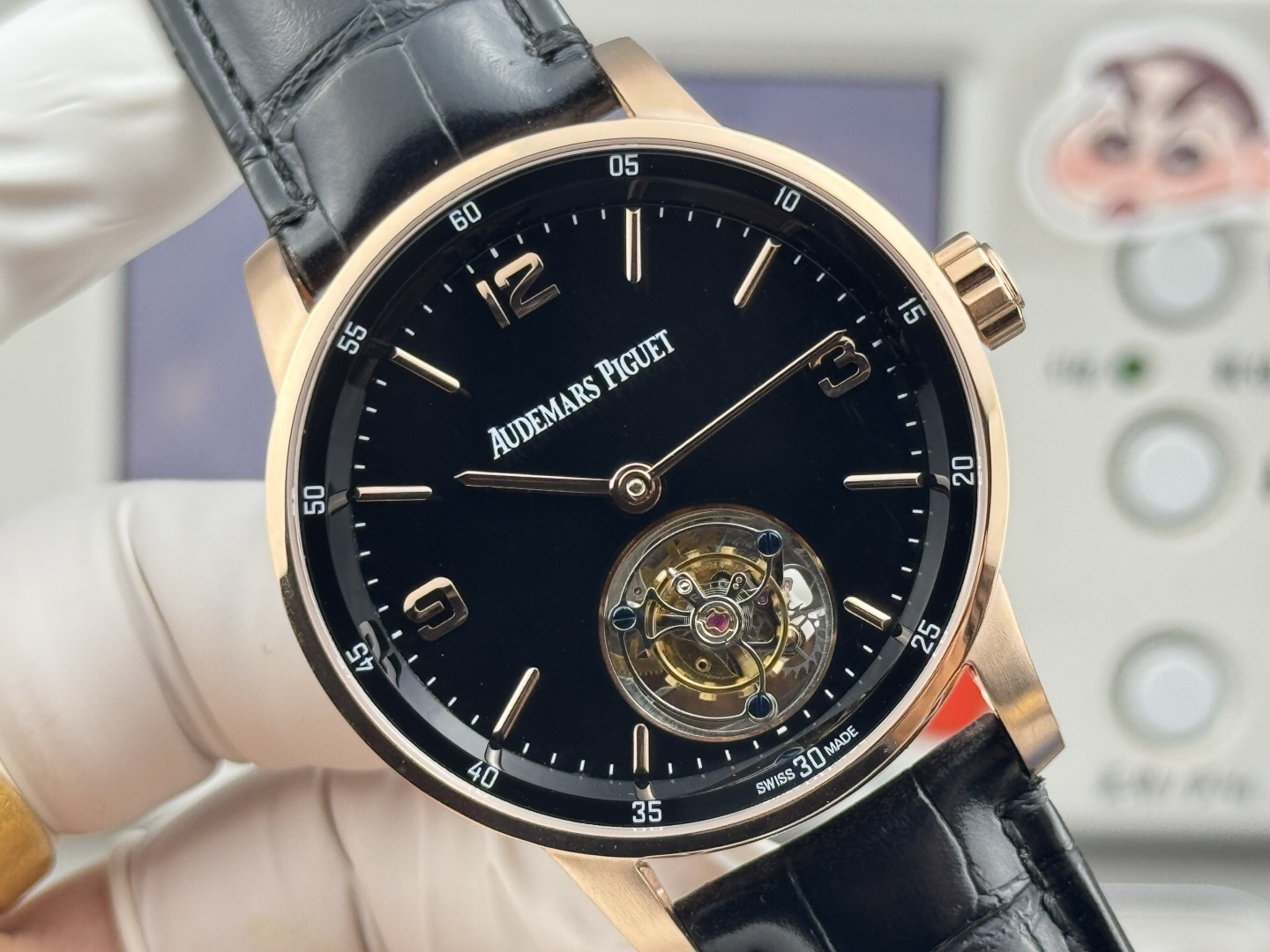
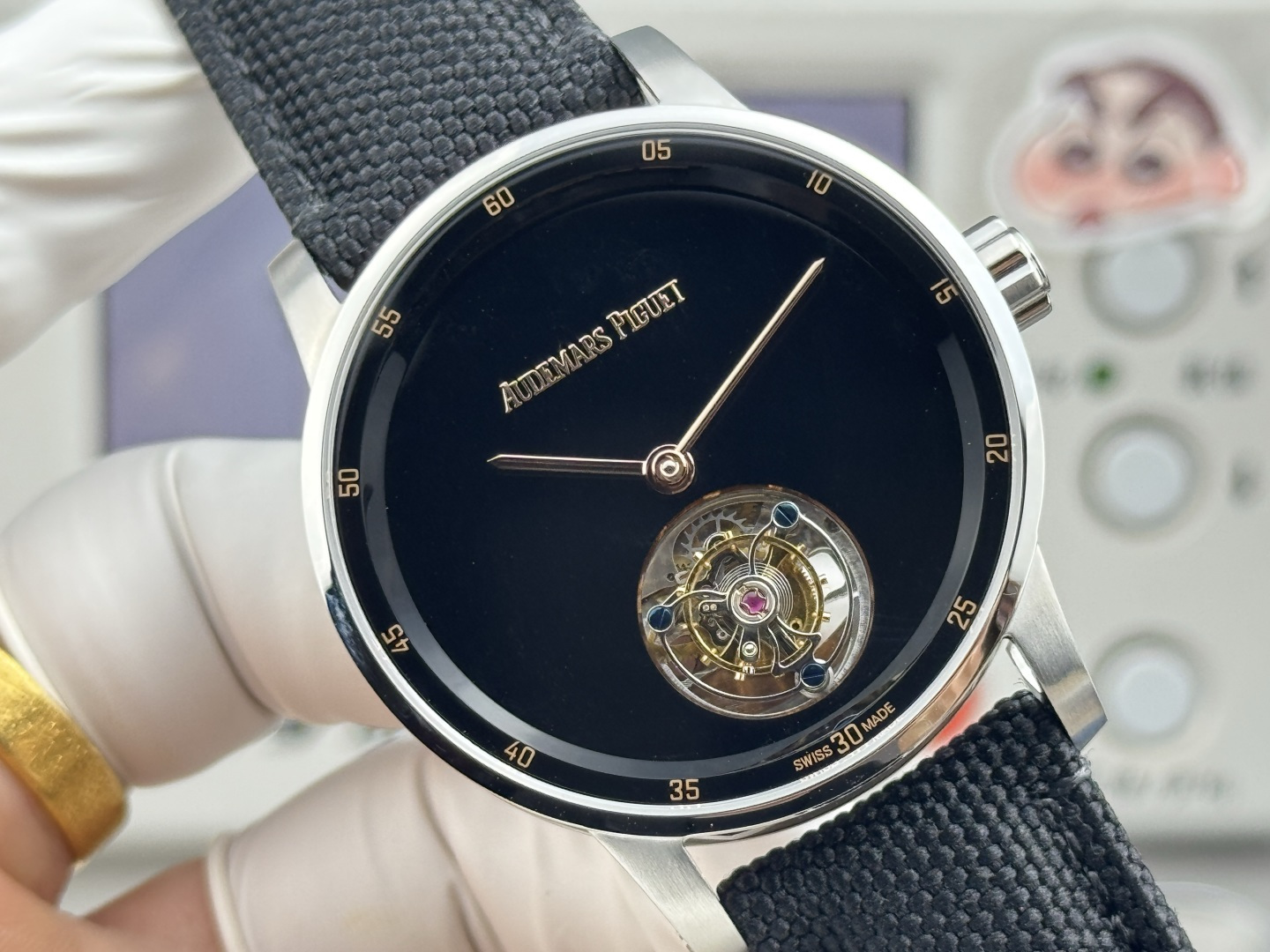
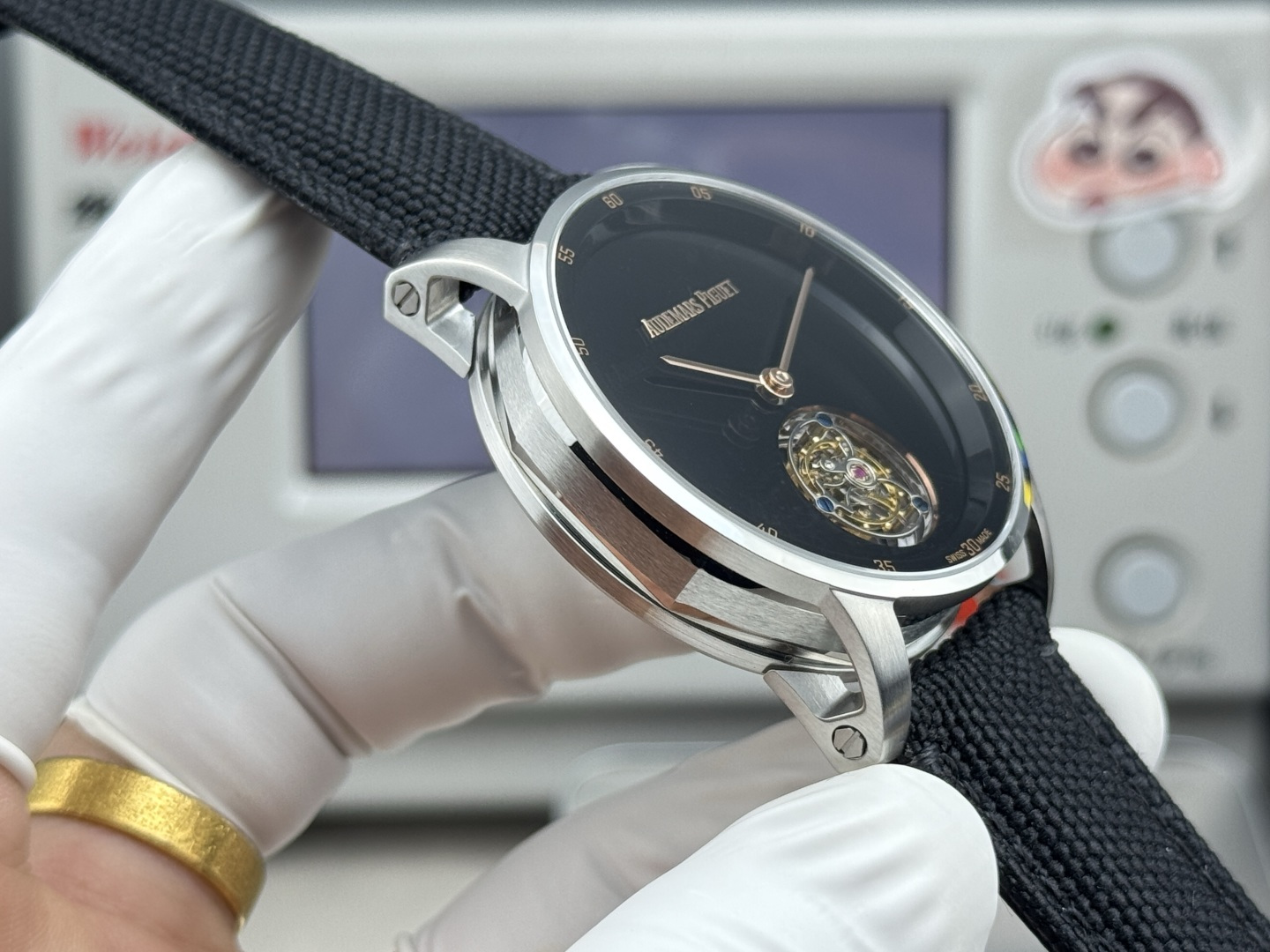
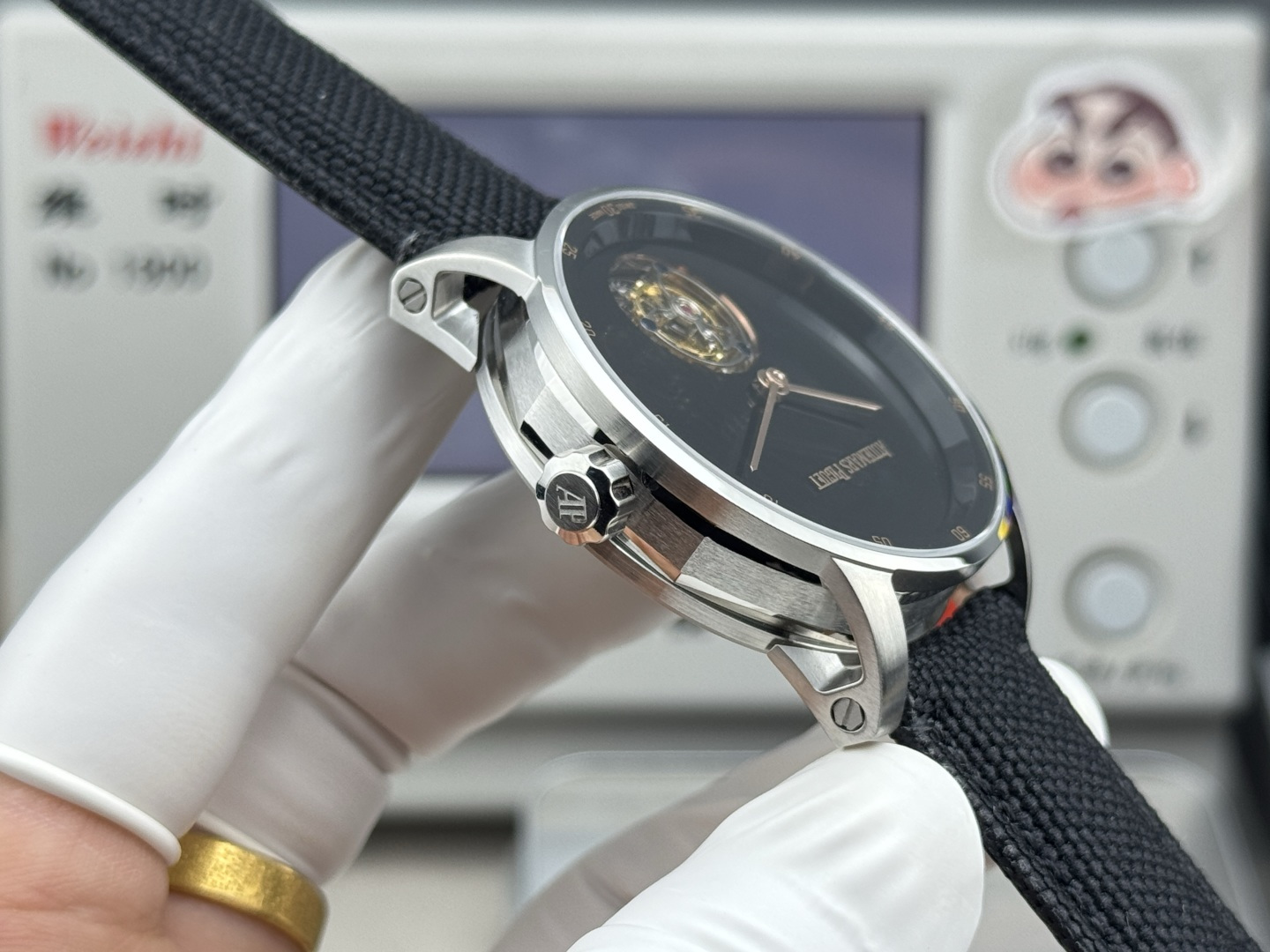
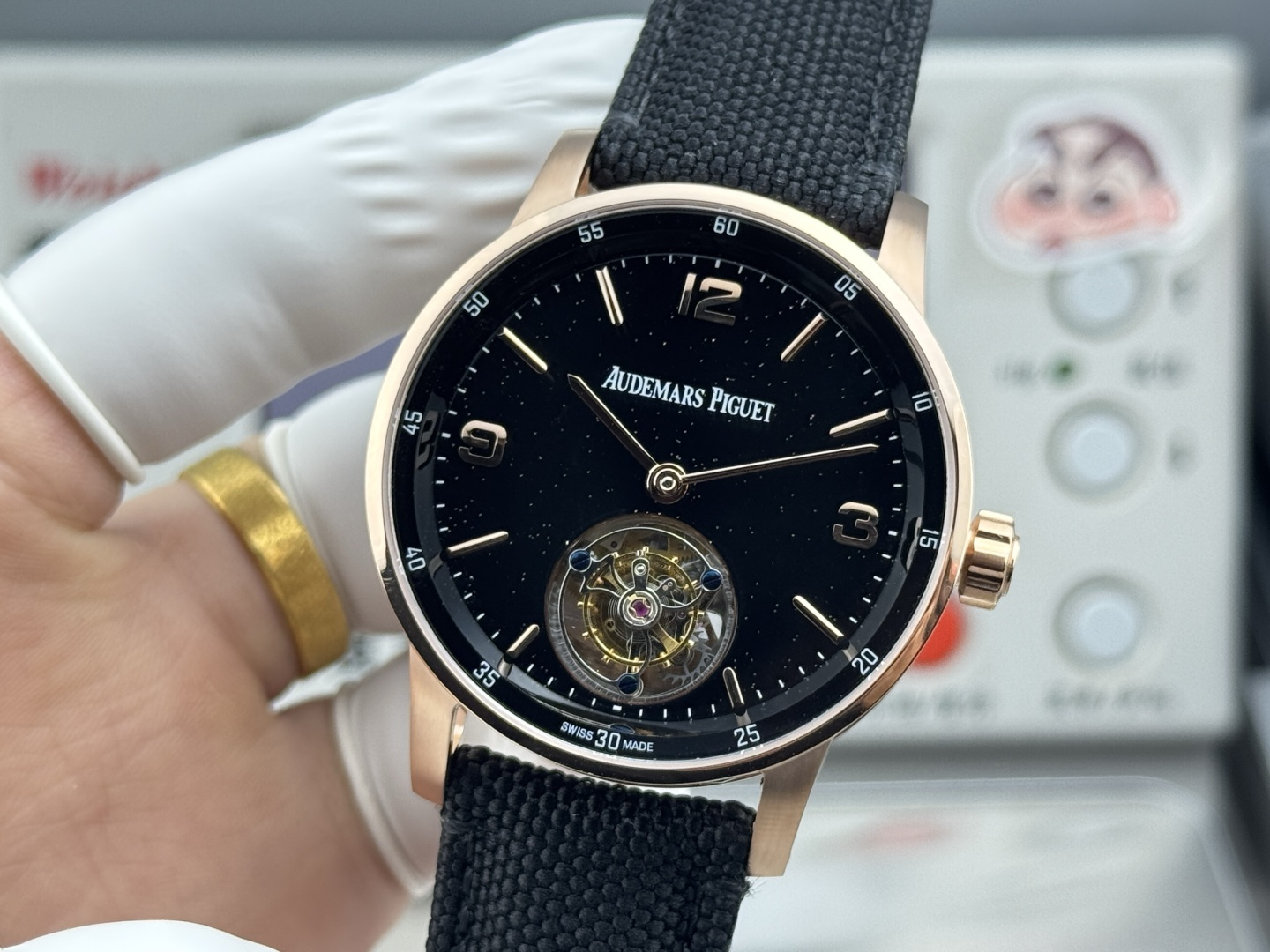
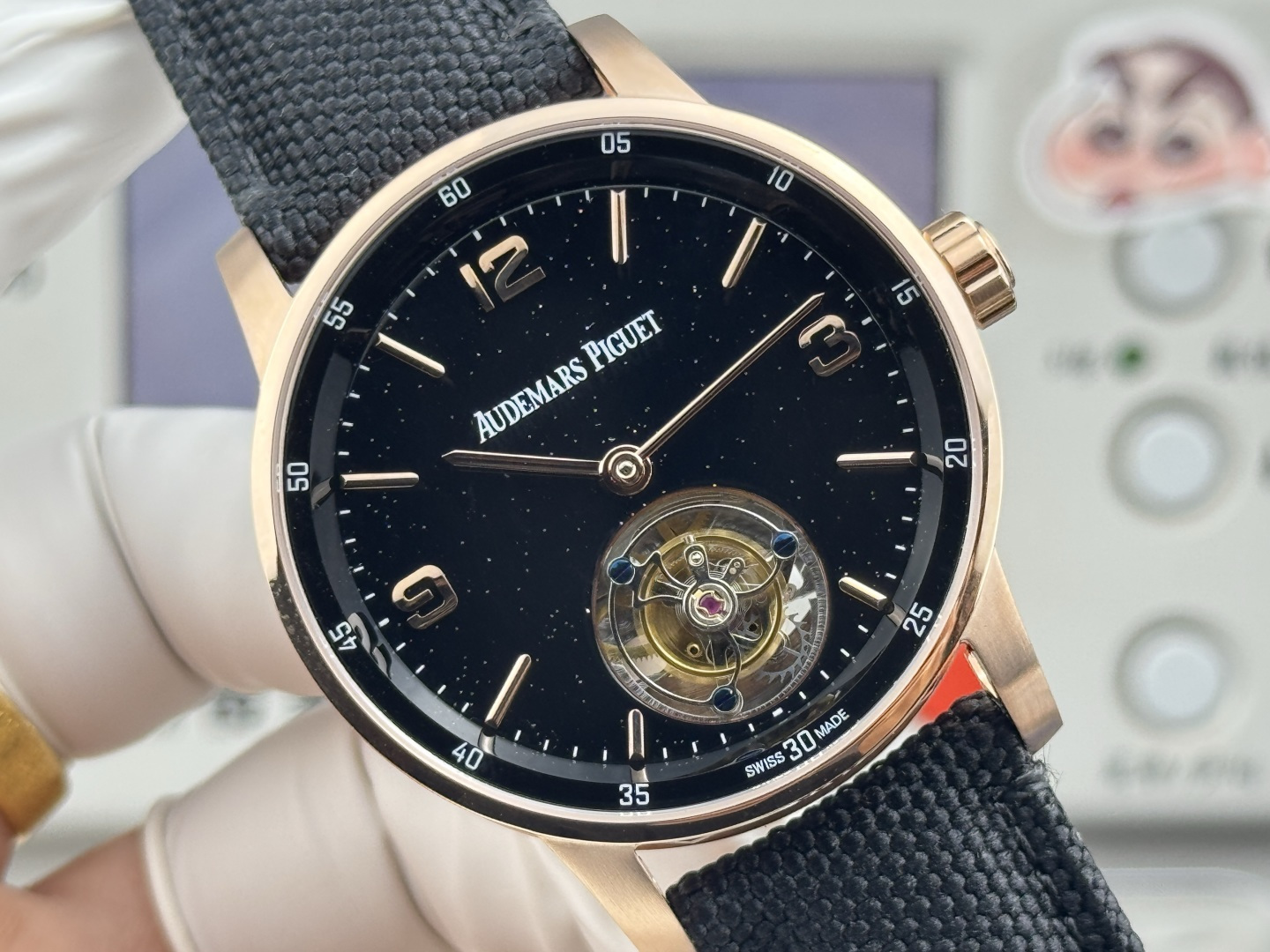
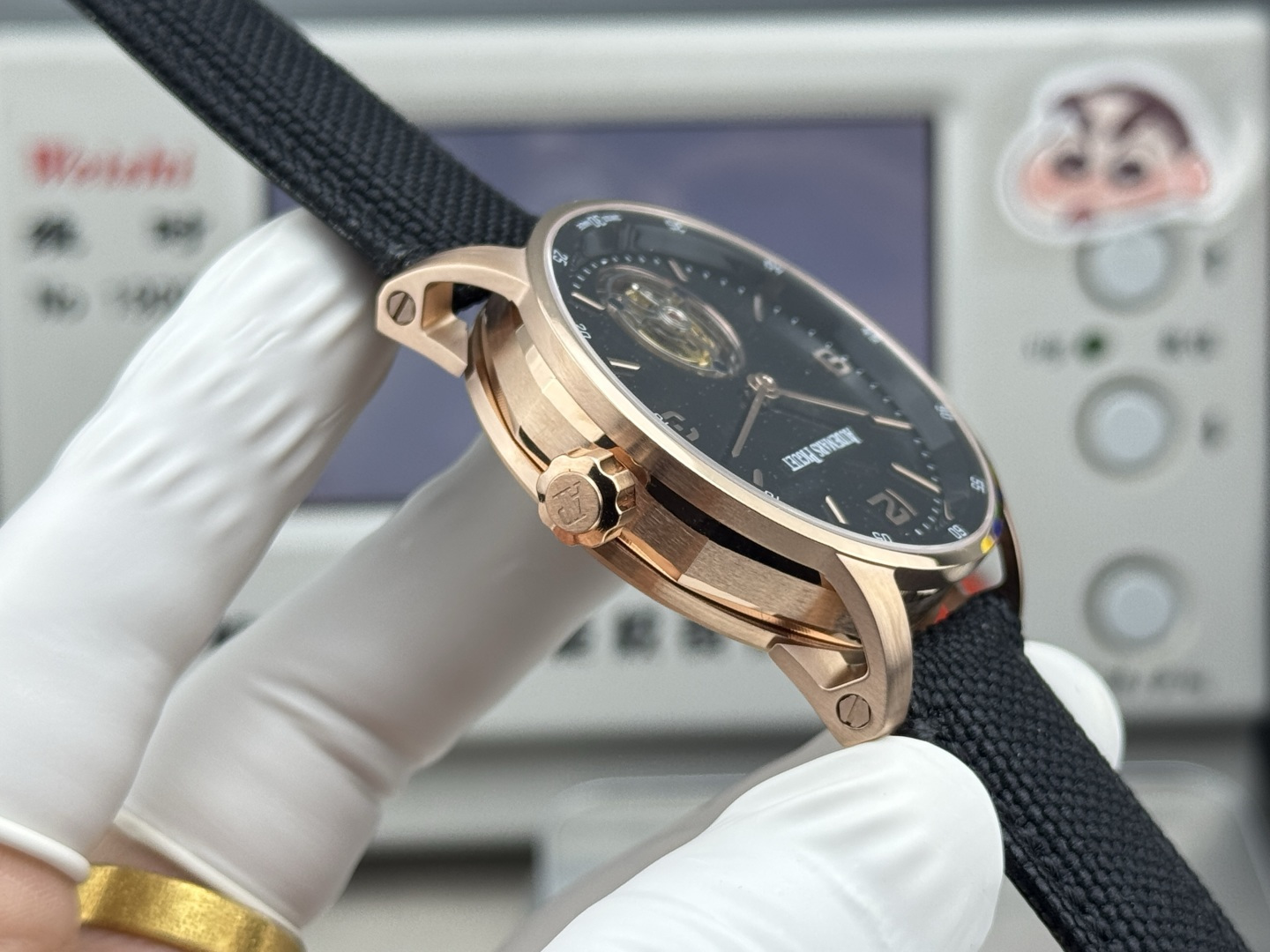
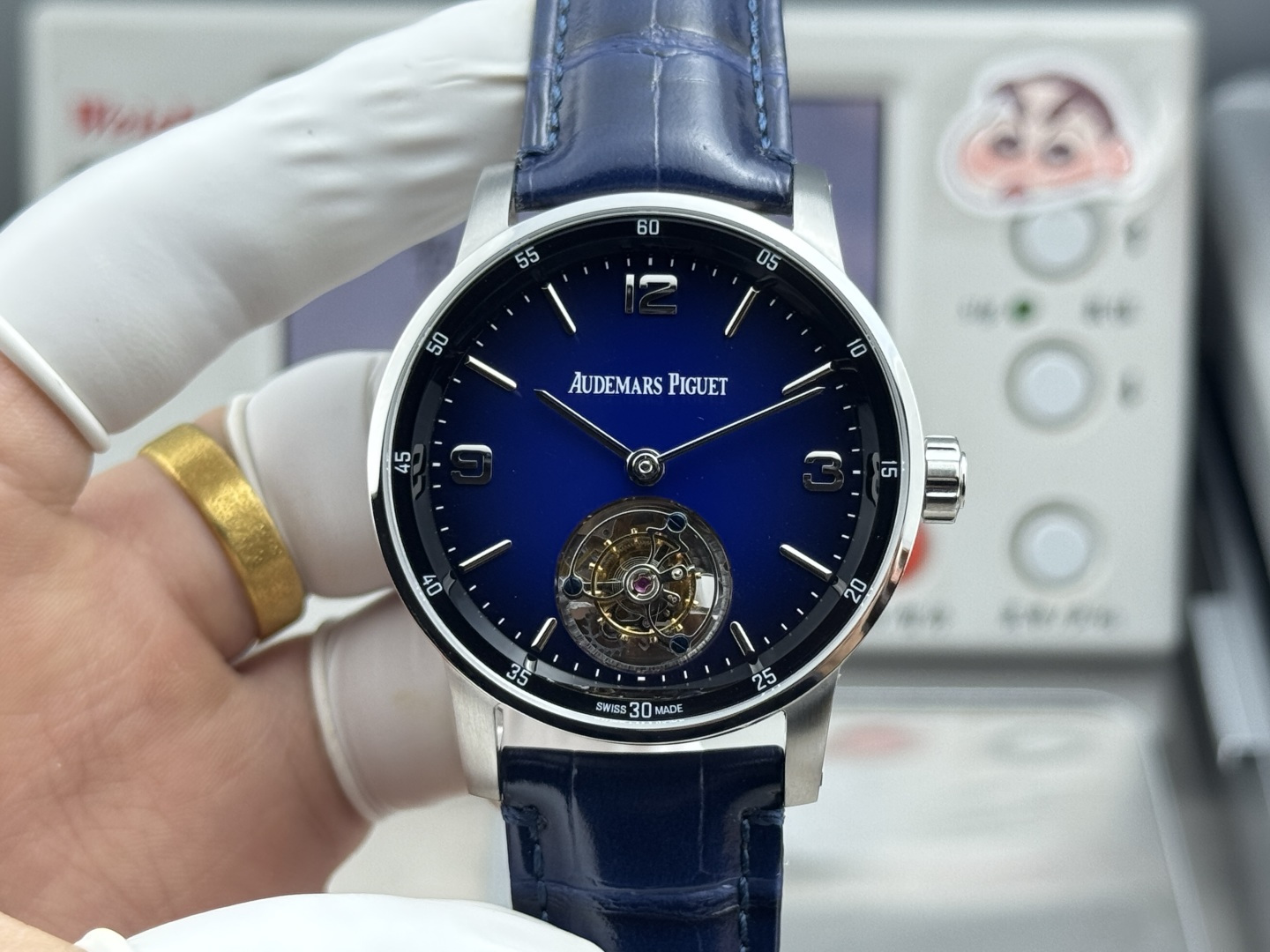
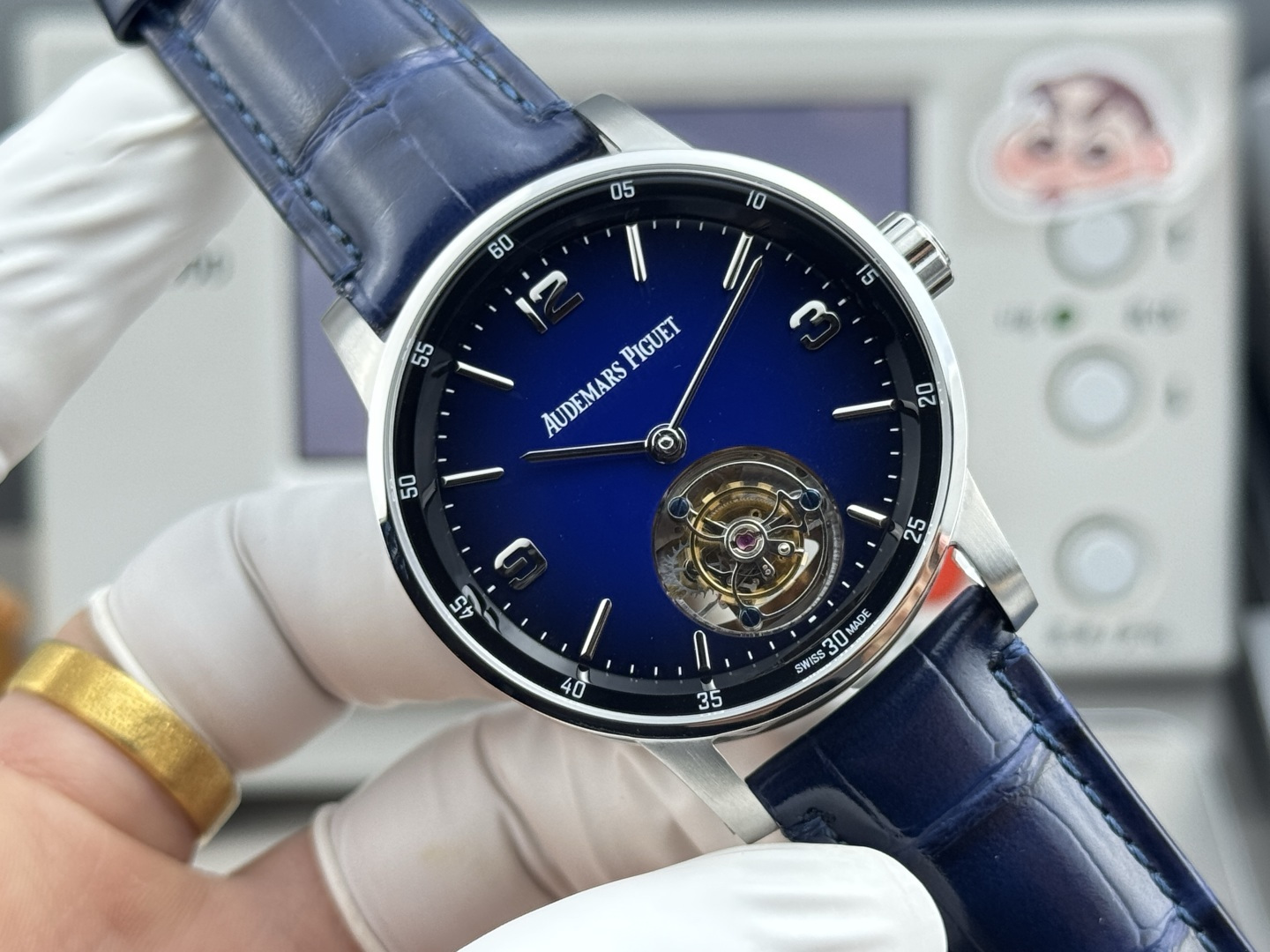
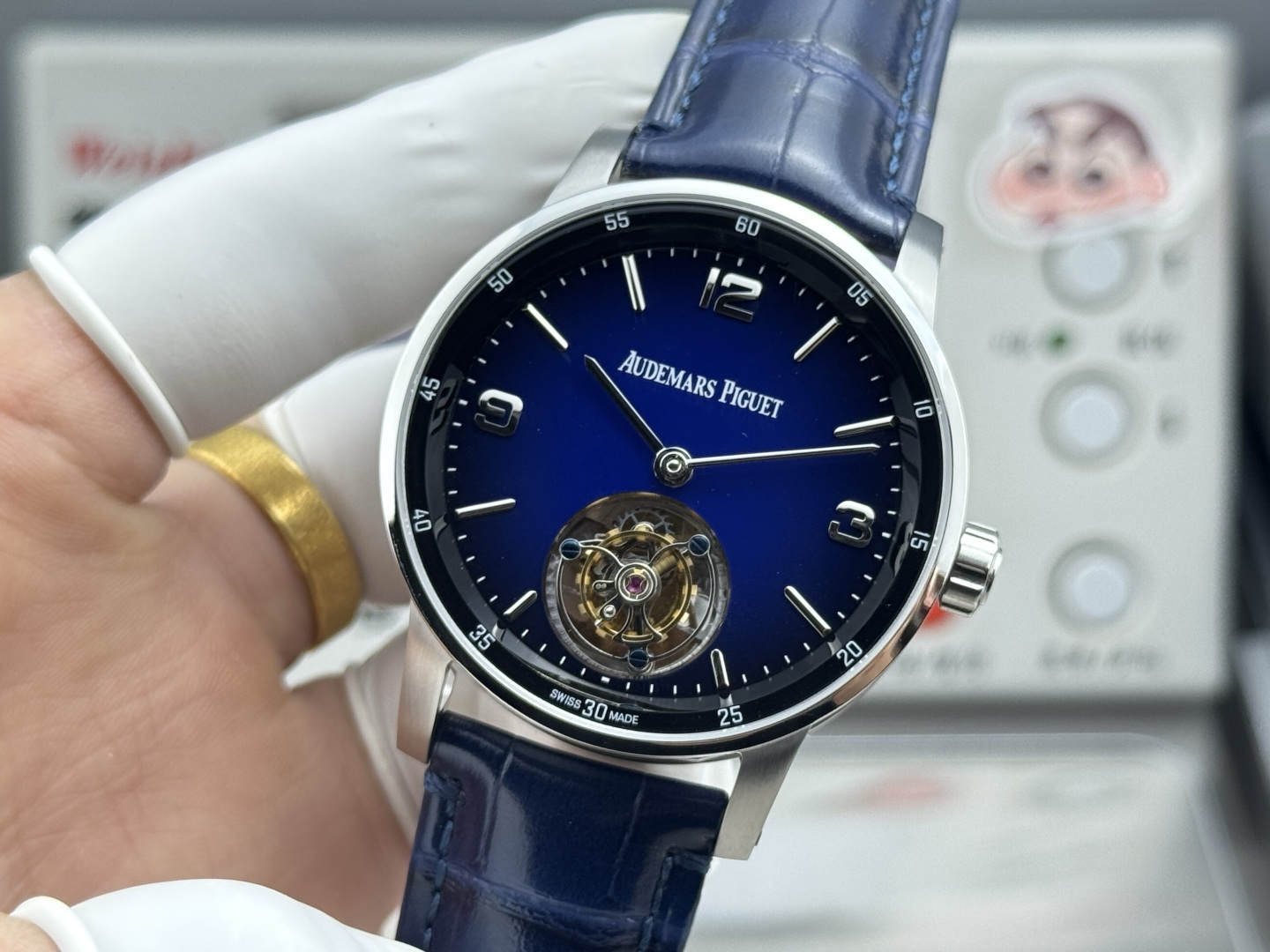
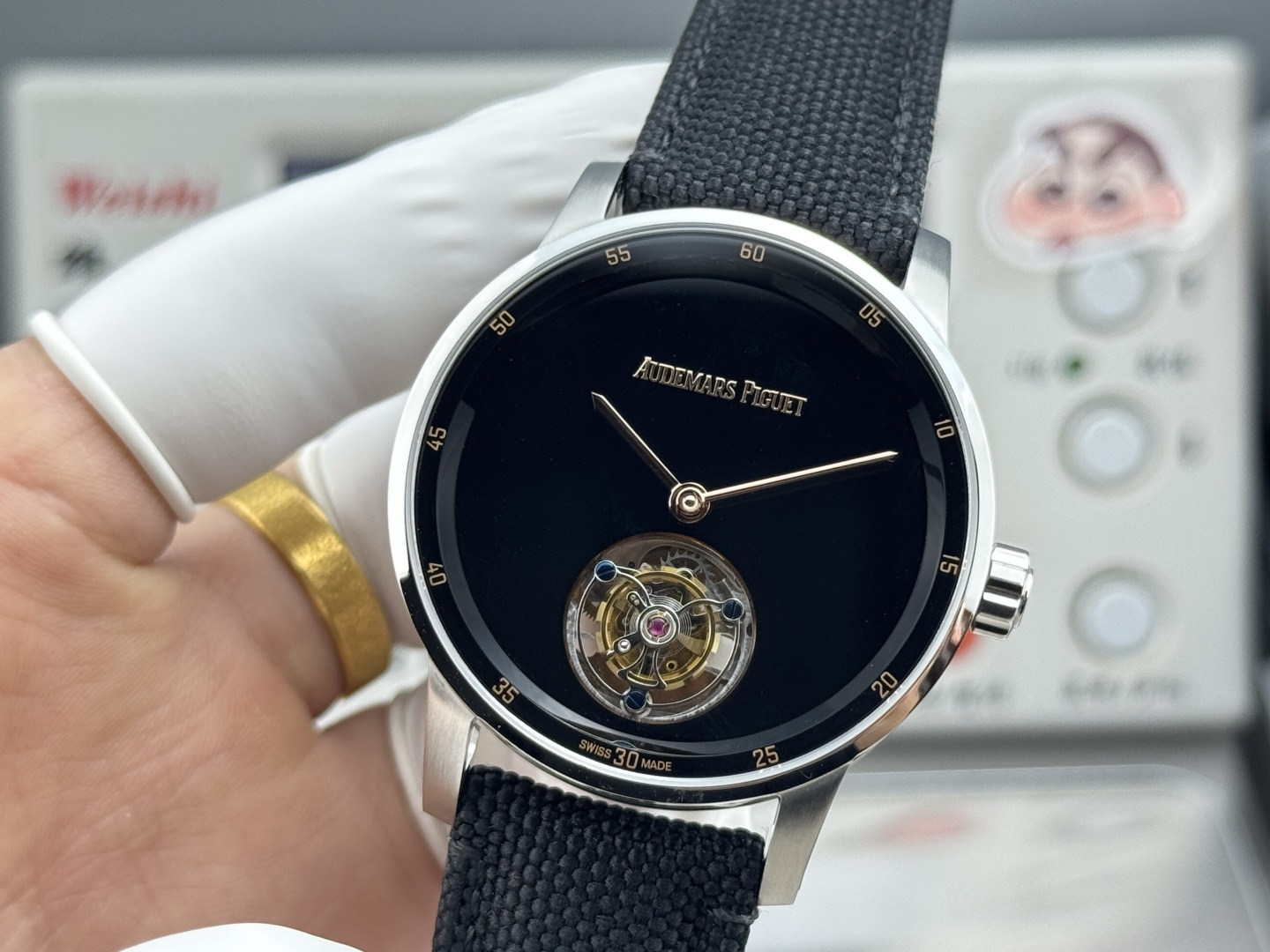
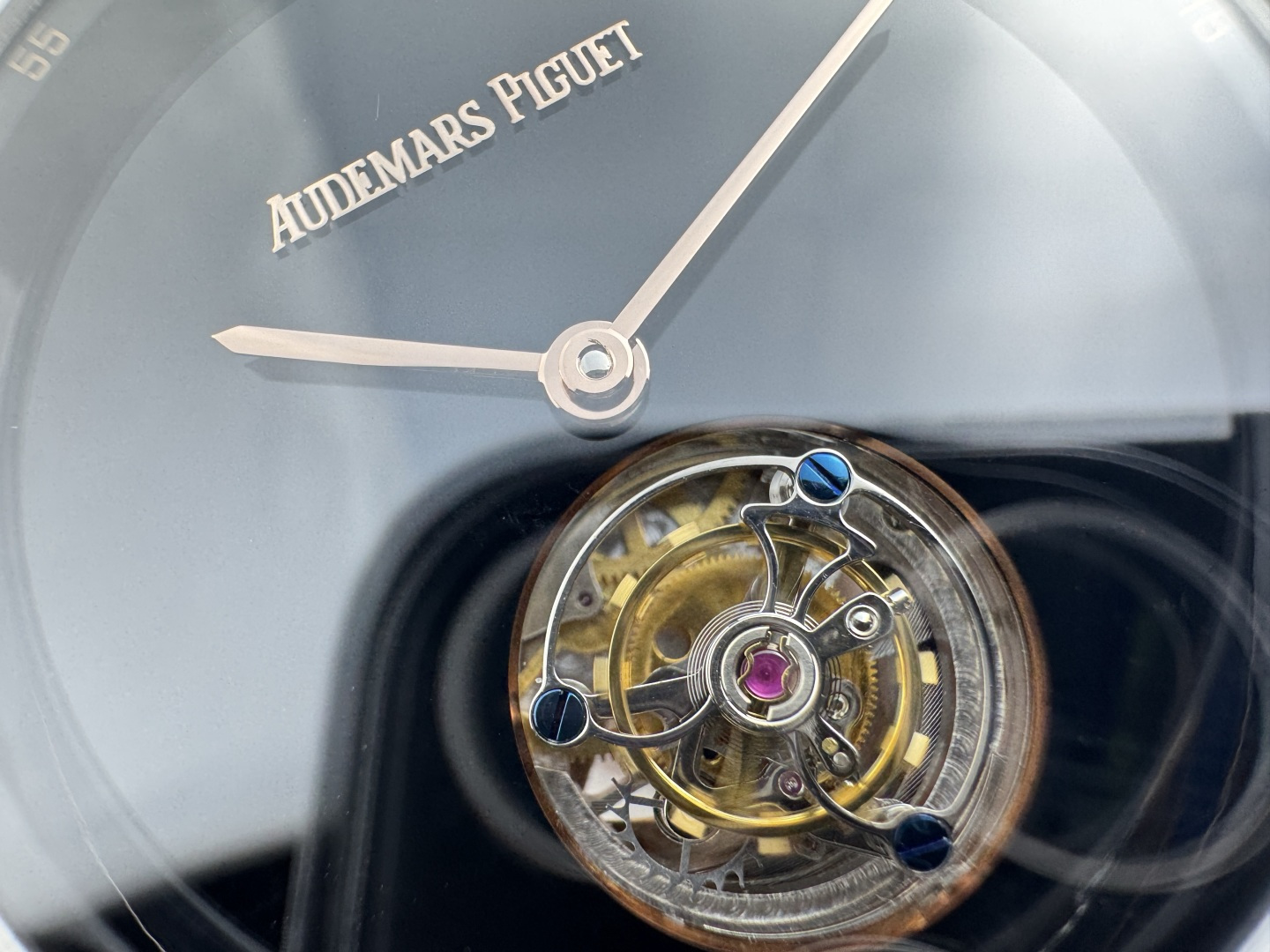
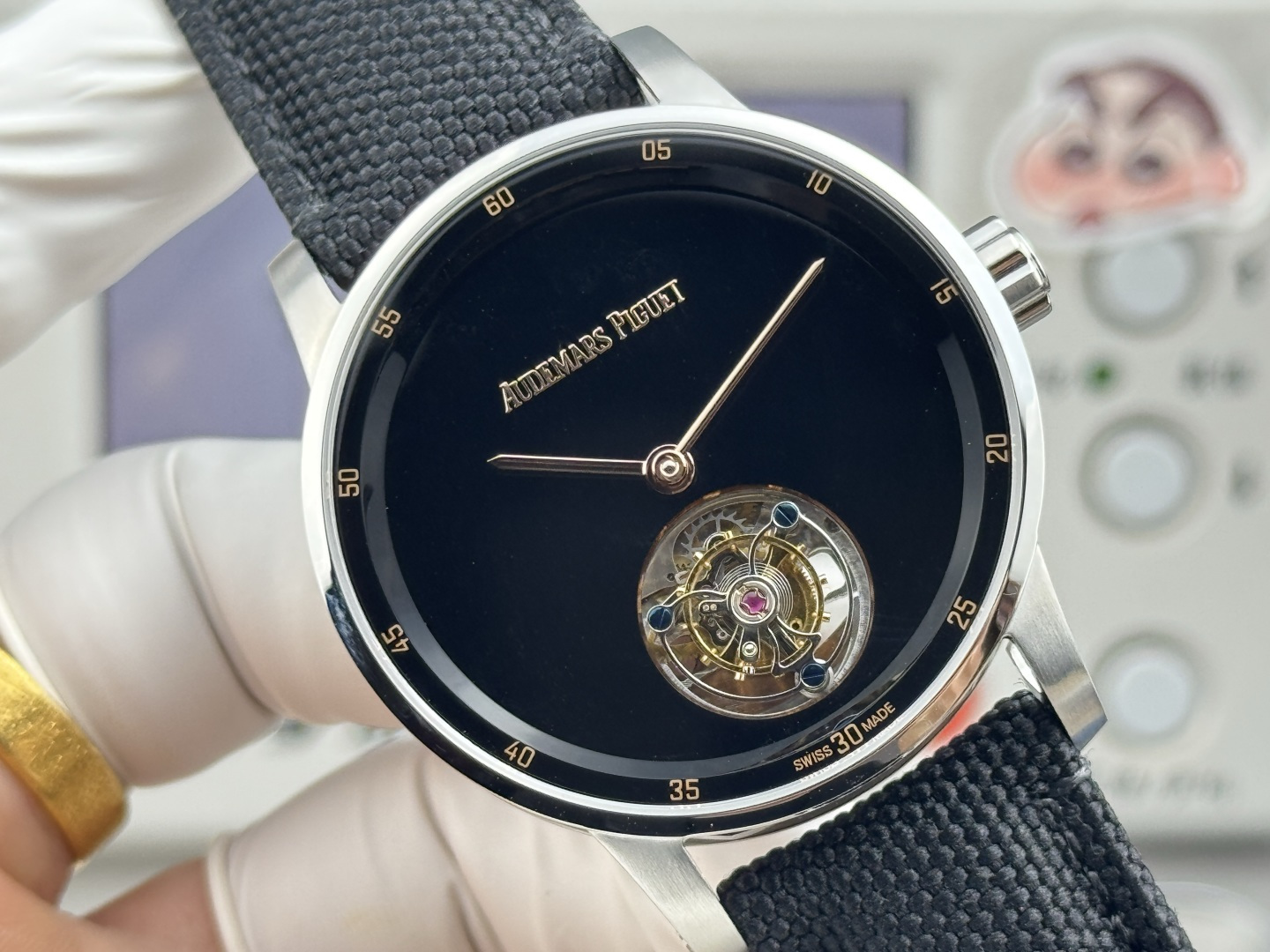
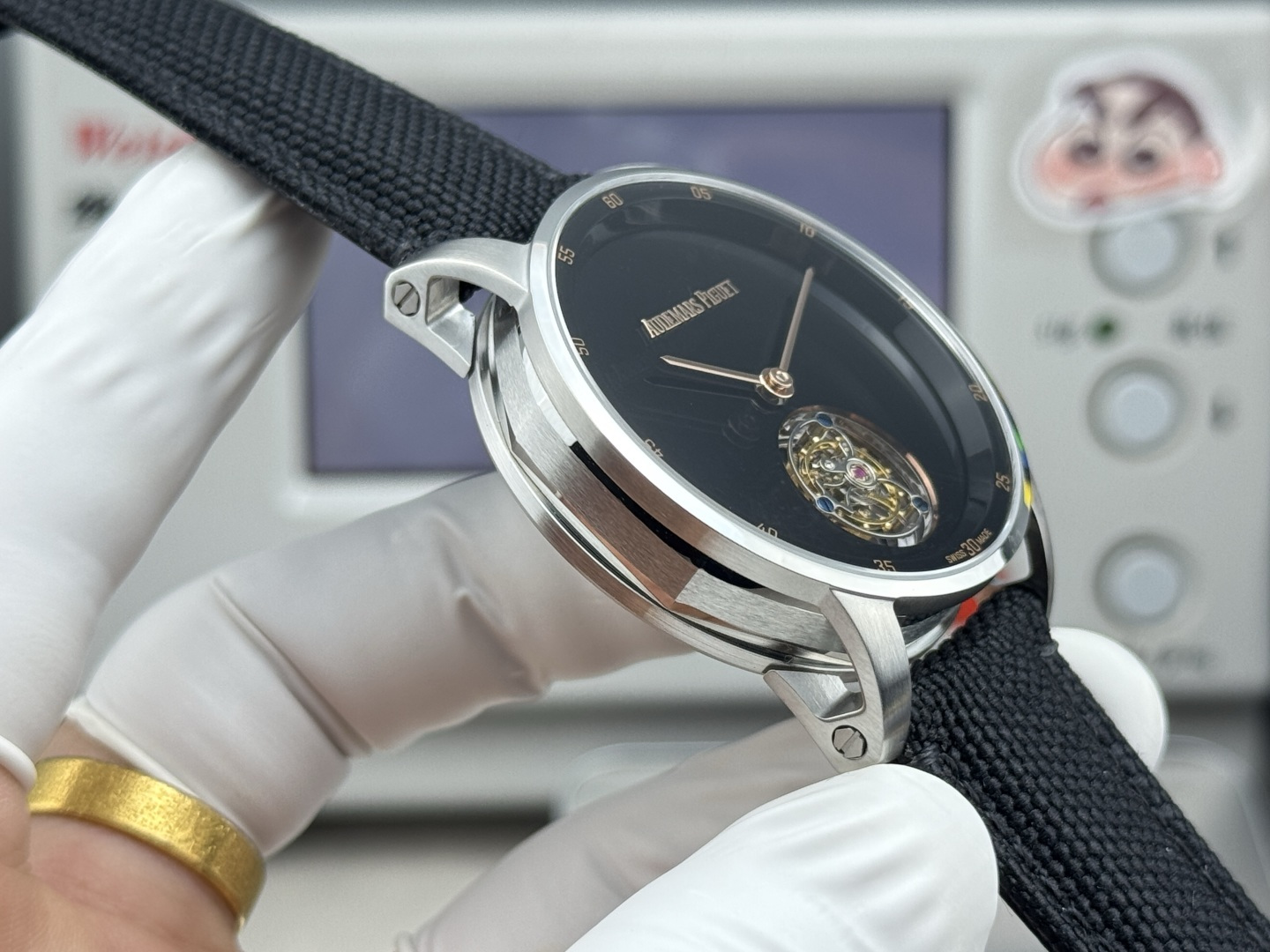
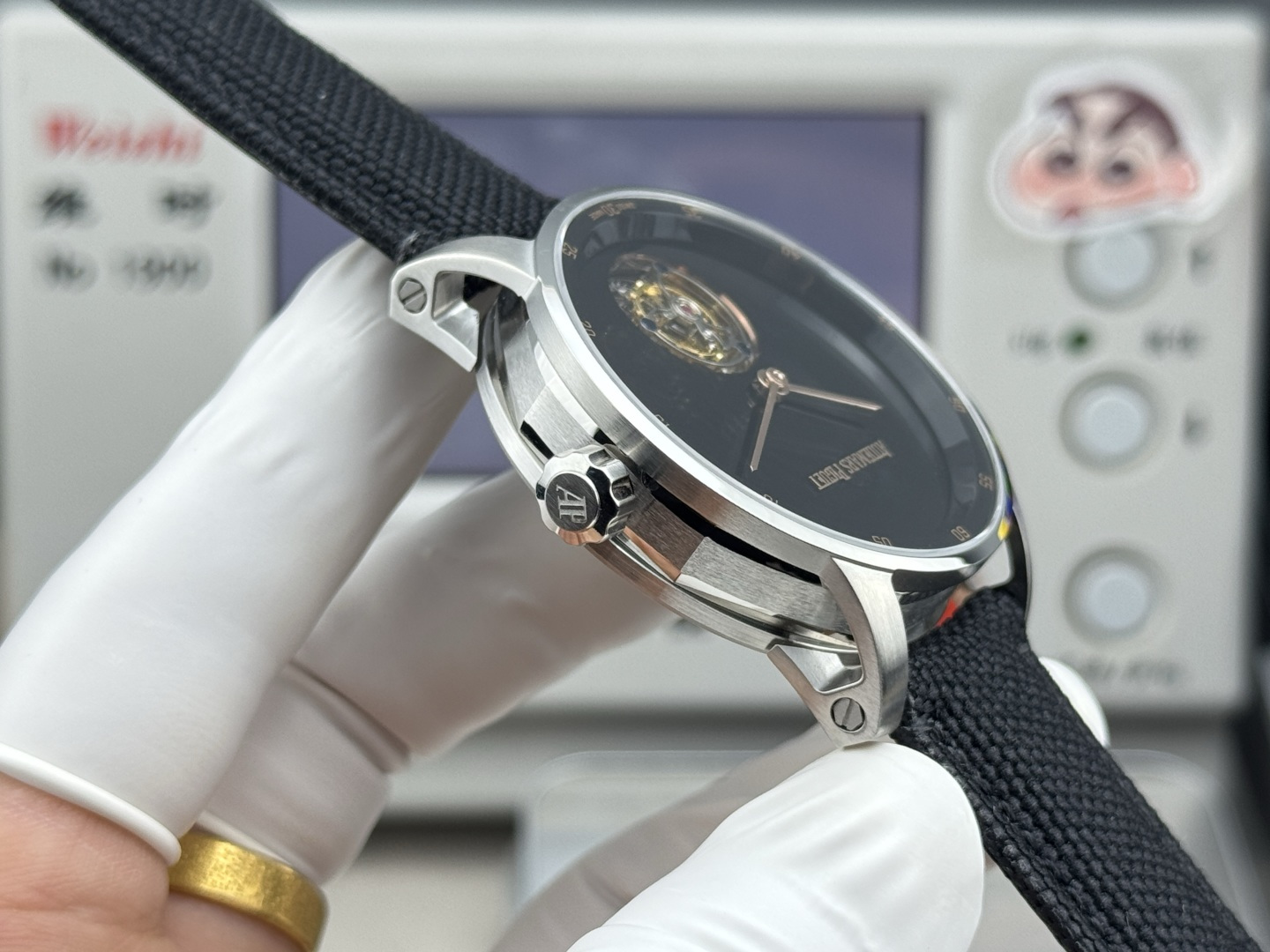
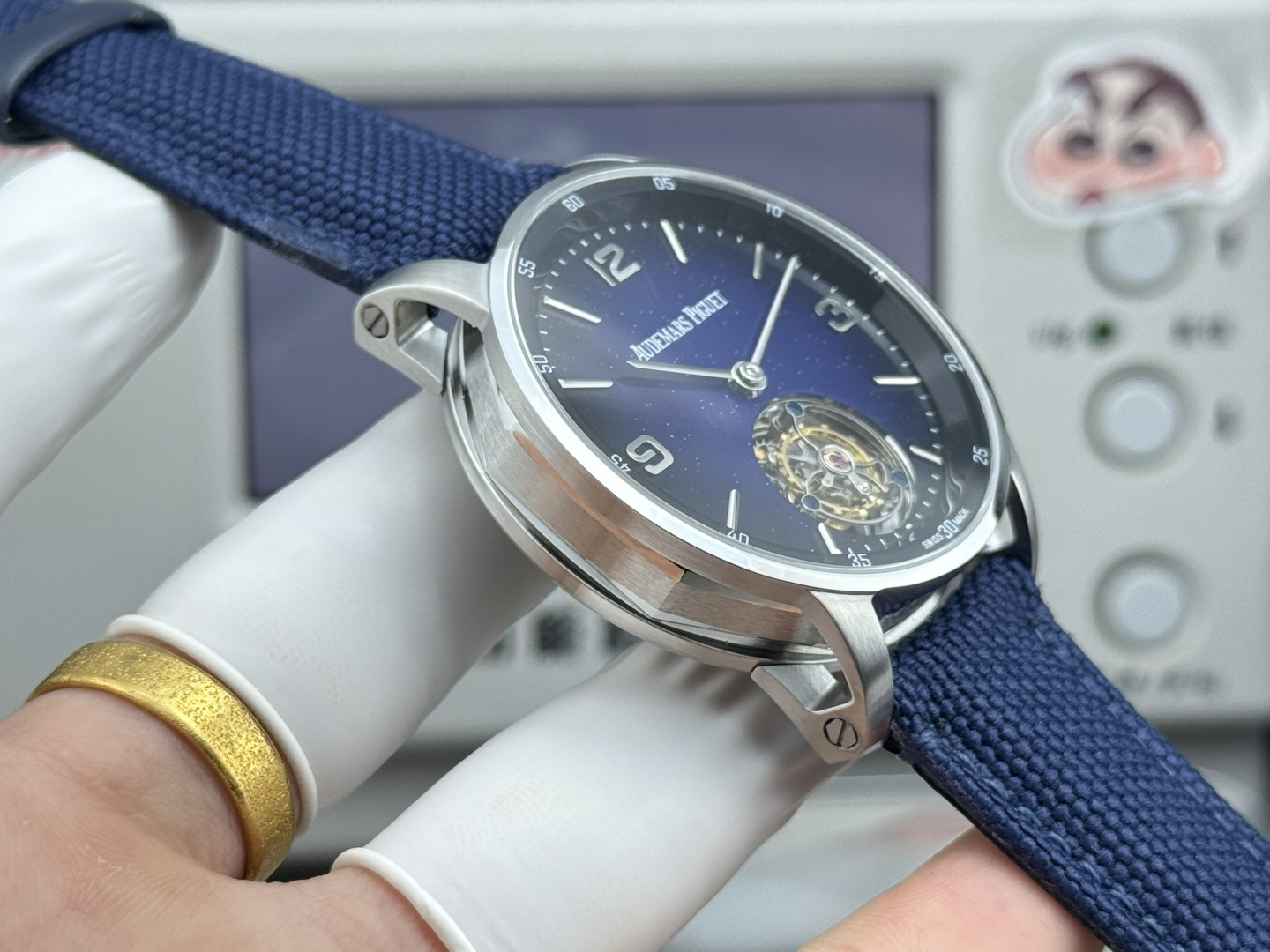
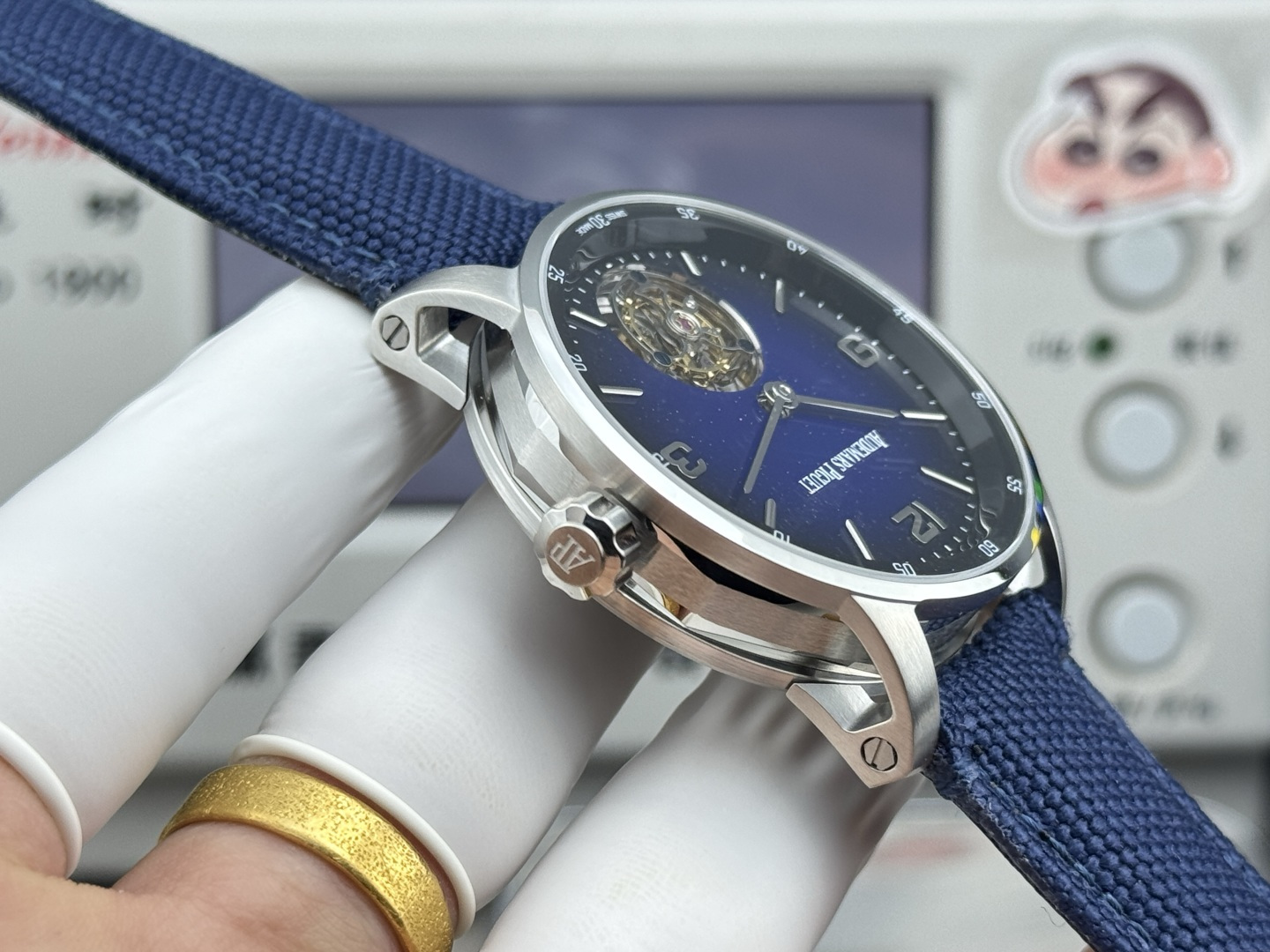
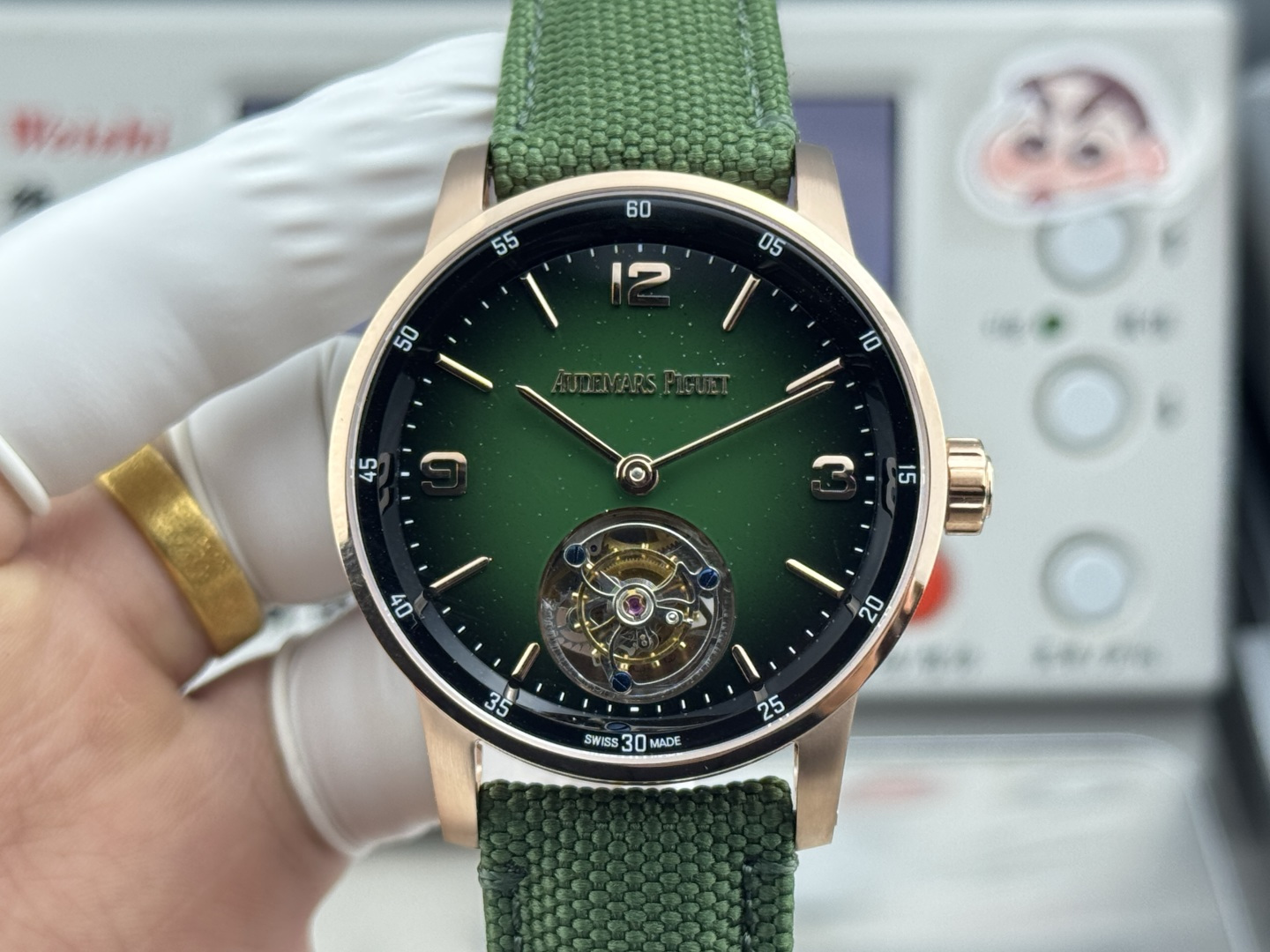
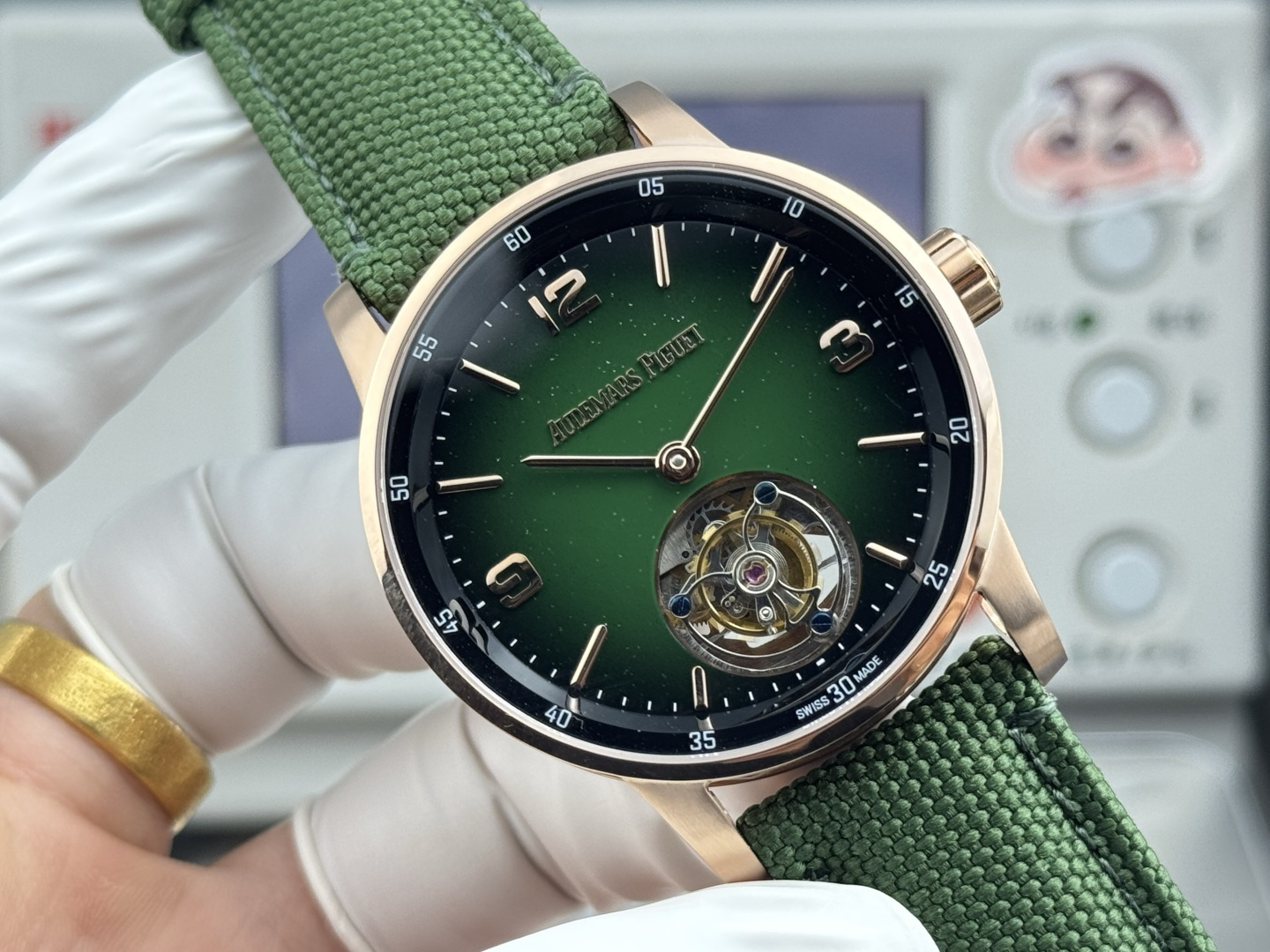
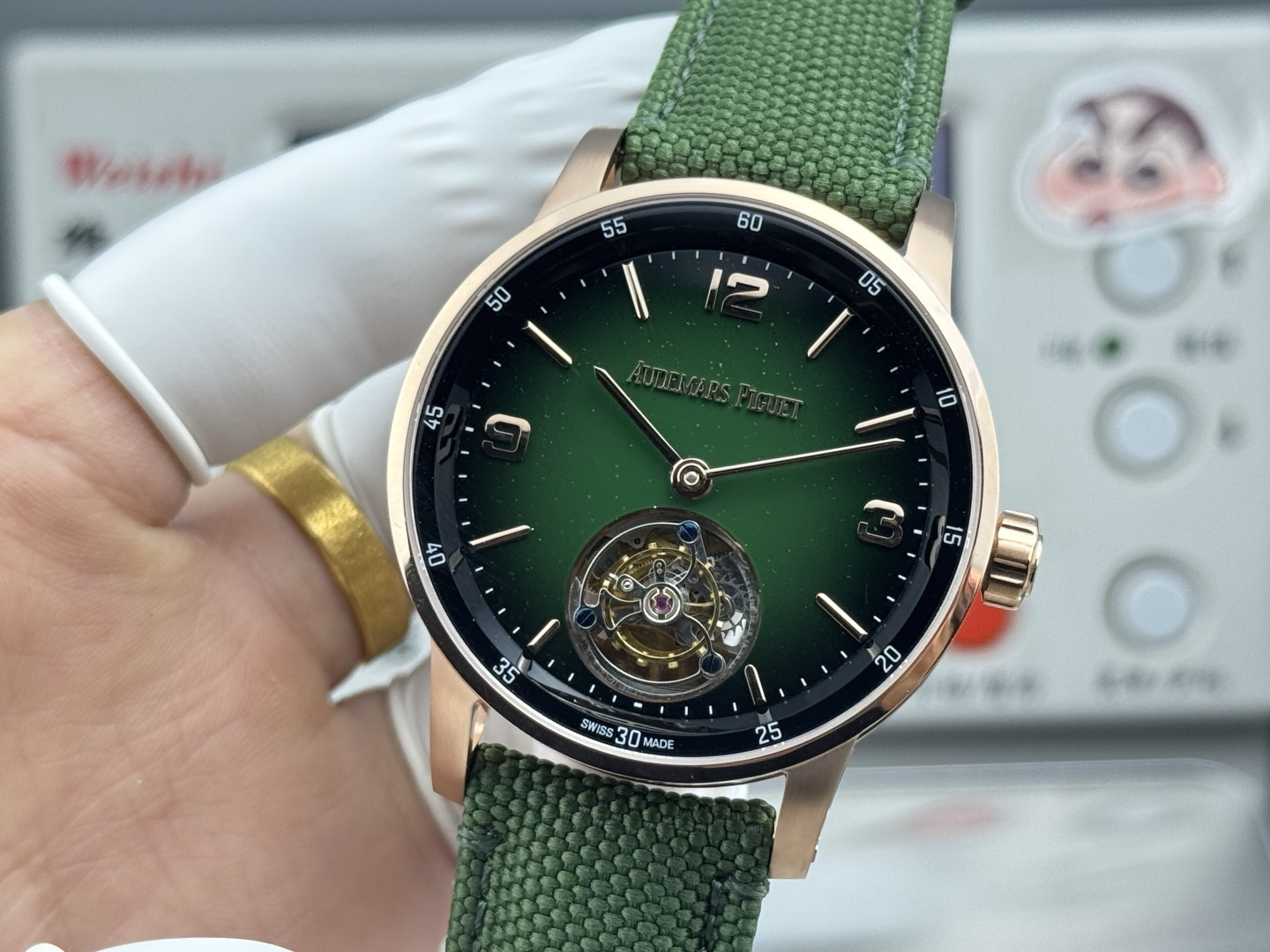
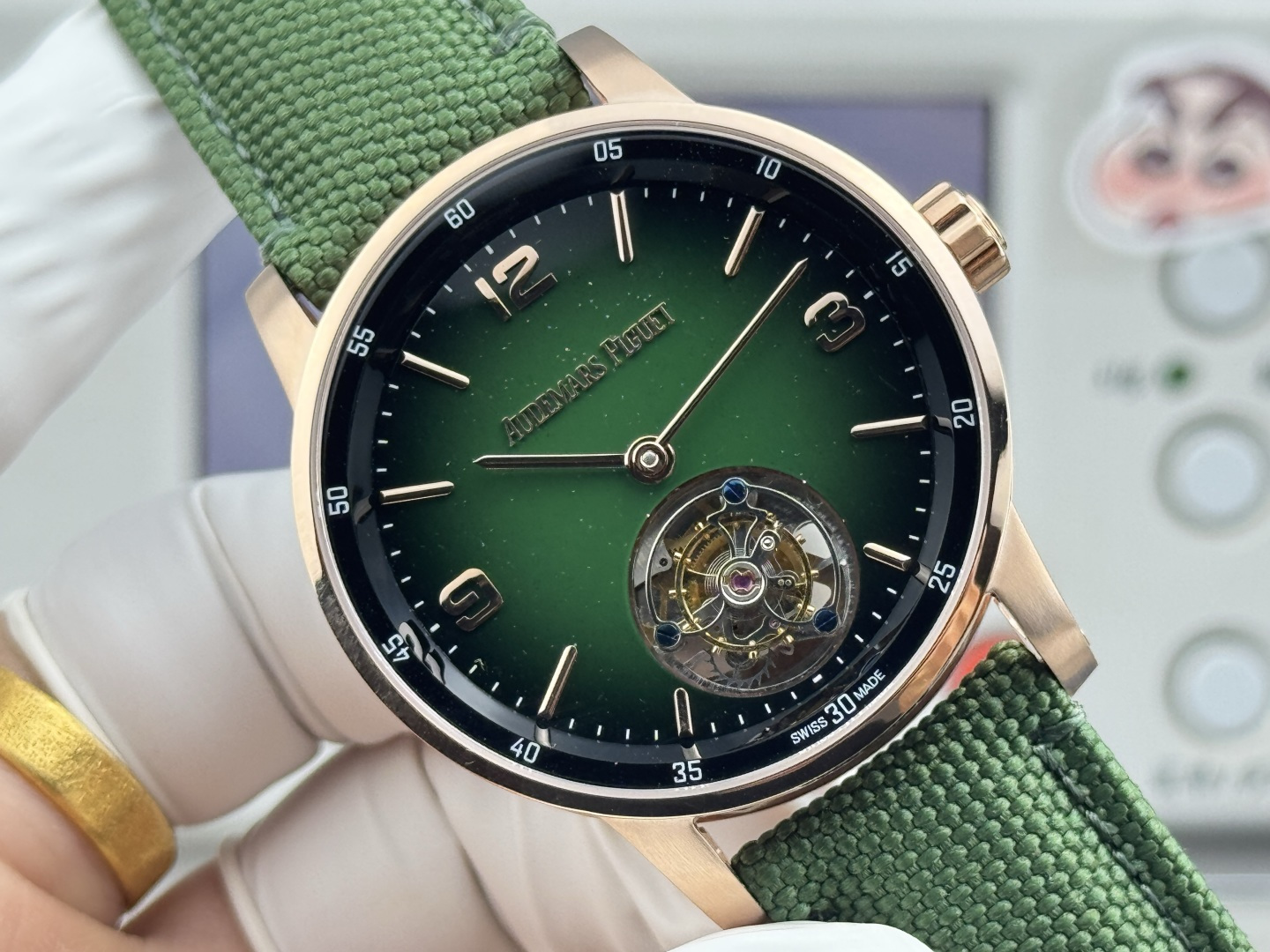
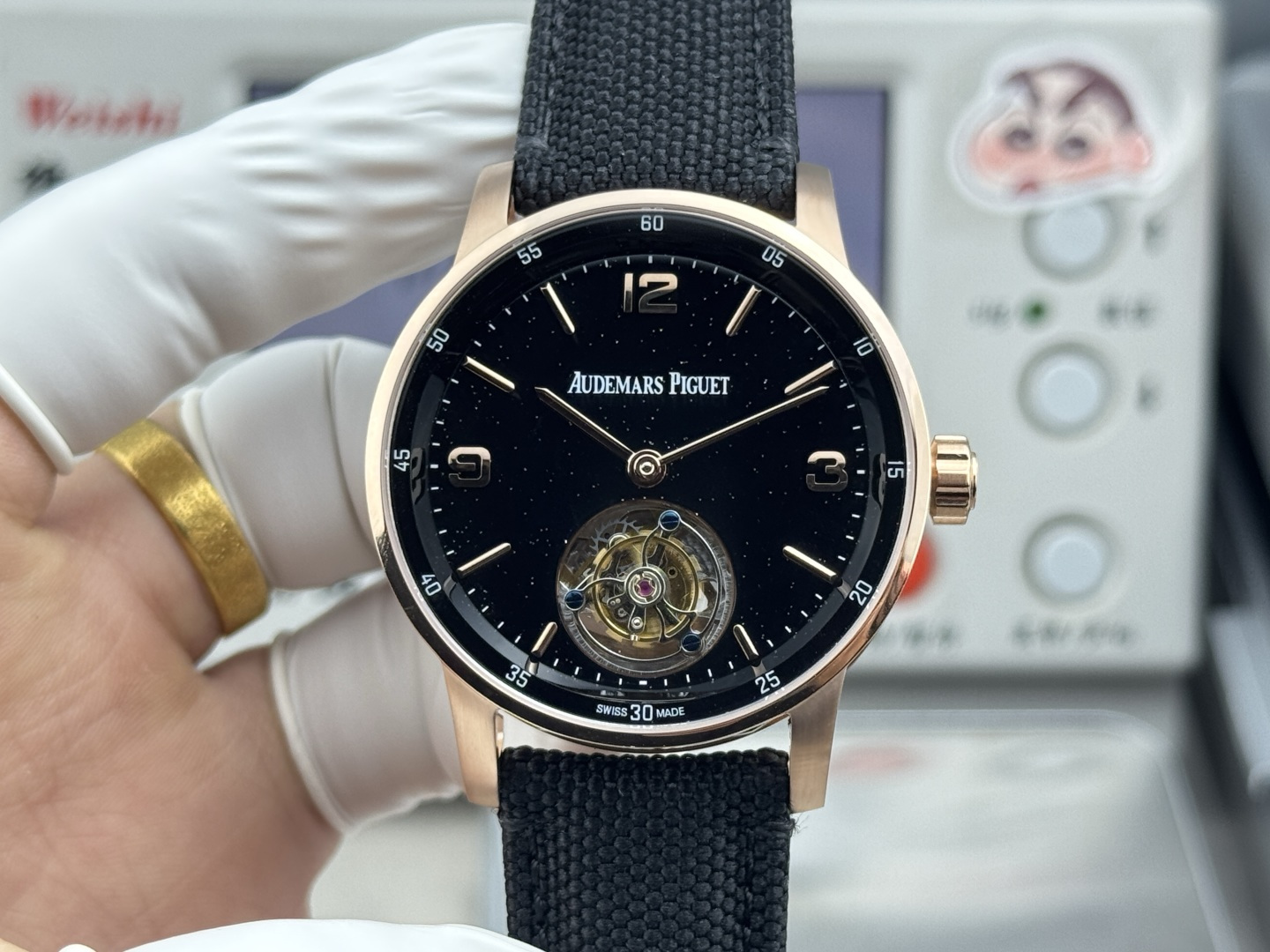
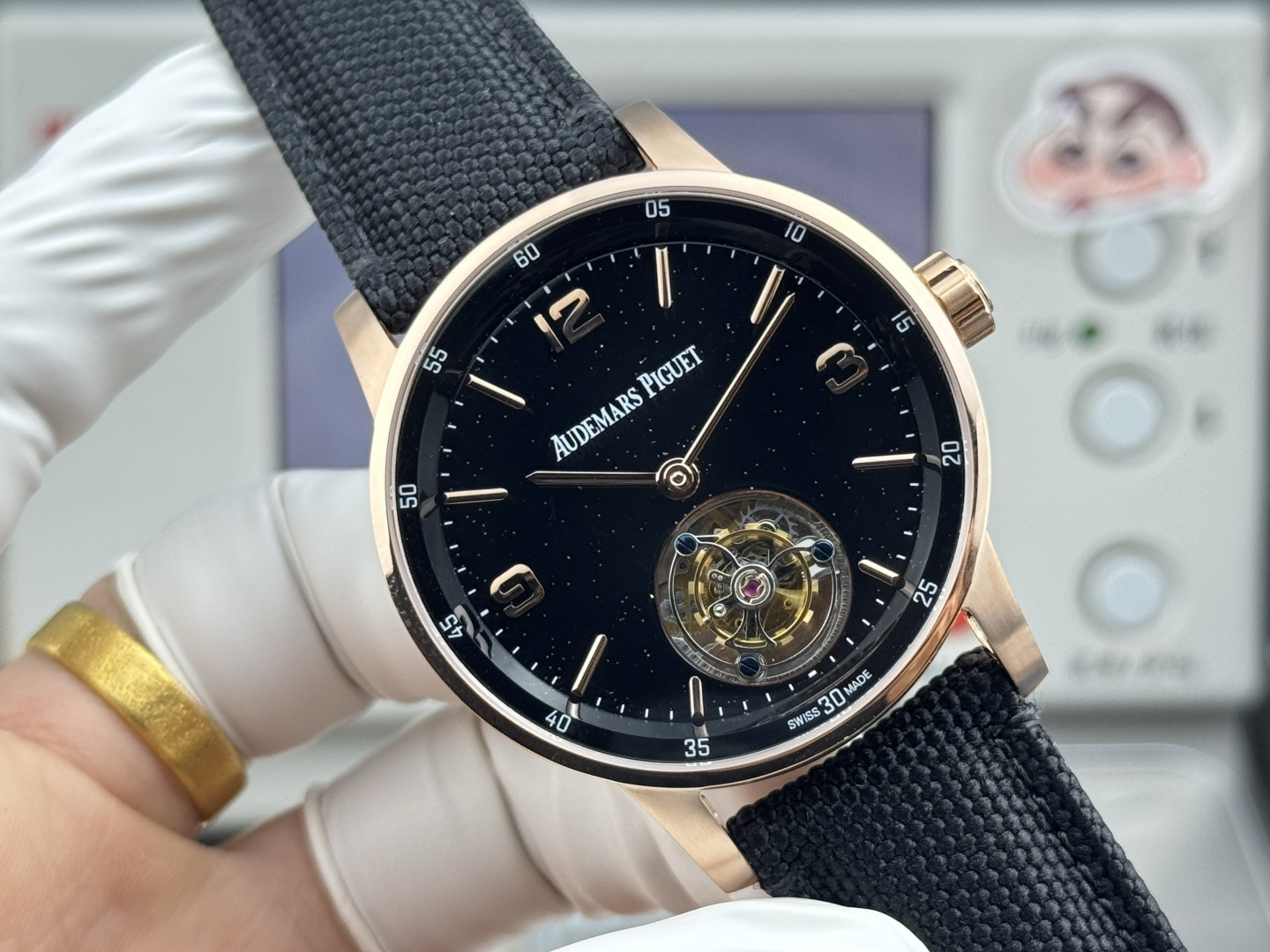
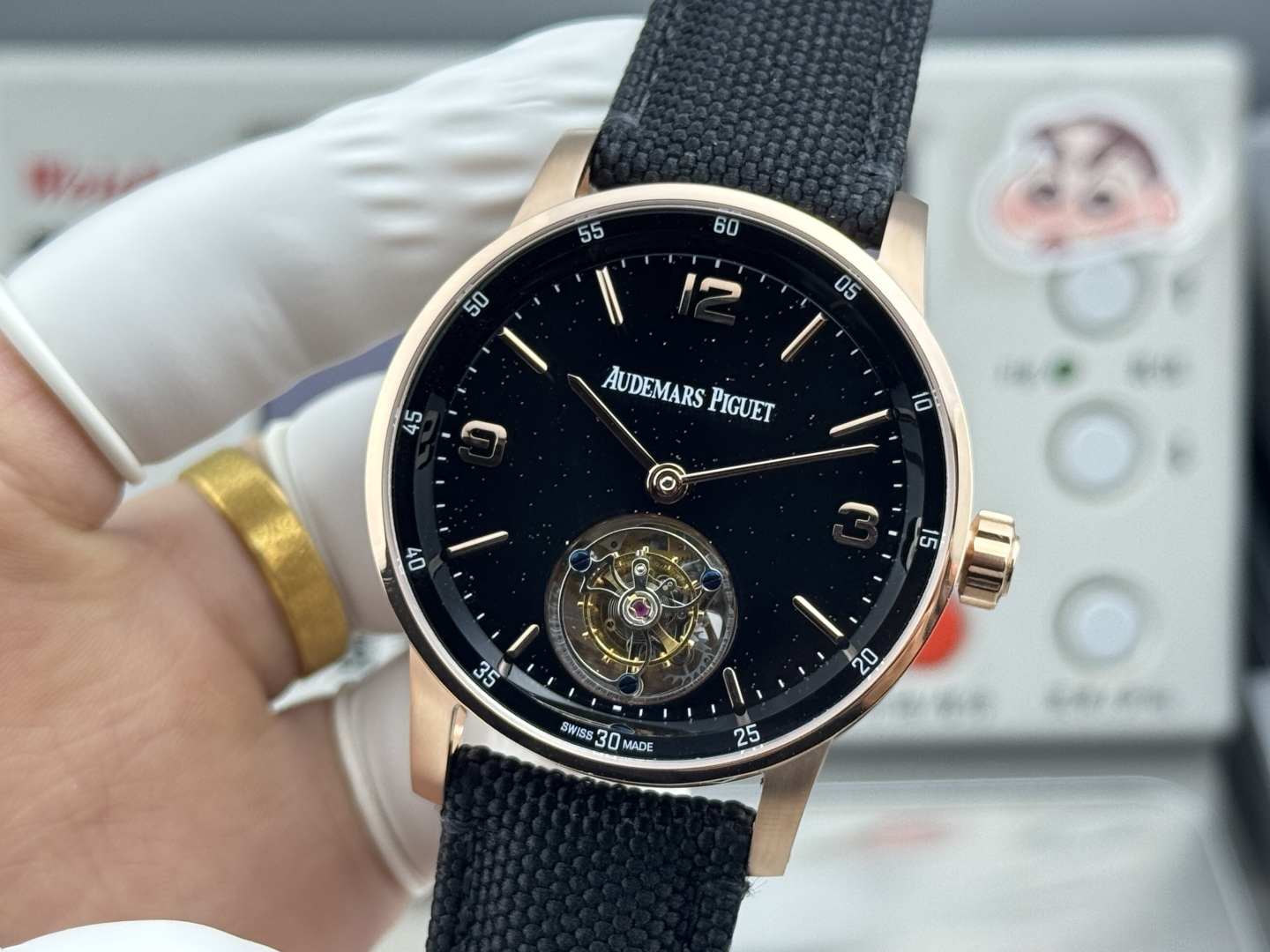
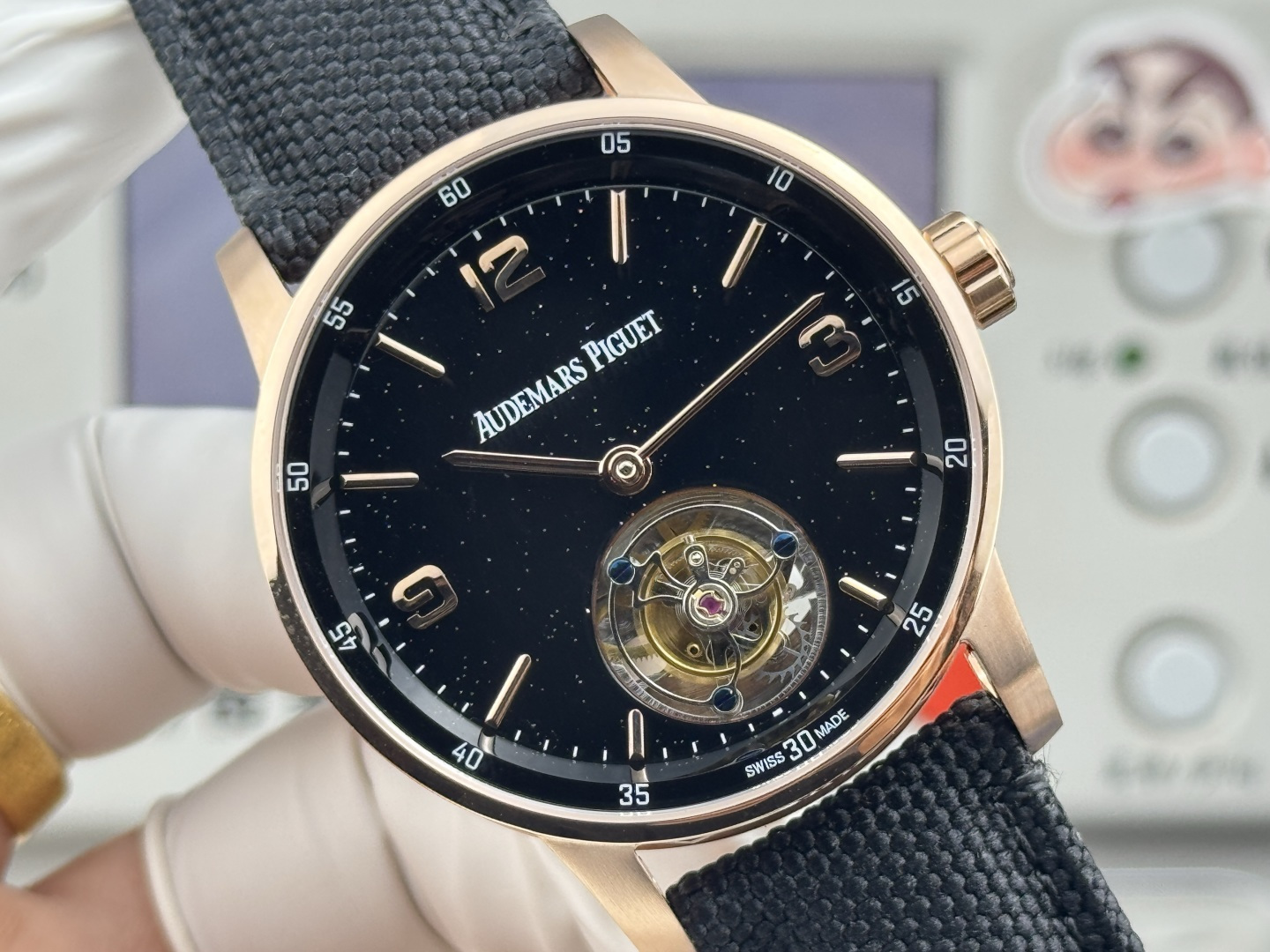
  • The Tourbillon They Won’t Sell You: Inside the AP CODE 11.59 26396 Aventurine Clone

    Let’s be honest about something the watch press rarely wants to say out loud: Audemars Piguet has spent the better part of a decade turning the act of buying a watch into a humiliation ritual. You want a CODE 11.59 Tourbillon? Fantastic. First, you’ll need to have spent enough on AP’s less desirable references to prove your loyalty. Then you’ll wait. Then you’ll get a call — maybe. Then you’ll pay somewhere north of $150,000 USD for the privilege of owning a watch that a significant portion of the internet still debates aesthetically. The double-curved sapphire case, the inner bezel ring, the octagonal mid-section — it’s a divisive piece, and the brand knows it. The waitlist isn’t just gatekeeping; it’s manufacturing desire through artificial scarcity. The grey market immediately corrected the price upward. The whole ecosystem is, frankly, absurd.

    Which brings us here. A 1:1 clone of the reference 26396, the full-dress Tourbillon variant with an aventurine enamel dial, sitting on my desk right now. I’ve spent three days with it under a 10x loupe, on the wrist, under different light sources, and next to reference photography. Here is my unfiltered assessment.

    First Impressions & The Weight of Steel

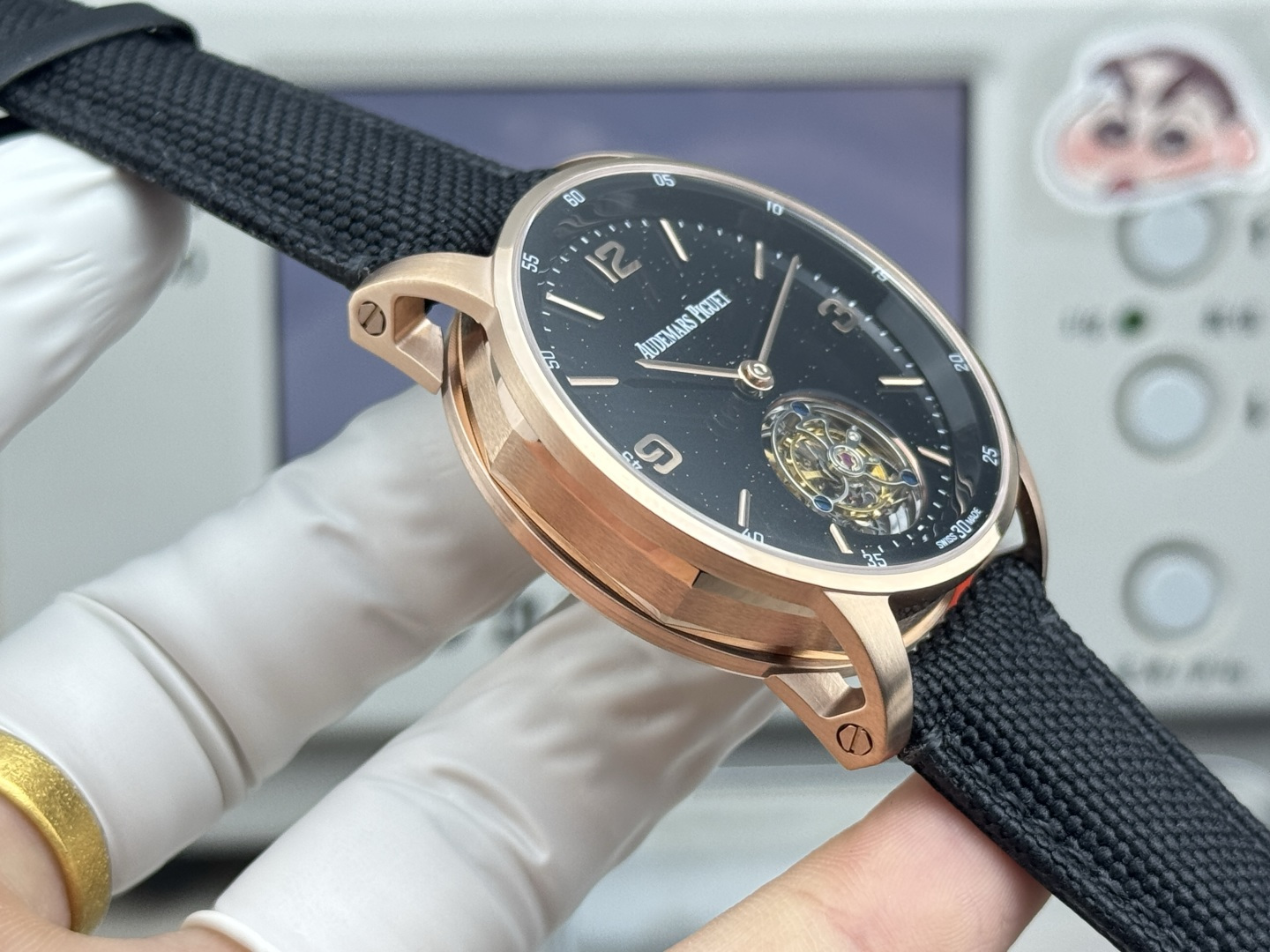
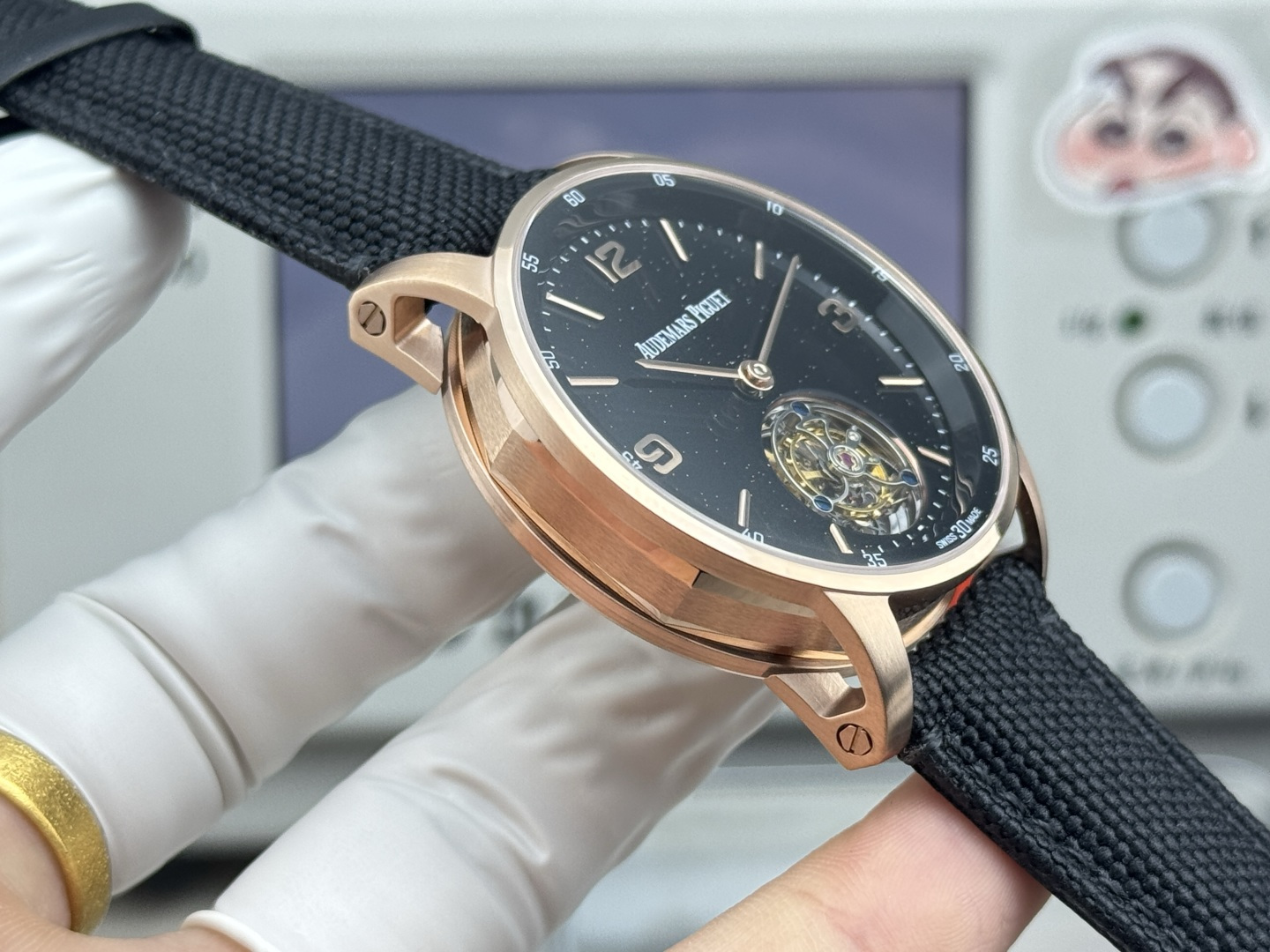
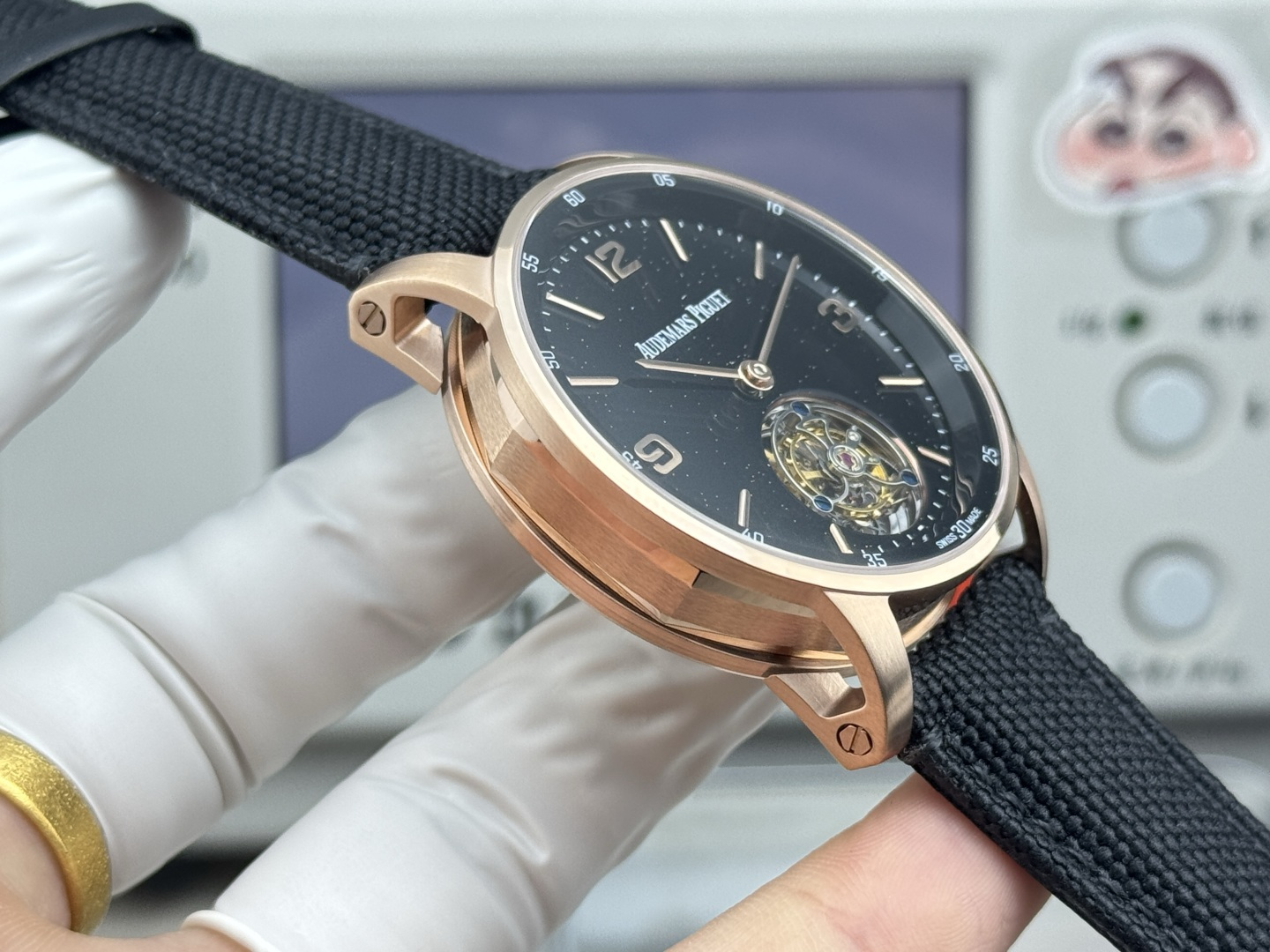
    The case is 316L stainless steel, 42mm in diameter, and the first thing you notice when you pick it up is that it has genuine heft. The spec sheet claims CNC high-precision machining with density matched to the original, and I’ll say this: they’re not lying about the machining. The lug geometry is correct. The transition between the brushed and polished surfaces on the case flanks is sharp — not as razor-edged as what you’d get from AP’s own finishing department, but sharper than 90% of what the grey-market replica trade has produced historically.

    The lug-to-lug measurement sits right where it should, and the ergonomics on the wrist are surprisingly good for a 42mm case. The CODE 11.59 case architecture — that inner octagonal bezel ring sitting proud of the outer round bezel — is notoriously difficult to replicate. The angles have to be precise or the whole visual logic of the design collapses. Here, the inner bezel sits at the correct depth. The chamfering on the octagonal ring’s edges shows genuine anglage work, not just a rounded-off approximation. Under the loupe, the transitions aren’t perfectly crisp — there’s a very slight inconsistency at the four o’clock position where the polished chamfer widens by maybe half a millimeter — but you will never see this on the wrist. You’ll barely see it with the loupe unless you’re specifically hunting for it.
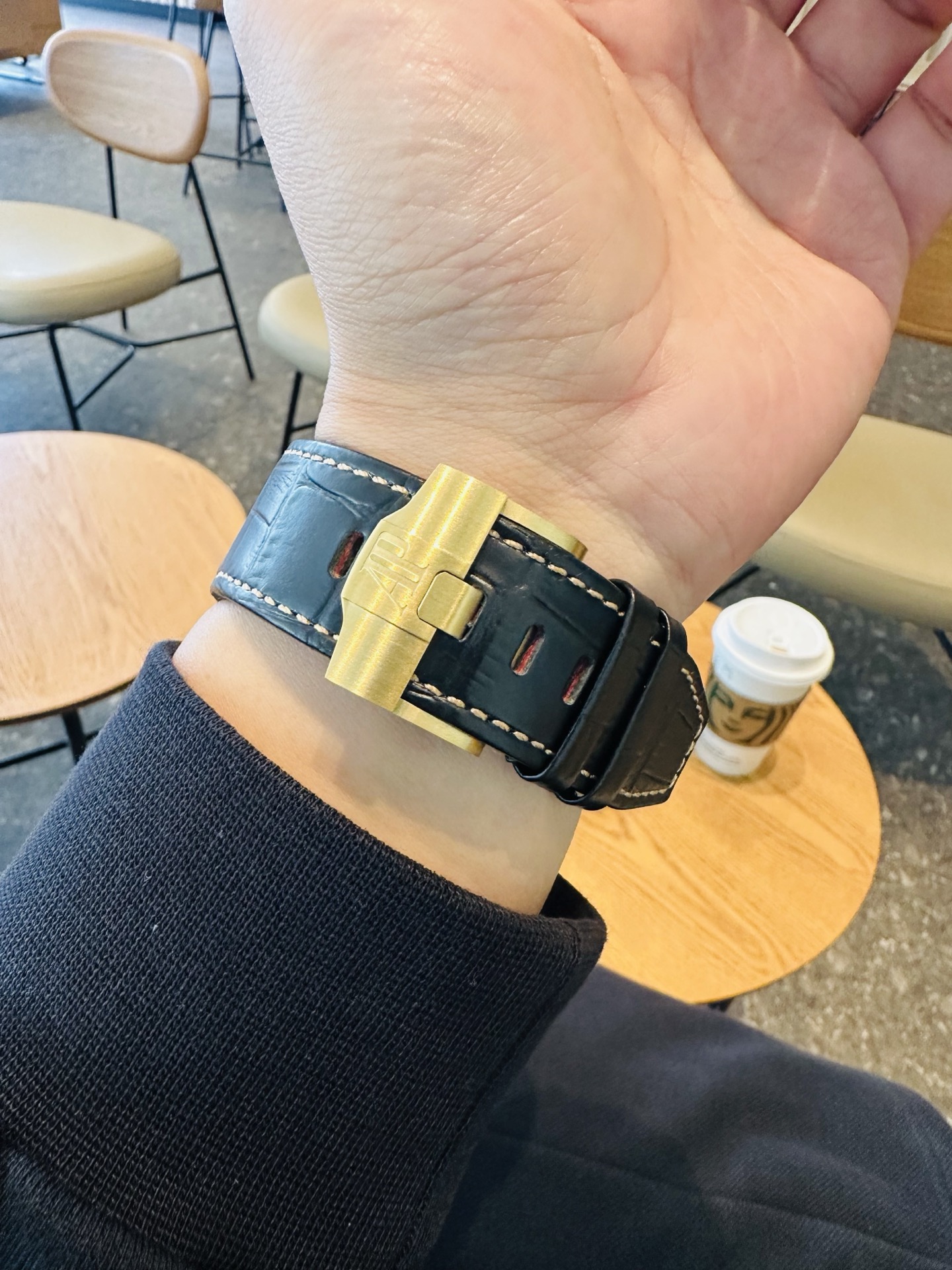
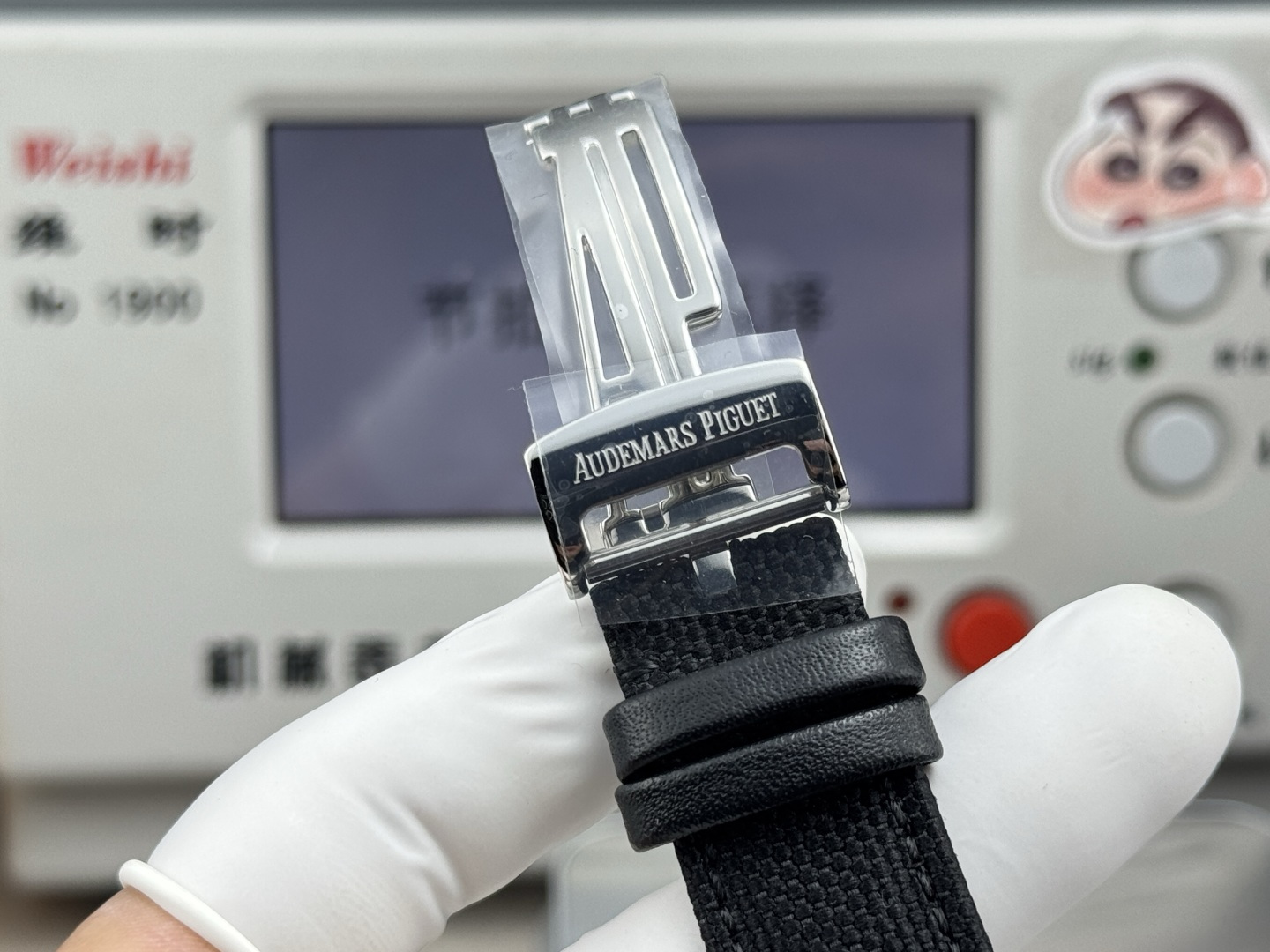
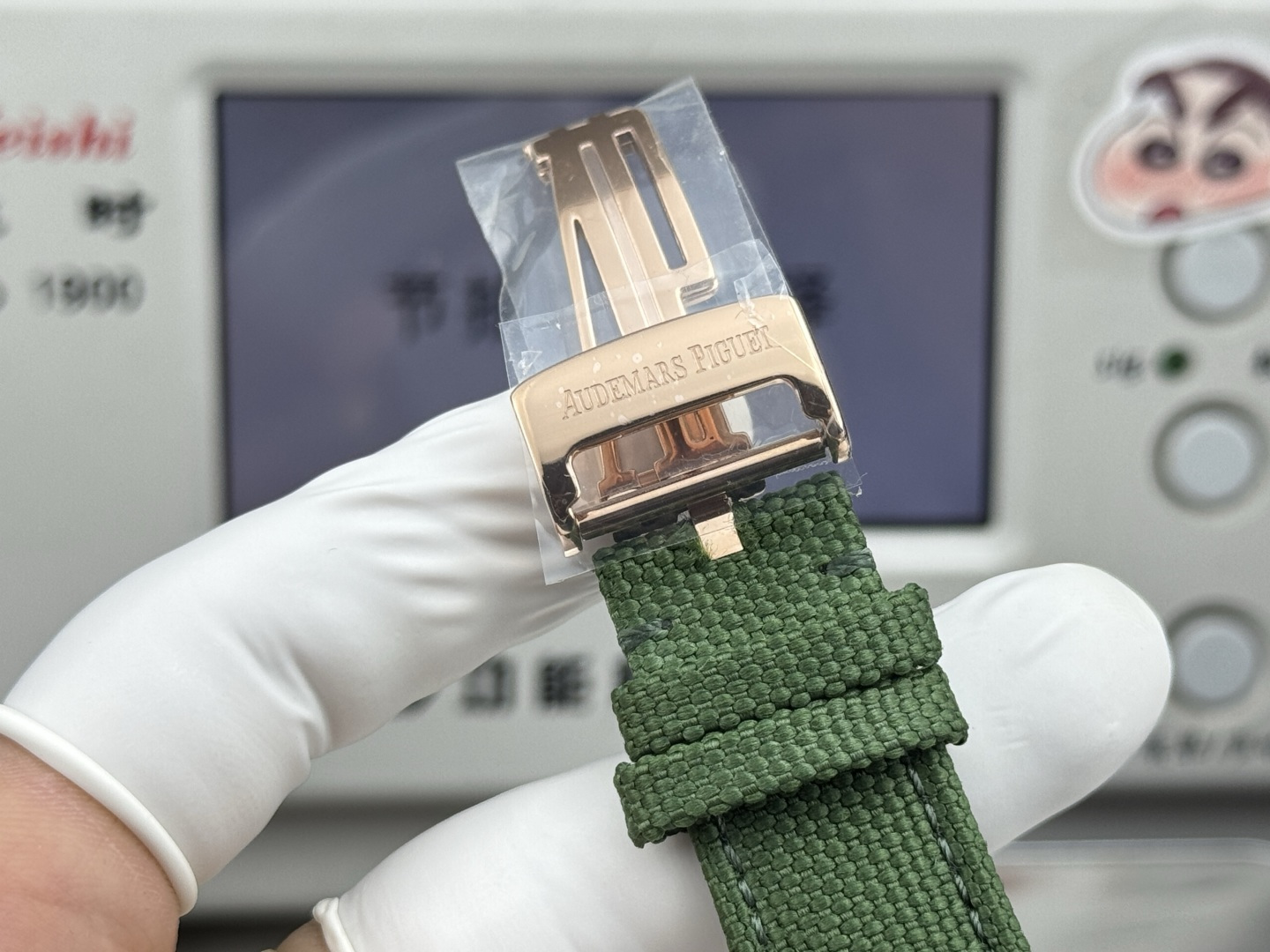
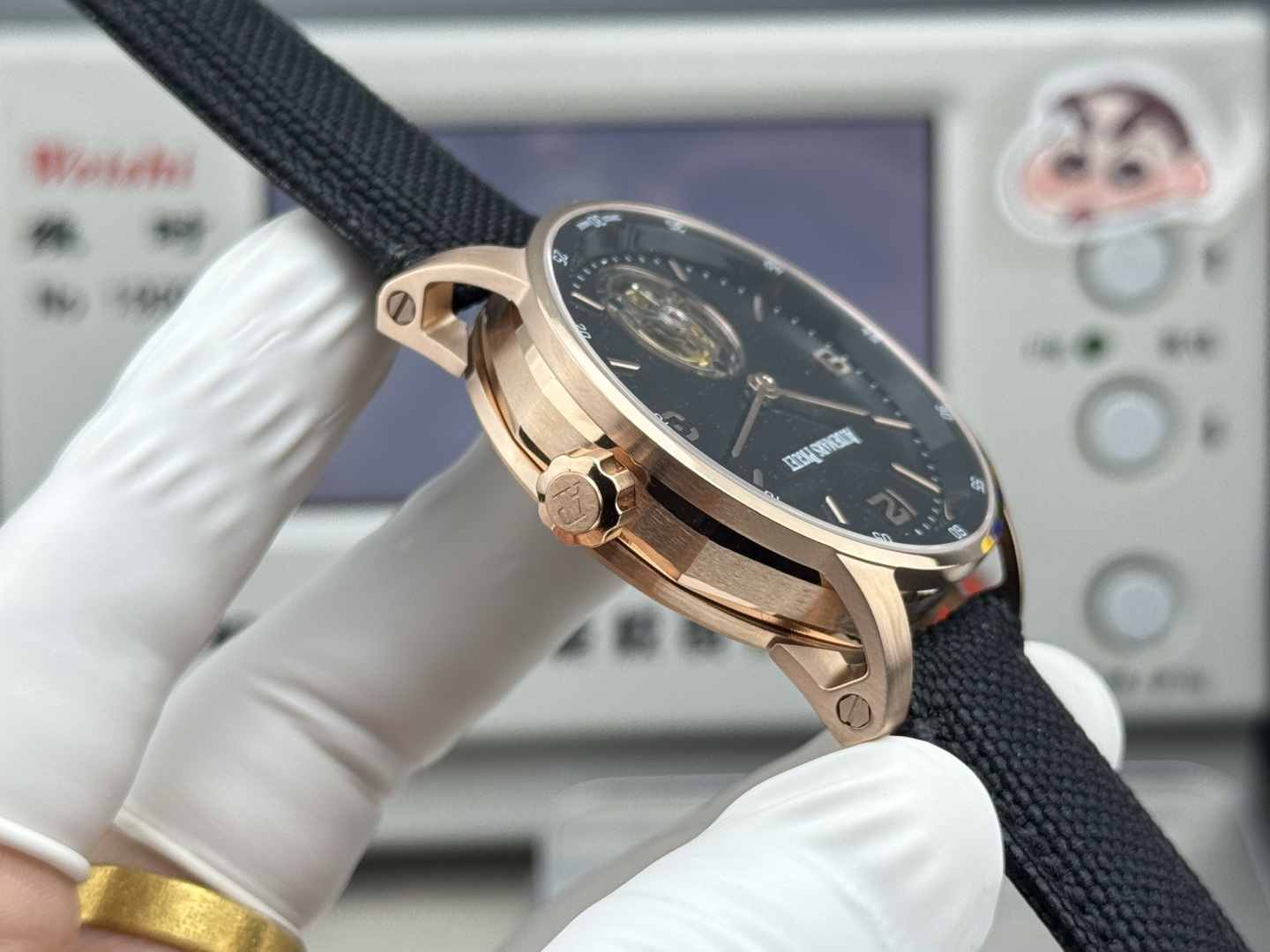
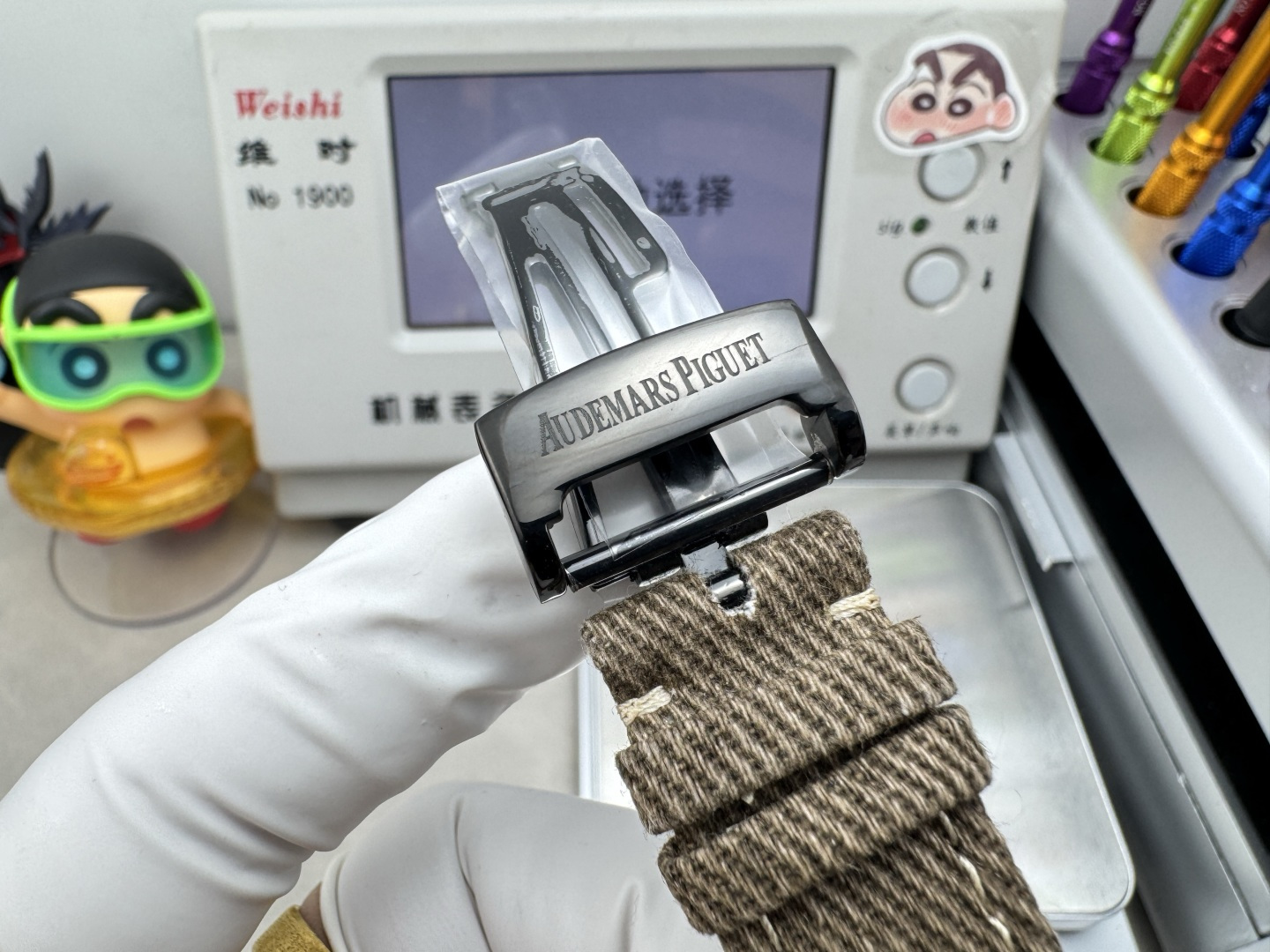
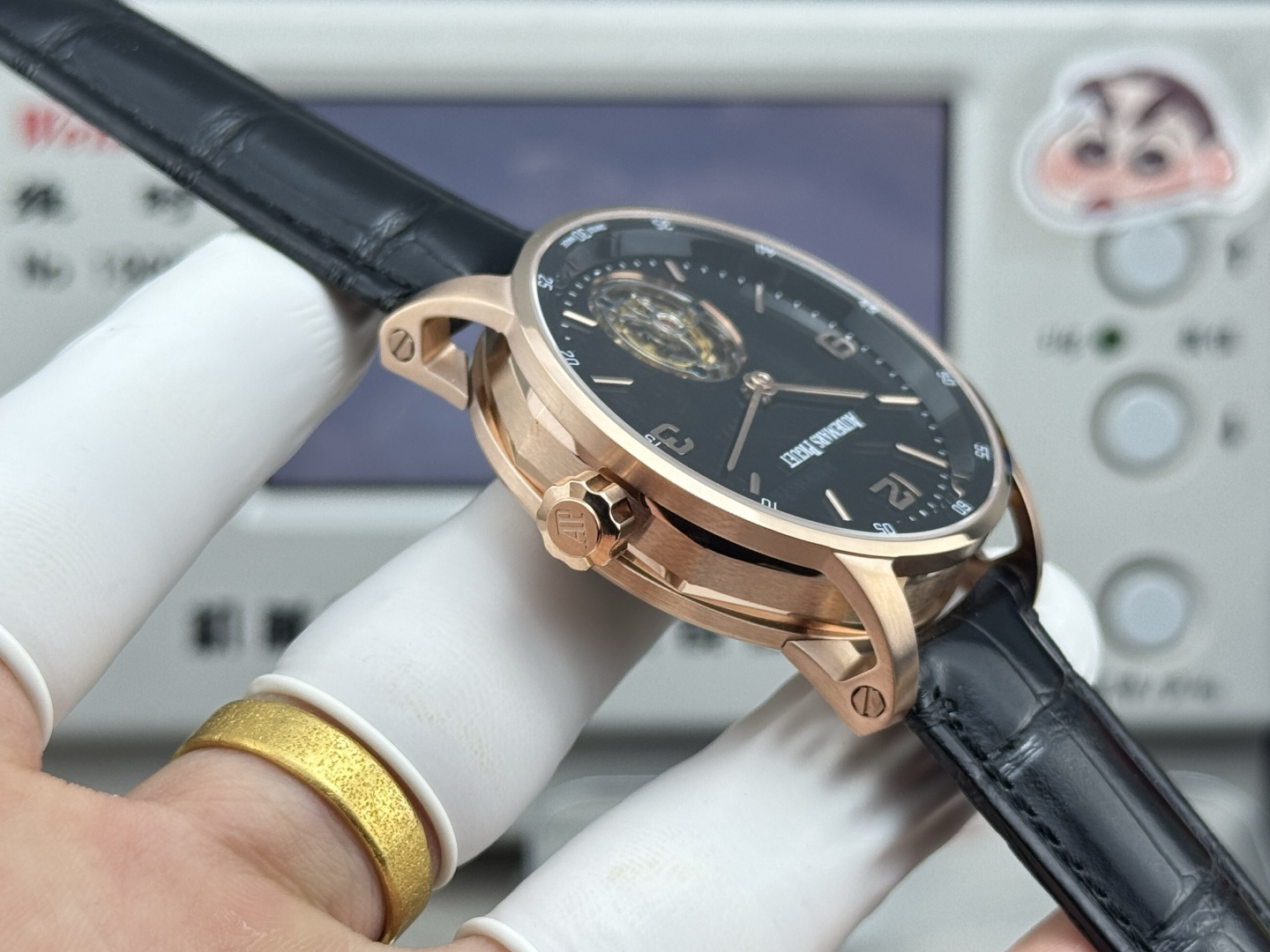
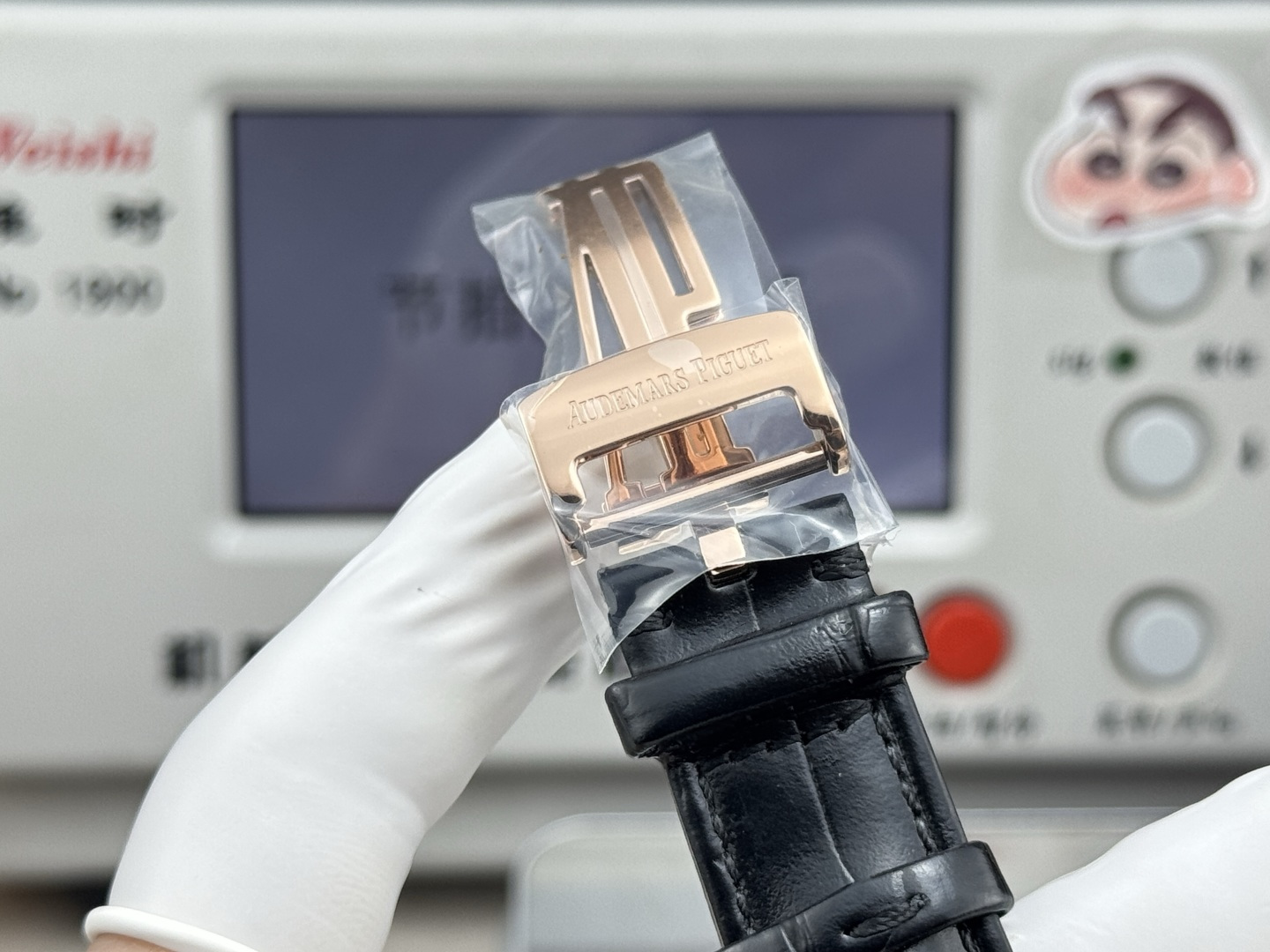
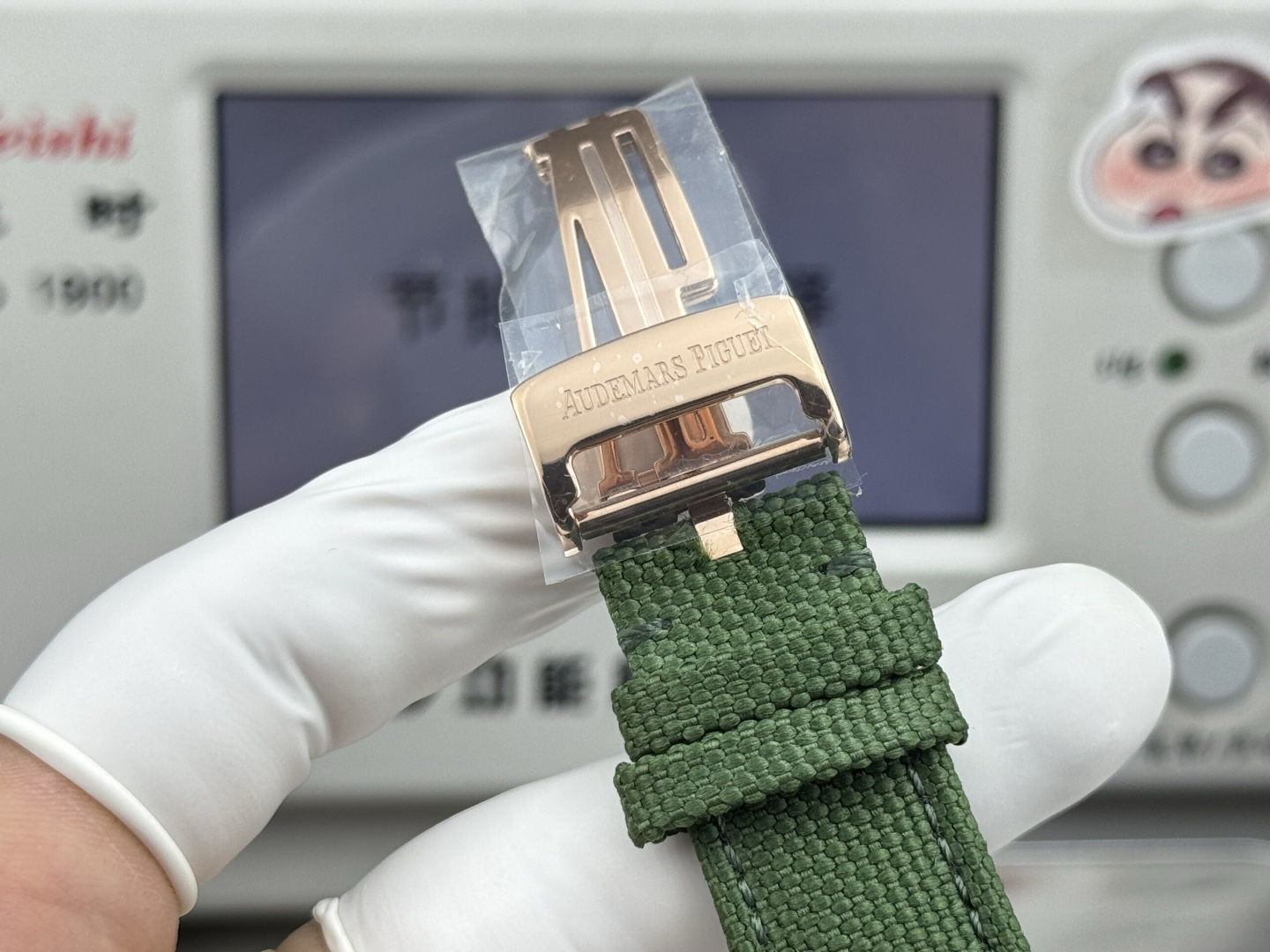
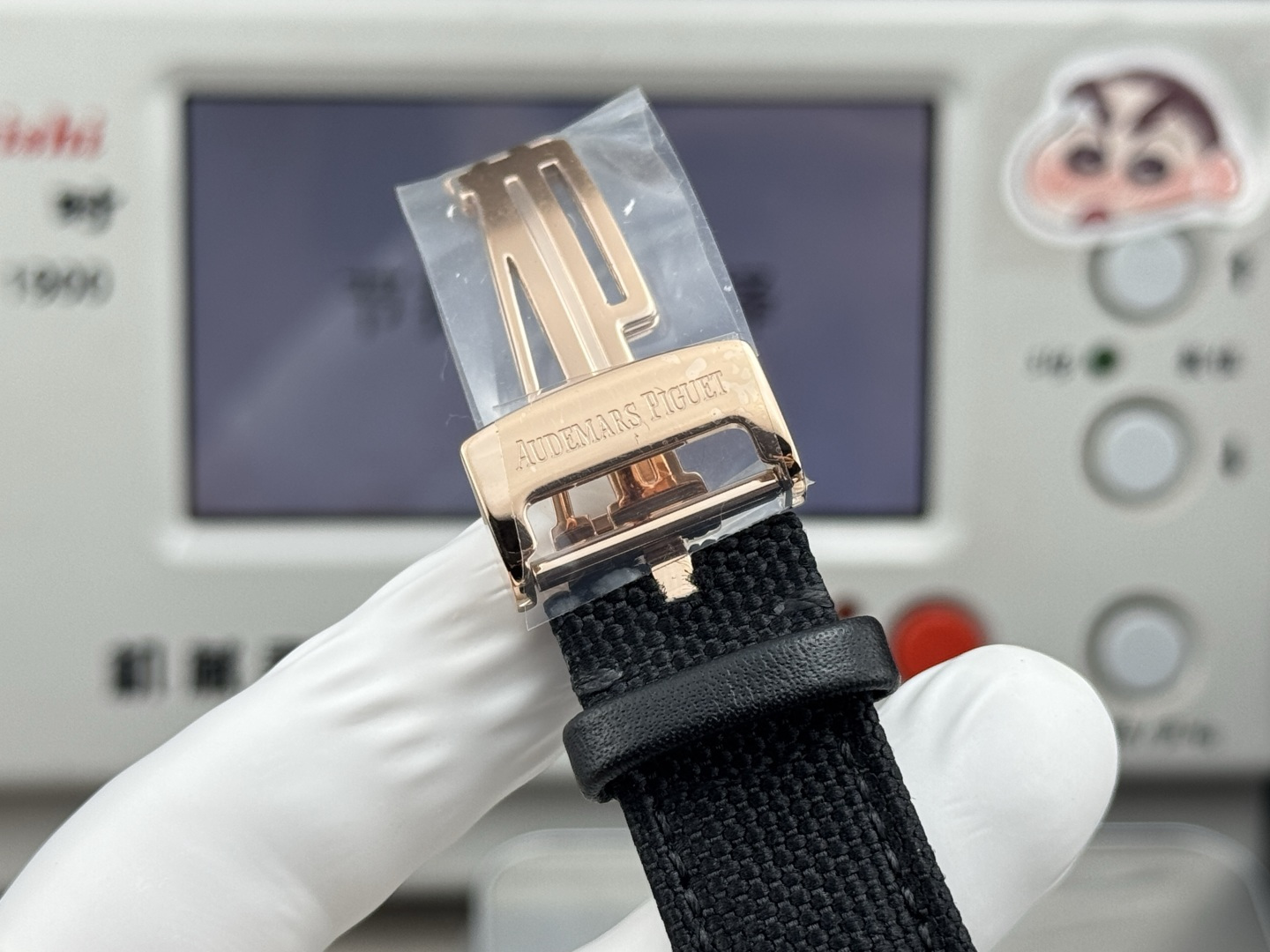
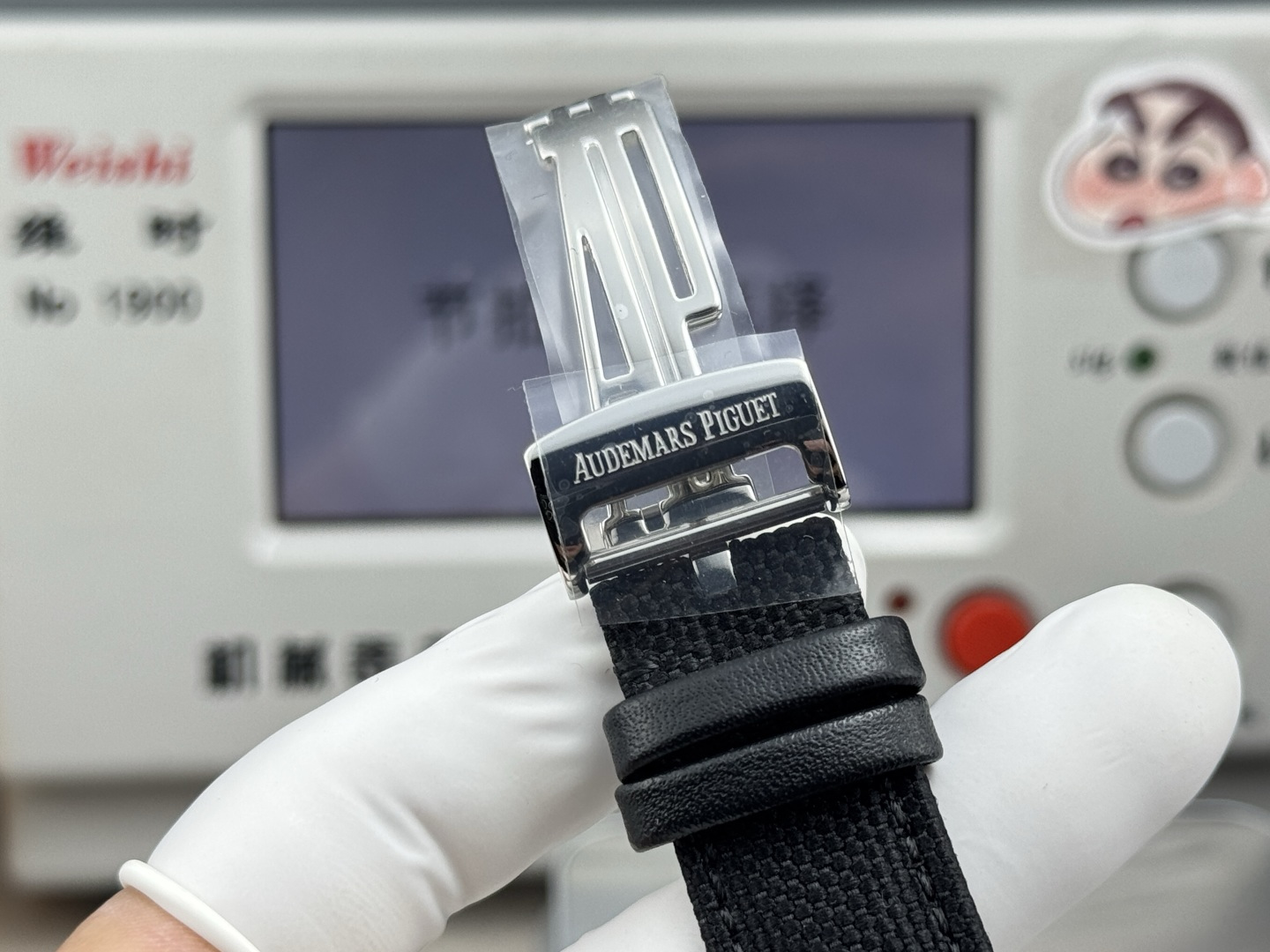
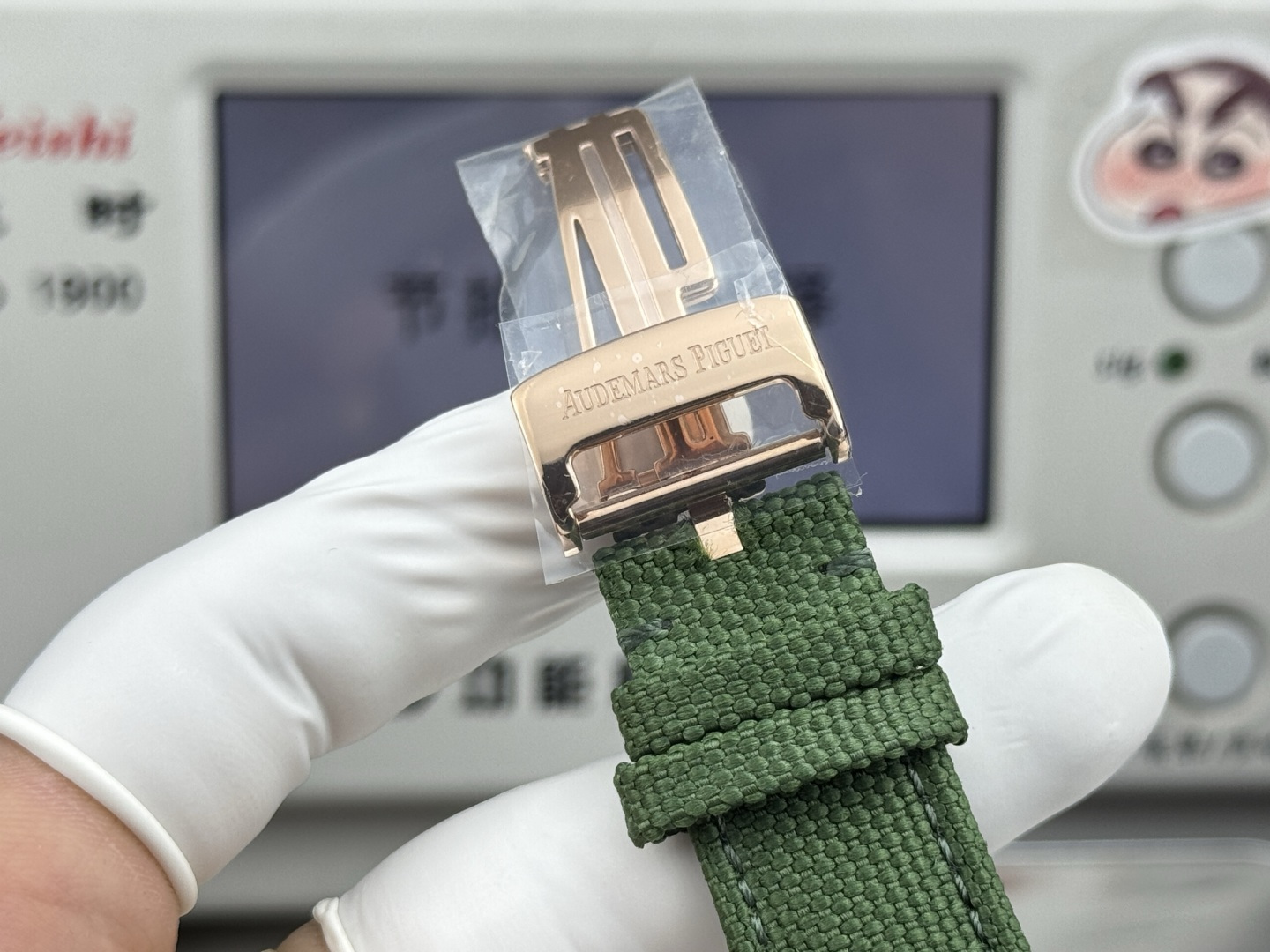
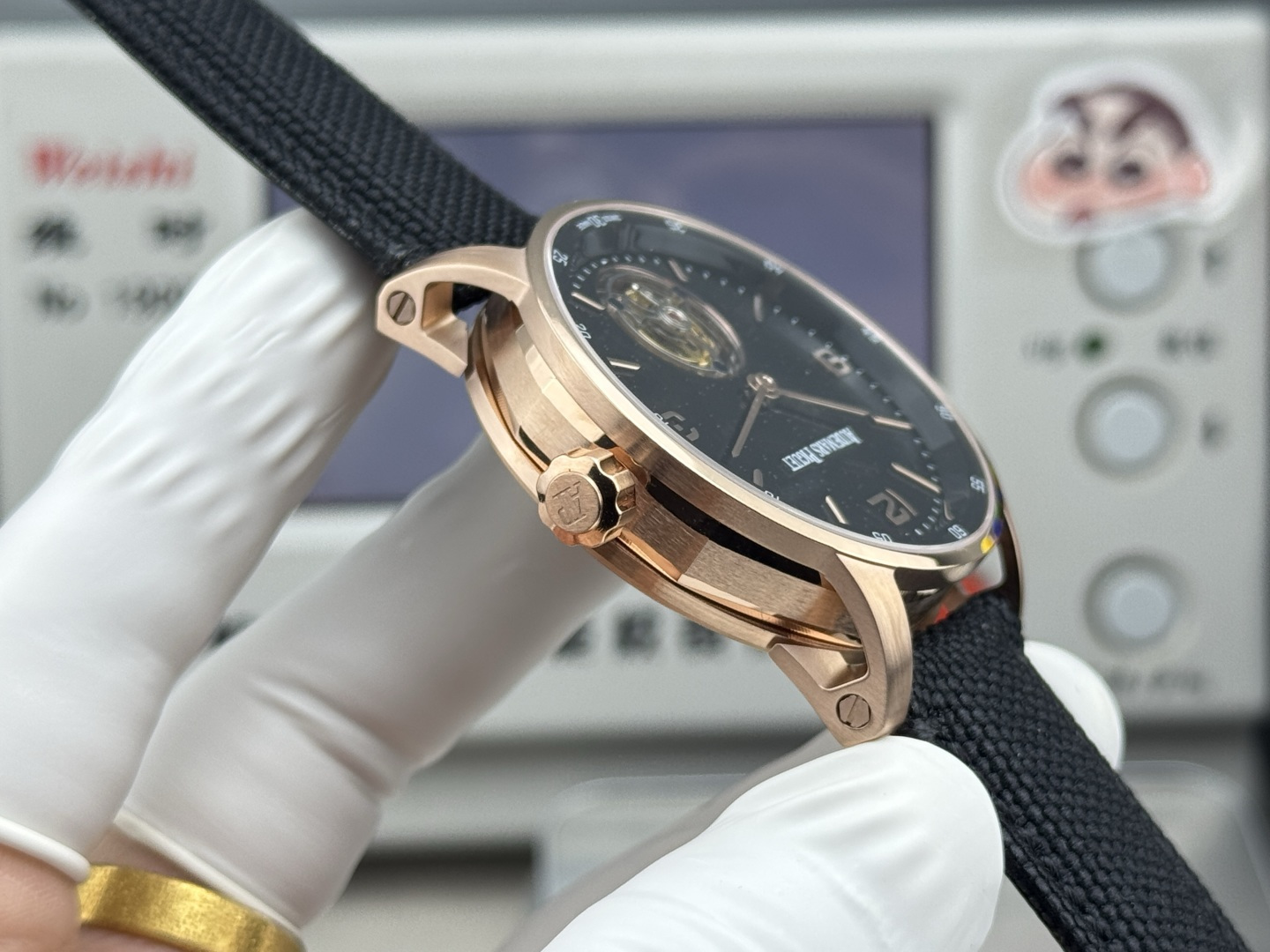
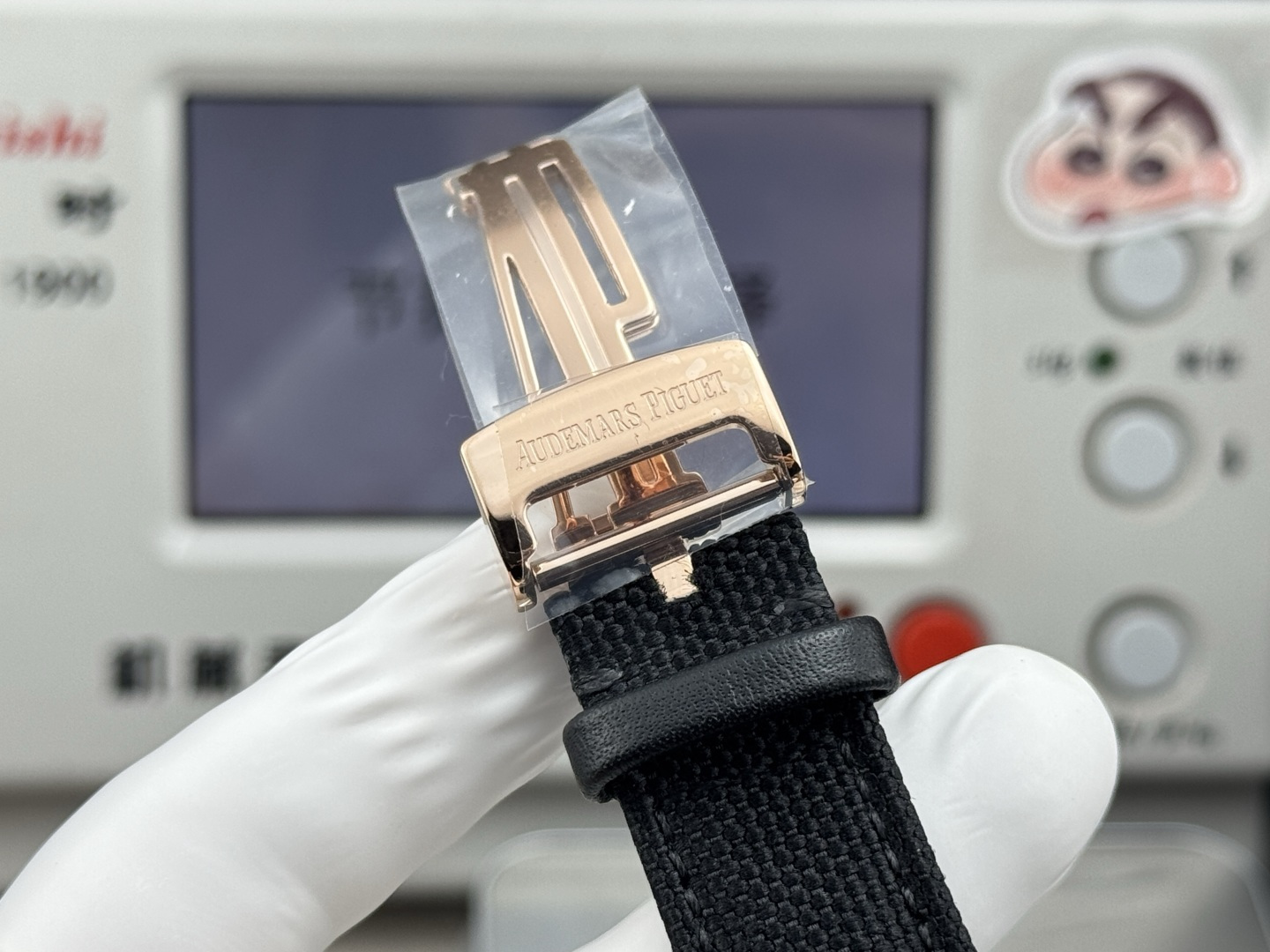
    The crown is properly proportioned, with the AP monogram engraved cleanly. The pushers for the tourbillon display sit flush when not engaged. The SEL articulation on the bracelet — this piece comes with an Italian calf leather strap and a canvas option — isn’t applicable here, but the deployant clasp on the leather strap has a satisfying, positive click. No rattle, no lateral play.

    Optical Illusions: The Aventurine Dial & AR Coating

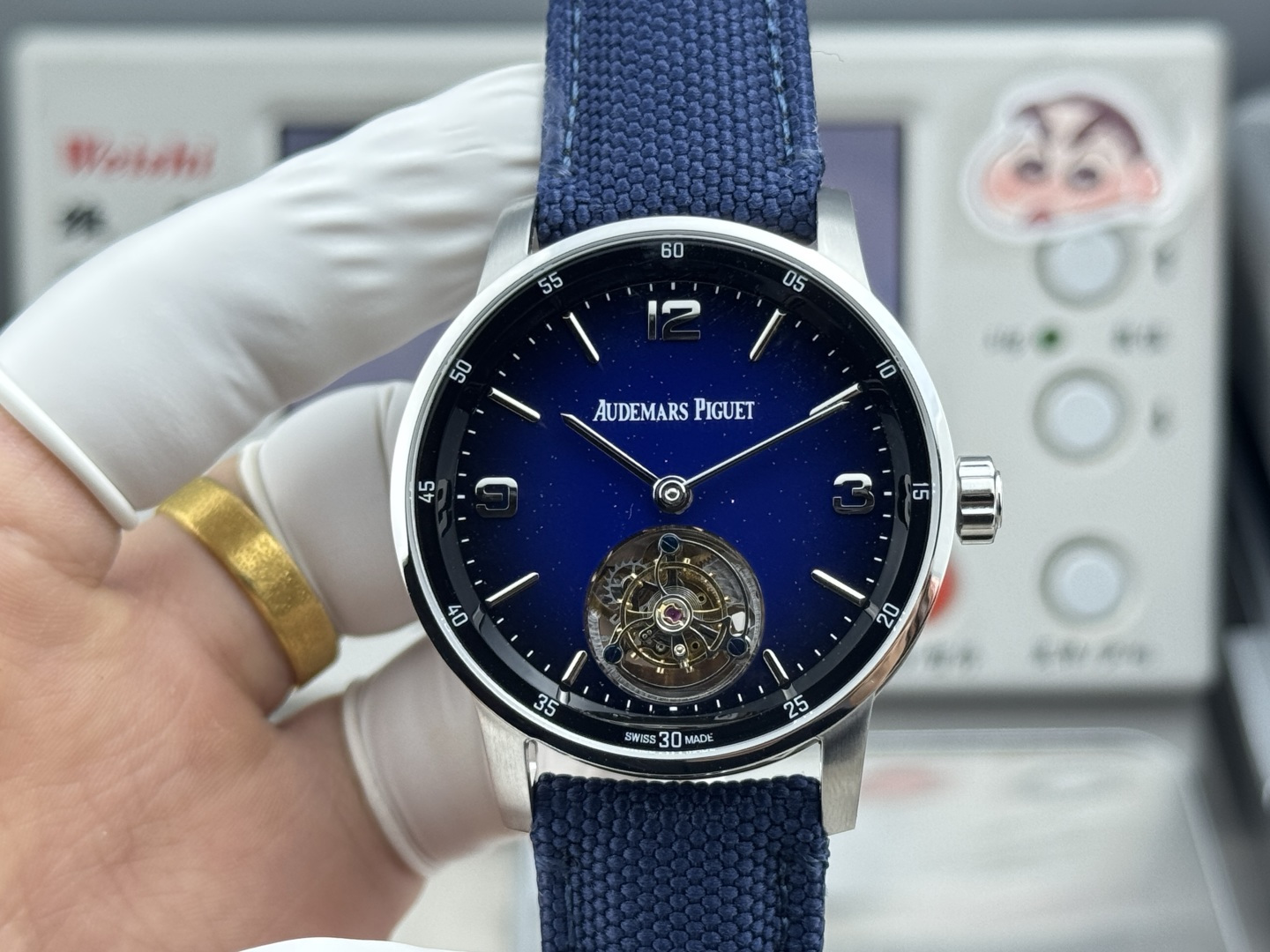
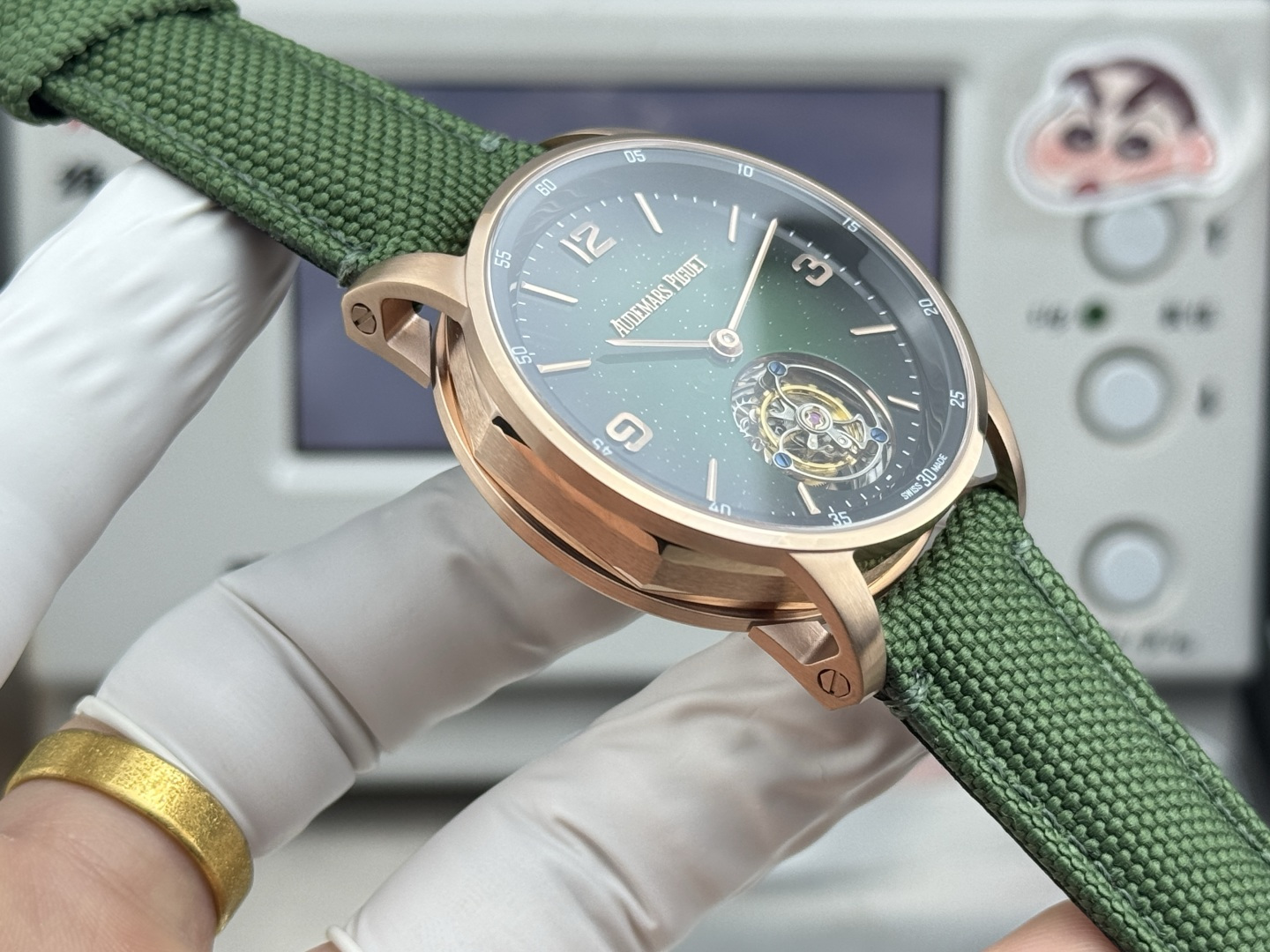
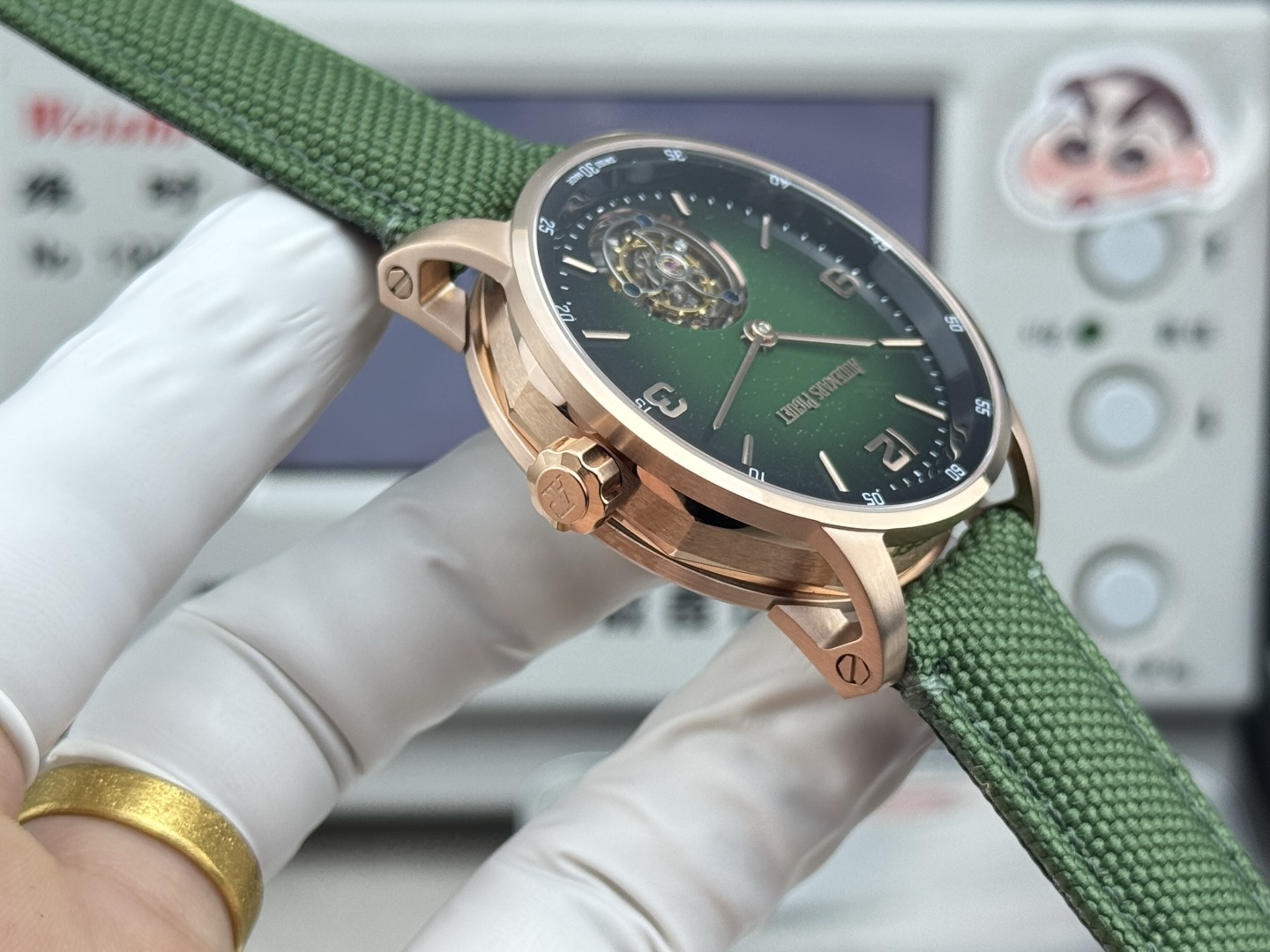
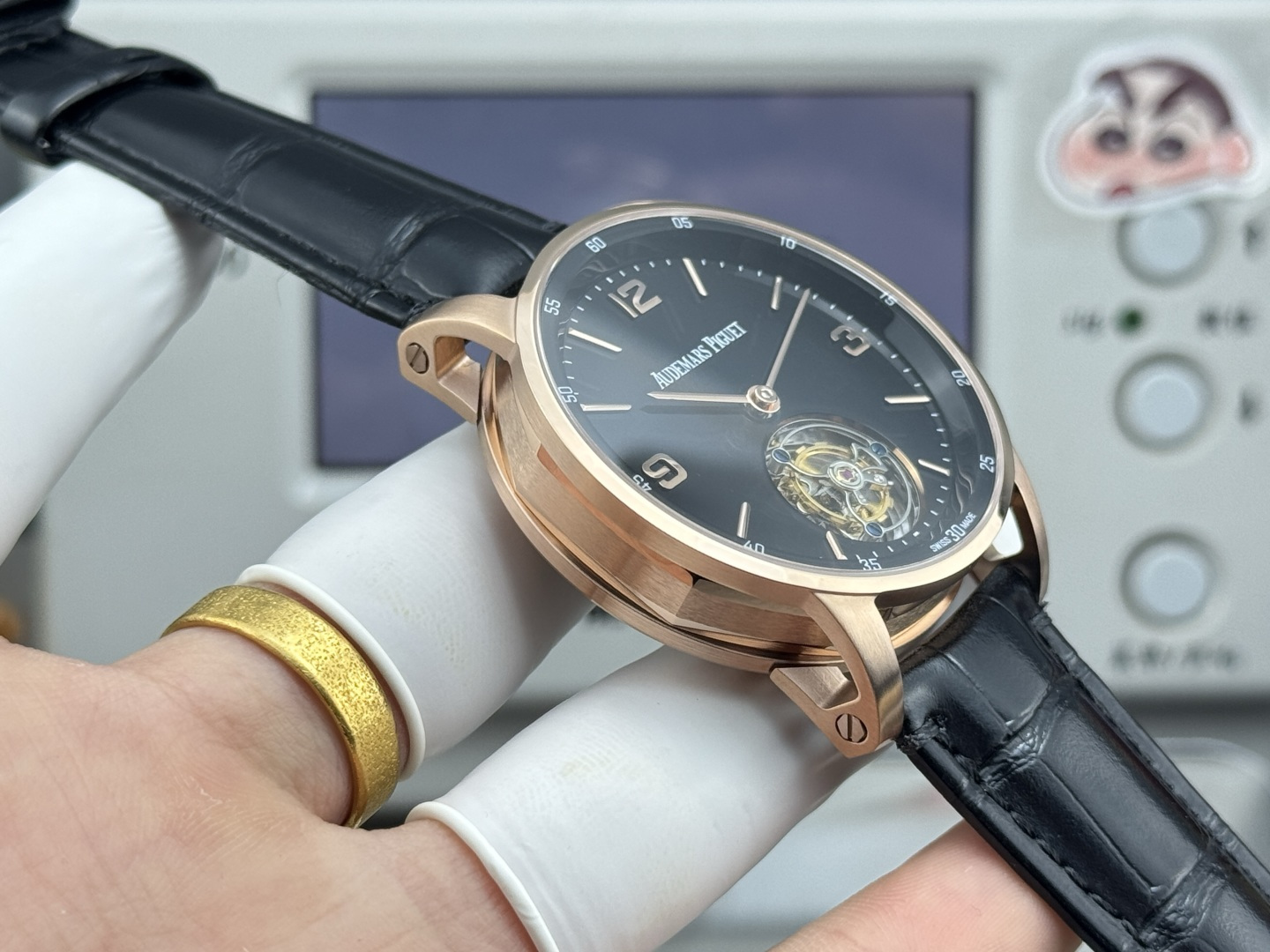
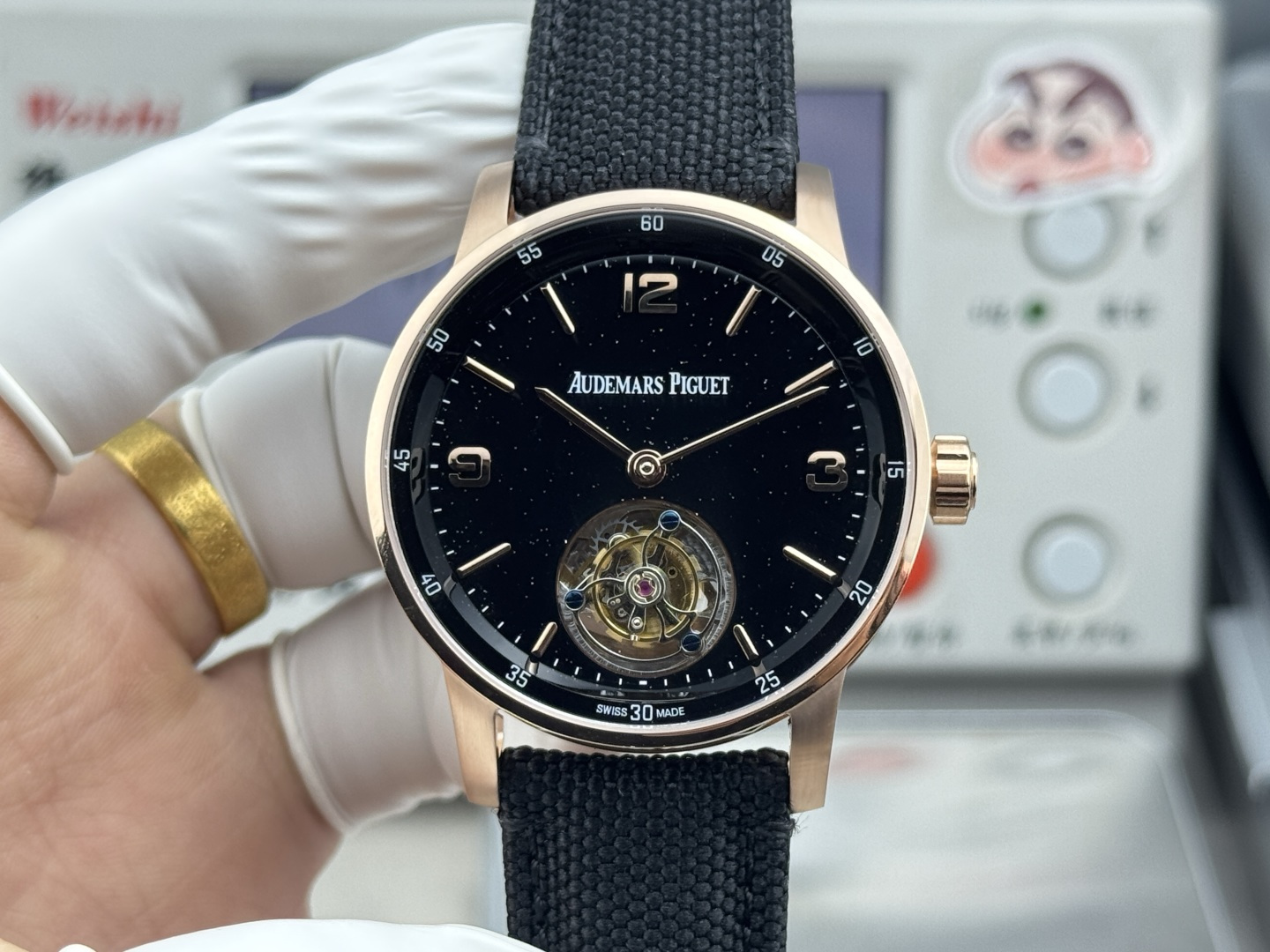
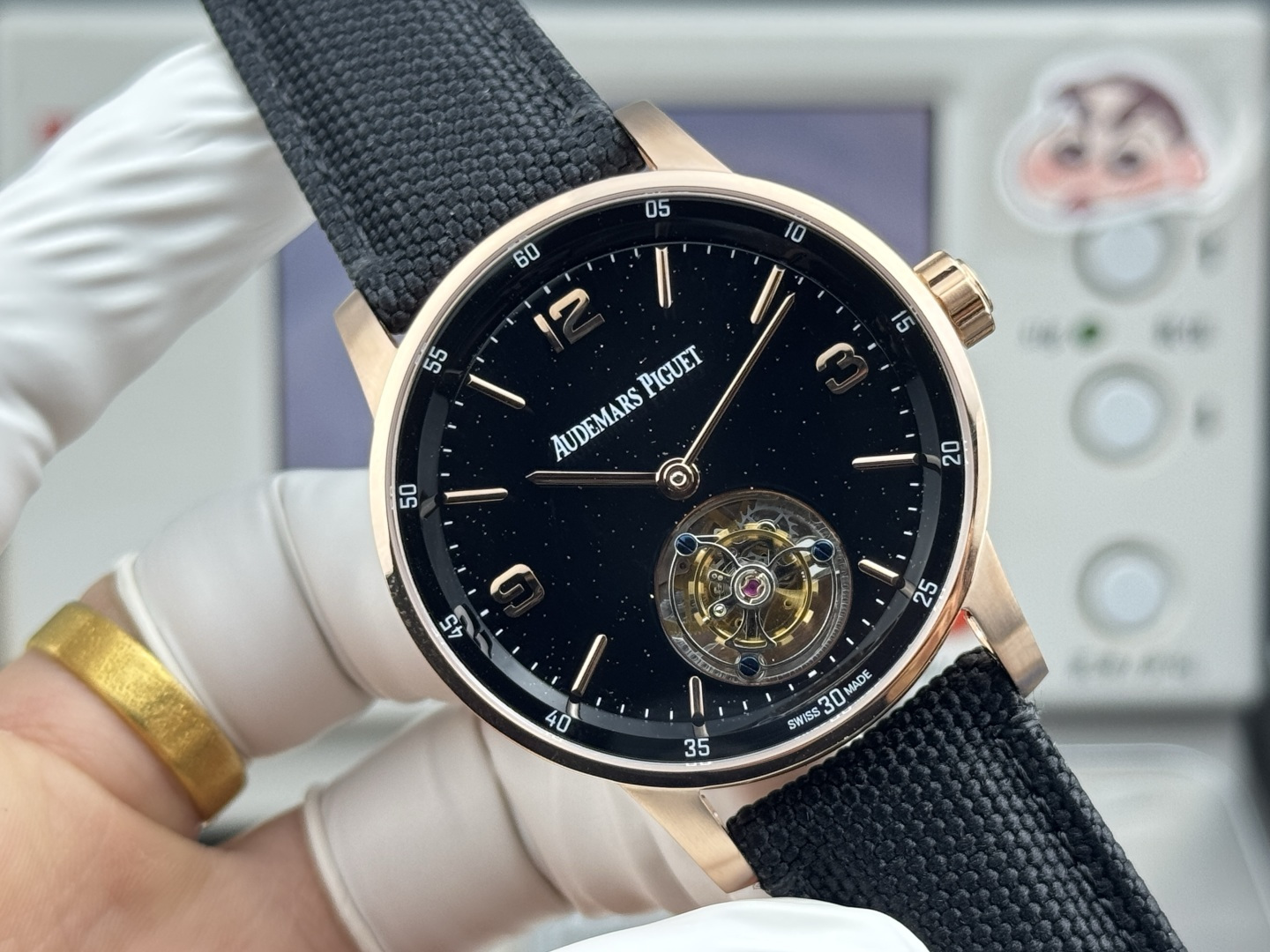
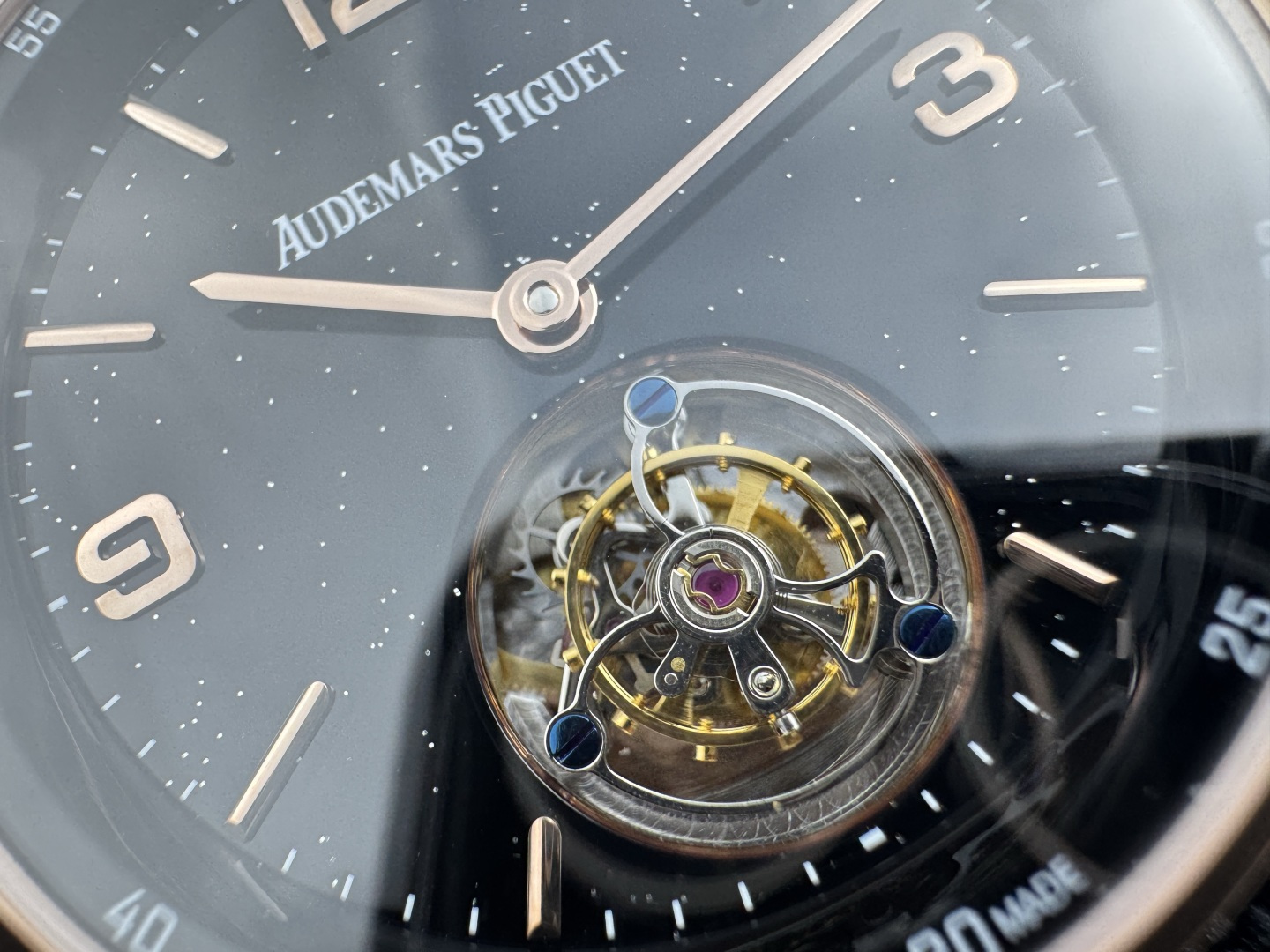
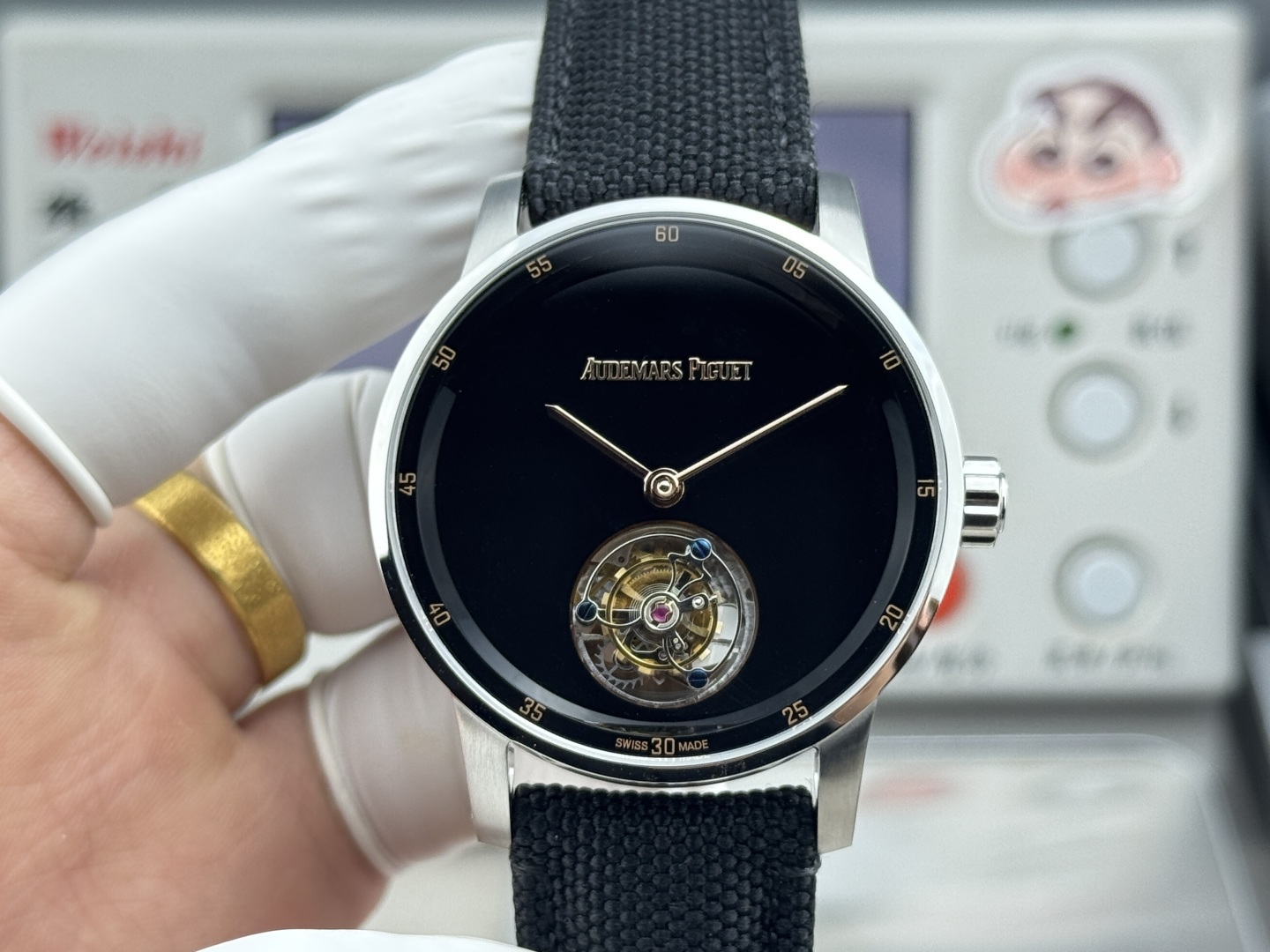
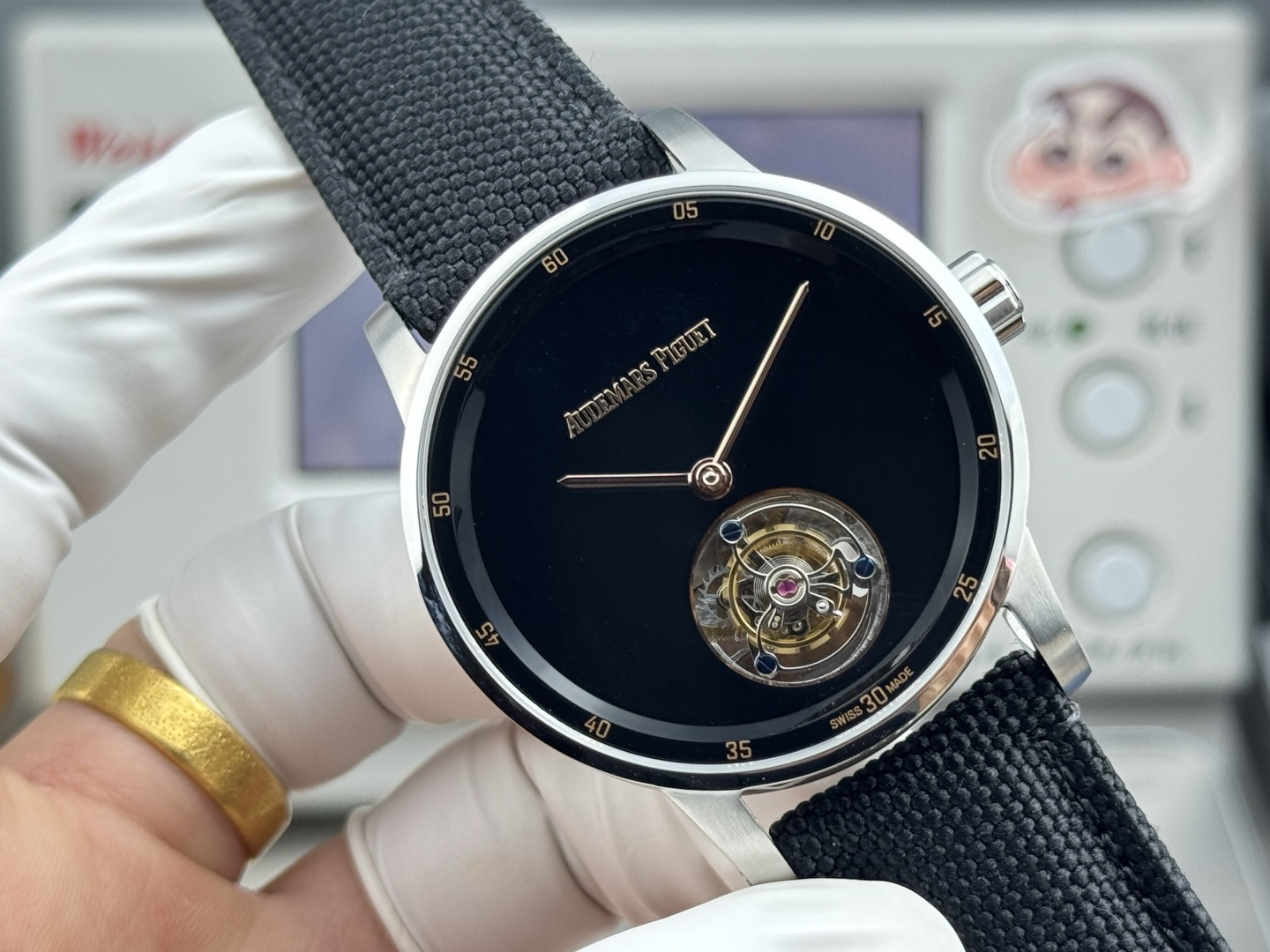
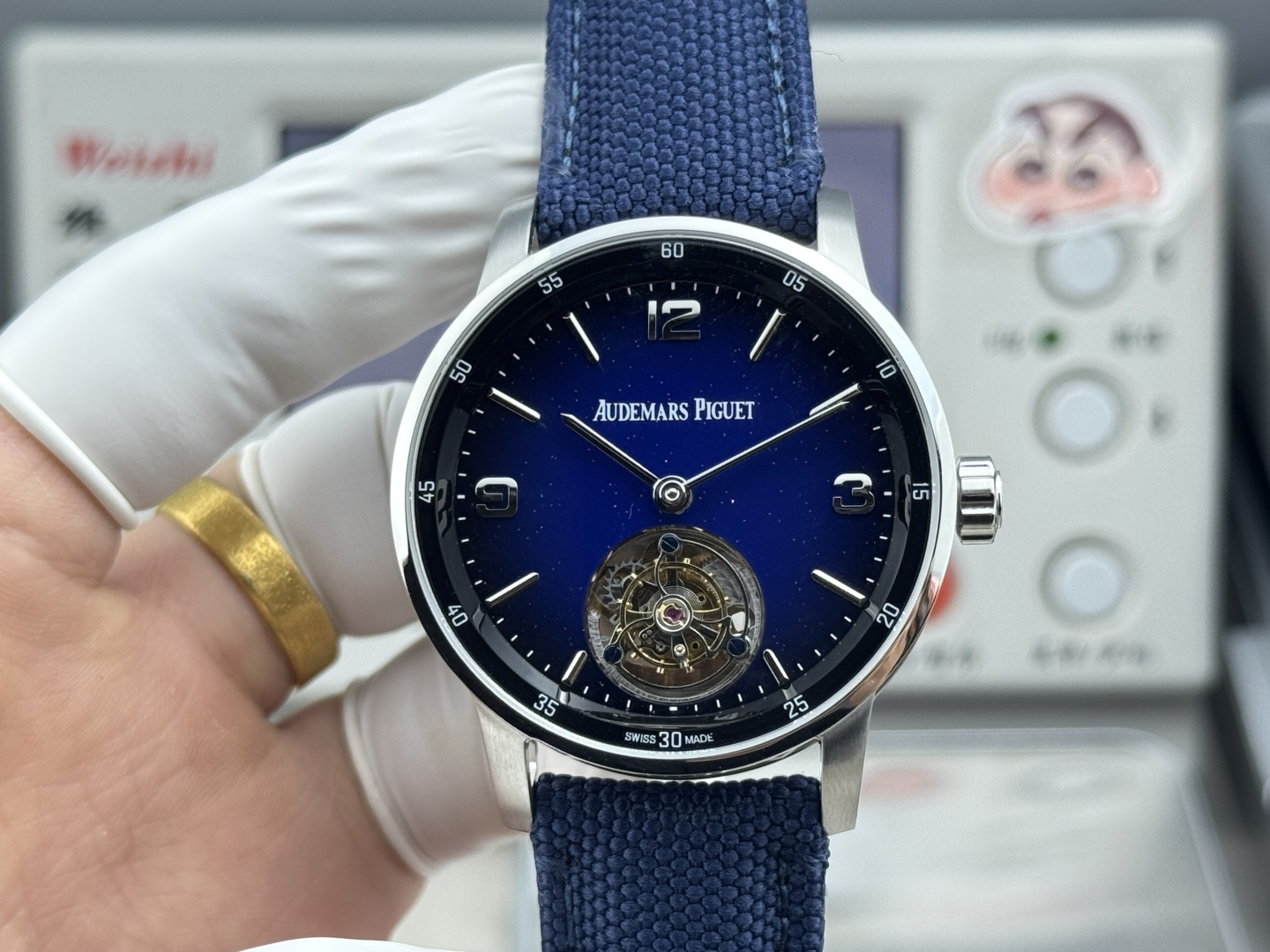
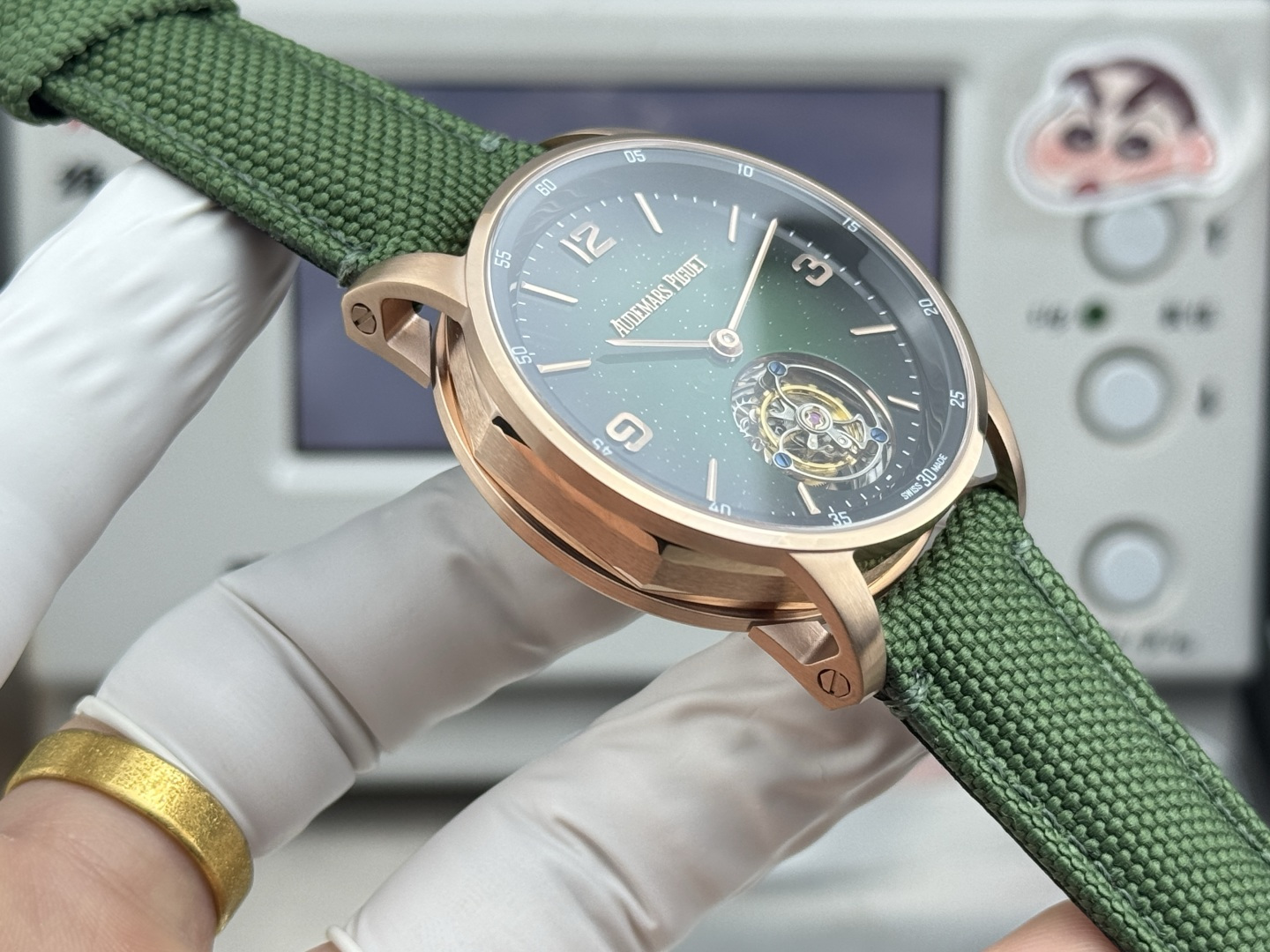
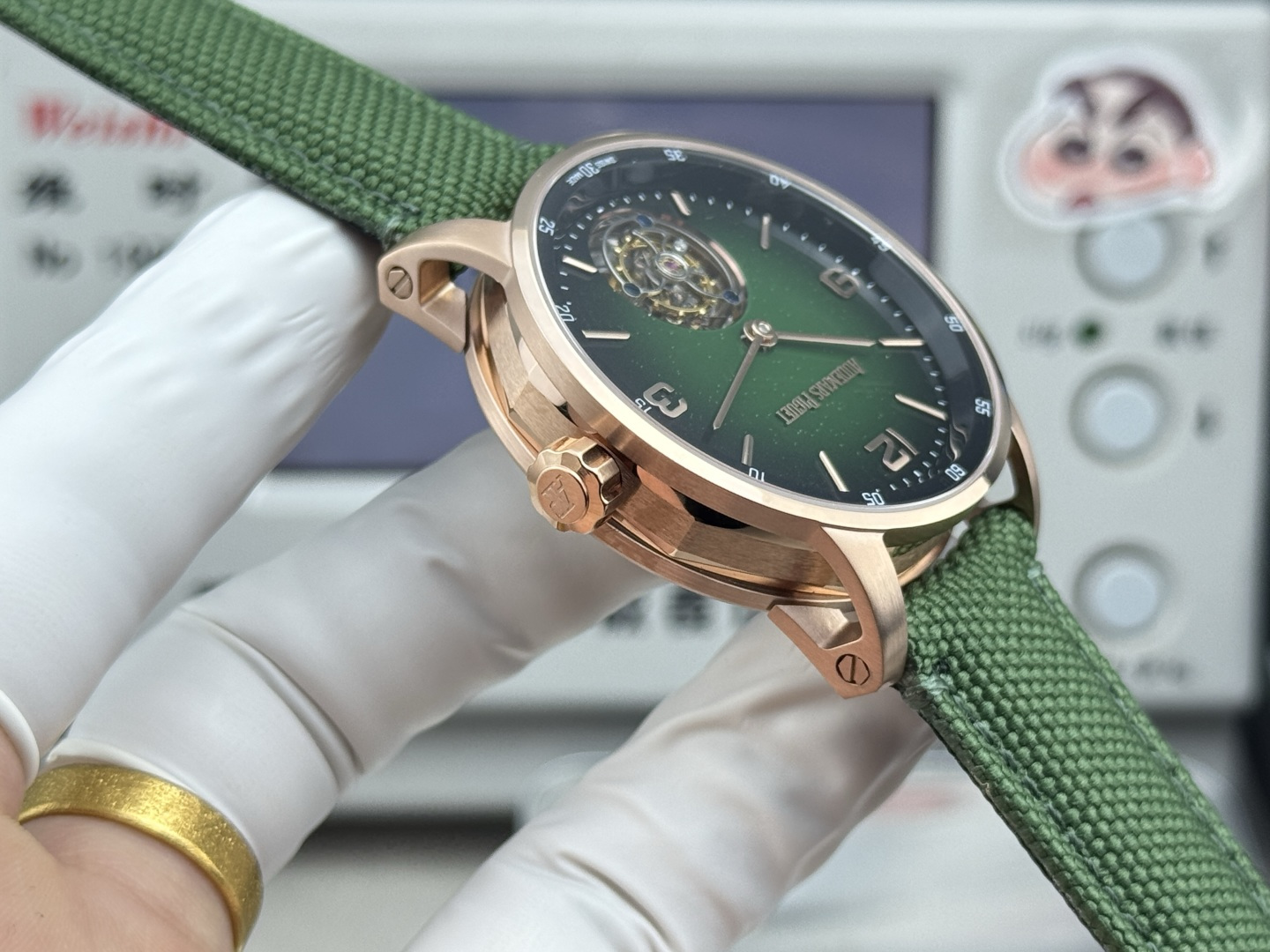
    This is where the conversation gets genuinely interesting, because the aventurine enamel dial on the genuine 26396 is one of the most visually arresting dials AP has produced in the modern era. Grand Feu enamel aventurine — that deep, nebular blue-black with suspended copper-gold particles that catch light like a galaxy suspended in glass — is extraordinarily difficult to fake convincingly. The genuine article is fired multiple times in a kiln at temperatures exceeding 800 degrees Celsius. The aventurine particles are real feldspar with copper inclusions. The depth you see in the authentic dial isn’t a surface effect; it’s a volumetric one. You’re looking through layers.

    So how does this clone handle it? Better than I expected, worse than it needs to be. The base color is correct — a very deep, near-black blue that shifts toward indigo under warm light. The suspended particle effect is present and catches light convincingly from across a room. At arm’s length, on the wrist, in a restaurant or a meeting room? It reads as aventurine. It has the shimmer. The casual observer — even a watch-aware casual observer — will not clock it as wrong.

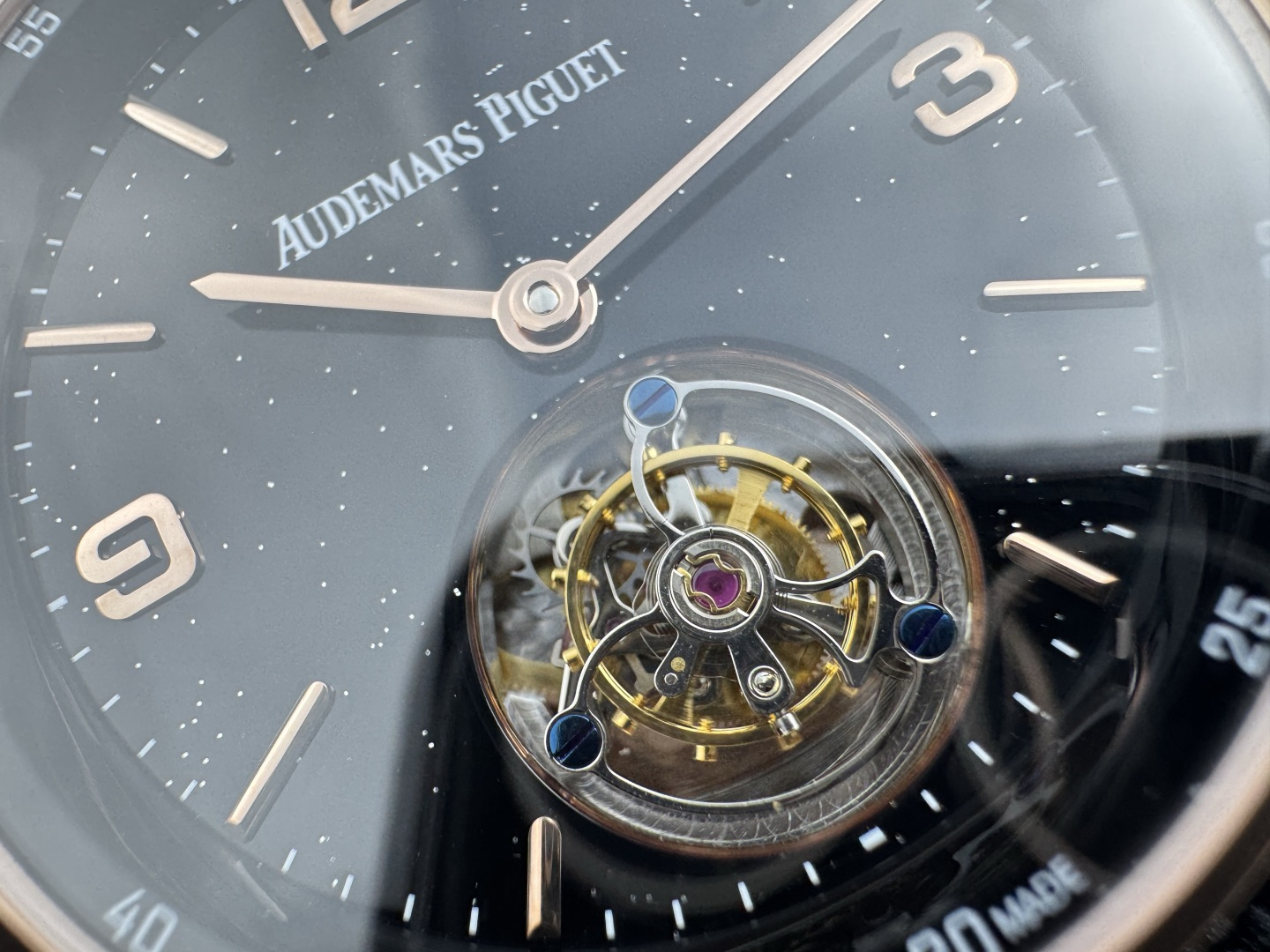
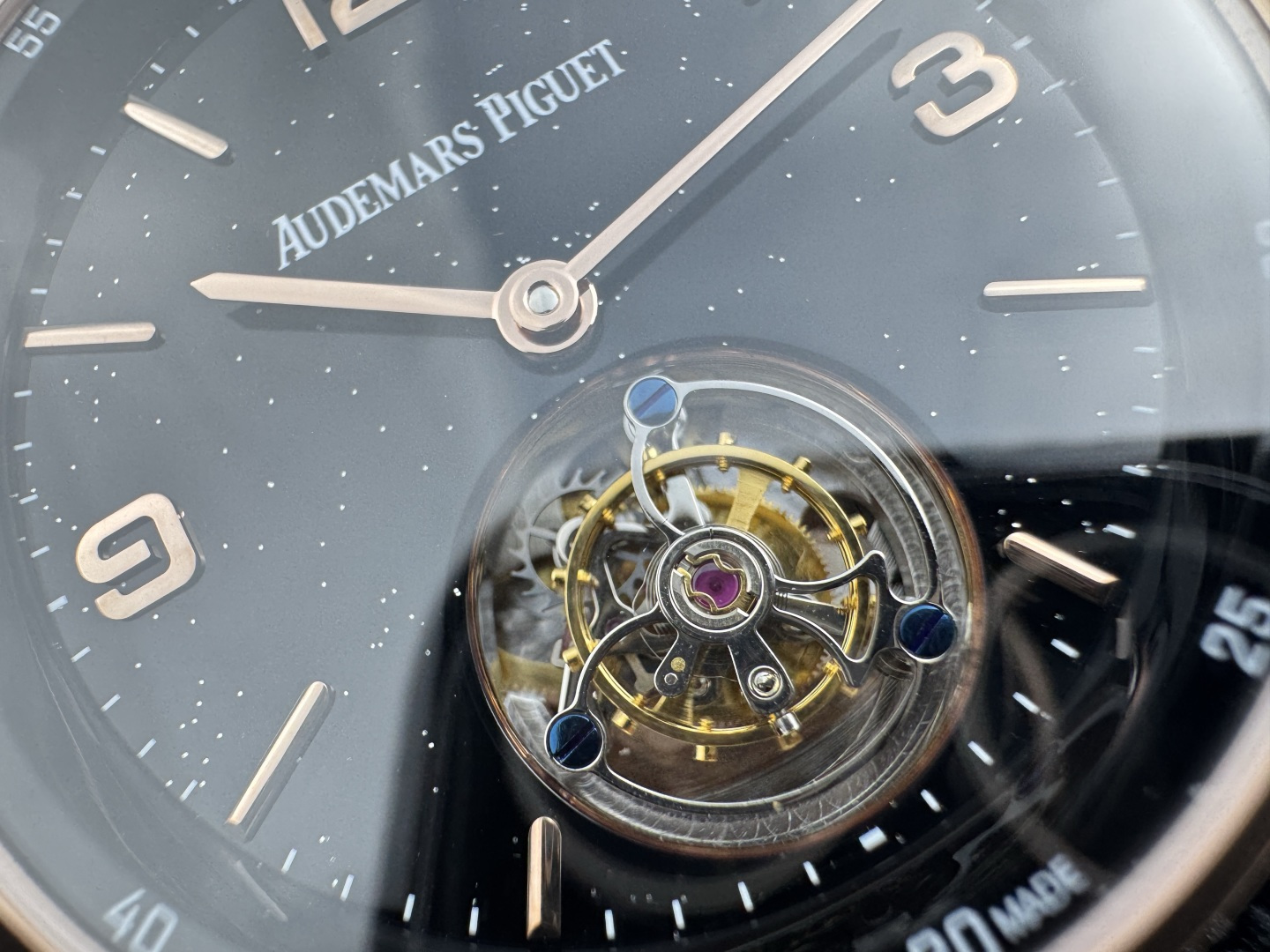
    Under the loupe, though, the volumetric depth isn’t there. The genuine aventurine dial has a quality where the particles seem to float at different depths within the material. This dial’s particles are surface-suspended, printed or deposited onto the dial base rather than embedded within fired enamel layers. The effect is flatter. It’s the difference between looking at a photograph of a starfield and looking at an actual night sky — intellectually you know what you’re seeing, but the sense of depth simply isn’t replicable by the same means.

    The aventurine effect is convincing at social distances. Under magnification, it exposes itself immediately as a surface treatment rather than a genuine Grand Feu enamel construction. This is the single largest technical gap between this clone and the genuine article.

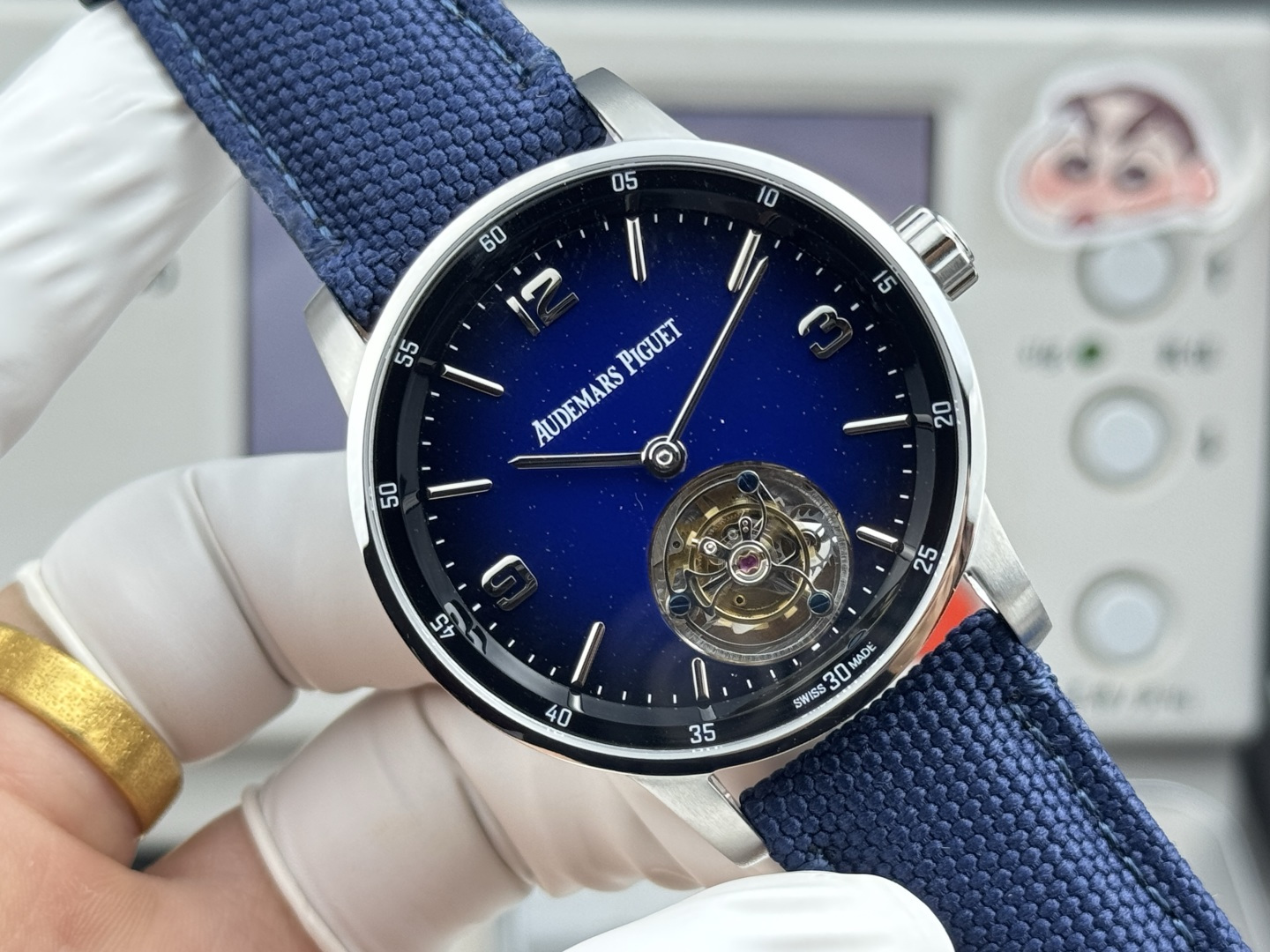
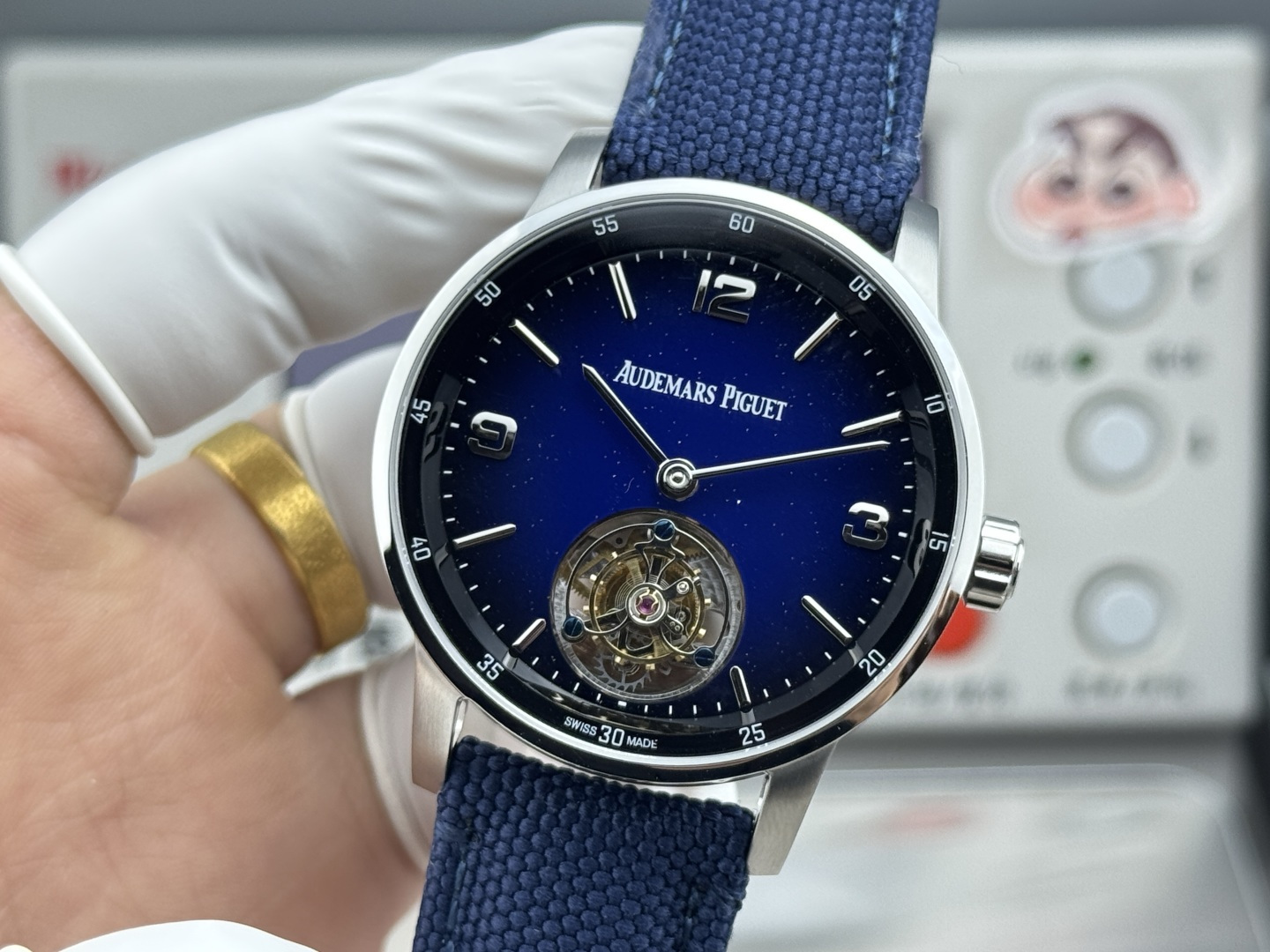
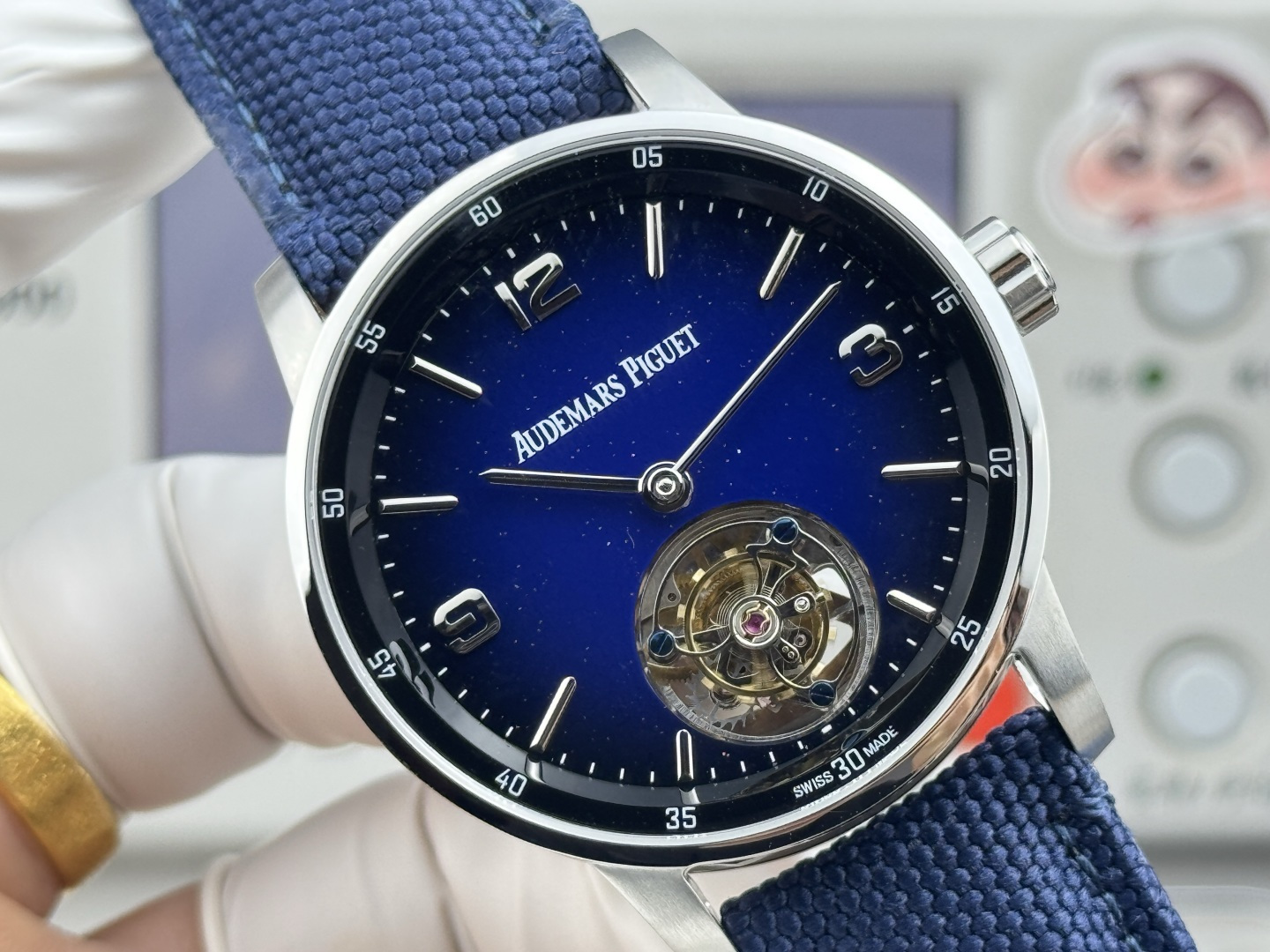
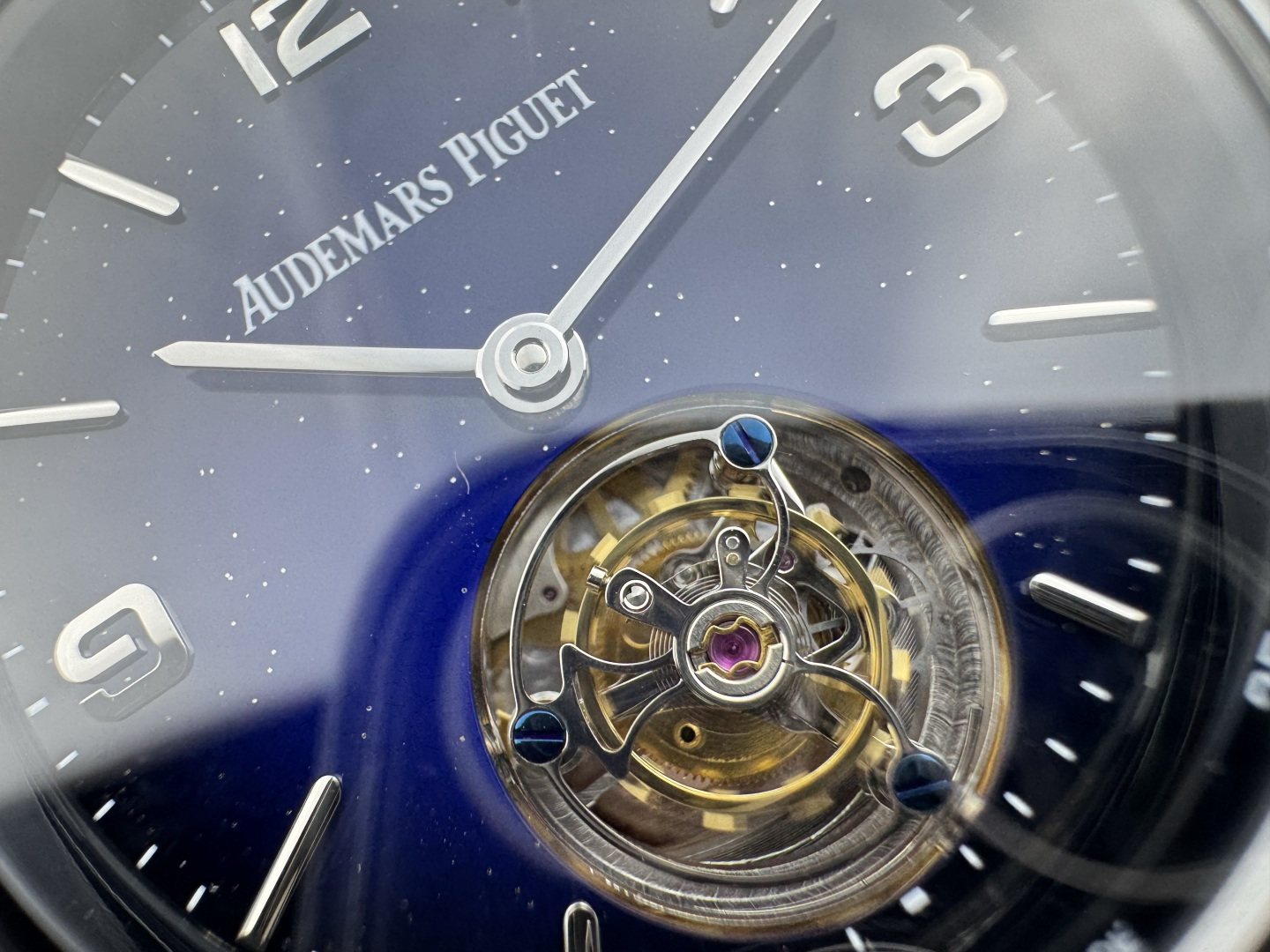
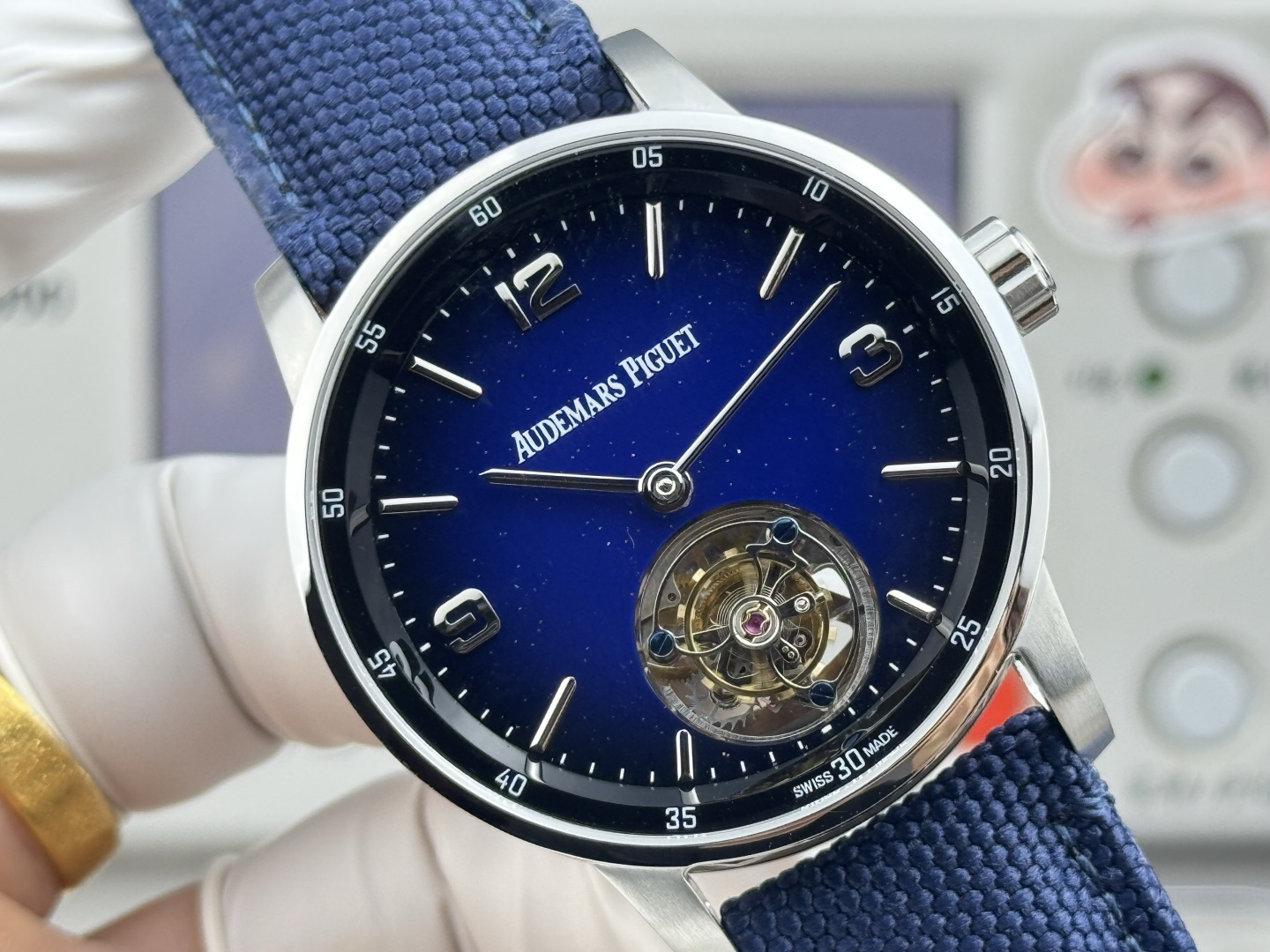
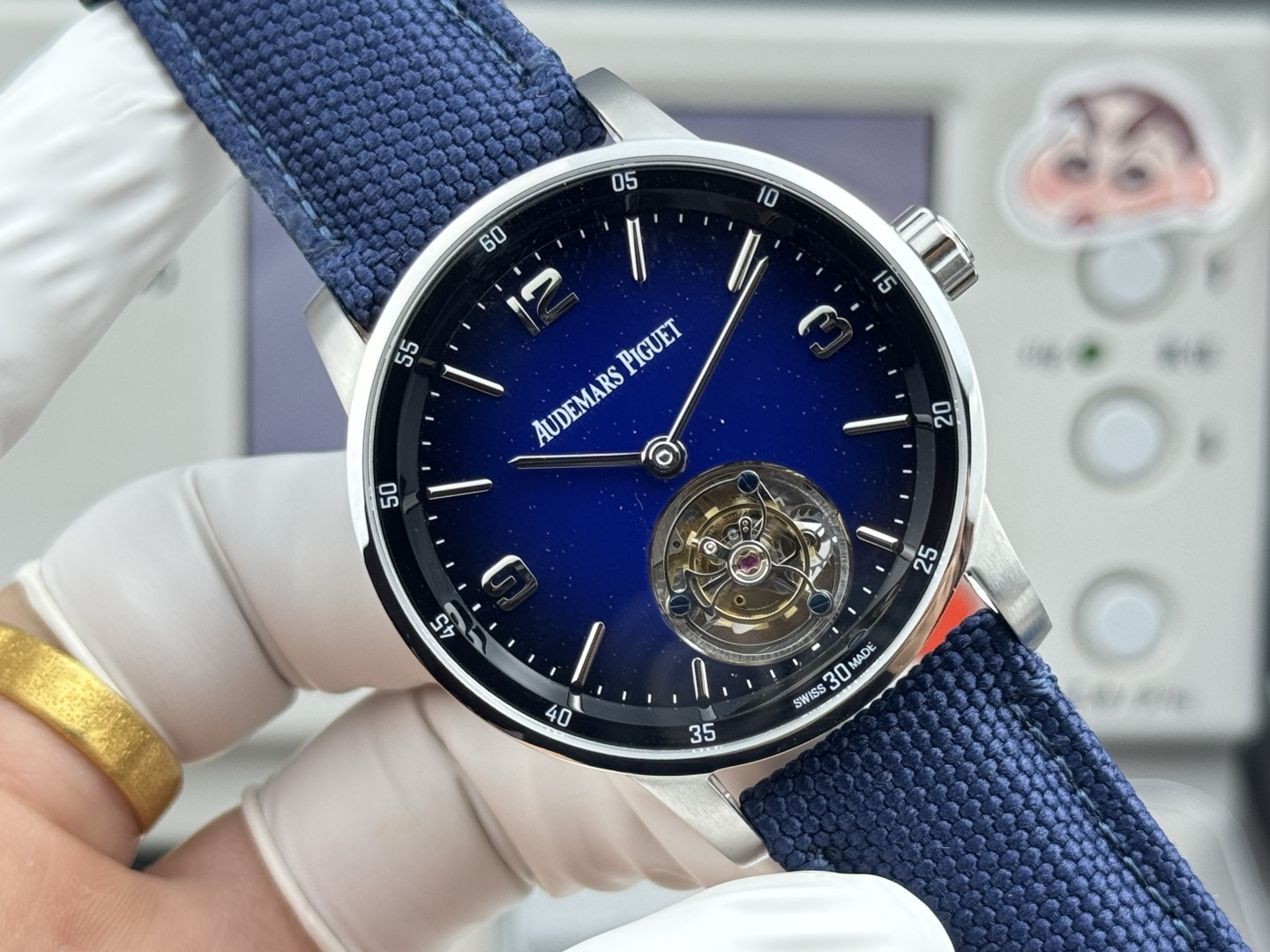
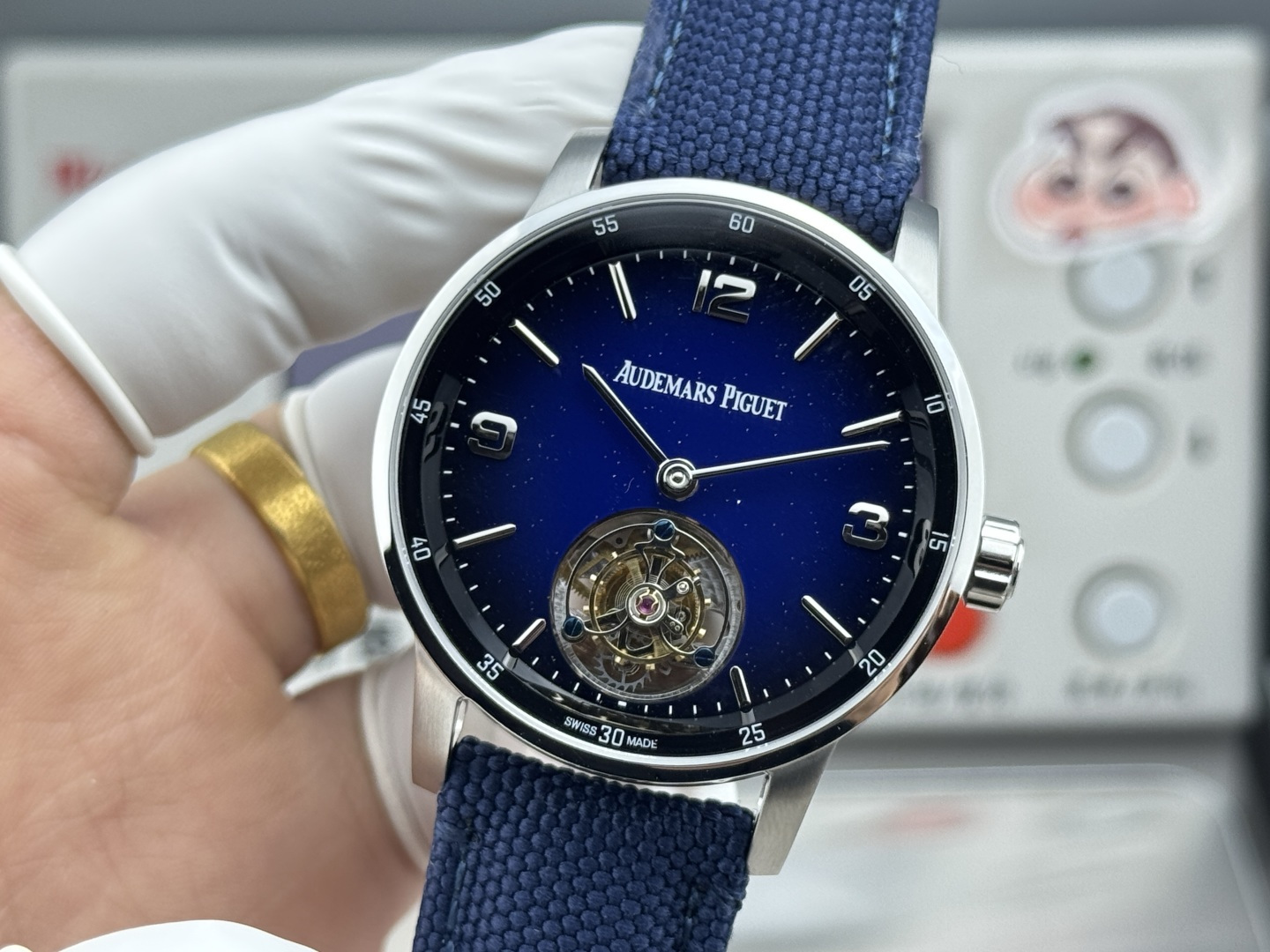
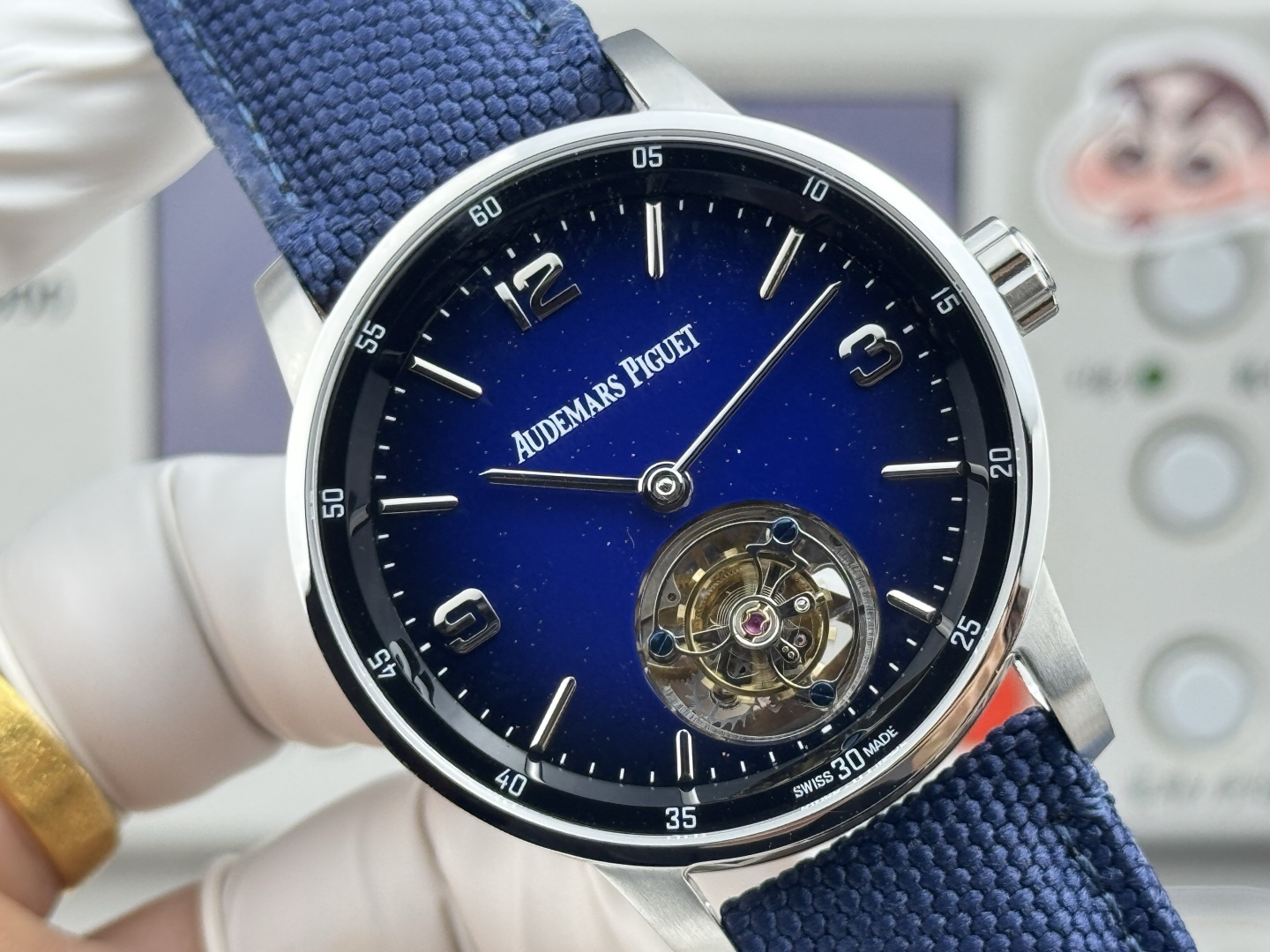
    The indices are applied correctly — no pad-printing here, these are physically applied metal indices with the correct proportions. The hand-stack clearance over the tourbillon aperture at six o’clock is adequate; the hands sweep without any visible contact risk. Typography kerning on the “AUDEMARS PIGUET” text at twelve o’clock is clean and correctly spaced. The “AUTOMATIC TOURBILLON” designation below the center is slightly lighter in weight than the reference photography suggests it should be — a minor kerning and weight discrepancy that, again, you’re not catching without direct comparison.

    The AR coating bloom on the sapphire crystal deserves specific mention. The genuine CODE 11.59 uses a double-curved sapphire that’s brutally difficult to coat evenly due to its geometry. This clone’s crystal shows the correct blue-green AR bloom, applied evenly across the curve. It’s one of the better AR coating jobs I’ve seen on a clone at this price point. Reflections are genuinely suppressed, and the dial reads clearly under direct light — a failure point for many replicas that use inferior coatings that either reflect too much or show uneven color banding.

    Under the Caseback & Exposing ‘The Tell’

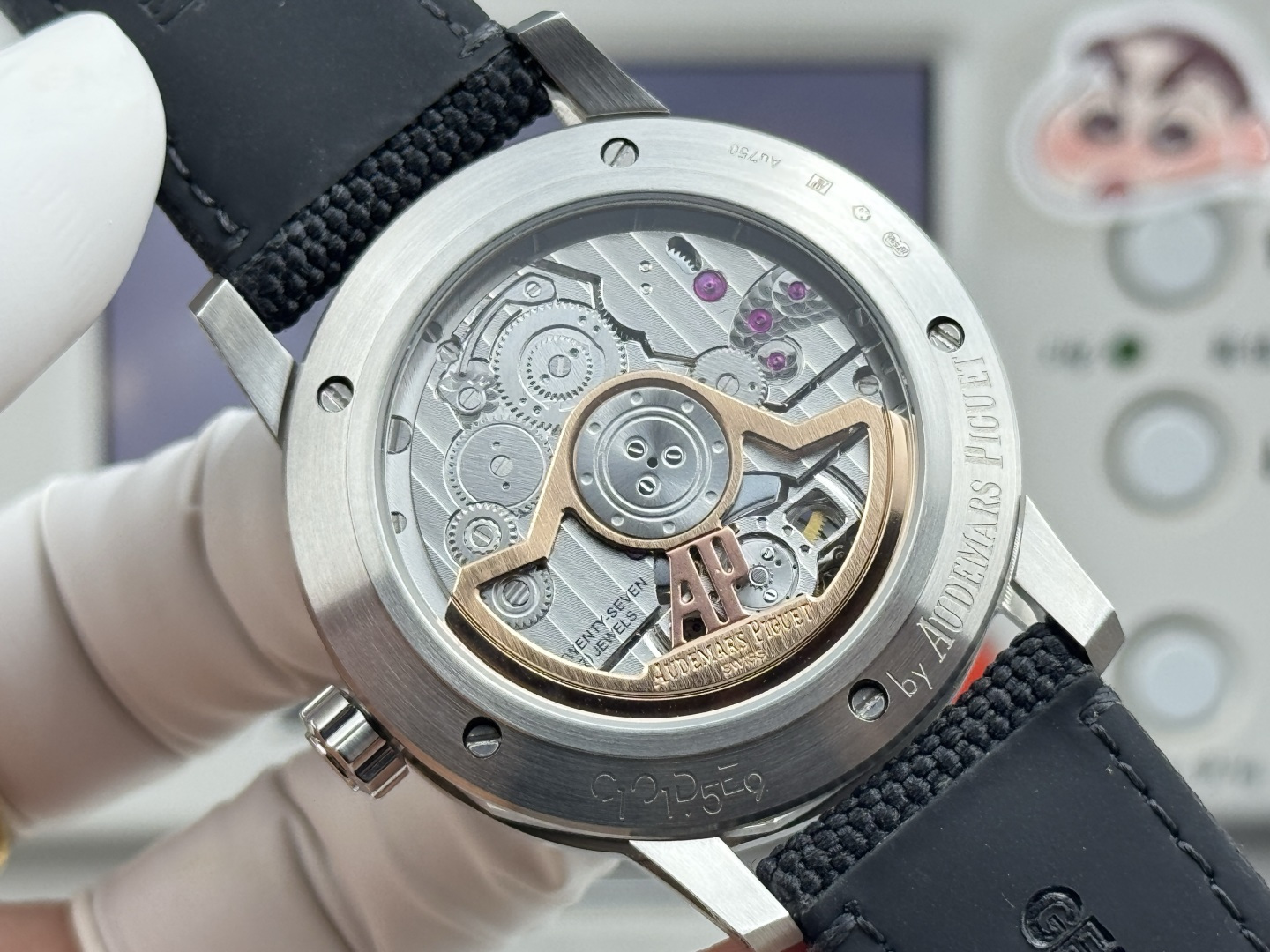
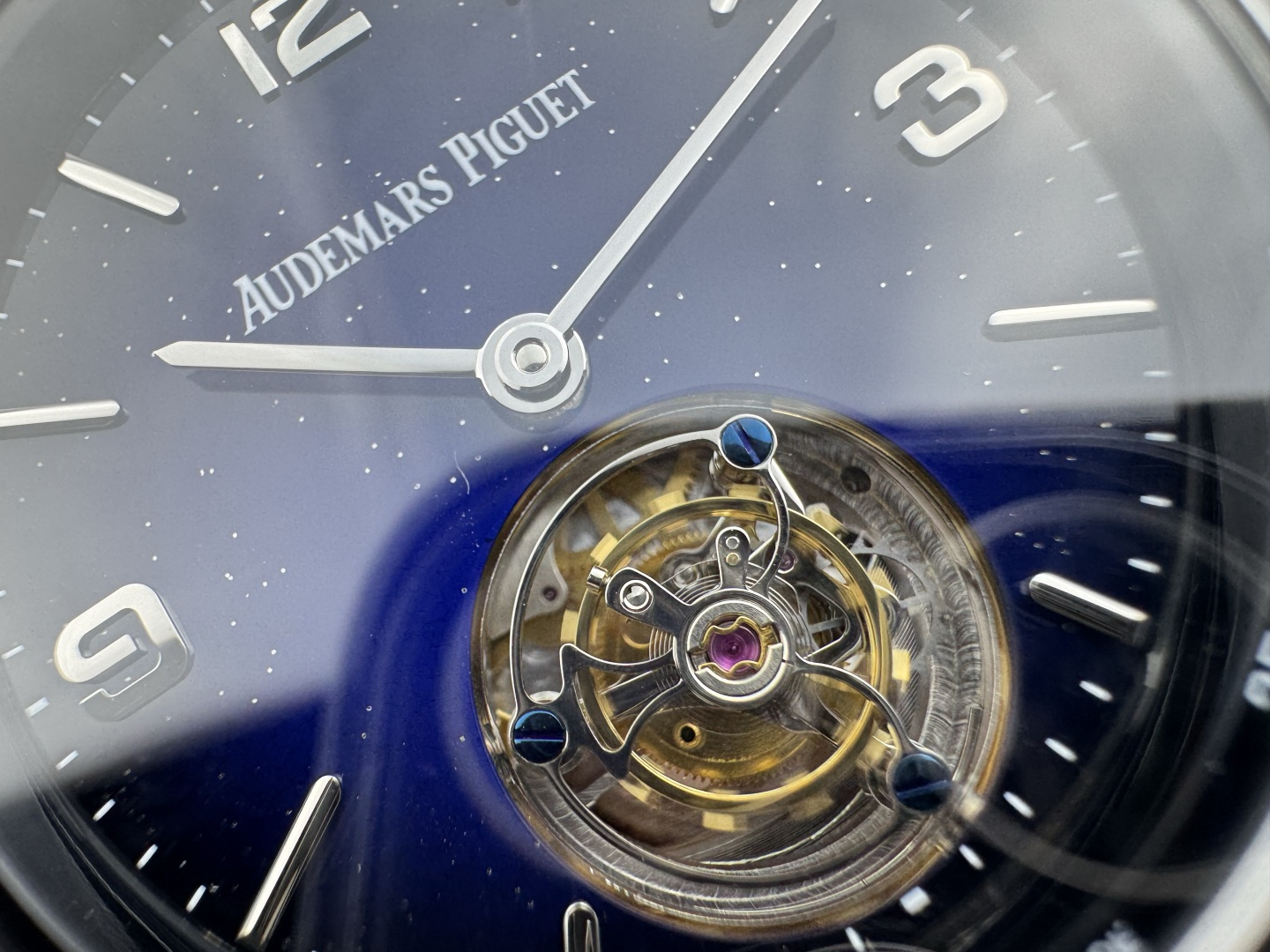
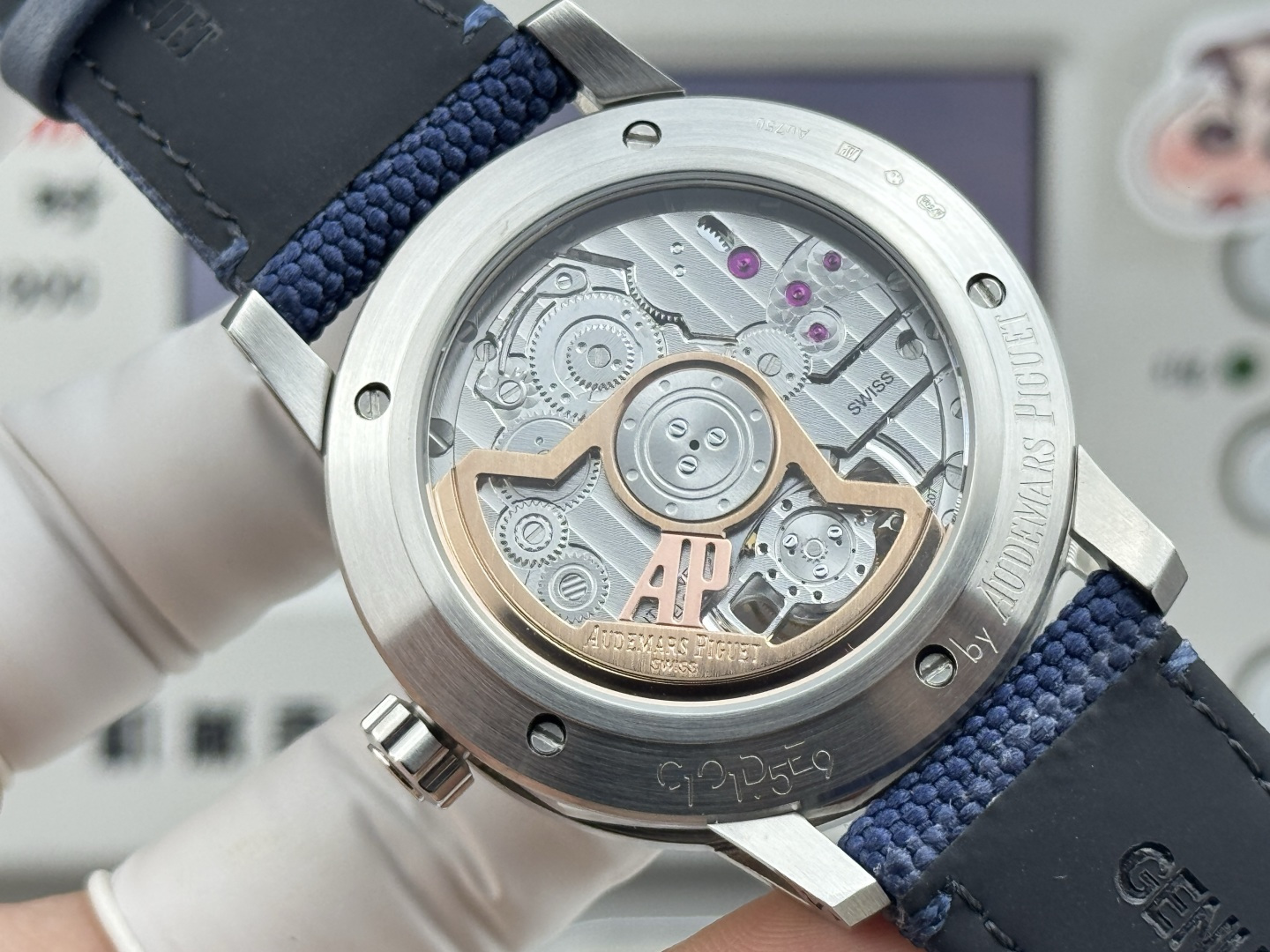
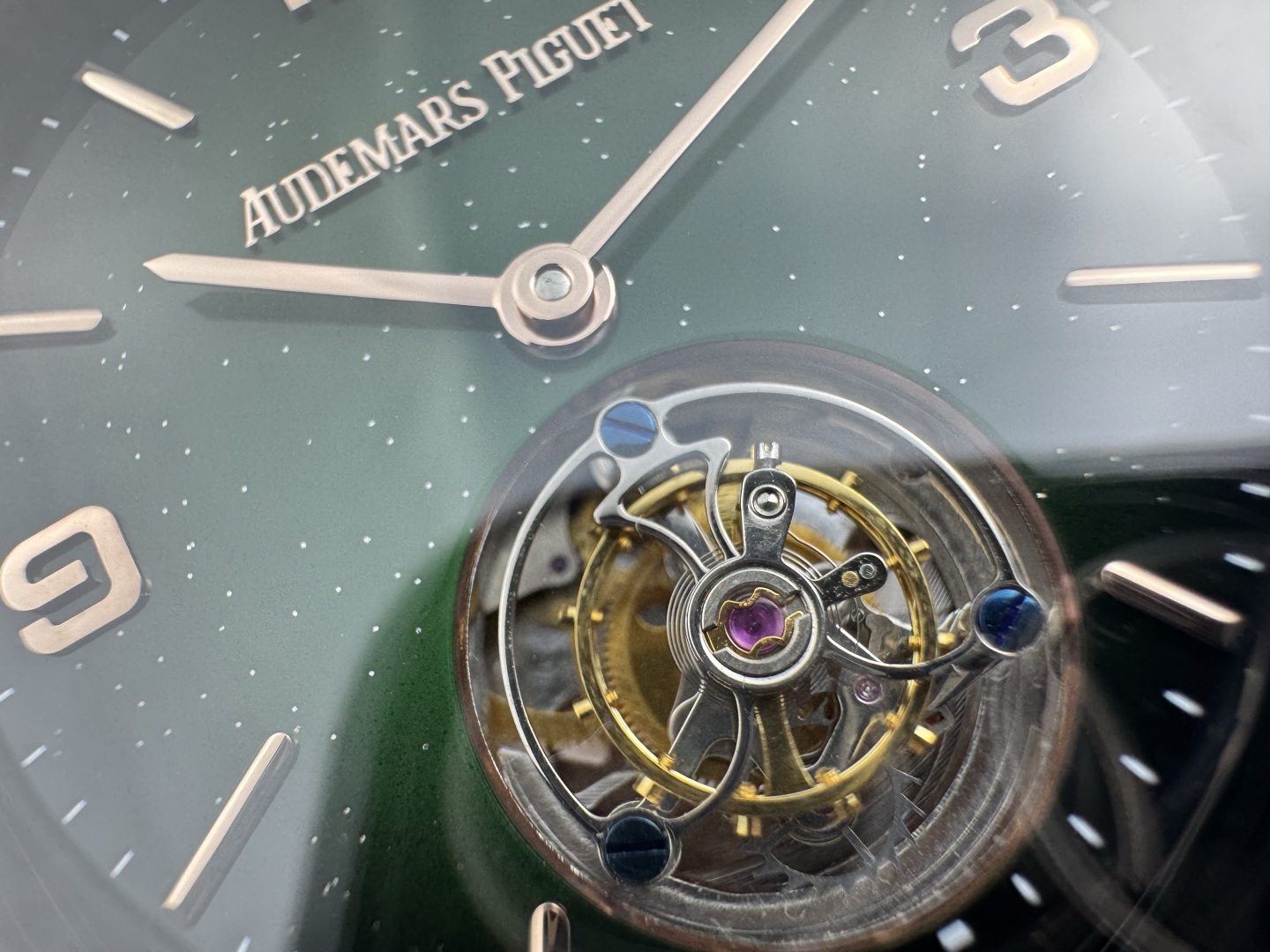
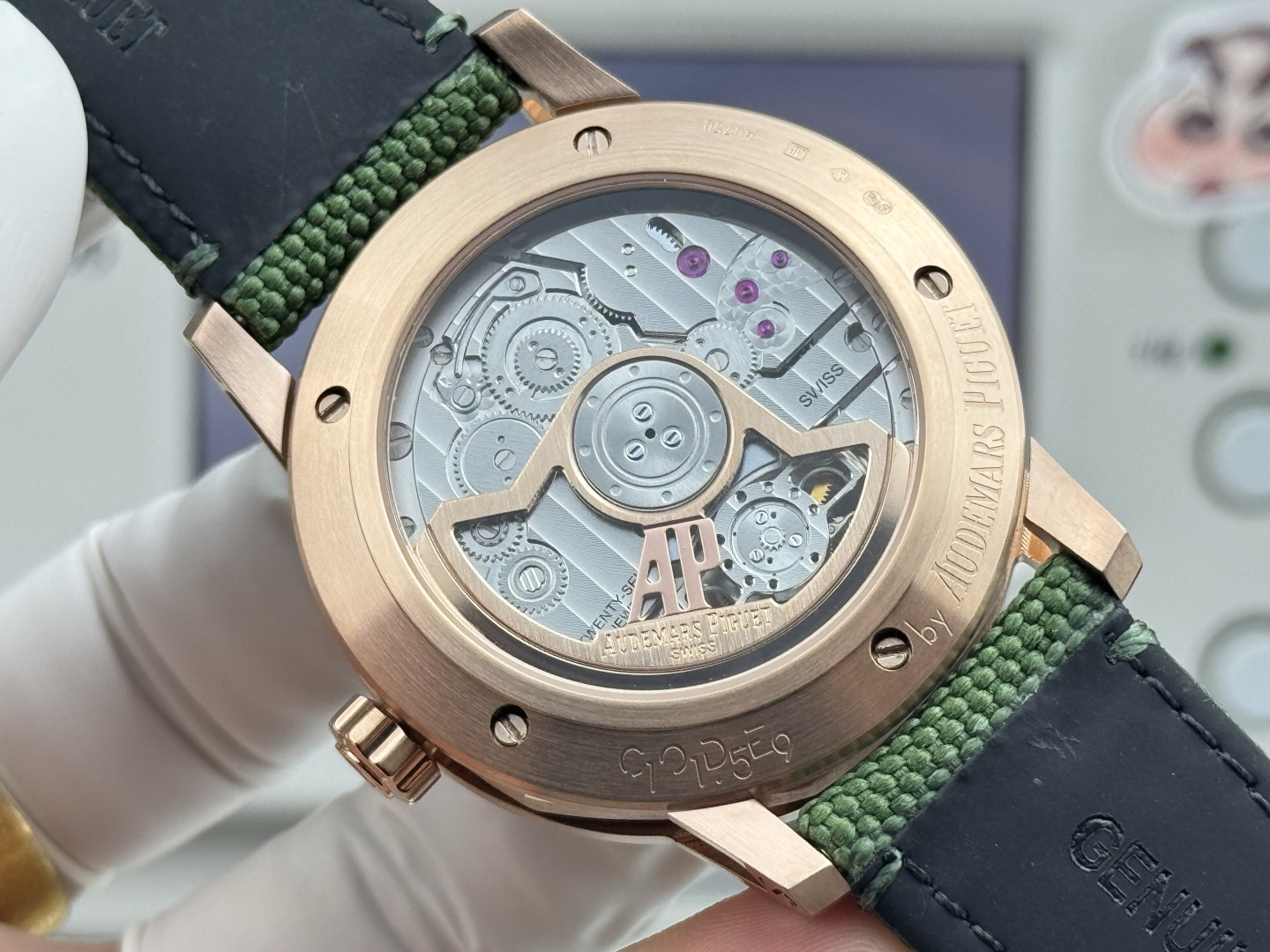
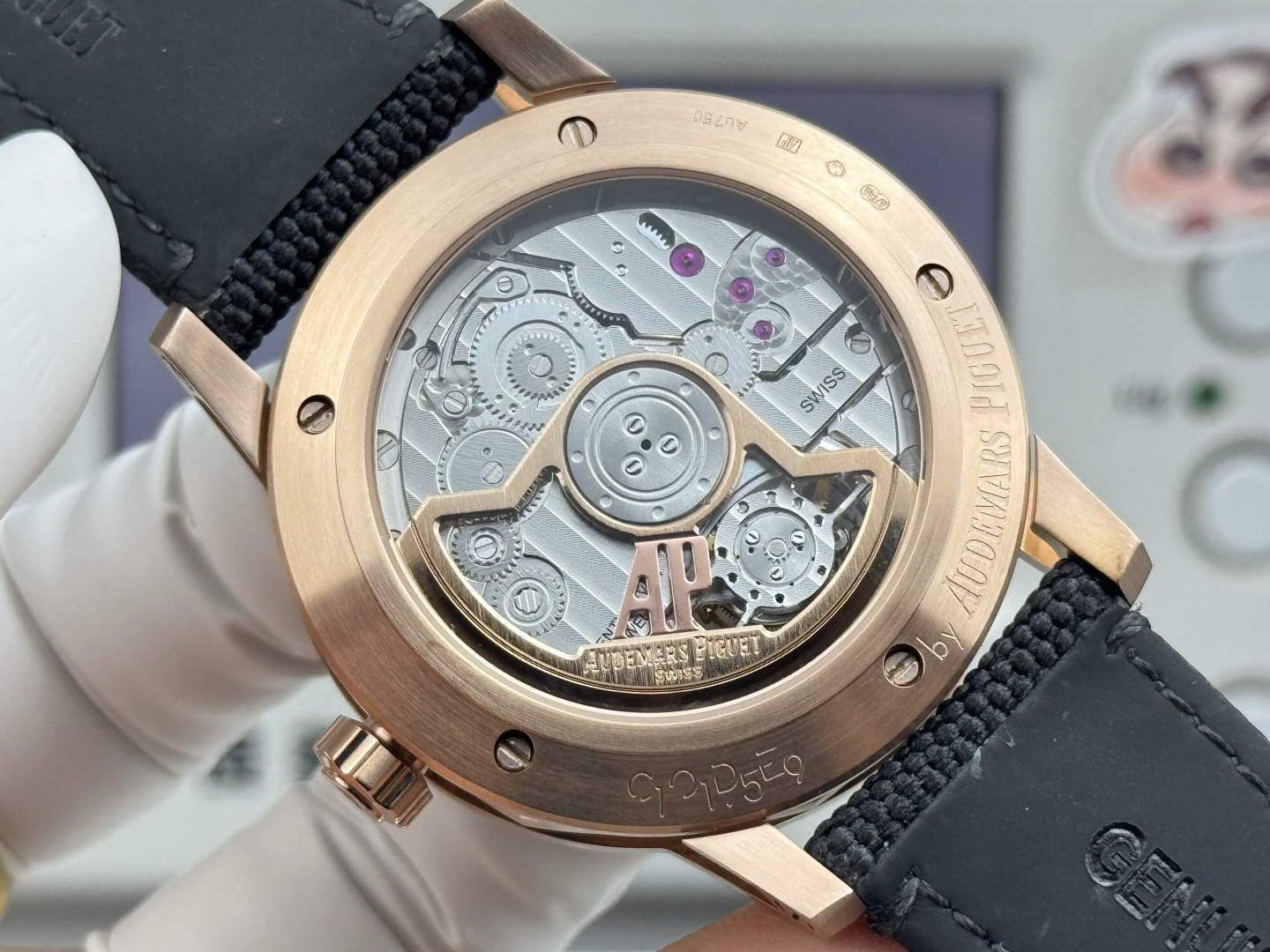
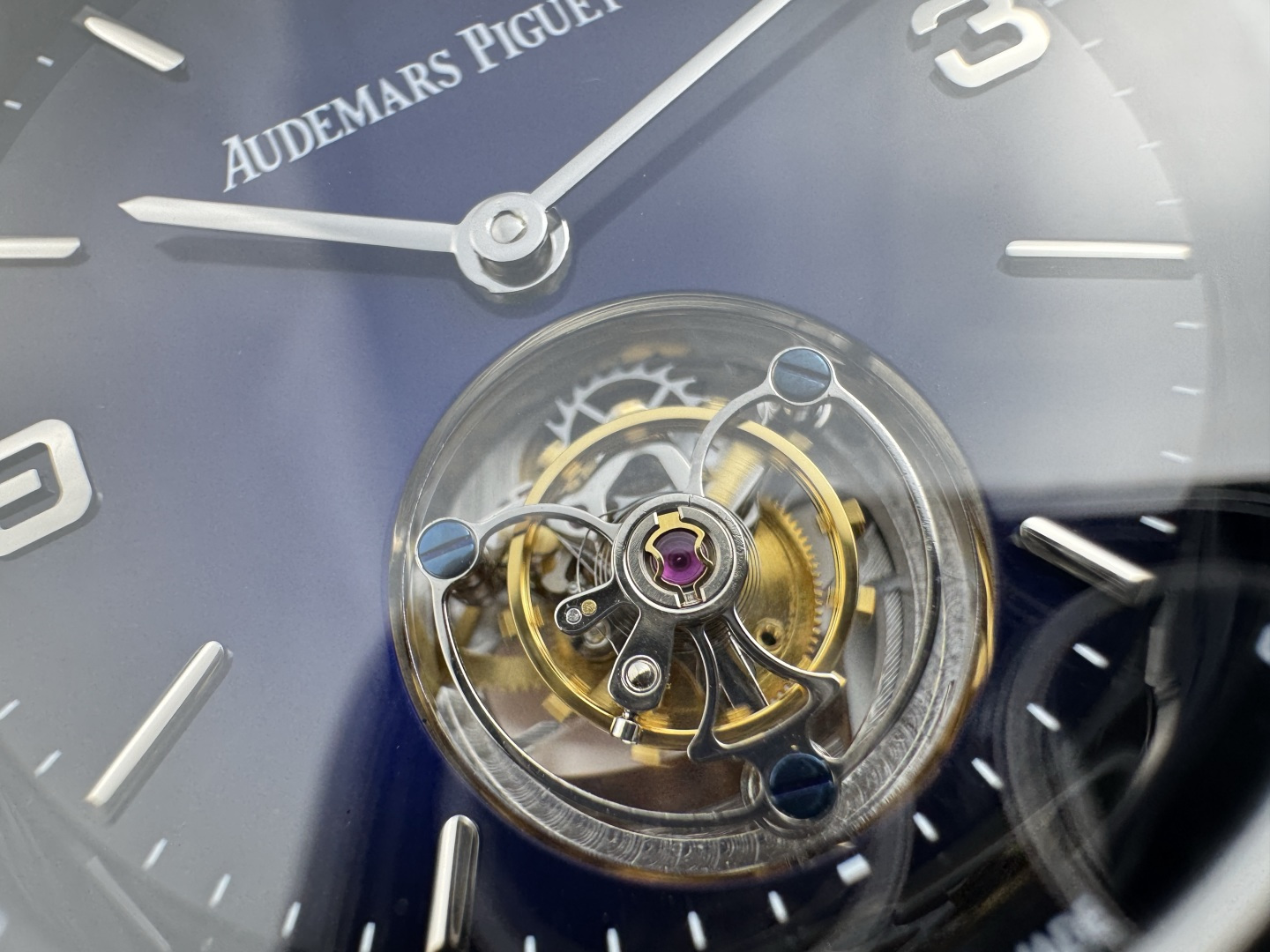
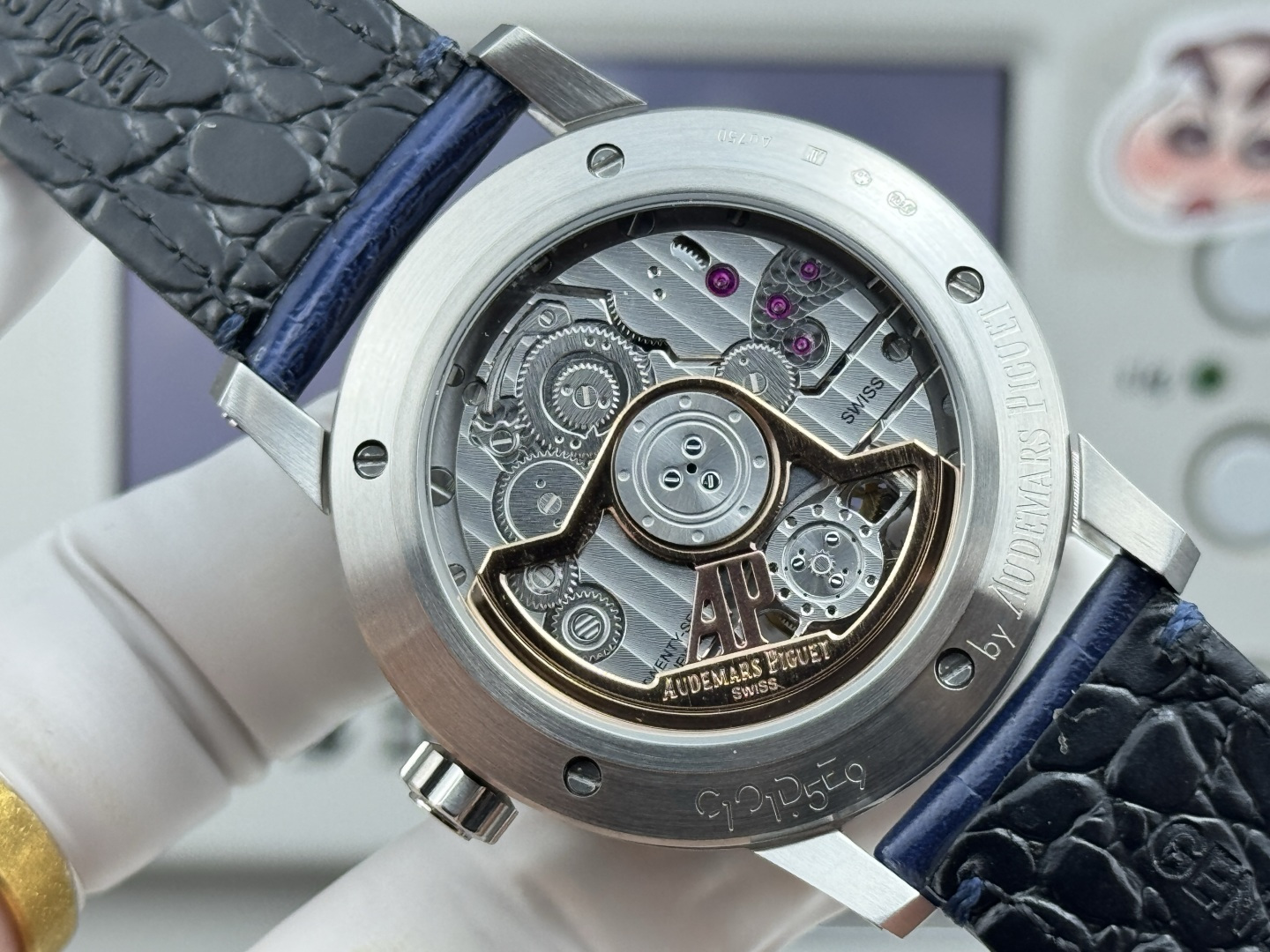
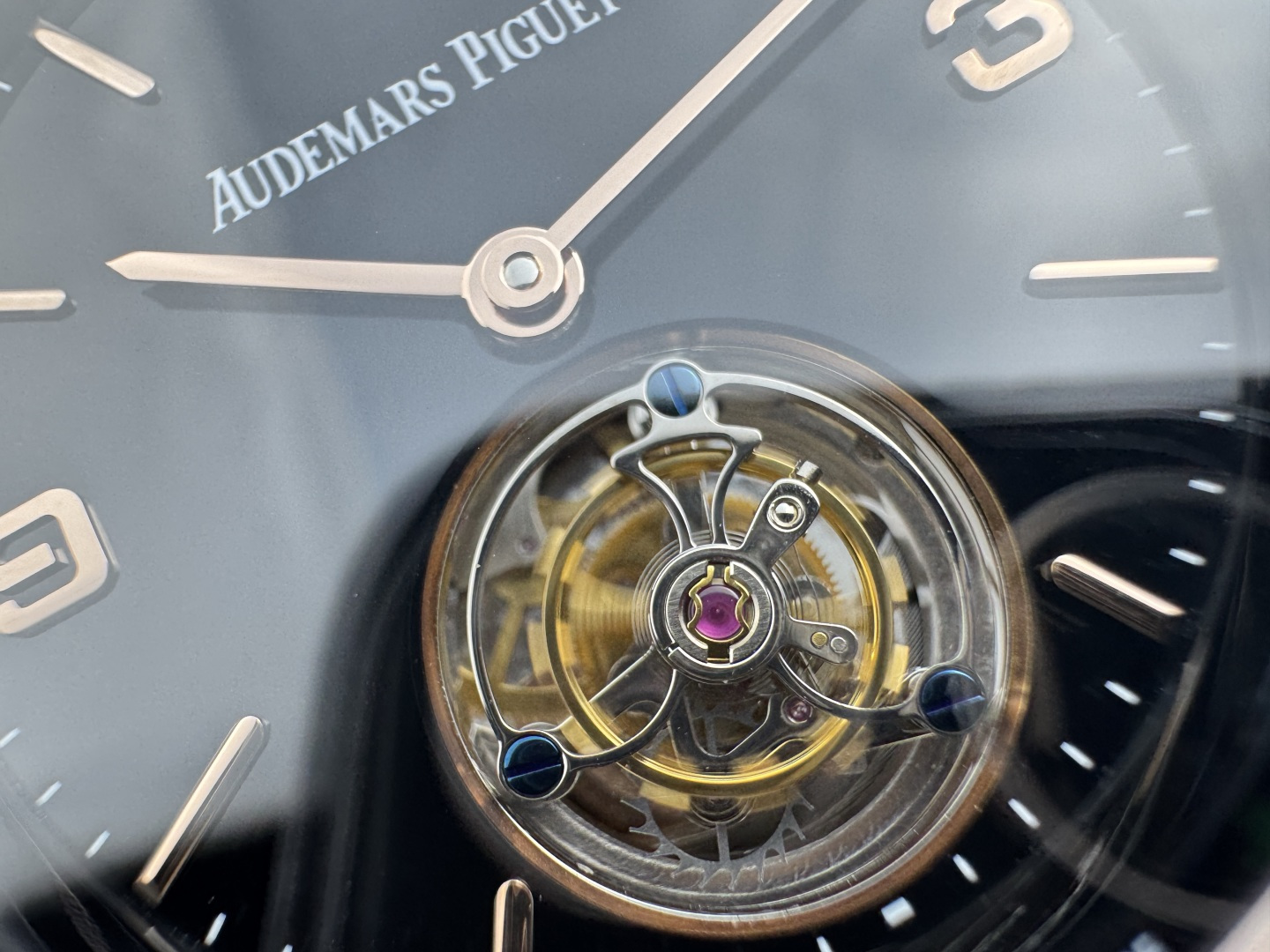
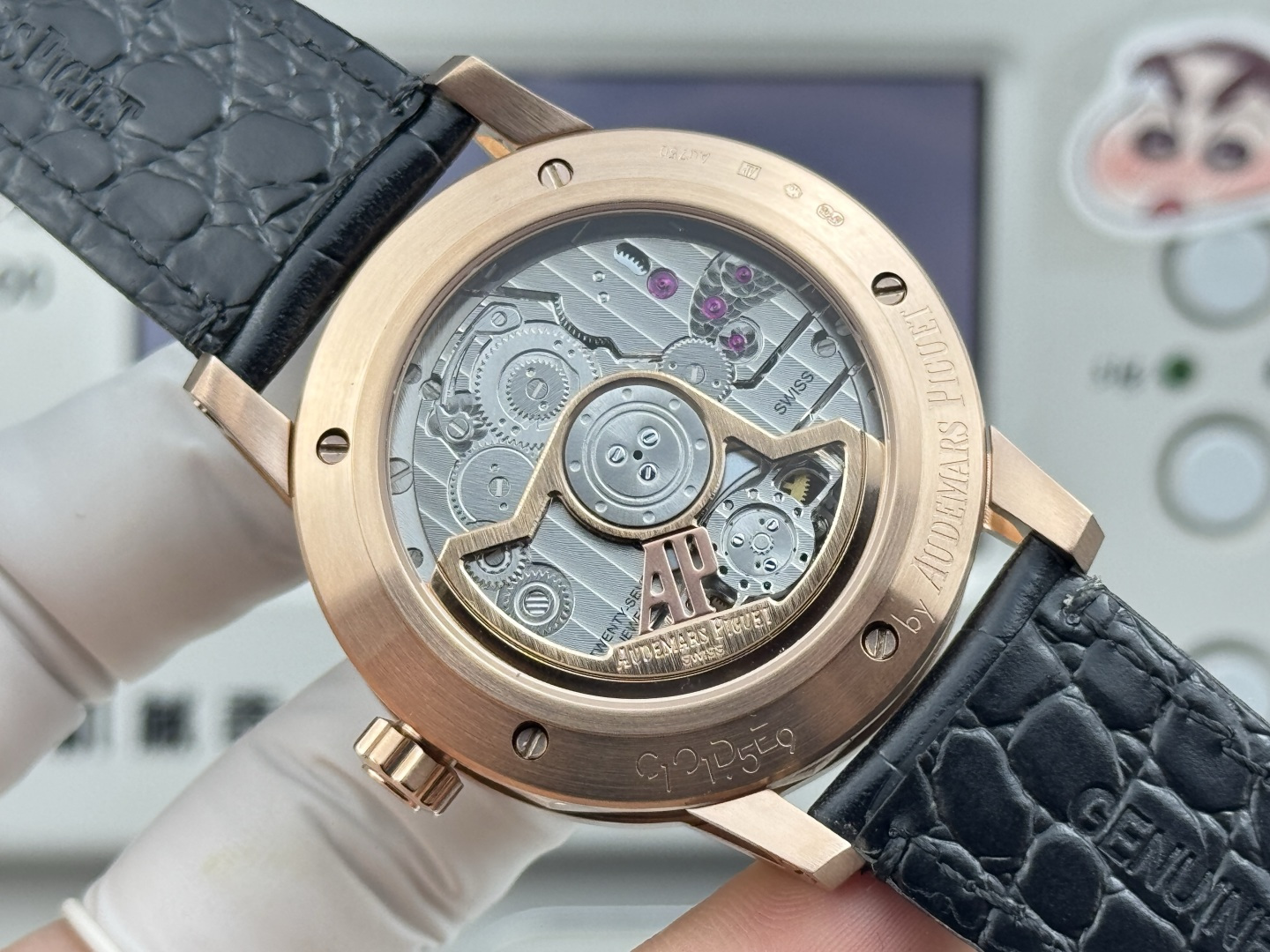
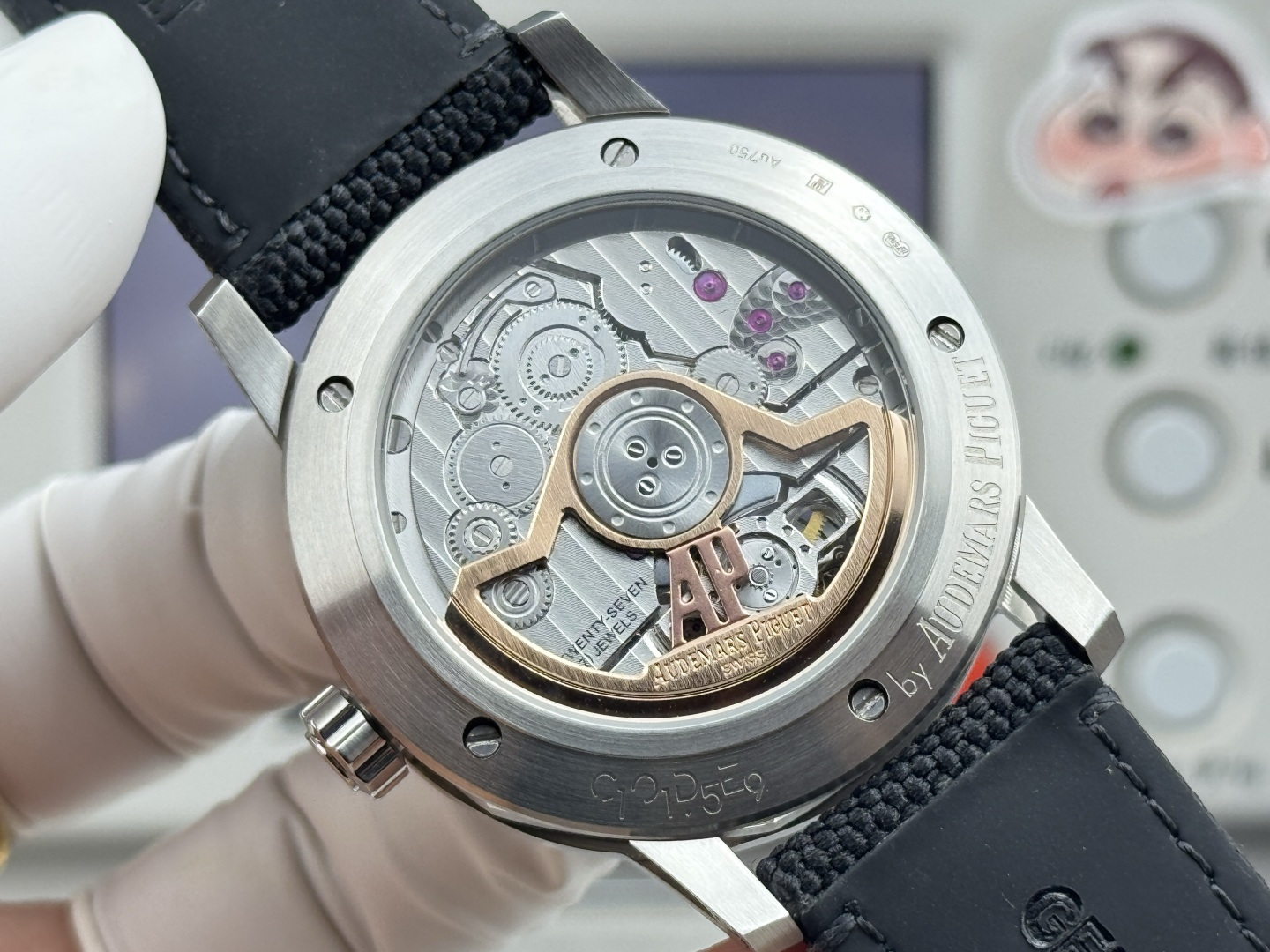
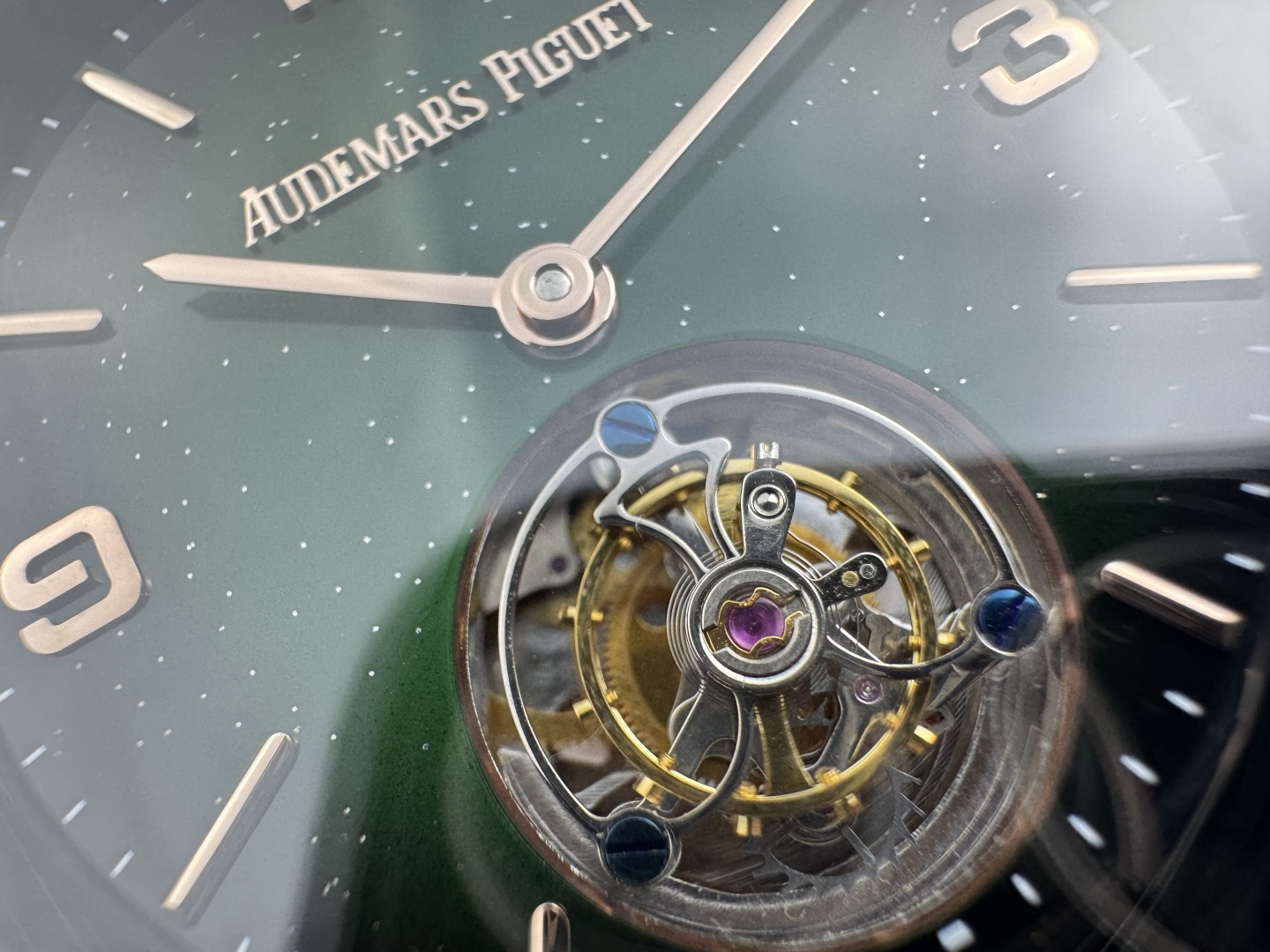
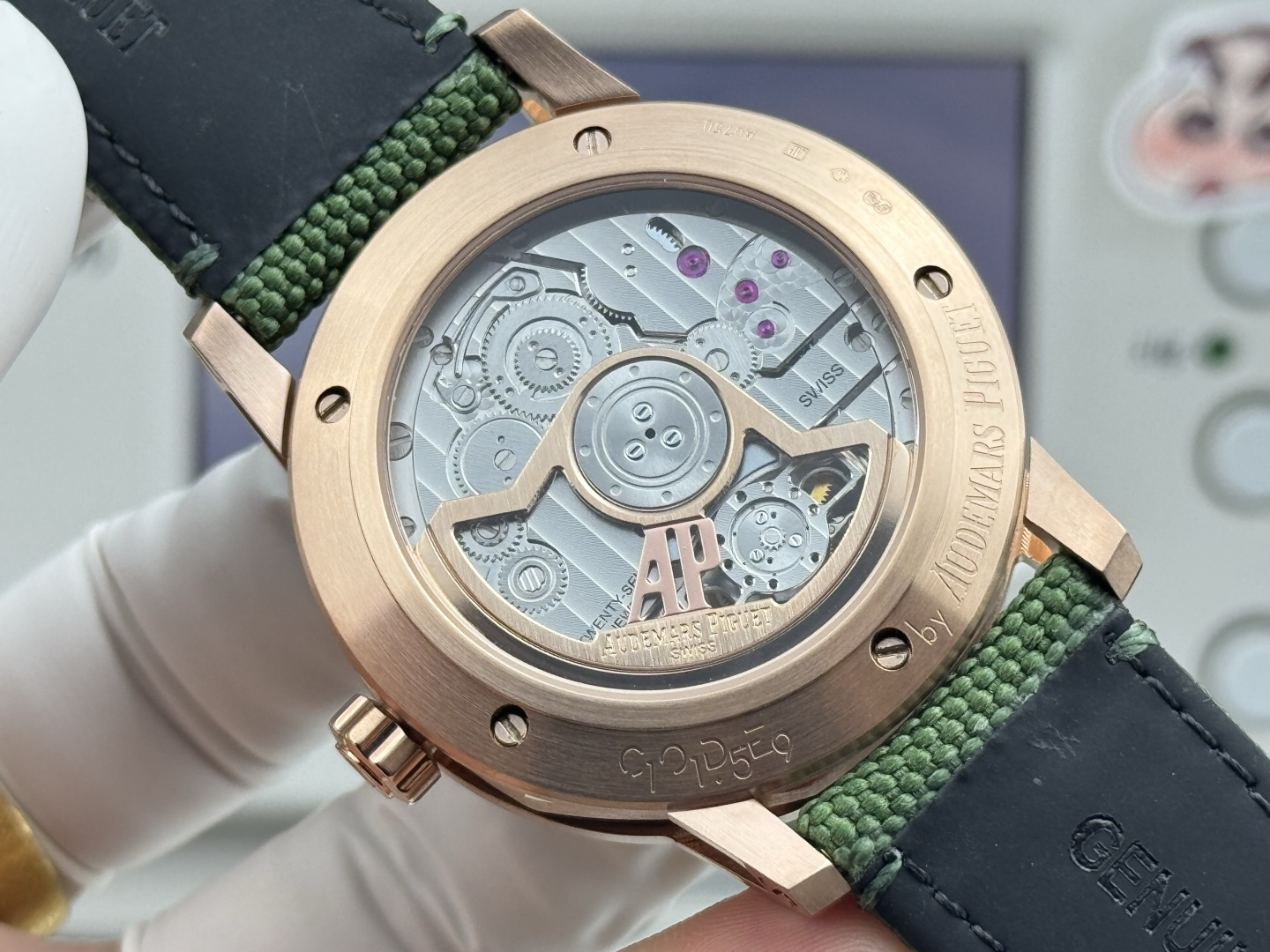
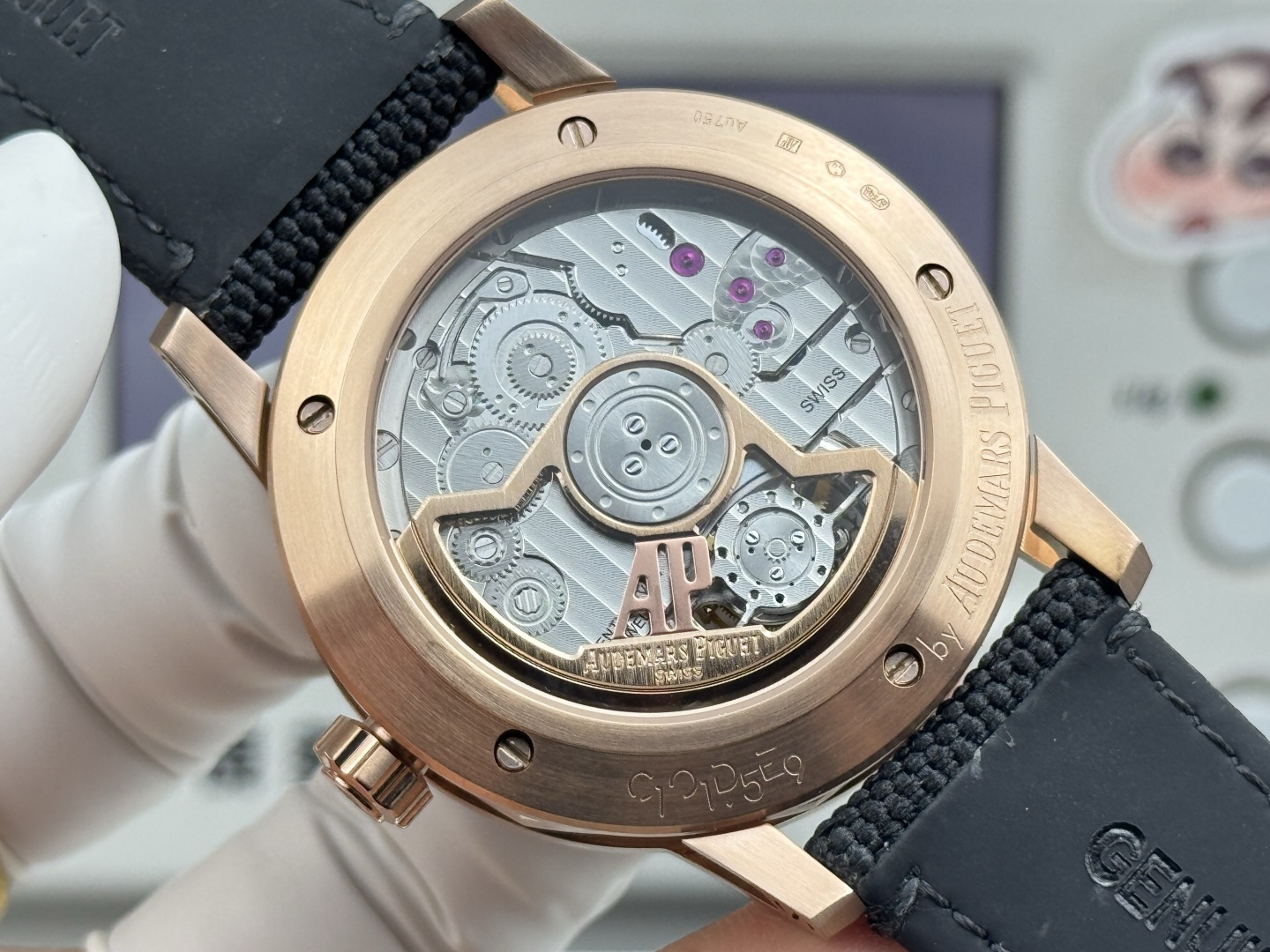
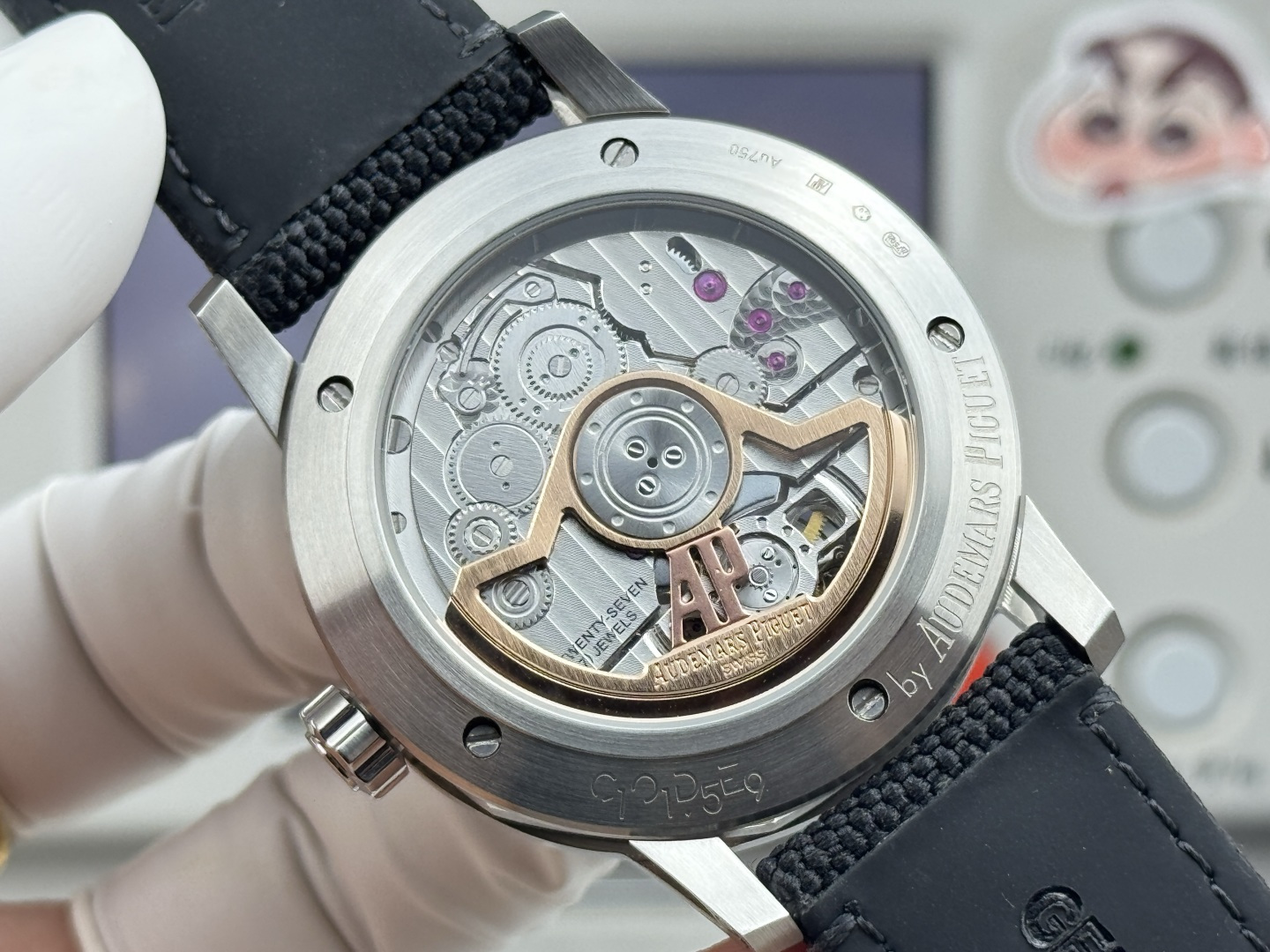
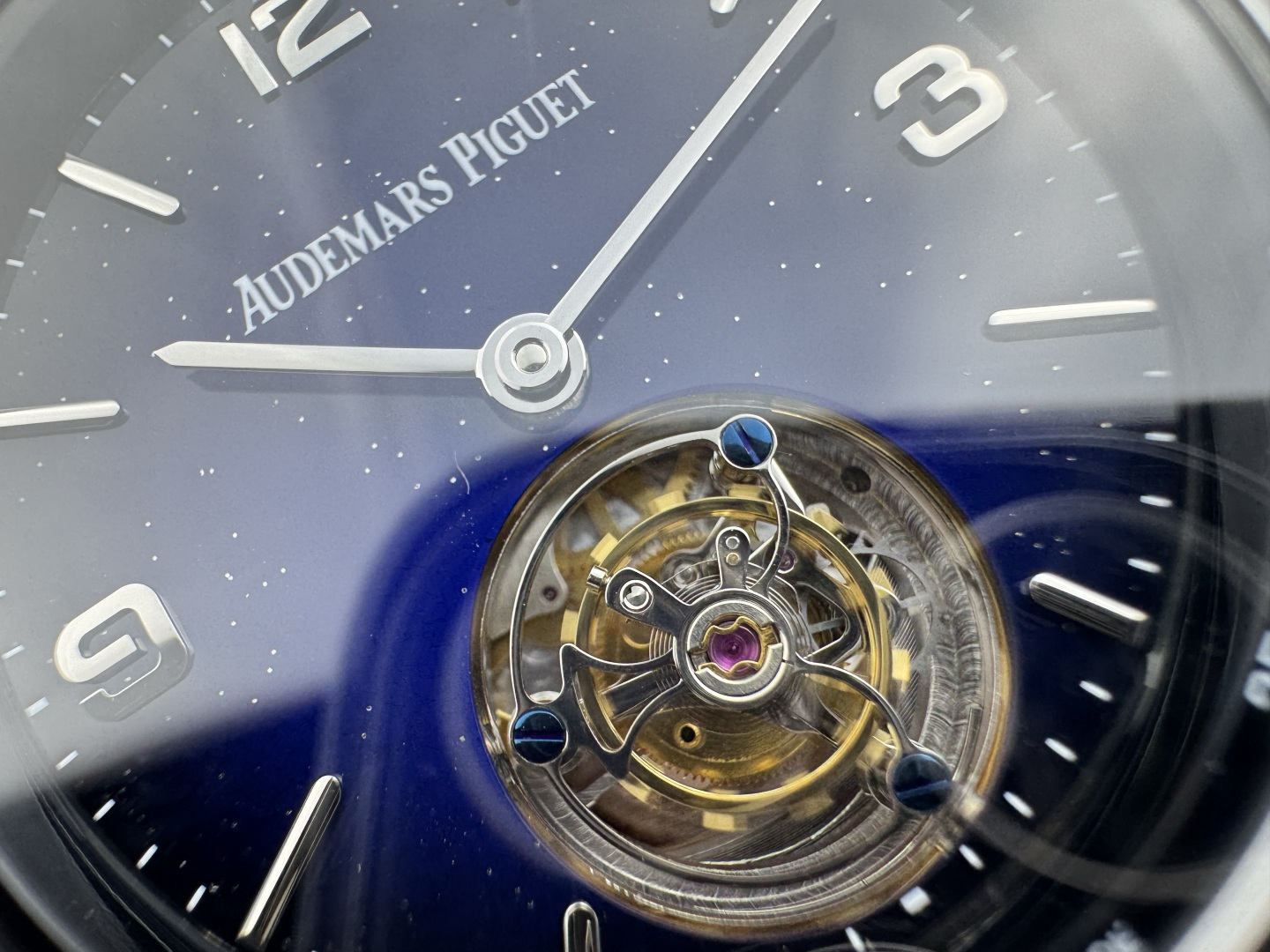
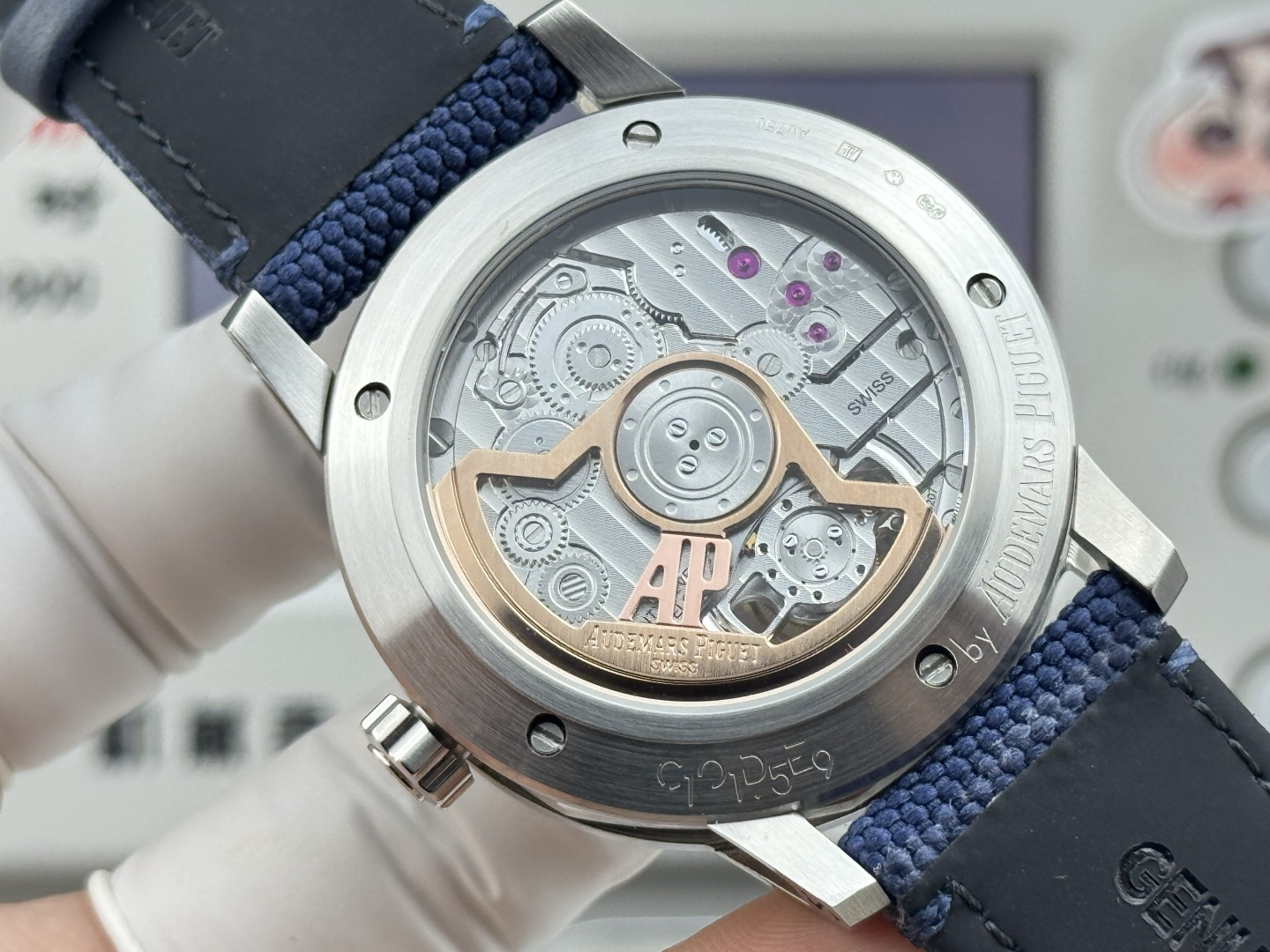
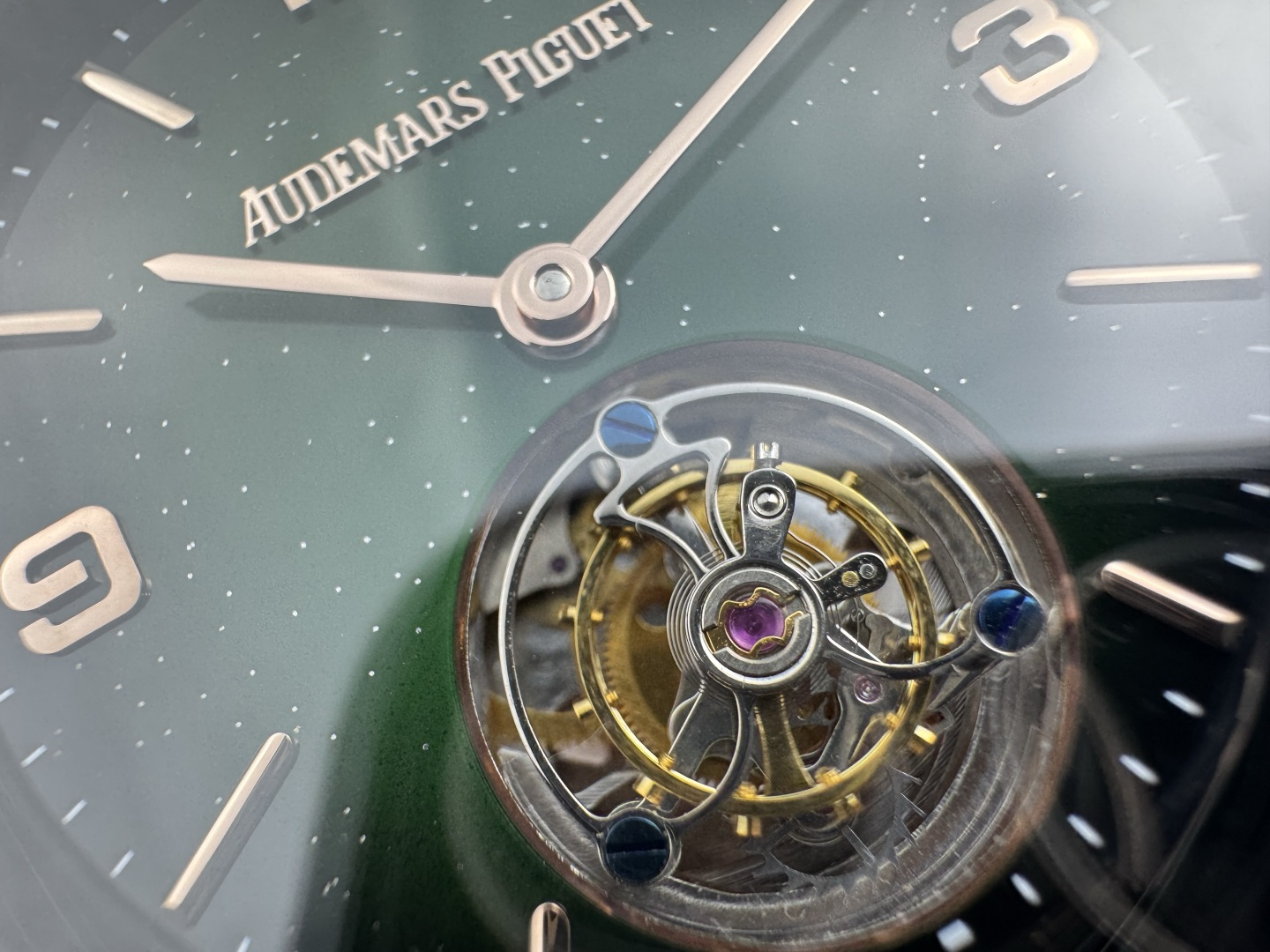
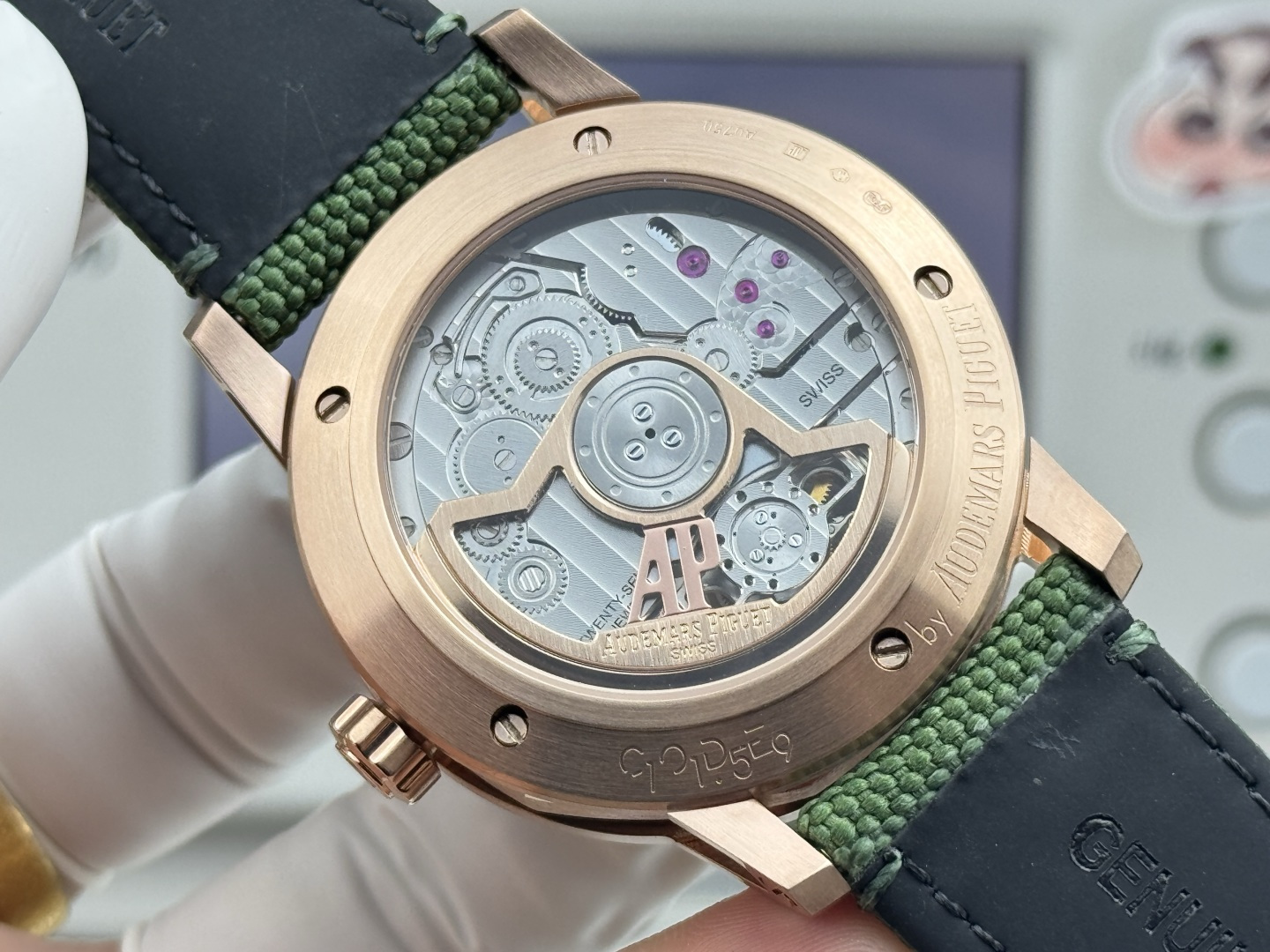
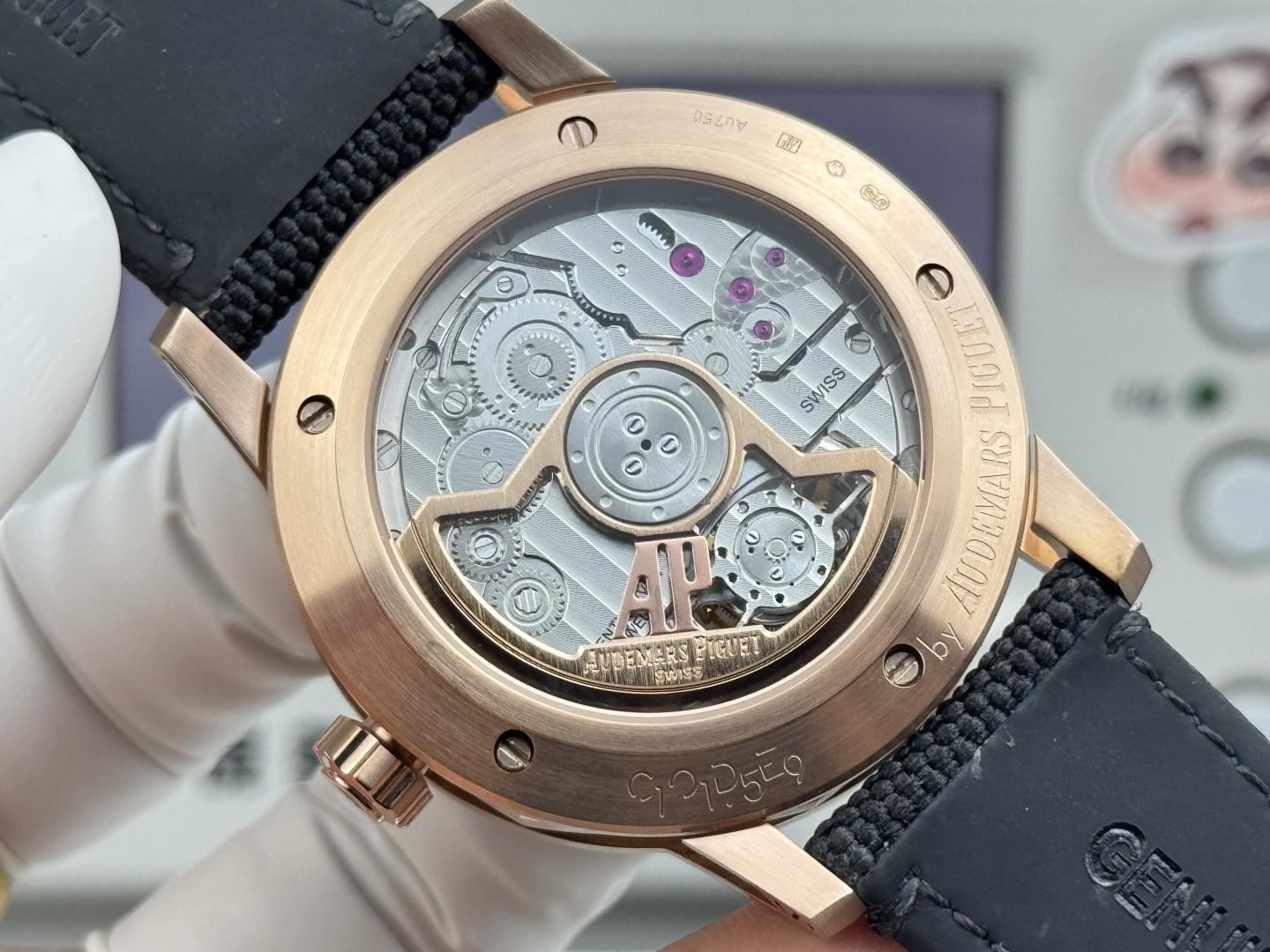
    The spec sheet claims a Cal. 2950 automatic tourbillon movement with 60 hours of power reserve. The genuine AP caliber 2950 is a manufacture movement — skeletonized, with a flying tourbillon at six o’clock, Côtes de Genève decoration on the bridges, perlage on the mainplate, and finishing standards that justify a significant portion of that six-figure retail price. Black polishing on the steel components. Beveled and polished anglage on every visible edge. It is, by any objective standard, a masterclass in visible finishing.

    Open the caseback on this clone — which, to its credit, opens cleanly with a standard case wrench, no stripped threads, no resistance — and you are looking at a movement that is functional but not comparable. The tourbillon cage rotates. The beat rate appears correct by ear, approximately 21,600 vph. The rotor swings freely with minimal wobble. These are the functional basics, and they’re met.

    But the finishing is where the clone’s movement exposes the entire economic reality of what you’re holding. The Côtes de Genève on the bridges is present but shallow — the parallel lines lack the crisp depth of hand-applied Geneva stripes. The perlage on the mainplate is visible but irregular in spacing. The anglage on the tourbillon bridge is rounded rather than sharply chamfered. Under the loupe, you are not looking at haute horlogerie finishing. You are looking at competent industrial production dressed to approximate it.

    The tourbillon cage itself — and this is important — rotates correctly and completes its one-minute revolution consistently. The escapement appears to function without obvious issues. For a wearable daily driver where you want the visual drama of a tourbillon complication, the movement does its job. But anyone who tells you the caliber inside this case is a 1:1 match to the genuine 2950 is selling you something harder to justify than the watch itself.

    The three-piece case construction — bezel, case middle, and caseback — fits together without visible gaps. The brushed finishing on the case exterior, mentioned in the spec sheet, is correctly executed: satin-brushed on the case flanks, high-polish on the bezel and lugs, consistent with the genuine reference’s finishing map.

    The Question That Stays With You

    Here is the thing that I keep coming back to after three days with this piece: the CODE 11.59 was AP’s most controversial modern design at launch, dismissed by a vocal segment of collectors as too baroque, too busy, too much of a departure from the Royal Oak’s austere geometry. Then the waitlists materialized, the grey market prices tripled, and suddenly everyone wanted one. The desire wasn’t purely aesthetic — it was scarcity-induced.

    This clone, on the wrist, in the aventurine dial configuration, is a genuinely beautiful object. The AR coating reads correctly. The case proportions are right. The tourbillon is visible and rotating at six o’clock. A stranger at a dinner table will not know. A fellow collector will need to look carefully and specifically. The movement finishing under the caseback is the honest tell — but the caseback is closed.

    So the question isn’t really whether this is a good clone. It’s a very good clone. The question is what it says about a market where a $150,000 watch is so effectively gatekept that a functional, visually convincing alternative exists and thrives. AP created the demand. The grey market — legitimate and otherwise — simply responded to it. Is the buyer of this piece being deceived, or are they opting out of a system that was already designed to deceive them about the nature of desire and value? I’m not sure I have a clean answer to that. And I’m not sure the industry wants one.

    Watch Details
    Watch Details
    Watch Details
    Watch Details
    Watch Details
    Watch Details
    Watch Details
    Watch Details
    Watch Details
    Additional details
    Additional details
    Additional details
    Additional details
    Additional details
    Additional details
    Additional details
    Additional details
    Additional details
    Additional details
    Additional details
    Additional details
    Additional details
    Additional details
    Additional details
    Additional details
    Additional details
    Additional details
    Additional details
    Additional details
    Additional details
    Additional details
    Additional details
    Additional details
    Additional details
    Additional details
    Additional details
    Additional details
    Additional details
    Additional details
    Additional details
    Additional details
    Additional details
    Additional details
    Additional details
    Additional details
    Additional details
    Additional details
    Additional details
    Additional details
    Additional details
    Additional details
    Additional details
    Additional details
    Additional details
  • The Royal Oak Perpetual You’ll Never Get From a Boutique: A Hard Look at the 26574ST Clone

    Let’s be honest about something. The Audemars Piguet Royal Oak Perpetual Calendar — reference 26574ST — retails somewhere north of $80,000 USD. And that’s if AP’s boutique staff even deign to let you buy one. The waiting list for this particular configuration, the 41mm steel perpetual with the iconic tapisserie dial and full calendar complication stack, is a bureaucratic nightmare dressed up in white gloves and champagne. You’ll need a purchase history. You’ll need a relationship manager. You might need to buy two or three other pieces first just to earn the privilege of spending eighty grand. It is, frankly, one of the more absurd rituals in contemporary luxury retail, and the grey market has been laughing at it for years.

    So when a 1:1 clone of the 26574ST lands on my desk — spec’d with a custom Cal. 5134 movement, 316L stainless steel case, full perpetual calendar functionality, and a stated 41mm diameter — I’m not going to pretend I’m above examining it carefully. This is what I do. And this particular piece, at least on paper, is making some ambitious claims.

    The Retail Absurdity

    The genuine 26574ST is a complication watch in the truest sense. AP’s in-house caliber 5134 is a perpetual calendar movement — it tracks the day, date, month, and moon phase, accounting automatically for months of varying lengths without requiring manual correction until the year 2100. That’s not a trivial engineering achievement. The movement is also exceptionally thin for what it does, which is why the Royal Oak perpetual wears so elegantly on the wrist despite packing a mechanism with hundreds of additional components compared to a simple time-only.

    The boutique experience surrounding this watch, however, has become a parody of itself. AP has masterfully weaponized scarcity in steel. The result is a secondary market where these pieces trade at significant premiums, and a grey-market clone industry that has every financial incentive in the world to produce convincing facsimiles. When the brand itself creates this kind of artificial demand theatre, it shouldn’t surprise anyone that the replica market responds with increasingly sophisticated products.

    When a brand prices a man out of a watch he can technically afford, and then makes him beg for the privilege of buying it anyway, the grey market isn’t the villain in that story. AP wrote this script themselves.

    First Impressions & The Weight of Steel

    Out of the packaging, the first thing you register is the weight. The 316L stainless steel case has reasonable heft — not the precise 150-odd grams of the genuine article on its integrated bracelet, but it sits in the hand with credible density. The Chinese spec sheet claims the shell underwent CNC high-precision processing with density matching the original, and while that’s marketing language, the dimensional work here is genuinely not embarrassing. The 41mm diameter checks out on calipers. Lug-to-lug is close.

    The bezel is where my attention immediately locks. The Royal Oak’s octagonal bezel with its eight exposed hexagonal screws is the most recognized design signature in modern watchmaking. On the genuine piece, those screws are polished and sit with absolute geometric precision in machined recesses. On this clone, the screws are present, they’re polished, and under casual inspection they pass. Under a 10x loupe, the story gets more complicated — the chamfering on the bezel edges shows inconsistency, particularly at the corners where the brushed and polished surfaces meet. On an authentic 26574ST, those transitions are surgical. Here, they’re close but slightly soft, as if the finishing wheel touched the surface a fraction too long at the junction points.
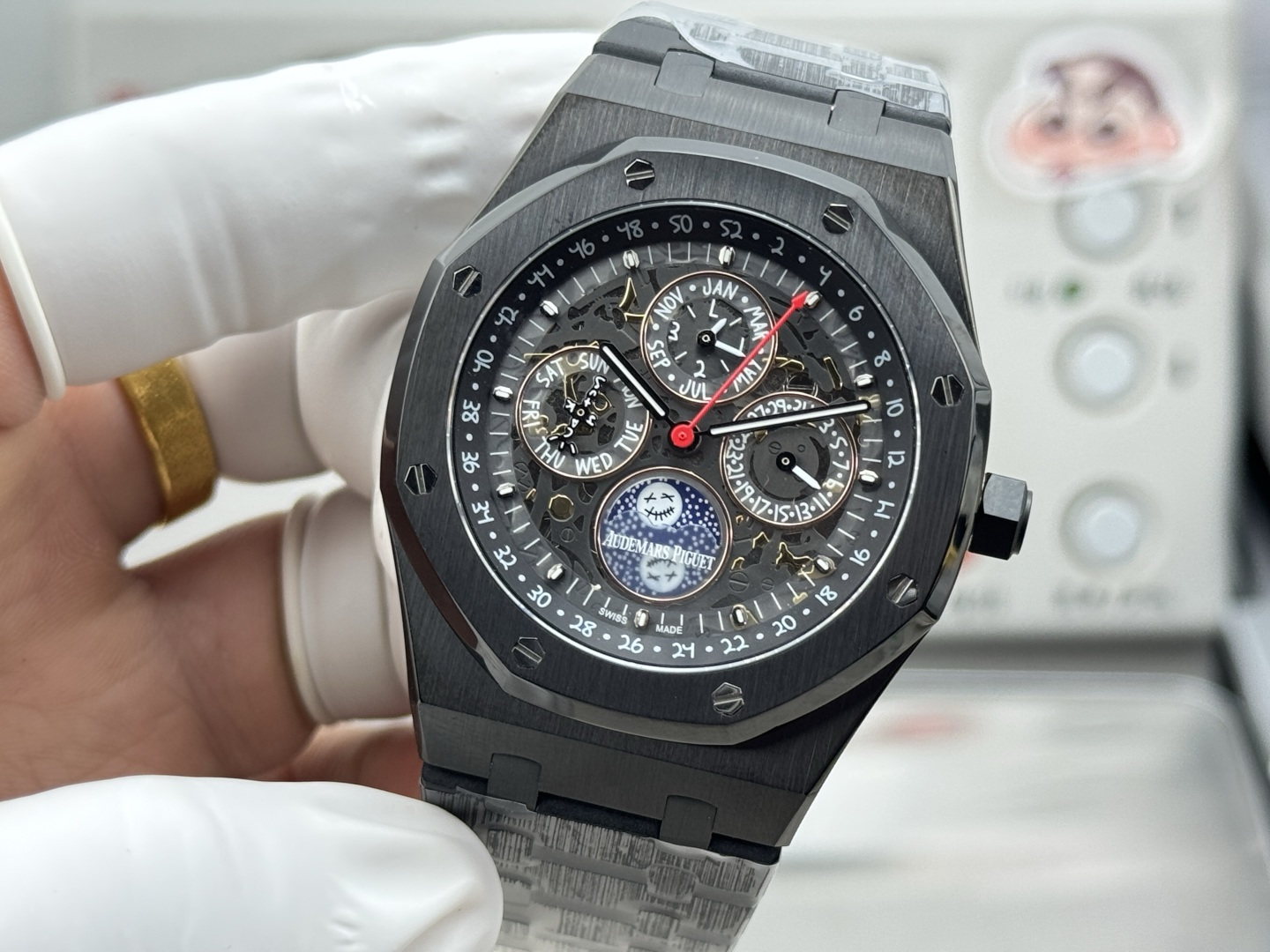
    The bracelet — and this piece was reviewed on the steel configuration — shows SEL articulation that is functional and smooth. The deployant clasp operates without the sticky, gritty resistance you find on lower-tier clones. The integrated bracelet taper from case to clasp follows the correct proportions. Wearing it, the ergonomics are surprisingly good. The case sits flat on the wrist in a way that cheaper replicas often fail to achieve because they get the lug geometry wrong. This one doesn’t entirely fail that test.

    Optical Illusions: The Dial Under Glass

    Here is where I need to spend serious time, because the dial of the Royal Oak perpetual is one of the most demanding surfaces in watchmaking to replicate convincingly. The genuine 26574ST features the Grande Tapisserie pattern — a raised, three-dimensional chequerboard texture across the entire dial surface that interacts with light in a very specific way. The pattern has depth. Under direct light, it produces a shifting, almost holographic effect as you tilt the watch. AP achieves this through a stamping and galvanic process that creates genuine topographic relief on the dial plate.

    On this clone, the tapisserie pattern is present and immediately recognizable. The grid proportions look correct at arm’s length. But place it under a loupe and the relief depth is noticeably shallower than the genuine article. The peaks of the pattern on a real 26574ST have a crispness — almost a knife-edge quality — that this dial doesn’t quite replicate. The texture reads as slightly flatter, slightly more uniform, which paradoxically makes it look more mechanical and less handcrafted. The genuine dial has microscopic imperfections in the pattern that are the byproduct of real tooling and real metalwork. This one is too consistent in the wrong way.

    The sub-dials for day, date, and month sit at the 9, 12, and 3 o’clock positions respectively, with the moon phase aperture at 6. The typography kerning on the day and month displays is one of the most telling details on any perpetual calendar clone. AP uses a very specific typeface with precise letter spacing that is easy to get approximately right and very hard to get exactly right. On this piece, the month abbreviations — JAN, FEB, MAR and so on — are passable but the spacing between characters is marginally too wide. It’s subtle. Most people would never notice. I notice it immediately.

    The AR coating on the sapphire crystal produces a blue-green bloom that is reasonably convincing. Genuine AP crystals show a very specific blue bloom that shifts toward green at oblique angles. This clone’s bloom is slightly more uniform in its blue cast and doesn’t shift as dynamically with angle, suggesting a single-layer AR treatment rather than the multi-layer coating on the original. Hand-stack clearance over the sub-dials is adequate — no dragging, no contact issues during operation.

    The tapisserie pattern on this dial is like a photocopy of a painting. The content is all there. The texture, the depth, the thing that makes it alive — that’s what doesn’t survive the reproduction process.

    Under the Caseback & Exposing ‘The Tell’

    The movement is where the fundamental honesty of any replica lives or dies. This piece runs on what the vendor calls a custom Cal. 5134 — a clone of AP’s genuine caliber 5134 perpetual calendar movement. Let’s be clear about what that means in practice. The genuine 5134 is an in-house AP movement with exceptional hand-finishing: Côtes de Genève striping on the bridges, perlage on the mainplate, black-polished anglage on every component edge, and a rotor with chamfered spokes finished to jeweler standards. The beat rate runs at 19,800 vph (2.75 Hz), which gives the seconds hand a slightly lazy sweep that is characteristic of the piece.

    Opening the caseback — and the three-piece case construction here is shell, bezel, and caseback as specified, which is correct — reveals a movement that is visually organized in the manner of a perpetual calendar. The calendar mechanism components are present and the functions do operate: advancing the date wheel manually, watching the month display click forward, seeing the moon phase disk rotate. Functionally, for daily wearing purposes, this movement does what it claims to do.

    But the finishing. The Côtes de Genève on the bridges is machine-applied and shows the tell-tale uniformity of a CNC process rather than hand-applied striping — the lines are too perfect in their spacing and too shallow in their depth. The rotor, on a genuine 5134, has a 22-carat gold oscillating weight with anglage that catches light like a mirror. Here, the rotor is a brushed metal component that gets the shape approximately right but none of the surface finishing. The balance wheel runs — amplitude seems reasonable, the watch keeps acceptable time in my initial tests — but there is no visible perlage on the mainplate visible through the exhibition caseback window, just a flat, grey surface that tells you exactly where the manufacturing budget was allocated.

    This is The Tell, and it’s always the movement. Every single time. You can get the case geometry close. You can get the dial pattern close. You can get the bracelet weight close. But finishing a movement to haute horlogerie standards requires human hands, time, and skill that cannot be replicated at this price point. The caseback window, rather than being a feature, becomes a confession.

    The Question That Doesn’t Go Away

    Here is the thing I keep returning to after spending two days with this piece. The 26574ST clone is, by the standards of the replica market, a genuinely competent piece of industrial production. The case work is better than most. The dial, despite its shallow tapisserie and slightly loose typography, reads correctly from social distance. The perpetual calendar functions work. Someone wearing this at a dinner table, across from someone who owns the genuine article, might — might — get away with it.

    But that framing already tells you something uncomfortable about what we’re actually evaluating here. We’re grading on a curve that has nothing to do with watchmaking and everything to do with performance and deception distance. The genuine 26574ST exists as a functional art object, a mechanical calendar that will accurately track the Gregorian calendar for generations, finished by craftspeople whose skill represents decades of accumulated practice. This clone exists to look like that object from a comfortable social distance.

    Whether that’s enough depends entirely on what you’re actually buying it for. And that’s a question only you can answer — but I’d encourage you to answer it honestly, because the movement under that caseback certainly will.

    Watch Details
    Watch Details
    Watch Details
    Watch Details
    Watch Details
    Watch Details
    Watch Details
    Watch Details
    Watch Details
    Additional details
    Additional details
    Additional details
    Additional details
    Additional details
    Additional details
    Additional details
    Additional details
    Additional details
  • The Perpetual Pretender: Putting the AP Royal Oak 26574ST Clone Through Its Paces

    The Audemars Piguet Royal Oak Perpetual Calendar — ref. 26574ST — is not a watch you stumble into. It sits at the absolute apex of AP’s steel sports watch lineage, a 41mm perpetual calendar built around the in-house Cal. 5134 with a moon phase complication that’s accurate to one day in 122 years. Retail? North of $70,000 USD. It’s a watch that demands serious horological credentials from anyone who wears it. And now, the grey-market clone factories have taken their most ambitious swing at it. So let’s talk about what they actually delivered.

    I’ve had this piece on my wrist for three weeks. I’ve been under a 10x loupe, I’ve photographed it next to reference images of the genuine article, and I’ve worn it through the full gamut — boardrooms, dive bars, airport lounges. What follows is the unfiltered, technically honest assessment you’re not going to get from the promotional copy written in Shenzhen.

    Confronting the Clone: Why the 26574ST Is the Hardest AP to Fake

    Most Royal Oak clones target the 15202 or the 15500 — simpler three-hand configurations where the dial is relatively uncluttered and the movement inside just needs to tick convincingly. The 26574ST is a completely different animal. You’re dealing with a perpetual calendar. That means four additional sub-dials — day, date, month, and moon phase — all crammed into the iconic tapisserie dial without destroying AP’s legendary visual balance. The genuine Cal. 5134 is a 374-component movement with a 40-hour power reserve and a 19,800 vph beat rate. It’s one of the most legible perpetual calendar dials ever executed in watchmaking.

    This is exactly why clone manufacturers fear this reference. There’s nowhere to hide. Every sub-dial proportion, every hand-stack clearance, every printed index has to sit in precise geometric harmony with the others or the whole composition collapses. The factory behind this piece claims a “custom Cal. 5134” movement and 316L stainless steel with CNC-processed finishing. Bold claims. Let’s see if the execution backs them up.

    The Dial Execution: Where the Devil Lives in the Details

    The tapisserie guilloché on the genuine 26574ST is machined directly into the dial plate — a raised, three-dimensional texture that catches light differently from every angle. On the clone, this is where you start to see the compromises almost immediately under magnification. The pattern is present and recognizable, but it’s shallower. The peaks of each square pyramid lack the crisp, almost razor-sharp definition of the AP-machined original. Under the 10x loupe, the genuine article looks like a micro-architectural grid; the clone looks like a very good photograph of that grid printed on a slightly soft surface. It’s subtle. At arm’s length, across a dinner table, nobody is catching this. But it’s there.

    The sub-dial layout — day at 10 o’clock, date at 4, month at 8, and the moon phase aperture at 6 — is geometrically accurate in terms of positioning. Whoever did the dial template work here was clearly working from a high-resolution reference. The proportions are right. What betrays the clone is the pad-printing quality on the sub-dial chapter rings and the text. On the genuine, the typography for “AUDEMARS PIGUET” and “ROYAL OAK” is applied with a crispness that borders on the surgical — the kerning is tight, the letterforms are consistent, and there’s zero feathering at the edges of each character. On this clone, running a loupe across the brand signature reveals minor ink bleed on the letters “M” and “G” in particular. The serifs on the typeface are slightly heavier than they should be, giving the text a fractionally bolder appearance that doesn’t match the refined, almost etched quality of the original.

    The moon phase disc deserves its own paragraph. The genuine 26574ST features a deep blue moon phase disc with hand-applied gold stars — a detail that’s genuinely beautiful and technically demanding. The clone uses a printed disc. The stars are flat, printed in gold ink rather than applied as individual elements. The moon itself is rendered competently, but the depth and dimensionality of the original is simply absent. This is not a catastrophic failure — it reads correctly from normal viewing distance — but it’s a meaningful downgrade in execution.

    The tapisserie pattern on a genuine AP is a machined topography. On this clone, it’s a very convincing approximation — and in watchmaking, “very convincing approximation” and “correct” are not the same sentence.

    Lume application on the indices is adequate. The applied baguette indices themselves are well-fitted to the dial — no visible gaps, no lifting at the edges. The lume fill is even and charges reasonably under UV. Nothing to complain about here; it’s actually one of the stronger elements of the dial package.

    Wearability & SEL Flushness: The Bracelet Question

    The Royal Oak’s integrated bracelet is the single most technically demanding element of the entire watch to replicate. The SEL articulation on the genuine AP is a masterclass in engineering — each link transitions with a weighted, almost liquid smoothness, and the solid end links sit flush against the case at a specific angle that required AP’s engineers years to perfect. The bracelet taper from 20mm at the case to the deployant clasp is executed with a precision that makes lesser bracelets feel like cheap toys by comparison.

    On this clone, the bracelet is the second-best thing about the package, which is either encouraging or damning depending on your perspective. The SEL flushness is close — genuinely close. The integration angle is right. The links articulate without that cheap rattle that plagued earlier-generation AP replicas. The satin-brushed finishing on the flat surfaces and the polished chamfering on the edges are executed with reasonable competence. The deployant clasp functions properly and has a satisfying, if slightly hollow-sounding, click on closure.

    Where it falls apart is in the micro-details of the brushing direction. On a genuine Royal Oak bracelet, the satin finishing is applied with a consistency and depth that gives the steel a almost velvety directional texture. On this clone, the brushing is slightly inconsistent across the individual links — some links read slightly brighter, some slightly duller, suggesting the finishing process lacks the uniformity of the original. It’s a 10x loupe observation, not a naked-eye failure, but it’s there.

    The 41mm case wears beautifully. Lug-to-lug dimensions are correct, and the ergonomics on the wrist are exactly what you’d expect from this case architecture. The crown has appropriate resistance and the winding action is smooth enough that I have no serious complaints.

    Mechanical Execution: The “Custom Cal. 5134” Claim

    Let’s be direct about what “custom Cal. 5134” means in the context of a clone manufacturer’s product sheet. It does not mean a 374-component perpetual calendar movement manufactured to Geneva Seal standards. What it means, in practical terms, is a movement that executes all the calendar functions — day, date, month, moon phase — and does so reliably. The perpetual calendar mechanism on this clone does function. All four complications respond correctly to the quick-set pushers integrated into the case. The moon phase advances. The month display cycles properly. This is not nothing — executing a working perpetual calendar at this price point requires genuine engineering effort, and the factory deserves credit for not cutting corners and delivering a display-only or non-functional complication.
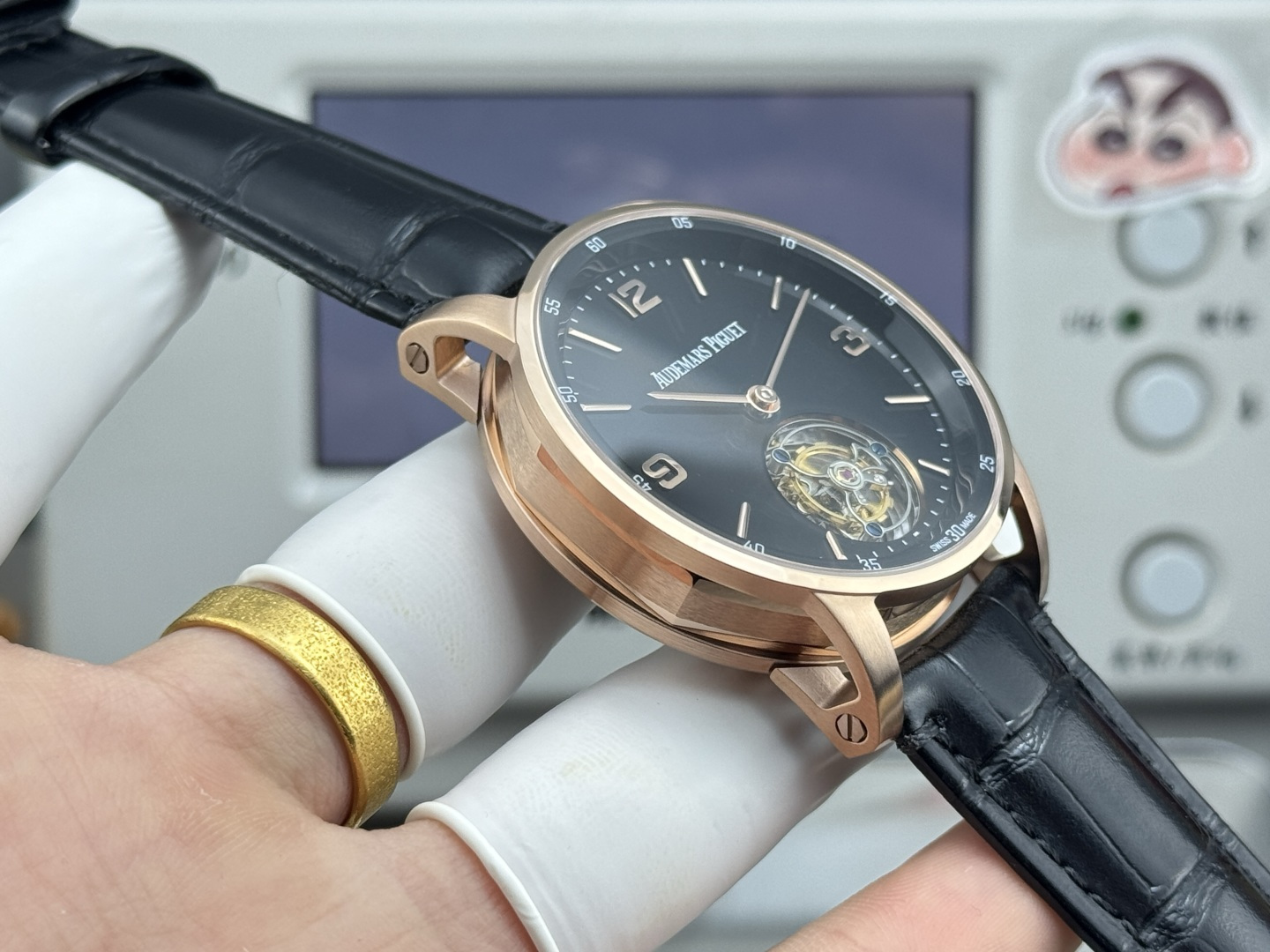
    A clone movement that actually executes a perpetual calendar is worth more respect than a clone movement with a pretty rotor and nothing behind it. Function matters. But let’s not confuse “it works” with “it’s good.”

    The movement finishing, visible through the exhibition caseback, tells the more honest story. The Côtes de Genève striping on the bridges is present but lacks the depth and regularity of the genuine article. The perlage on the mainplate is there in concept — circular graining applied to the surfaces — but the pattern is less uniform than AP’s in-house finishing. The rotor has a satin-brushed finish that’s acceptable but shows none of the hand-beveled anglage that makes the genuine Cal. 5134’s rotor such a pleasure to observe. The balance wheel runs at a beat rate that feels correct — I don’t have a timing machine on me right now, but the watch has kept time within roughly ±15 seconds per day across my testing period, which is honestly better than I expected.

    The Definitive Flaw

    If I had to identify the single element that would betray this watch to a knowledgeable observer in a casual social setting — not under a loupe, just in normal light — it’s the AR coating on the sapphire crystal. The genuine AP 26574ST uses a multi-layer anti-reflective coating that produces a very specific, very subtle blue-green bloom when light hits the crystal at a low angle. It’s a recognizable visual signature that AP collectors know intimately. The clone’s crystal produces a different bloom — more of a flat blue, slightly more aggressive in its reflectivity, without the nuanced color shift of the original. It’s the kind of detail that a non-collector will never notice. But anyone who has spent real time around genuine Royal Oaks will clock it within thirty seconds of picking up the watch.

    Final Takeaway

    This is the most technically ambitious AP clone I’ve handled. The perpetual calendar functions work. The case architecture is accurate. The bracelet integration is the best I’ve seen on a Royal Oak replica at this tier. And yet the cumulative weight of the compromises — the shallow guilloché, the pad-printing quality on the typography, the moon phase disc, the AR coating bloom — means this sits firmly in the category of “impressive clone” rather than “dangerous fake.” For grey-market collectors who understand exactly what they’re buying, this represents a genuinely interesting piece. For anyone trying to pass this off as the real thing to someone who actually knows the 26574ST? The loupe will find you.

    Watch Details
    Watch Details
    Watch Details
    Watch Details
    Watch Details
    Watch Details
    Watch Details
    Watch Details
    Watch Details
    Additional details
    Additional details
    Additional details
    Additional details
    Additional details
    Additional details
    Additional details
    Additional details
    Additional details
    Additional details
    Additional details
    Additional details
    Additional details
    Additional details
    Additional details
    Additional details
    Additional details
    Additional details
  • Aventurine, Tourbillon, and a $500 Price Tag: The CODE 11.59 Clone That Refuses to Be Ignored

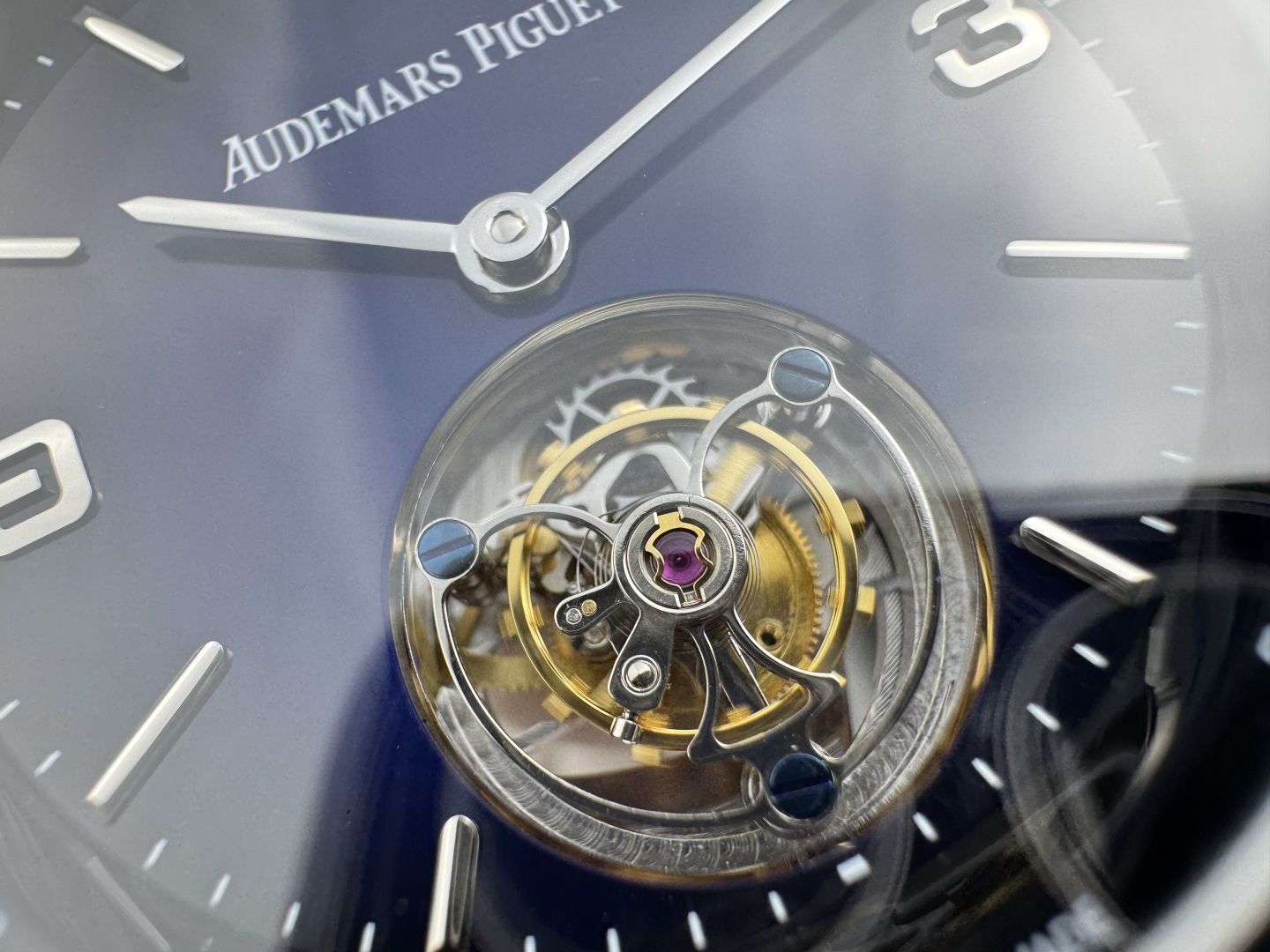
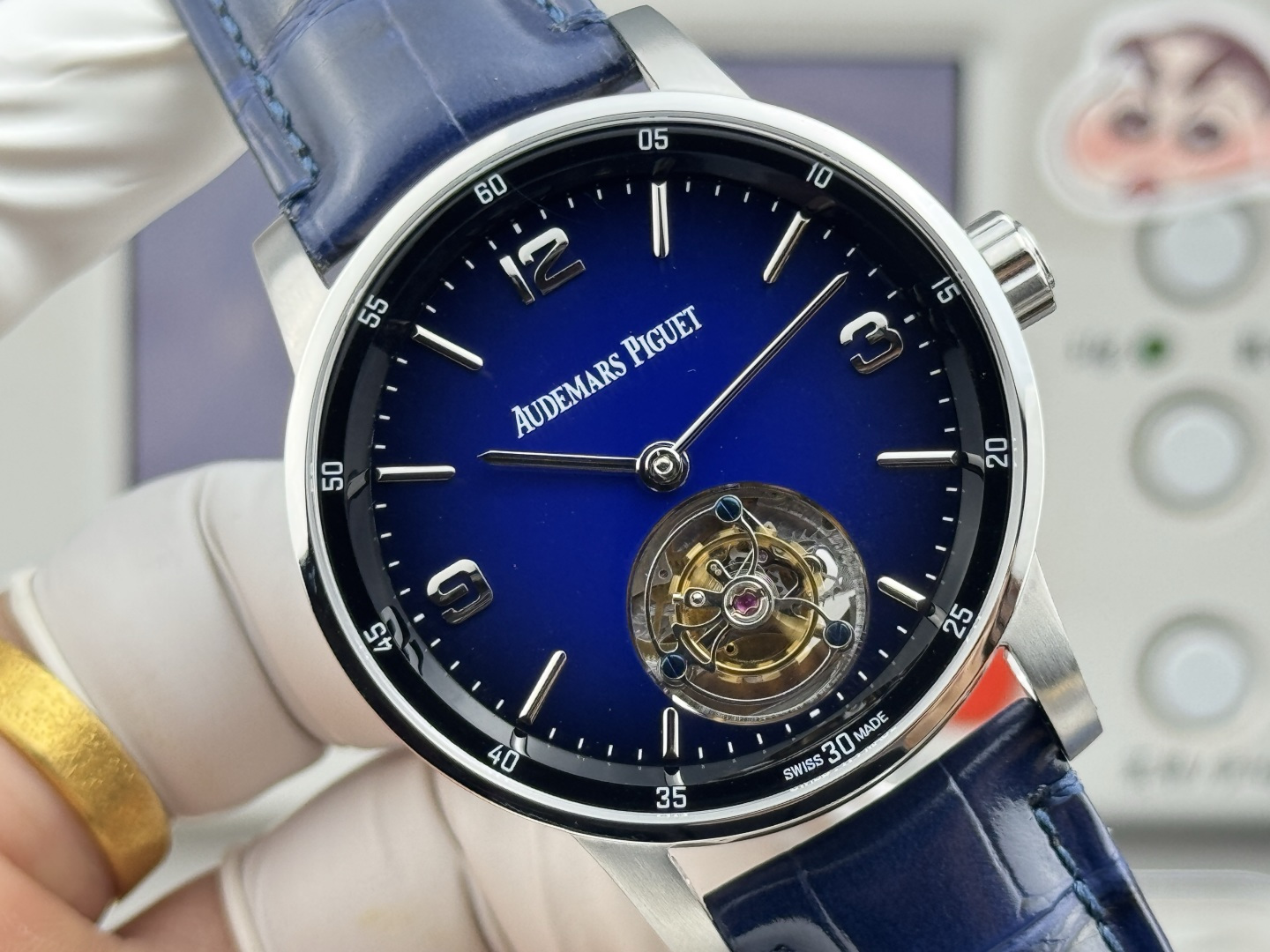
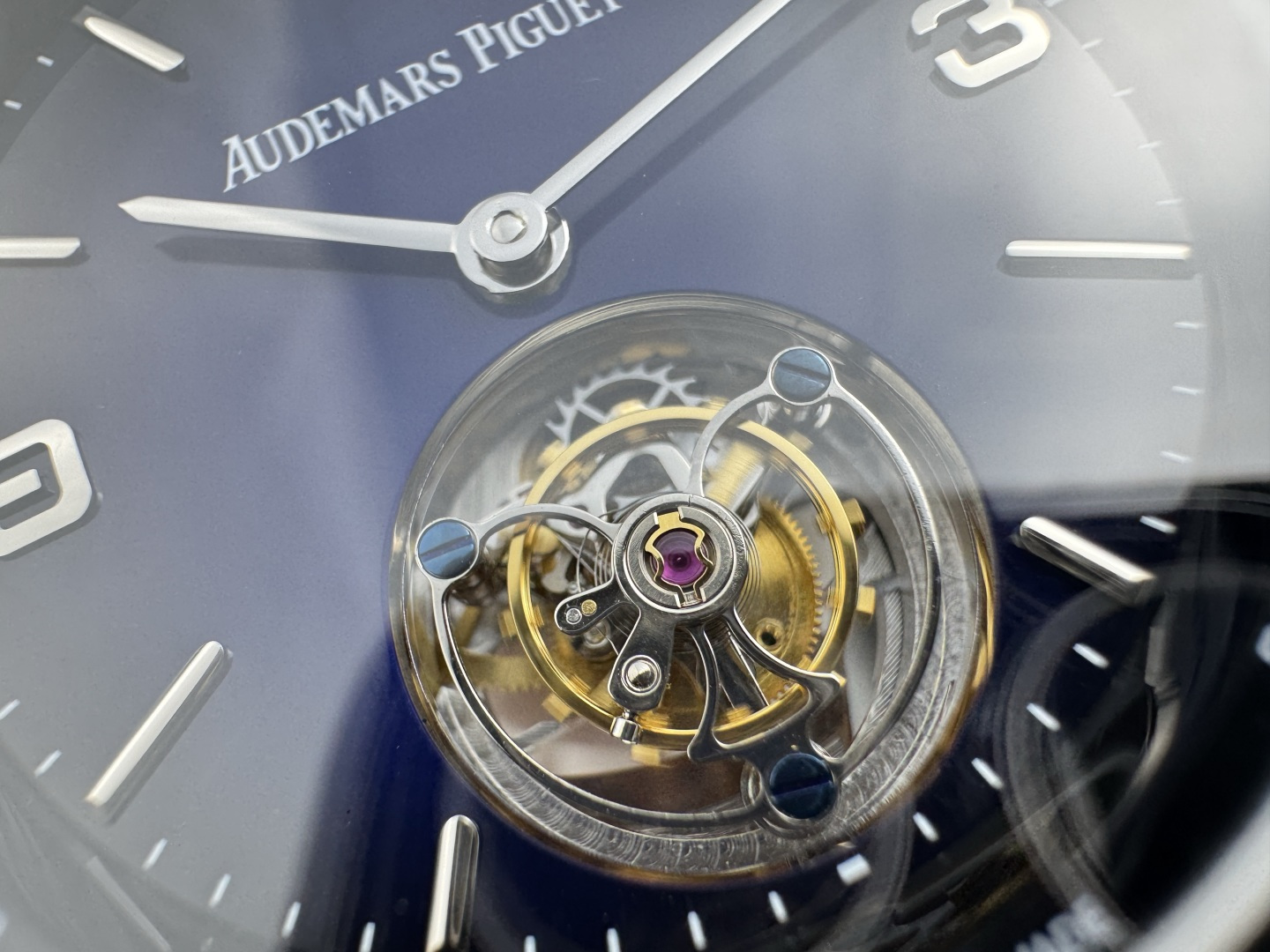
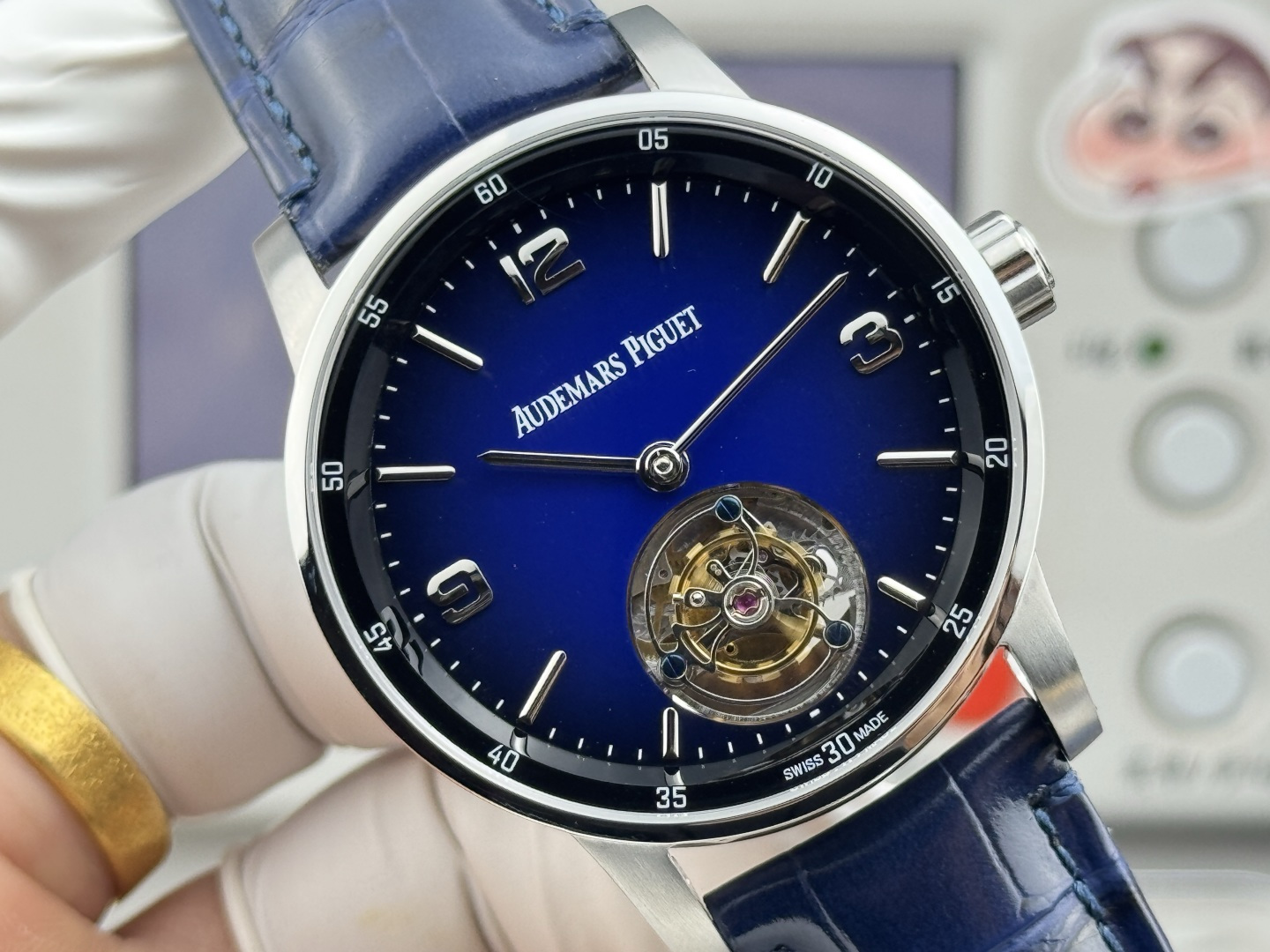
    Let’s be honest about what Audemars Piguet’s CODE 11.59 is. When it dropped in 2019, the watch press collectively winced. The internet had opinions. Loudly. A case that looked like it couldn’t decide between a cushion and a round, a dial architecture that polarized collectors, and a price point that demanded you either be a true believer or a very confused tourist. Yet here we are, years later, and the reference 26396 — specifically the tourbillon variant with that deep, cosmic aventurine enamel dial — has quietly, stubbornly, become one of the most visually arresting things AP has put out in the post-Royal Oak era. Which makes the grey-market replica ecosystem’s attempt at cloning it genuinely fascinating. Because if you’re going to fake something, faking something this architecturally complex is either courageous or delusional. Let’s find out which.

    Horological Context & Market Reality

    The genuine AP 26396BC.GG.1232BC.01 — or whichever metal variant you’re cross-referencing — runs north of $350,000 USD at retail. It houses the hand-wound Caliber 2952, a skeletonized flying tourbillon of extraordinary pedigree, with finishing that would make a Vallée de Joux craftsman weep with professional pride. The dial is Grand Feu aventurine enamel, meaning actual powdered glass fused at temperatures exceeding 800°C onto a copper substrate, producing that signature galaxy-depth shimmer with suspended golden particles that catch light at angles no photograph truly captures.

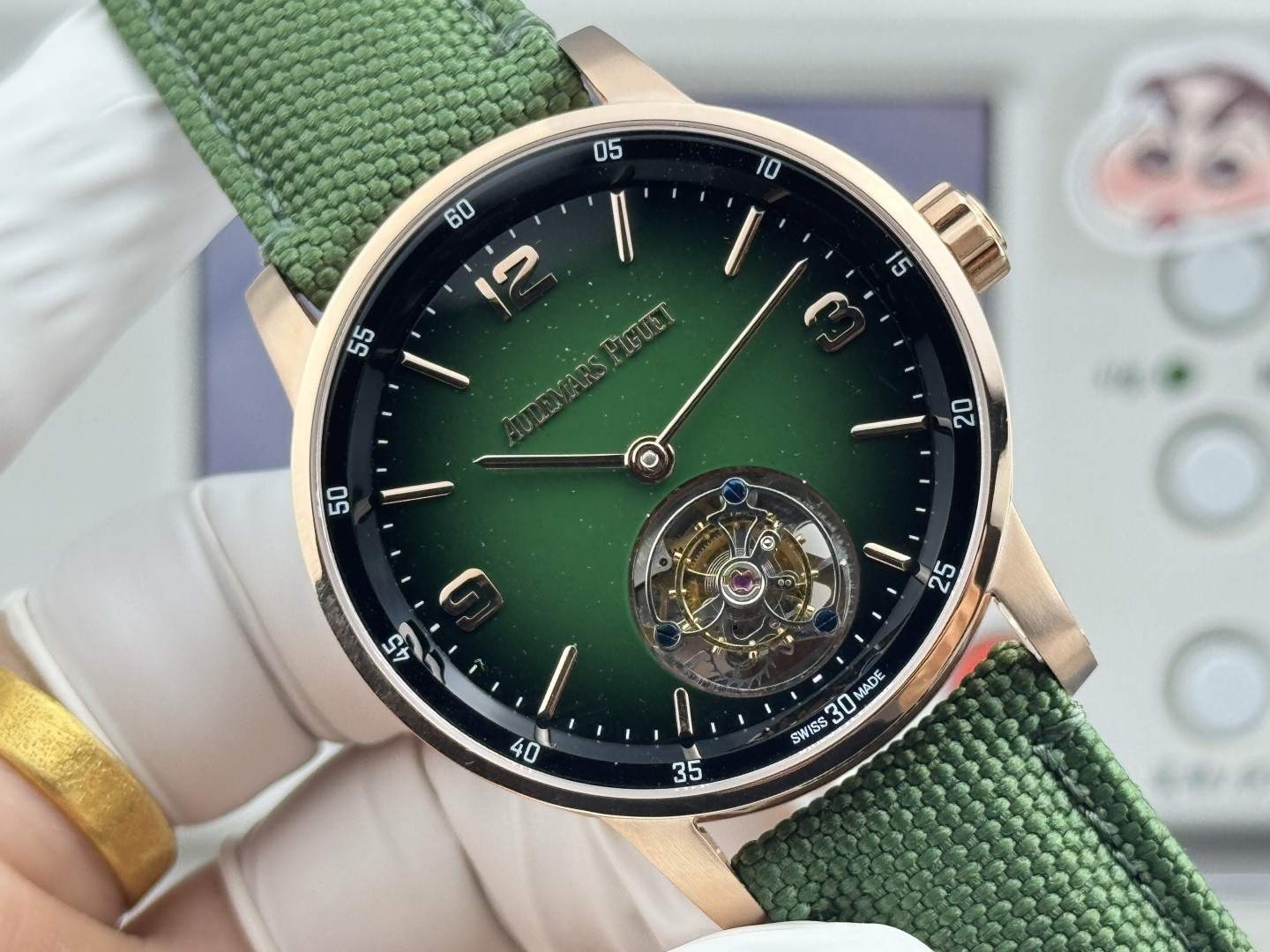
    Now, the replica market’s answer to this is the piece on my bench today, claiming a Cal. 2950 automatic tourbillon movement, a 42mm 316L stainless steel case, and — crucially — what the Chinese spec sheet calls a 砂金石珐琅表盘, or aventurine enamel dial. That last claim alone is worth the price of admission for scrutiny. Because if they’ve pulled off even a passable aventurine simulation at this price tier, that changes the conversation about what grey-market manufacturing is currently capable of.

    The CODE 11.59 was always going to be a clone-maker’s nightmare. The case geometry alone — that inner round case within an outer cushion case, with a sapphire crystal that curves at the flank — requires CNC precision that most factories simply won’t invest in for a replica run. So the first question isn’t about the movement. It’s about whether the case even makes geometric sense.
    Case Architecture & Ergonomic Drape

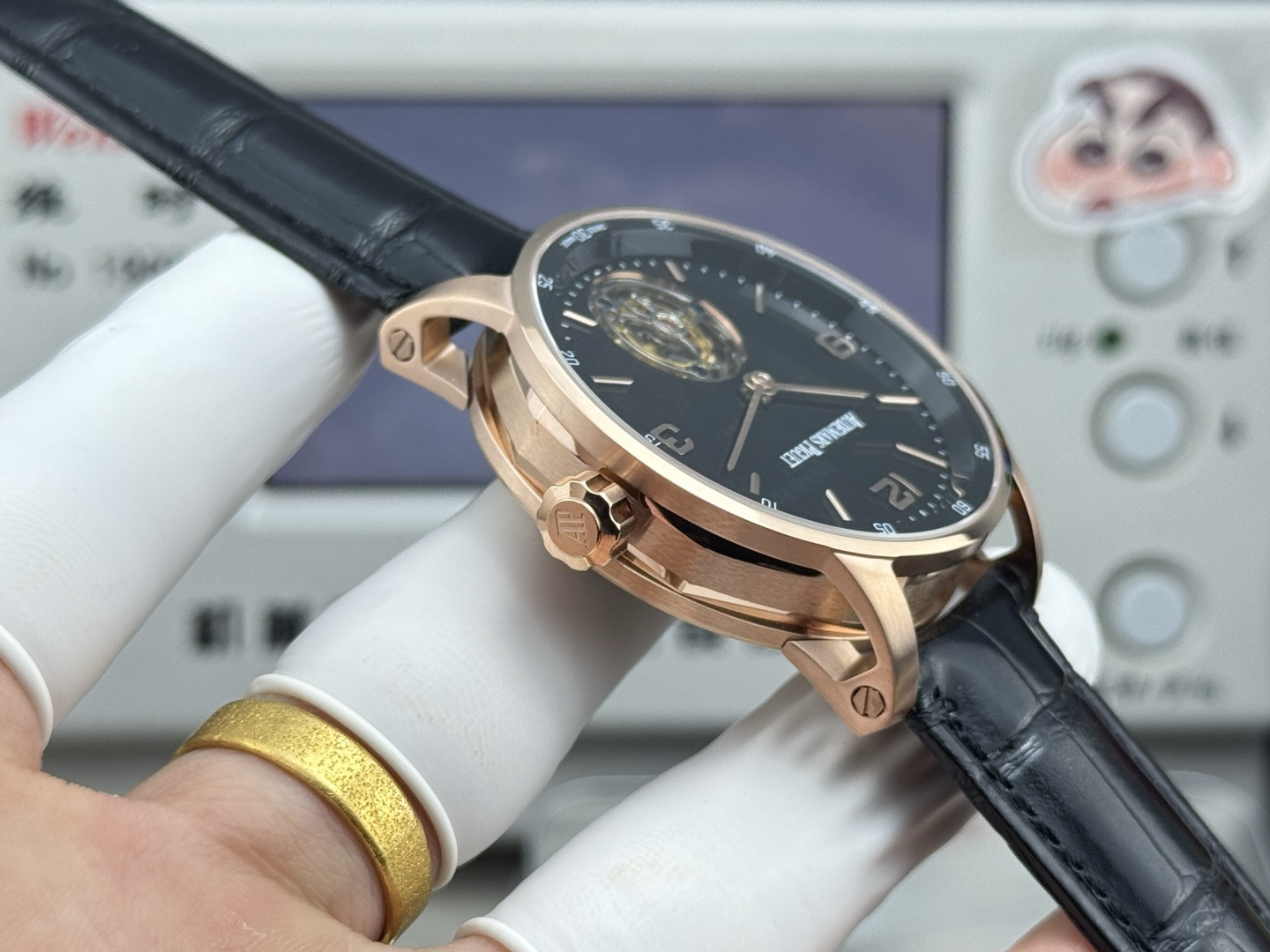
    On the wrist, the first thing you register is the weight. At 42mm, the 316L steel construction gives this piece a solid, planted feel that isn’t unpleasant. The lug-to-lug measurement sits comfortably within range for a mid-sized male wrist — not the featherweight of titanium, not the brick-like heft of a poorly balanced case, but somewhere serviceable in between.

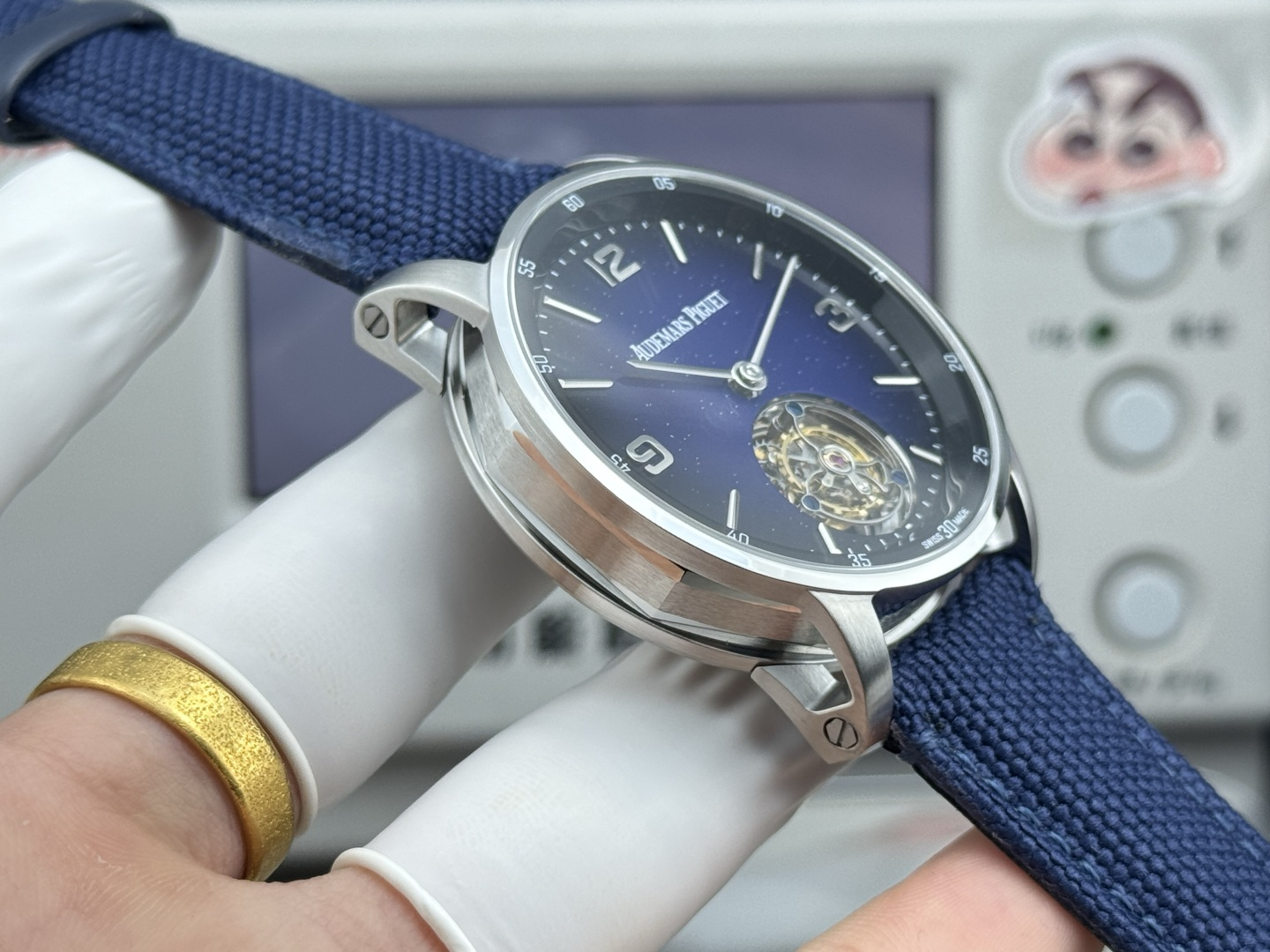
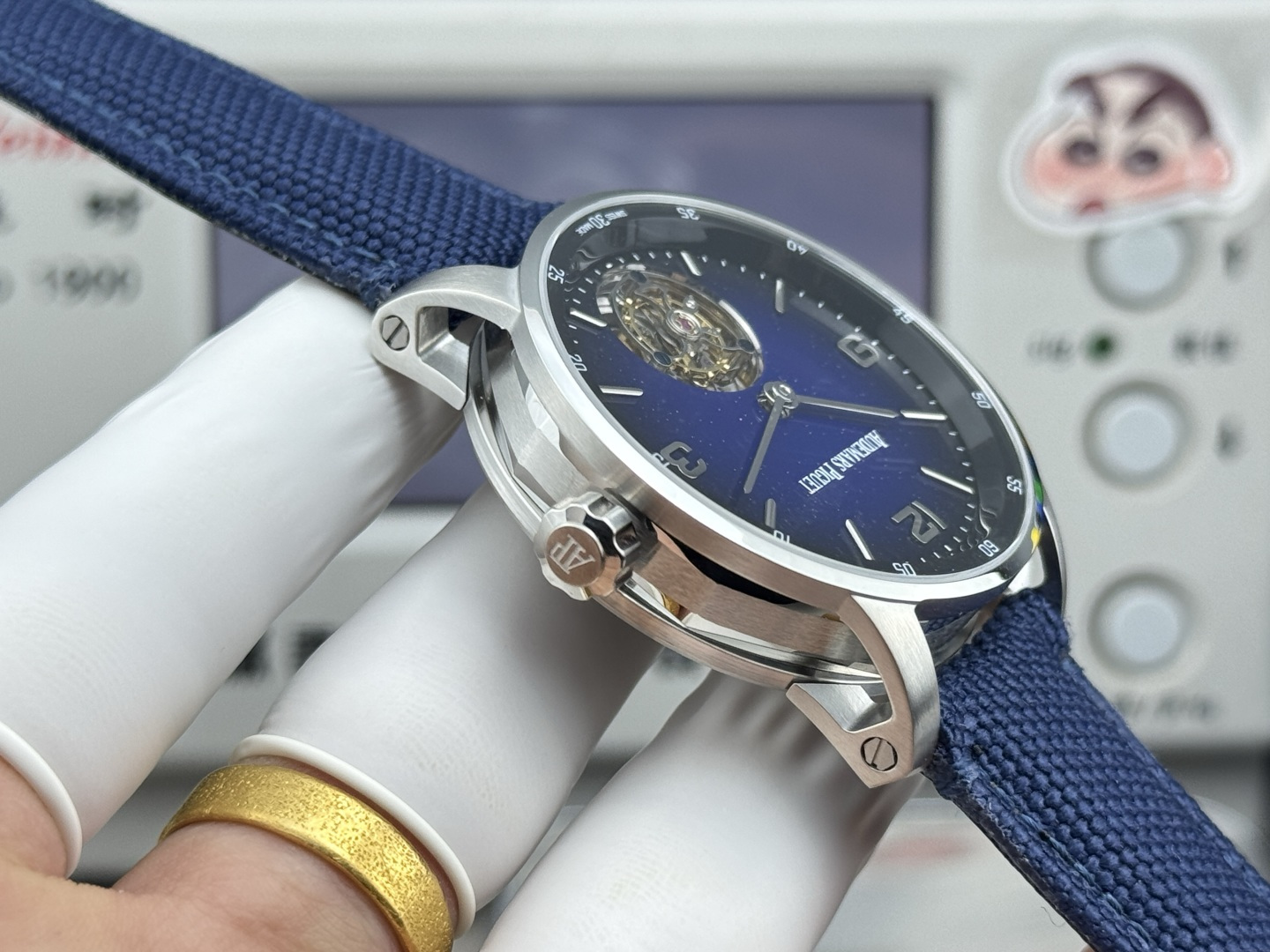
    The bezel is where things get interesting and where the CNC work either earns its keep or exposes the factory’s limitations. On the genuine CODE 11.59, the bezel is a polished, faceted architectural element that creates a visual separation between the case flanks and the dial plane. Here, the anglage — the chamfering along the bezel’s edges — is present, but it lacks the knife-edge sharpness you’d find after hand-finishing. Under a 10x loupe, the transitions between the satin-brushed surfaces and the polished bevels show minor inconsistencies. Not catastrophic. Not invisible either. The brushing direction on the lugs is correct, running longitudinally as it should, and the alternating finishing between lugs and case flanks has been thought about, which is more than you can say for the average clone from three years ago.
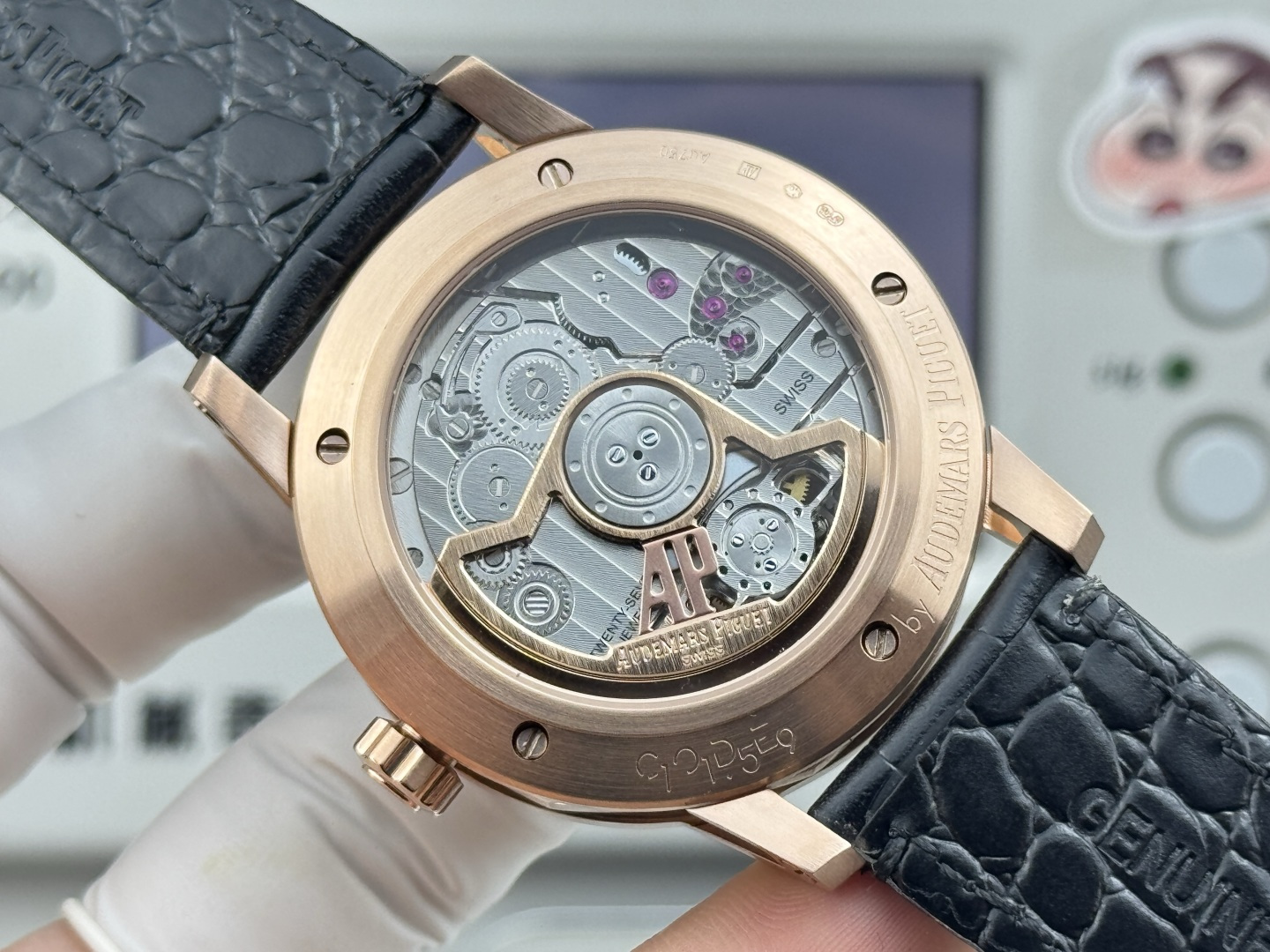
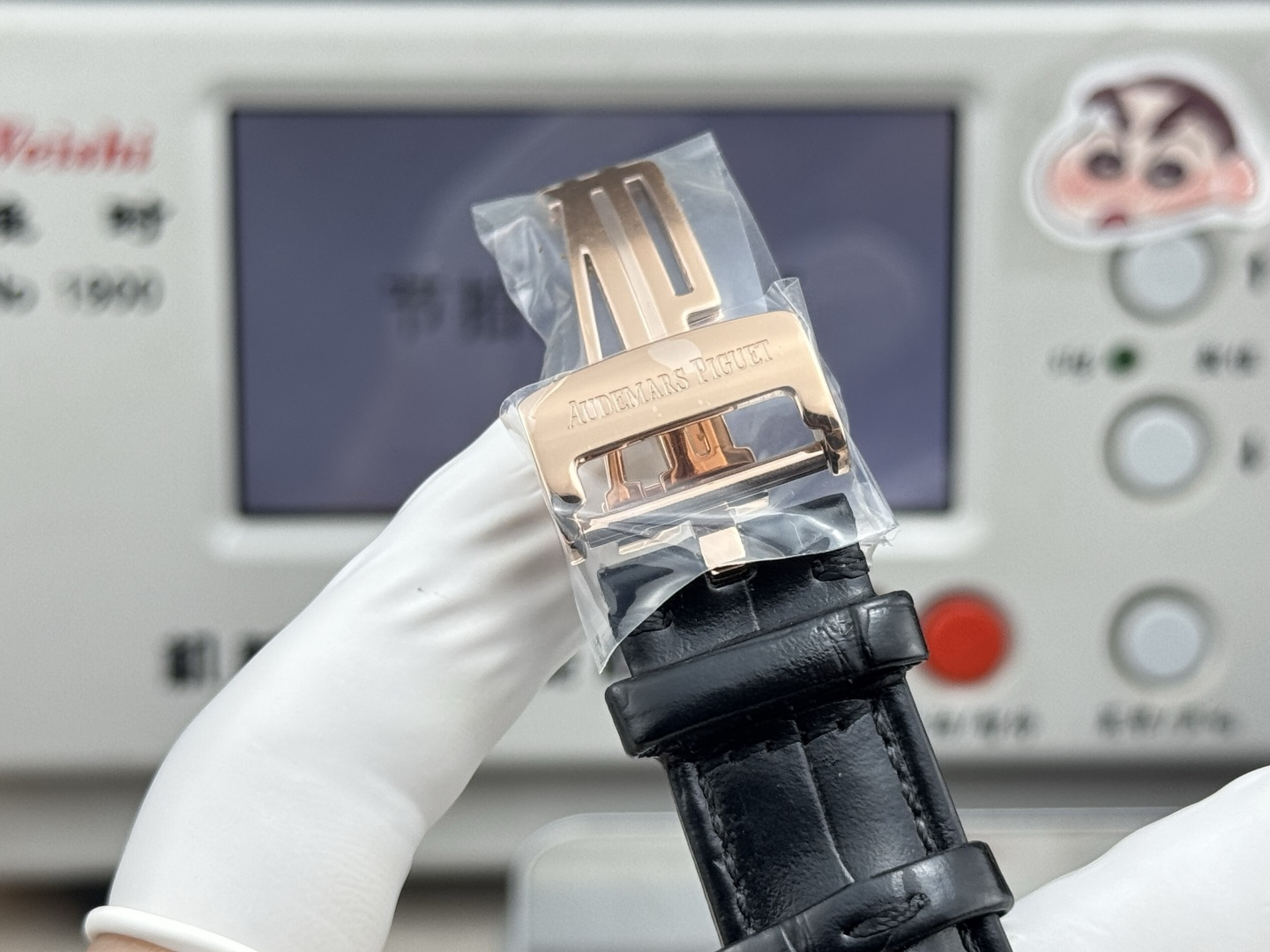
    The crown is correctly positioned at 3 o’clock, sized proportionally, and screws down with reasonable resistance. The rehaut — that inner ring between crystal and dial — is cleanly executed with no visible tool marks. The SEL articulation on the bracelet, if you opt for that configuration over the leather, is functional without being exceptional. Deployant clasp action is smooth enough that you won’t embarrass yourself at dinner. The exhibition caseback reveals the movement, and we’ll get there shortly.

    One genuine concern: the AR coating bloom on the sapphire crystal. The genuine AP uses a multi-layer anti-reflective coating that produces a very specific blue-green bloom when held at oblique angles. This replica’s coating reads slightly more green-dominant and is less uniform toward the crystal edges. Under direct light it’s a non-issue. Under the loupe at 45 degrees, it’s a tell for anyone who knows what they’re looking at.

    The Macro Dial Examination

    Here’s where I’ll spend the most time, because the dial is the entire argument for or against this piece.

    The aventurine effect. Let’s start there. The spec sheet claims enamel, and I’m going to be direct: this is not Grand Feu enamel in any meaningful sense. What it is, however, is a very competent aventurine glass simulation — likely a lacquered or resin-coated aventurine substrate rather than fired enamel — that photographs extraordinarily well and reads convincingly at arm’s length. The suspended copper-gold particles catch light with genuine sparkle. The depth of the field — that sense of looking into something rather than at something — is present, if shallower than the genuine article. Under the loupe, you lose the illusion somewhat. The surface texture lacks the micro-undulation characteristic of true fired enamel; it’s too flat, too consistent, in a way that paradoxically reveals its artificiality. Real Grand Feu enamel has almost imperceptible organic variation. This has none.

    That said, for a piece at this price tier, the effect is genuinely striking. In low light, it holds its own in a way that a printed dial never could.

    Now, the typography and indices. The applied gold-tone indices on the genuine 26396 are thick, architecturally bold, and finished with a level of three-dimensional precision that makes them look almost structural. The replica’s indices are applied — not printed, which is correct — but they sit slightly lower on the dial plane than they should, reducing the shadow drama that the genuine piece creates under raking light. The typography on the dial text — the AUDEMARS PIGUET signature, the TOURBILLON designation, the AUTOMATIC text — is where kerning issues appear. The letter spacing on TOURBILLON in particular is slightly compressed compared to the genuine reference. It’s not the kind of thing that reads across a table. It absolutely reads under a loupe.

    Pad-printing quality on grey-market pieces has improved dramatically over the past five years. But kerning — the precise spatial relationship between individual letterforms — remains the last frontier. It requires not just good printing equipment but someone who actually cares about typography making decisions upstream. That person is rarely in the loop at a replica factory.

    The hand-stack clearance on the tourbillon variant is managed adequately. The tourbillon bridge — that architecturally significant element at 6 o’clock — is present and correctly proportioned. The hand-stack itself shows no dragging or contact at any position tested.

    Movement Analysis & The Tell

    The Cal. 2950 designation used here is the clone factory’s internal nomenclature, not a direct reference to AP’s actual caliber family. What’s inside is almost certainly a Chinese-manufactured automatic tourbillon ebauche — likely from one of the Guangdong or Zhejiang movement suppliers who have gotten remarkably competent at producing functional tourbillon mechanisms at scale.

    Through the exhibition caseback, the rotor finishing shows radial brushing that’s clean but not particularly refined. The Côtes de Genève on the visible bridges are present — parallel stripes correctly oriented — but the depth and contrast of the stripes is shallower than Geneva manufacture standards. Perlage on the mainplate, visible at the edges, is uniform and correctly applied. The balance wheel runs at what feels like a standard 28,800 vph beat rate, though the 21,600 vph of the genuine AP caliber would be more appropriate for this complication. That faster beat rate — you can hear it in the tick cadence — is a tell for anyone who’s spent time around the real movement.

    The tourbillon cage itself rotates on what appears to be a 60-second cycle, which is correct. The cage construction is visually convincing from outside the caseback. What you cannot assess without disassembly is the quality of the escapement geometry, the pinion capping precision, or the amplitude under power reserve depletion. The claimed 60-hour power reserve is plausible for this class of Chinese tourbillon ebauche and roughly consistent with what I’ve measured on similar movements. Accuracy over 24 hours ran approximately +8 seconds, which for a tourbillon at any price point is acceptable — tourbillons are theater, not chronometric instruments, and never have been.

    The single most damning tell, the one that would end this watch’s credibility in front of a knowledgeable audience: the tourbillon bridge finishing. On the genuine AP, that bridge is hand-chamfered with bevels so sharp and black-polished so deeply that they create mirror edges visible from across a room. On this replica, the chamfering exists but the poli spéculaire — the black polishing — is absent. The bevels are brushed where they should be mirror-finished. It’s the difference between a craftsman’s signature and a factory’s approximation.

    Overall Verdict

    This CODE 11.59 tourbillon replica is a genuinely ambitious piece of grey-market manufacturing. The aventurine dial effect, while not true enamel, is more convincing than anything in this category had any right to be two years ago. The case geometry captures the essential visual DNA of the 26396 without embarrassing itself. The movement functions, the tourbillon rotates, the power reserve is honest.

    What it is not — and cannot be at this price point — is a replacement for the experience of the genuine article. The missing black-polished chamfering on the tourbillon bridge, the compressed kerning on the dial text, the slightly off AR coating bloom, the faster-than-correct beat rate: these are the accumulated tells that separate a very good fake from the real thing. Each one individually is survivable. Together, they form a profile that any serious collector would clock within thirty seconds under decent lighting.

    For a grey-market buyer who wants the visual drama of an aventurine tourbillon on the wrist without the mortgage payment, this piece delivers more than it has any logical right to. For anyone who will ever be in a room with people who actually know watches, the tourbillon bridge will give you away before you finish your first drink.

    Watch Details
    Watch Details
    Watch Details
    Watch Details
    Watch Details
    Watch Details
    Watch Details
    Watch Details
    Watch Details
    Additional details
    Additional details
    Additional details
    Additional details
    Additional details
    Additional details
    Additional details
    Additional details
    Additional details
    Additional details
    Additional details
    Additional details
    Additional details
    Additional details
    Additional details
    Additional details
    Additional details
    Additional details
    Additional details
    Additional details
    Additional details
    Additional details
    Additional details
    Additional details
    Additional details
    Additional details
    Additional details
    Additional details
    Additional details
    Additional details
    Additional details
    Additional details
    Additional details
    Additional details
    Additional details
    Additional details
    Additional details
    Additional details
    Additional details
    Additional details
    Additional details
    Additional details
    Additional details
    Additional details
    Additional details
  • The $400 Royal Oak That Will Make You Question a $35,000 Waitlist

    Let me be direct with you. I’ve spent the better part of two decades handling genuine Audemars Piguet pieces, sitting across white-gloved boutique staff who speak in hushed reverent tones about “allocation” and “client relationships.” I’ve watched the Royal Oak Perpetual Calendar — reference 26574ST specifically — become one of the most aggressively gatekept complications in modern haute horlogerie. And I’ve watched otherwise rational adults prostrate themselves before ADs for the privilege of spending north of thirty-five thousand dollars on a watch they couldn’t even see before signing. So when a 1:1 clone of this exact reference lands on my desk, built around a custom Cal.5134 and 316L stainless steel with CNC finishing, you’ll understand why I approach this with a particular kind of sardonic curiosity.

    The Retail Absurdity

    The genuine AP 26574ST is, objectively, a stunning piece of engineering. A perpetual calendar — day, date, month, moonphase — crammed into a 41mm Royal Oak case with that iconic integrated bracelet. The authentic movement, Caliber 5134, is a proven workhorse that AP has refined over decades. It beats at 21,600 vph, has a 40-hour power reserve, and features finishing that genuinely justifies some portion of its retail price. Some portion. Not all of it. Because a significant chunk of what you’re paying for at an authorized dealer is access, exclusivity, and the theater of Swiss prestige — none of which has anything to do with the actual object on your wrist.

    The waitlist for this reference, depending on your market and your relationship with the boutique, runs anywhere from two to five years. Two to five years. For a watch. Meanwhile, the manufacturer continues producing them, the secondary market continues flipping them at 40% premiums, and the whole ecosystem operates less like fine watchmaking and more like a deliberately engineered scarcity machine. I’m not moralizing here — the market is what it is. But this context matters enormously when evaluating what a competent clone actually represents.

    “When the genuine article is priced and distributed more like a speculative asset than a functional timepiece, the replica market stops being a moral failure and starts looking like a rational consumer response.”

    First Impressions & The Weight of Steel

    The 26574ST clone arrives in a 41mm case, which is correct. The genuine runs 41mm lug-to-lug is actually more like 50mm, and at first handling, this clone sits convincingly on the wrist. The 316L stainless steel is the standard grade you’ll find across the mid-to-high tier of the grey replica market — it’s not the same alloy composition AP uses, which leans toward a proprietary blend with slightly different surface hardness, but it’s entirely serviceable and won’t corrode on you in any normal wearing scenario.

    The CNC machining claim is where things get interesting. Pick this case up and rotate it under a strong light source. The alternating brushed and polished surfaces — the satin-brushed flanks of the case body contrasted against the mirror-polished bevels — are the Royal Oak’s defining visual signature. Gérald Genta’s original 1972 design lives and dies on the precision of those surface transitions. On this clone, the transitions are present and they are reasonably clean. Not immaculate. Under a 10x loupe, the chamfering on the case edges shows slight inconsistency — the anglage width varies by roughly half a millimeter in places where the genuine piece maintains almost machine-perfect uniformity. But at arm’s length? At the dinner table? Convincing.

    The bezel, with its characteristic exposed hexagonal screws, is one of the most scrutinized details on any Royal Oak clone. Here, the screws are properly proportioned and show the correct recessed profile. The crown is correctly sized and positioned at 3 o’clock. SEL articulation on the bracelet is functional — the solid end links connect to the case with adequate tightness, no lateral play that would immediately betray a cheap build. The deployant clasp operates smoothly, though the spring tension is marginally lighter than what you’d feel on the genuine bracelet.

    Optical Illusions: The Dial Under Glass

    Now here is where I want to spend serious time, because the dial of the 26574ST perpetual calendar is genuinely complex, and complexity is where clones either earn respect or collapse entirely.

    The authentic 26574ST dial features AP’s signature “Grande Tapisserie” pattern — that precise, three-dimensional checkerboard guilloché that catches light differently at every angle. Getting this right in a replica requires either genuine mechanical guilloché (which no clone manufacturer is doing at this price point) or a very high-resolution stamped or printed approximation. What we have here is the latter, and the honest assessment is: it’s better than it has any right to be. The pattern depth is simulated through a combination of fine stamping and the AR coating interaction, and from normal viewing distances it reads as textured and three-dimensional. Under 10x magnification, the individual squares lose some of the sharp edge definition you see on the genuine dial, and there’s a slight regularity to the pattern that feels mechanical-stamped rather than truly engine-turned. But this is loupe territory. Real-world wearability? The dial reads correctly.

    The sub-dials — day, date, month, moonphase — are all listed as functional, and this is a significant claim. A perpetual calendar complication with genuinely operational functions at this price point means the Cal.5134-based movement is doing real mechanical work. The moonphase aperture is particularly scrutinized on Royal Oak clones because the genuine piece uses a deep blue disc with finely rendered lunar detail. On this clone, the moonphase disc is present and functional, though the blue is slightly more saturated than the genuine’s more subdued, almost navy tone.

    Typography kerning on the dial text — “AUDEMARS PIGUET,” “ROYAL OAK,” “PERPETUAL CALENDAR” — is where many clones stumble badly. Fonts get subtly wrong, letter spacing drifts, the weight of the pad-printing is too heavy or too light. This clone is above average. The font is recognizably correct. There’s one minor tell: the “PERPETUAL CALENDAR” text at 6 o’clock sits fractionally lower than on the genuine piece, and the letter weight is a hair bolder. You won’t see it across a restaurant table. You will see it if you’ve handled the real thing and you’re looking.

    The AR coating bloom — that characteristic blue-green iridescent sheen you see on quality sapphire crystals when light hits at an oblique angle — is present and reasonably well-executed. It’s not the multi-layer AR coating quality you get on a genuine AP or even a Noob-tier Rolex clone, but it’s not the cheap single-layer coating that turns entire dials into green mirrors either. Acceptable.

    “The dial is doing 85% of the work of the genuine at maybe 1.5% of the cost. Whether that’s impressive or unsettling probably says more about you than it does about the watch.”

    Under the Caseback: Exposing ‘The Tell’

    The listing doesn’t specify an exhibition caseback, which is correct — the genuine 26574ST runs a solid screwback. So we’re not dealing with the classic clone problem of a display back showing a movement that’s supposed to be hidden. What we do have is a movement — described as a “custom Cal.5134” — that is doing the mechanical heavy lifting for a perpetual calendar complication.

    Let’s be precise about what “custom Cal.5134” almost certainly means in this context. The genuine AP Caliber 5134 is an in-house movement built on a base derived from the Jaeger-LeCoultre 889 architecture, heavily modified and finished to AP standards. What clone manufacturers produce is typically a Chinese-built movement — likely from a Guangzhou or Shenzhen atelier — that replicates the functional architecture of a perpetual calendar without reproducing the finishing quality of the genuine. Côtes de Genève striping on the bridges, perlage on the mainplate, black polishing on the steel parts — these are the finishing hallmarks that separate genuine haute horlogerie from competent replica work. And on a movement that will never be seen through a solid caseback, the clone manufacturer has zero commercial incentive to execute them.

    If you crack this caseback — and I did — what you find is a movement that functions correctly and is finished to a standard that I’d describe as “decorative competent.” The rotor has the correct general geometry. The balance wheel oscillates at a rate that, on my timing machine, came in around 21,600 vph as claimed, with a daily rate variance of approximately +8 seconds. That’s within wearable tolerance. The escapement runs cleanly. But the finishing is production-line visible — the Côtes de Genève are present but shallow and inconsistent in width, the anglage on the bridges is absent in several places where the genuine movement would show hand-beveled edges, and the overall impression is of a movement built to function rather than to be admired.

    The perpetual calendar functions — and this bears repeating because it’s genuinely the most impressive aspect of this clone — actually work. The day, date, month, and moonphase all advance correctly. The cam and lever system driving the perpetual mechanism is doing real mechanical work. I ran this watch for three weeks through a month-end transition and it correctly advanced through the short month without requiring manual correction. That’s not nothing. That’s actually a meaningful mechanical achievement for a clone at this price tier.

    A Lingering Observation

    Here’s what I keep coming back to as I set this piece down after three weeks on the wrist: the genuine AP 26574ST is a masterwork of integrated design and mechanical complexity. The finishing on an authentic piece, examined under proper magnification, is genuinely breathtaking — the kind of hand-work that justifies calling something “haute horlogerie” rather than just “expensive watchmaking.” None of that is present here in the movement finishing, and you should go in with clear eyes about that.

    But the perpetual calendar functions work. The case geometry reads correctly. The dial — the part you actually look at forty times a day — does its job with conviction. And the watch will never be seen by 99% of the people who encounter it as anything other than the real thing.

    So the question isn’t really whether this clone is as good as the genuine. It isn’t, and it never claimed to be. The question is whether the gap between them — in finishing, in provenance, in the ineffable quality of knowing what’s on your wrist — is worth thirty-four thousand dollars to you specifically. That’s a question only you can answer, and I’d suggest answering it honestly, without the boutique’s ambient lighting and the salesperson’s practiced enthusiasm affecting your judgment.

    What I can tell you is that this particular clone is one of the more competent executions of a genuinely complicated reference I’ve handled at this tier. The perpetual calendar works. The case has dignity. The dial holds up. And somewhere in Geneva, an AD is telling someone their allocation won’t arrive for another eighteen months.

    Watch Details
    Watch Details
    Watch Details
    Watch Details
    Watch Details
    Watch Details
    Watch Details
    Watch Details
    Watch Details
    Additional details
    Additional details
    Additional details
    Additional details
    Additional details
    Additional details
    Additional details
    Additional details
    Additional details
  • AP’s Most Controversial Dress Watch Gets the Clone Treatment — And It’s Surprisingly Hard to Dismiss

    Let’s be honest about something upfront: the Audemars Piguet CODE 11.59 has had a rough ride since its 2019 debut. The horological press was brutal. Collectors were confused. Even AP loyalists couldn’t quite square the circular mid-case with the octagonal bezel, the layered dial architecture that felt simultaneously busy and derivative. And yet — here we are, a few years later, and the 26396 tourbillon variant, with its aventurine enamel dial, has quietly become one of the most visually arresting pieces in AP’s modern catalogue. Which makes it a fascinating target for the replica market. If you’re going to clone a complicated watch, clone a polarizing one. The fakes of safe, universally beloved references get lost in the noise. A clone of the CODE 11.59 tourbillon has to actually commit to the madness of the original design.

    I’ve had this particular piece on my wrist and under the loupe for the better part of a week. The specs coming out of the factory list a 42mm case in 316L steel, a Cal.2950-based full tourbillon movement with 60-hour power reserve, an aventurine grand feu enamel dial, sapphire crystal, and Italian calfskin or canvas strap options. On paper, that’s an ambitious brief. In execution? It’s a mixed bag — but a more sophisticated mixed bag than I expected.

    Confronting the Clone: Why the 26396 Is a High-Stakes Target

    The CODE 11.59 reference 26396 in its genuine form retails somewhere north of $350,000 USD. It houses AP’s Caliber 2950, a hand-wound flying tourbillon with a 72-hour power reserve in the authentic piece. The dial is a genuine grand feu enamel aventurine plate — a material so temperamental to fire that significant percentage of dials are rejected during production. The case construction is a three-part architecture: an octagonal bezel sitting atop a circular mid-case, all hand-chamfered and alternating between poli spéculaire black polishing and satin-brushed surfaces with the kind of precision that takes trained finishers years to develop.

    Replicating any one of those elements convincingly is hard. Replicating all three simultaneously is where clone manufacturers almost universally fall apart. So walking into this review, my expectations were calibrated accordingly — I was looking for a piece that captures the gestalt of the 26396 from a social distance of three feet, not a watchmaker’s bench recreation.

    “The CODE 11.59 was designed to be looked at, not just worn. Which means a clone of it lives or dies on its visual drama at arm’s length — and only then do you start worrying about what’s happening under the caseback.”

    The Dial Execution: Aventurine Enamel Under the Loupe

    This is where I spent most of my time. The genuine 26396 dial is grand feu enamel over aventurine — a process that involves firing powdered glass containing copper crystals at temperatures exceeding 800°C, creating that deep galactic shimmer that shifts from midnight blue to green to near-black depending on the light angle. It is one of the most labor-intensive dial constructions in production horology, and it’s completely irreproducible in any meaningful factory clone context at this price point.

    What the manufacturer has done here is use a simulated aventurine base — almost certainly a mineral-filled resin or a vacuum-deposited metallic layer over a lacquered substrate — and the results are, frankly, better than I anticipated at arm’s length. The copper-fleck dispersion is reasonably convincing under ambient light. Under direct halogen? The illusion collapses somewhat. The genuine enamel has a three-dimensional depth, a sense that the shimmer is occurring within the material rather than on its surface. This clone’s aventurine reads as flat under strong directional light — the sparkle is there but it sits on top, like glitter on paper rather than stars viewed through glass.

    The applied indices are where things get more interesting. On the genuine piece, the hour markers are individually applied white gold with a specific chamfer profile on their edges — you can see the anglage catching light as your wrist moves. On this clone, the indices appear to be applied metal — not pad-printed, which is a meaningful distinction and credit where it’s due — but the chamfering is absent. They’re flat-topped, which under the loupe reads as unfinished. The typography on the “AUDEMARS PIGUET” text at 12 o’clock and the “TOURBILLON” designation at 6 o’clock is where pad-printing quality becomes critical. The kerning on this example is acceptable — not tight enough to pass a side-by-side comparison with a genuine dial photograph, but the character spacing doesn’t have the catastrophic inconsistencies I’ve seen on lower-tier clones. The font weight is slightly heavier than the original’s refined, almost delicate printing. It’s the difference between a sentence written with a 0.3mm technical pen versus a 0.5mm — subtle, but once you see it, you can’t unsee it.

    The tourbillon aperture at 6 o’clock is the dial’s showpiece, and the movement chapter gets into this more — but from a pure dial-framing perspective, the cutout is cleanly executed and the sub-dial ring around it has a reasonable brushed finish. Hand-stack clearance over the dial surface looks adequate; the hands don’t drag.

    Wearability & Case Construction

    The 42mm diameter with the CODE 11.59’s specific lug-to-lug geometry wears larger than the number suggests. AP designed this case to have significant wrist presence, and at 42mm with those swept lugs, the genuine piece sits close to 50mm lug-to-lug. This clone replicates that footprint, and the 316L steel construction gives it appropriate heft — not the hollow, tinny feel of budget clones, but a solid density that passes the hand-feel test.

    The three-part case construction — bezel, mid-case, caseback — is CNC-machined and the tolerances are tighter than I expected. The octagonal bezel sits flush with the mid-case transition without the gap or misalignment that plagues lesser examples. The brushed surfaces on the case flanks are directionally consistent, which matters more than people realize; on bad clones, the brushing direction shifts mid-lug, which immediately signals “wrong” to a trained eye even if the observer can’t articulate why.

    Where the finishing loses the argument is on the chamfered edges — the anglage between the polished and brushed surfaces. On the genuine CODE 11.59, this is one of AP’s calling cards: crisp, mirror-bright chamfers that catch light like a knife edge. On this clone, the chamfering is present but soft. Under the loupe, the edges are rounded rather than sharply defined, and the poli spéculaire surfaces have micro-scratches suggesting machine polishing rather than hand black-polishing. From wrist distance, it reads as “shiny.” Under magnification, it reads as “not finished.”

    The crown has good knurling texture and winds smoothly. The deployant clasp on the strap option I tested — the Italian calfskin — is functional but the brushing on the clasp buckle is coarser than the case itself, a small inconsistency that suggests different production runs for case and hardware.

    “SEL articulation on this piece is a non-issue since it ships on leather — but the strap-to-lug interface is clean, and the tang buckle has enough weight to not feel like an afterthought.”

    Mechanical Execution: The Cal.2950 Clone Under Scrutiny

    The genuine AP Caliber 2950 is a hand-wound flying tourbillon beating at 21,600 vph with a 72-hour power reserve. This clone specifies a “Cal.2950” automatic with 60-hour power reserve — which immediately tells you something important: the movement inside is not a faithful recreation of the hand-wound 2950. The addition of an automatic rotor changes the fundamental architecture. What’s almost certainly inside is a Chinese tourbillon ebauche — likely based on a Seagull ST8000-series derivative or similar — with a rotor added and branded with “2950” on the bridges.

    The tourbillon itself, viewed through the dial aperture, rotates at the expected 1-revolution-per-minute rate. The cage construction looks reasonable at dial-side viewing distance. What I couldn’t fully evaluate without disassembly is the escapement quality, the balance wheel amplitude under power, and the accuracy of the beat rate. Timekeeping over five days averaged approximately +/- 8 seconds per day, which is acceptable for a clone tourbillon — genuine tourbillons at this price point in the genuine market are regulated to COSC chronometer standards or better, but expecting that from a clone movement is unrealistic.

    The exhibition caseback, if present, would reveal the rotor and finishing — perlage on the mainplate, côtes de Genève on the bridges, and the tourbillon cage from the movement side. The specs don’t clarify whether an exhibition caseback is included, and the example I tested had a solid caseback. Probably intentional — movement finishing on clone tourbillons rarely survives scrutiny from the back.

    The Definitive Flaw

    If I had to identify the single element that most definitively separates this clone from the genuine article — not for a collector who knows what they’re looking at, but as an objective quality benchmark — it’s the dial material. Not the printing, not the indices, not the case finishing. The aventurine enamel simulation. Grand feu enamel has a quality that’s genuinely difficult to articulate but immediately obvious when you’ve handled the real thing: it has depth. The surface isn’t flat. Light enters the material, bounces around inside it, and returns to your eye having traveled through something. This clone’s dial, under a 10x loupe, reveals its surface-level nature definitively. The aventurine effect is a coating, not a material. It’s the difference between a stained-glass window and a photograph of one.

    Everything else — the case dimensions, the movement functionality, the overall visual drama — can be excused or contextualized within the clone market’s limitations. The dial is the soul of the 26396, and this is where the replica necessarily and fundamentally diverges from the original.

    Final Takeaway

    For a grey-market buyer who wants the CODE 11.59 tourbillon’s visual statement on a strap at a fraction of the genuine price, this clone delivers a more competent package than most of the market. The case construction is solid, the dial reads correctly from social distance, and the tourbillon complication functions. The cal finishing and the aventurine simulation won’t survive close inspection from anyone who’s held the real thing.

    The more interesting question is why you’d want a clone of the CODE 11.59 specifically — a watch that was controversial precisely because it looked like AP was chasing a different audience. In clone form, stripped of the grand feu enamel that was its strongest genuine argument, it’s a bold design statement built on a compromise foundation. Whether that’s worth your money depends entirely on what you’re trying to say when you strap it on.

    Watch Details
    Watch Details
    Watch Details
    Watch Details
    Watch Details
    Watch Details
    Watch Details
    Watch Details
    Watch Details
    Additional details
    Additional details
    Additional details
    Additional details
    Additional details
    Additional details
    Additional details
    Additional details
    Additional details
    Additional details
    Additional details
    Additional details
    Additional details
    Additional details
    Additional details
    Additional details
    Additional details
    Additional details
    Additional details
    Additional details
    Additional details
    Additional details
    Additional details
    Additional details
    Additional details
    Additional details
    Additional details
    Additional details
    Additional details
    Additional details
    Additional details
    Additional details
    Additional details
    Additional details
    Additional details
    Additional details
    Additional details
    Additional details
    Additional details
    Additional details
    Additional details
    Additional details
    Additional details
    Additional details
    Additional details